An In-Depth Analysis of Pulled EVA Yacht Decking
1. Unparalleled Comfort and Underfoot Cushioning
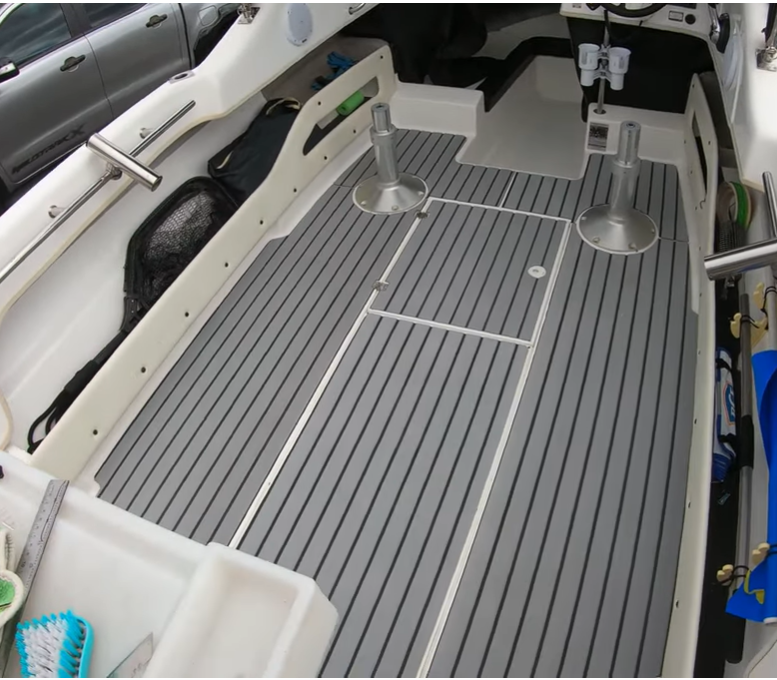
The most immediately noticeable feature of a pulled EVA deck pad is its exceptional softness and cushioning. Unlike hard fiberglass, abrasive non-slip paint, or even the firmness of teak, EVA foam provides a forgiving and comfortable surface underfoot.
-
Shock Absorption: This material significantly reduces fatigue for crew and guests who are standing or walking for extended periods. It is particularly beneficial in rough seas, as it dampens the impact of the deck rising to meet one's feet.
-
Thermal Insulation: EVA foam acts as a natural insulator. It remains cool under direct sunlight compared to dark-colored fiberglass or metal surfaces that can become scorching hot, making it safe and comfortable for bare feet. Conversely, it also provides a barrier against cold decks in cooler climates.
-
Joint Relief: The cushioning effect is gentle on knees, ankles, and backs, which is a critical advantage for both long-term liveaboards and day-trippers engaging in various activities.
2. Superior Safety and Slip Resistance
Safety is paramount on any vessel, and pulled EVA decking excels in this domain. Its slip-resistant properties are intrinsic to its design and material composition.
-
Wet/Dry Traction: The textured, often micro-suede-like surface provides an extraordinary grip, whether it is dry or soaking wet. This performance is far superior to many traditional options, drastically reducing the risk of slips and falls—a primary cause of onboard injuries.
-
Drainage and the "Pulled" Structure: The closed-cell structure created during the "pulling" process is impermeable to water. While water sits on the surface, it does not get absorbed. The surface texture is designed with channels that allow water to drain away quickly, preventing the formation of a dangerous film of water that can cause hydroplaning.
-
Consistent Performance: Unlike non-slip paints that can wear down and lose their grit over time, the non-slip properties of EVA are consistent throughout the material's thickness.
3. Customization, Aesthetics, and Branding
Pulled EVA decking is a highly customizable product that allows yacht owners to personalize their vessels to a remarkable degree.
-
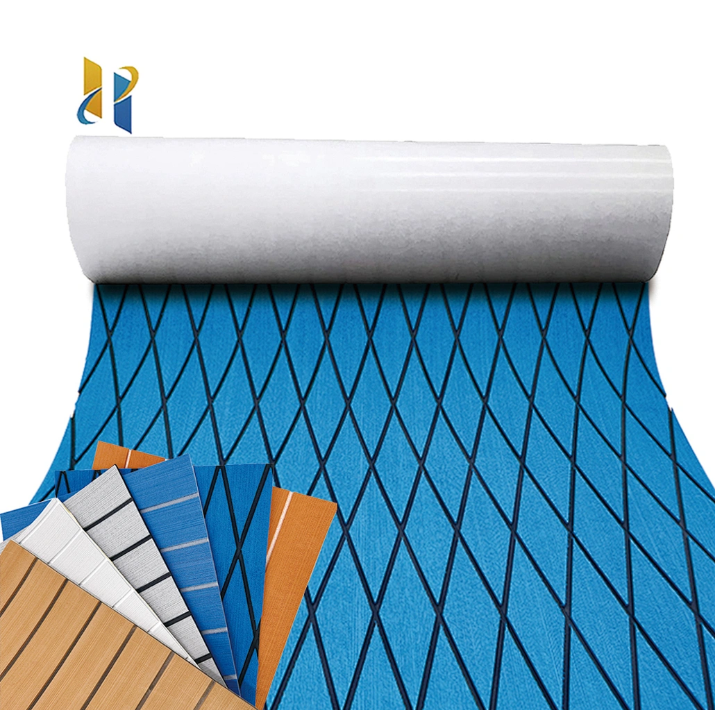
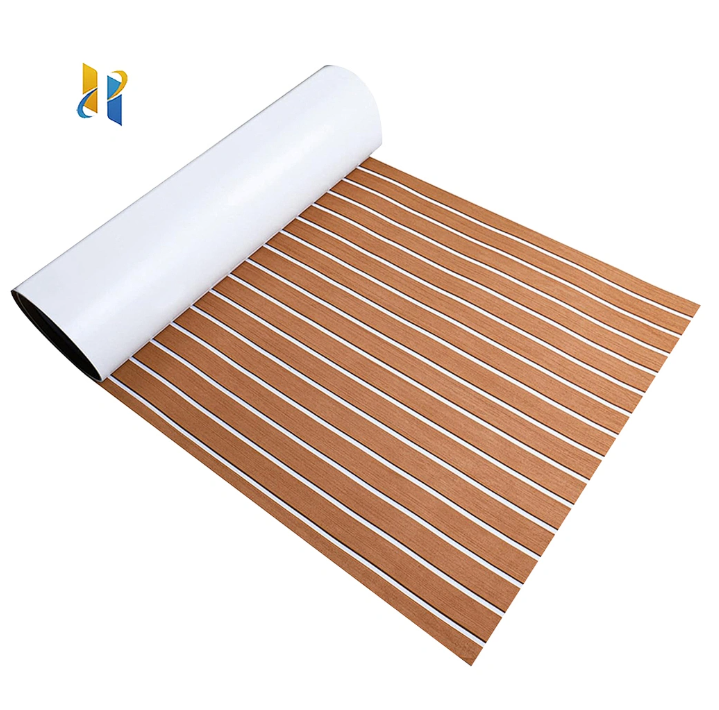
Precise Customization: Using computer-controlled CNC routers, manufacturers can cut the sheet material to fit the exact, often complex, contours of a yacht's deck, cockpit, swim platform, or even steps. This results in a seamless, professionally integrated look.
-
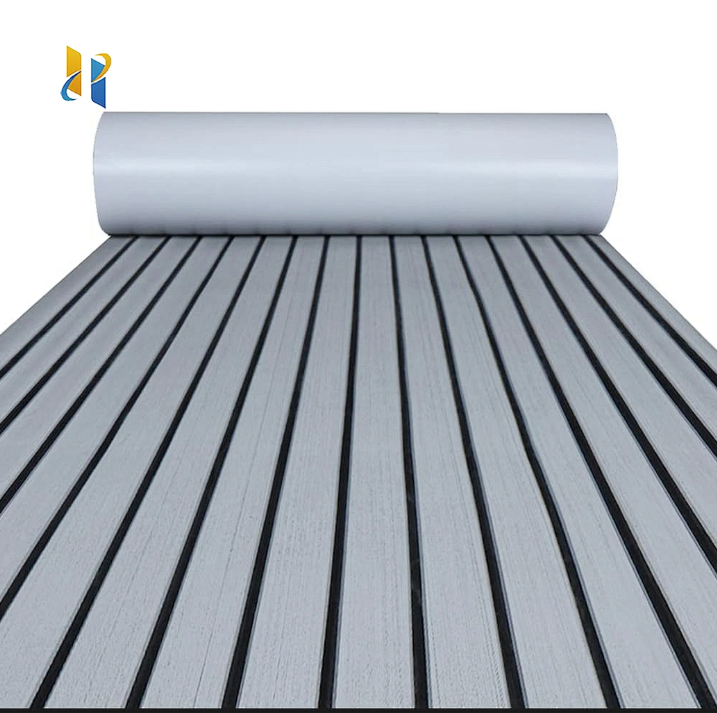
Color and Logo Integration: A vast palette of colors is available, allowing for color blocking, striping, and the seamless integration of boat logos, names, and other graphics directly into the deck surface. This transforms a functional surface into a central design element that enhances the yacht's overall aesthetic and brand identity.
4. Durability, Maintenance, and Practicality
For a luxury product, pulled EVA decking is surprisingly durable and requires minimal upkeep compared to its counterparts.
-
Low Maintenance: It requires no sanding, varnishing, or oiling. Routine maintenance involves simply rinsing with fresh water and occasionally scrubbing with a mild soap solution. This eliminates the significant time and cost associated with maintaining teak decks.
-
Stain and UV Resistance: High-quality marine-grade EVA is treated to be resistant to UV radiation, preventing fading and degradation. It is also resistant to common marine stains from oils, fuels, and chemicals.
-
Durability Considerations: While highly durable, it is not indestructible. Sharp objects, dropped fishing gaffs, or hot embers from a grill can puncture or melt the surface. However, because it is typically installed in modular sections, a damaged piece can be replaced without redoing the entire deck.
5. Installation and Environmental Considerations
The installation process and environmental footprint are also important factors in its popularity.
-
Installation: Professional installation is recommended for a permanent, watertight bond. The process involves meticulous surface preparation (cleaning and degreasing) and the use of a high-strength, waterproof pressure-sensitive adhesive. A DIY approach is possible for smaller, less critical areas but carries a higher risk of error.
-
Environmental Aspect: By providing a viable alternative to teak, pulled EVA decking offers an eco-friendly choice. It alleviates the demand for slow-growing tropical hardwoods, contributing to the preservation of vulnerable forest ecosystems.
Conclusion
In summary, pulled EVA yacht decking is more than just a trend; it is a substantive advancement in marine surface technology. Its defining benefits—exceptional comfort for those on board, superior slip resistance for critical safety, highly customizable aesthetics for personalization, and straightforward maintenance for practical ownership—collectively make a compelling case for its adoption. While it requires an initial investment and care to avoid sharp impacts, its advantages overwhelmingly position it as the modern standard for enhancing both the functionality and luxury of a contemporary yacht.
A Comprehensive Guide to the Uses of EVA Garden Kneepads
The Effectiveness of EVA Foam Alphabet Mats in Child Development
Related Article