The Application of EVA Material in Boat Flooring: A Detailed Analysis
1. Superior Cushioning and Comfort for Enhanced User Experience
One of the primary reasons for the widespread adoption of EVA foam in boat flooring is its excellent cushioning properties. Boating often involves long hours of standing, whether for fishing, sailing, or simply enjoying the cruise. Traditional hard surfaces like fiberglass, wood, or aluminum can lead to significant leg and back fatigue. EVA foam acts as a shock absorber, providing a soft, forgiving surface underfoot. This ergonomic benefit drastically improves comfort, reducing physical strain and allowing occupants to enjoy longer periods on the water without discomfort. This is particularly crucial for commercial fishermen and serious anglers who spend extended durations on their feet.
2. Exceptional Non-Slip Safety in Wet Conditions
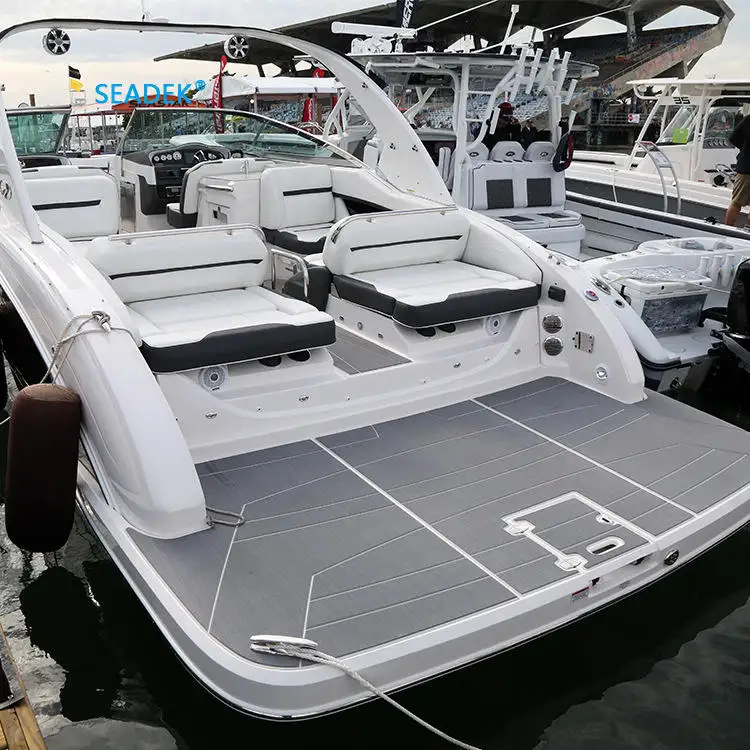
Safety is paramount in the marine environment, where surfaces are frequently wet and slippery. EVA foam inherently possesses a high-traction, non-slip surface. Many EVA boat decking products are further engineered with textured patterns, such as diamond plates, teak-like grooves, or custom logos, which channel water away and provide additional grip. This textured surface ensures secure footing even when the deck is soaked with water, fish slime, or fuel spills. This dramatically reduces the risk of slips and falls, making it an invaluable safety feature for all passengers, including children and the elderly, thereby enhancing the overall safety profile of the vessel.

3. Outstanding Waterproof and Rot-Resistant Characteristics
Unlike organic materials such as wood or some composites, EVA is a completely waterproof, closed-cell material. It does not absorb water, which is a critical advantage in a marine setting. This inherent property means it will not rot, warp, or degrade when exposed to constant moisture. It is also highly resistant to mold and mildew growth, which can be a persistent problem with carpeting or poorly sealed wood decks. This resistance to water-related damage ensures the longevity of the flooring and helps maintain a cleaner, more hygienic deck environment, free from the odors associated with bacterial growth.
4. Remarkable Durability and Resistance to Environmental Stress
Boat flooring is subjected to a harsh combination of elements: intense UV radiation from the sun, saltwater corrosion, temperature fluctuations, and chemical exposure from oils, cleaners, and fuels. High-quality marine-grade EVA foam is formulated to be UV-stabilized, preventing it from fading, cracking, or becoming brittle under prolonged sun exposure. It is also resistant to saltwater, oils, and most common chemicals, ensuring that its structural integrity and appearance remain intact over many seasons of use. This durability translates to a longer lifespan and lower long-term replacement costs compared to many traditional materials.

5. Lightweight Nature and Ease of Installation
The weight of any component on a boat directly impacts its performance, fuel efficiency, and stability. EVA foam is exceptionally lightweight, adding minimal extra weight to the vessel. This is a significant advantage over heavier alternatives like traditional teak decking or rubber tiles. Furthermore, EVA decking is remarkably easy to install. It is typically available in interlocking tile sheets or large rolls with a self-adhesive backing. This allows for a straightforward DIY installation process that can be completed without professional help. The material can be easily cut with a utility knife to fit complex curves, hatches, and obstructions, offering a custom, seamless look.
6. Low Maintenance and Easy Cleanability
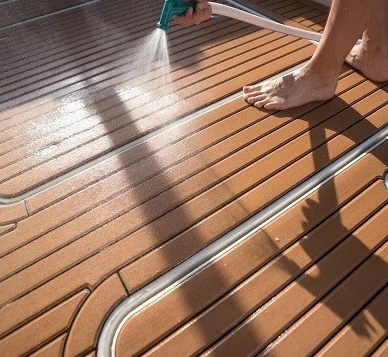
Maintaining the aesthetic appeal of a boat deck can be labor-intensive. EVA foam simplifies this process immensely. Its non-porous surface does not trap dirt, grime, or stains. Routine cleaning typically requires nothing more than a simple rinse with a hose, or a light scrub with a brush and mild soapy water. This is a stark contrast to teak decking, which requires regular sanding and oiling, or carpet, which can trap odors and requires deep cleaning. The ease of maintenance saves boat owners considerable time and effort, allowing them to spend more time enjoying their vessel.

7. Aesthetic Versatility and Customization
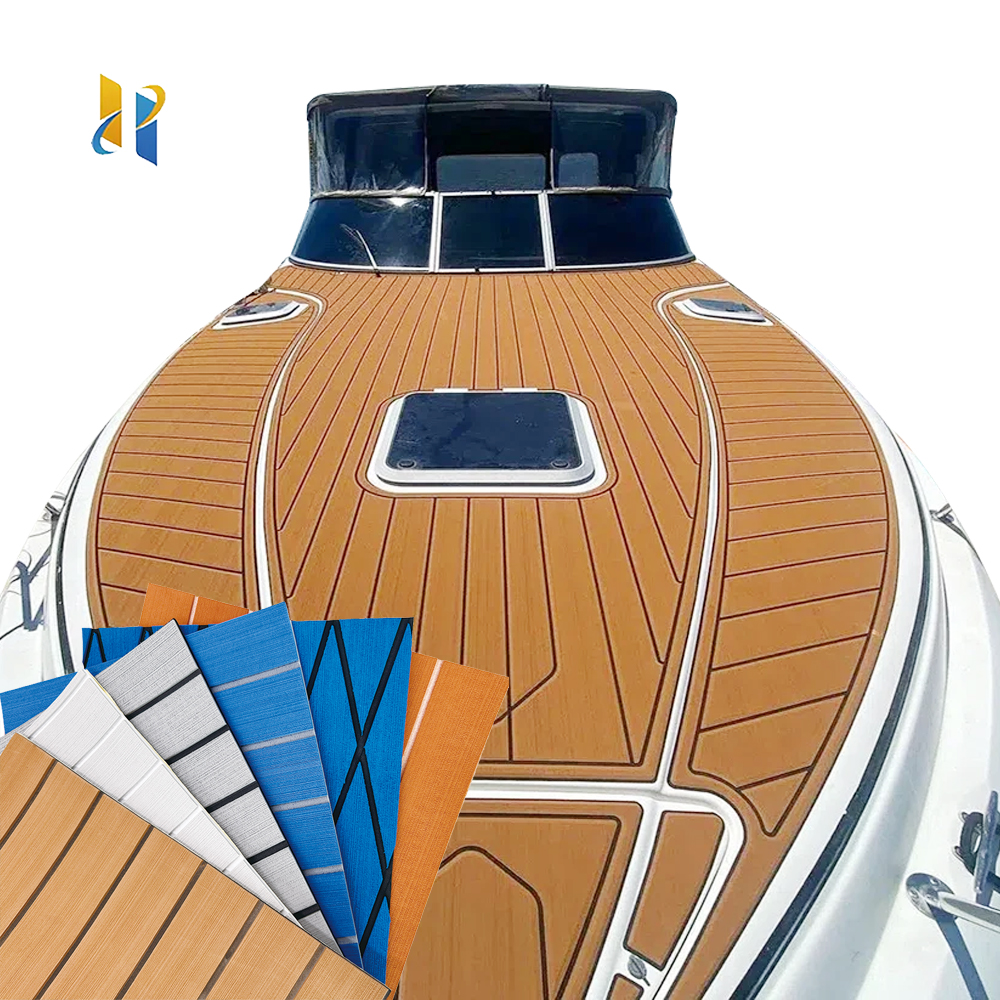
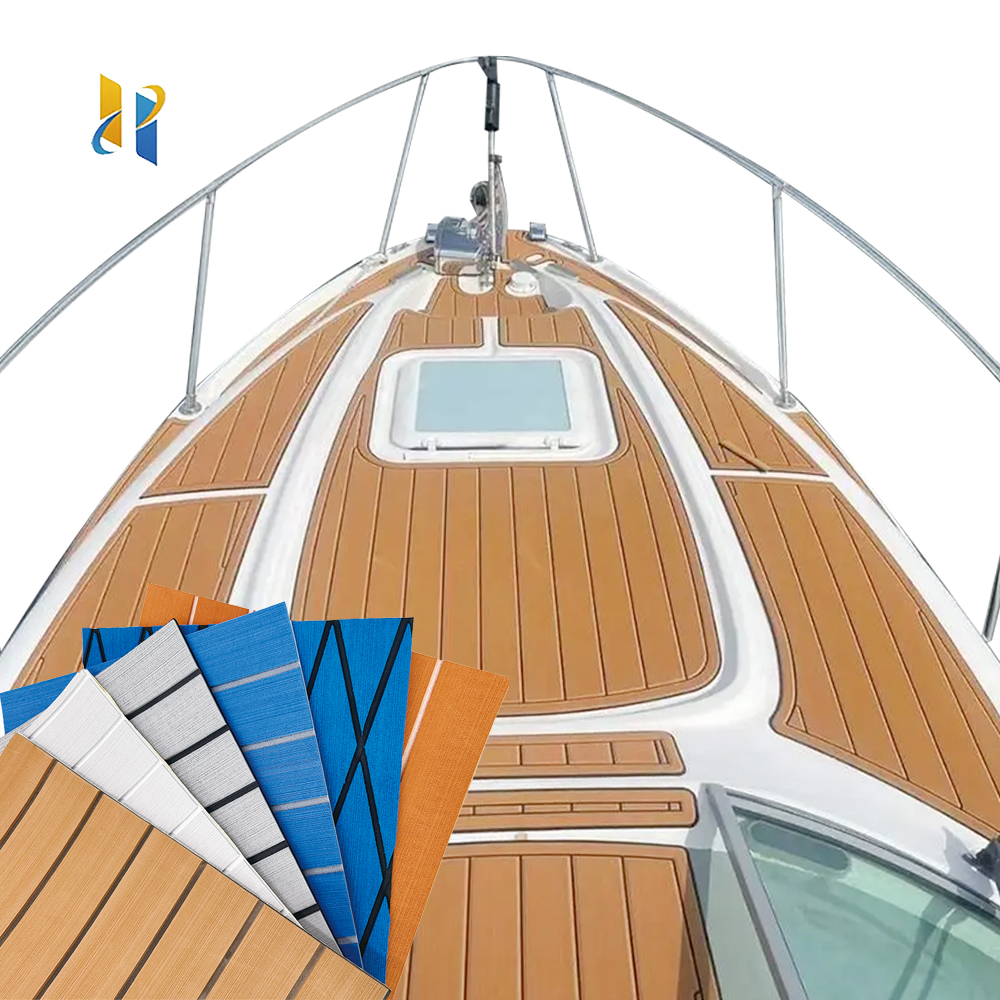
Beyond its functional benefits, EVA foam offers considerable aesthetic appeal. It is available in a wide spectrum of colors, from classic grays and blues to vibrant custom hues. Manufacturers can emboss the surface with patterns that convincingly mimic the look of expensive teak decking (often called "EVA teak" or "fake teak") without the associated cost and upkeep. This allows boat owners to achieve a high-end, customized look for their deck. Furthermore, logos, names, and intricate designs can be laser-cut into the material, providing a unique personalization option.
8. Thermal Insulation and Sound Dampening
EVA foam provides additional secondary benefits, such as thermal and acoustic insulation. On a hot sunny day, EVA remains relatively cool to the touch compared to metal or fiberglass, preventing burns and increasing comfort. It also acts as a sound dampener, reducing noise from the engine, water slapping against the hull, and general foot traffic. This creates a quieter, more serene environment on board, enhancing the overall boating experience, especially on longer journeys.

In conclusion, the application of EVA material in boat flooring represents a significant advancement in marine design and functionality. Its unique combination of comfort, safety, durability, and low maintenance addresses the core challenges of the marine environment. By providing a cushioned, non-slip, and resilient surface that is both easy to install and aesthetically pleasing, EVA foam has firmly established itself as a modern, superior alternative to traditional boat decking materials, contributing to a safer and more enjoyable time on the water.
The Necessity of EVA Foam Mats for Yachts
EVA Marine Deck Padding: Comfort and Safety for Your Vessel
Related Article