The Multifaceted Applications of a Car Wash Sponge: Beyond Basic Cleaning
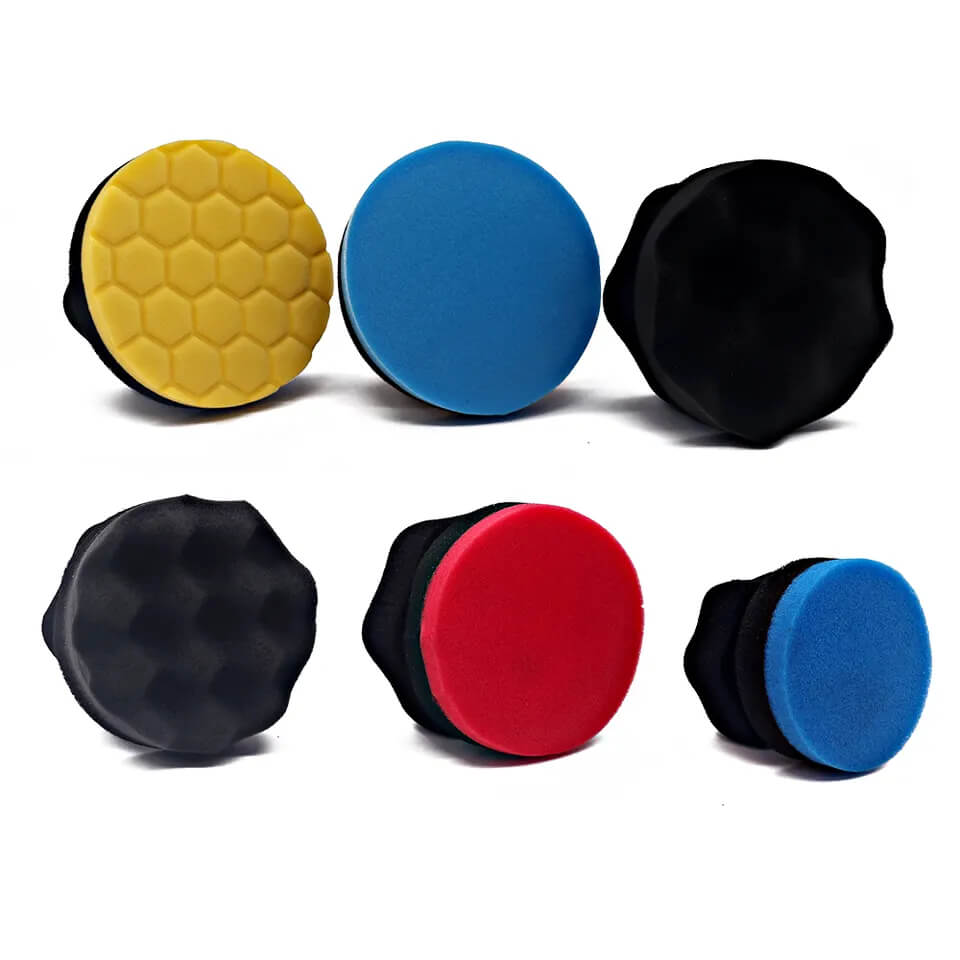
1. Primary Application: The Safe Application of Soap and Suspension of Contaminants
The fundamental purpose of a car wash sponge is to apply shampoo solution and gently lift dirt from the paintwork without causing scratches.
-
Lathering and Lubrication: A high-quality car wash sponge is designed to absorb and hold a significant amount of soapy water. As it is glided over the vehicle's surface, it releases this solution, creating a rich, lubricating layer of foam. This lubrication is critical as it drastically reduces friction. Dirt and grit particles become suspended within this slick, bubbly layer, allowing them to be safely floated away rather than being ground into the clear coat.
-
Mechanical Agitation (Gentle): The soft, porous structure of the sponge provides a gentle mechanical action that helps to dislodge stubborn grime, such as dried-on water spots, light tree sap, or bird droppings that have been pre-soaked. The key is that this agitation is cushioned by the lubricating soap film and the sponge's own pliable nature.
2. The Critical Importance of Sponge Technology and Material in Paint Preservation
Not all sponges are created equal. The evolution from traditional, coarse-pored sponges to advanced materials has defined a key application: mitigating swirl marks and scratches.
-
Traditional vs. Modern Sponges: Old-fashioned, single-cell sponges (like those used for household dishes) are detrimental to car paint. They trap abrasive particles deep within their structure and drag them across the surface, acting like sandpaper. Their primary application in car washing should be none.
-
The Rise of the Chenille Mitt and Microfiber Sponge: Modern car wash "sponges," often in the form of chenille mitts or ultra-soft microfiber sponges, are engineered for safety. Their long, dense fibers or open-cell structure are designed to trap and hold contaminants within the pile, away from the paint surface. This specific application—active contaminant encapsulation—is the single most important function of a modern sponge in preventing cosmetic damage.
-
The "Grit Guard" System: When used in conjunction with a Grit Guard placed at the bottom of a wash bucket, the sponge has another crucial application: decontamination. After wiping a panel, the sponge is rinsed and vigorously rubbed against the Grit Guard's ribs at the bottom of the bucket. This action dislodges the trapped grit from the sponge's fibers, allowing it to settle at the bottom, ensuring the sponge is clean before being dipped back into the soapy water. This two-bucket wash method, centered on the sponge, is the industry standard for safe washing.
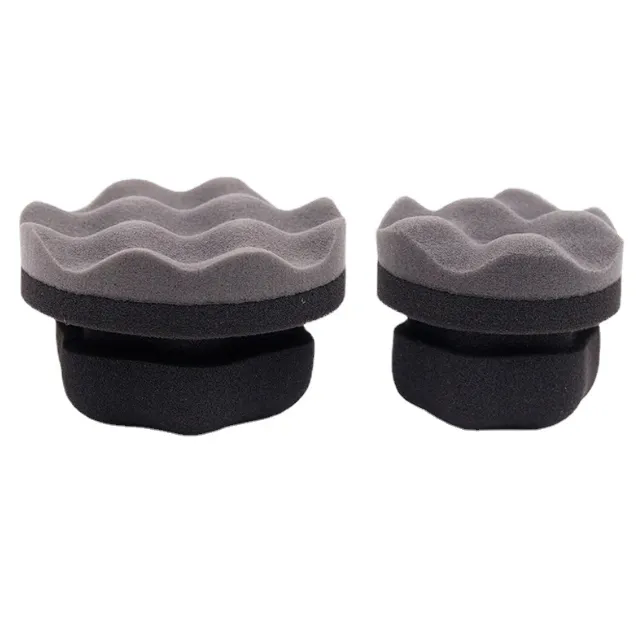
3. Specialized Sponges for Specific Surfaces and Contaminants
The application of a sponge is further refined by its shape, density, and material, making it suitable for different parts of the vehicle and different types of dirt.
-
Porous Clay Sponges (Synthetic Clay Bars): A revolutionary application is the use of specialized, mildly abrasive sponges as a replacement for traditional clay bars. These are used with a lubricant spray to safely decontaminate paintwork by mechanically removing embedded industrial fallout, brake dust, and overspray that normal washing cannot eliminate. They are often more durable and easier to use than traditional clay.
-
Heavy-Duty Sponges for Lower Body Panels and Wheels: Denser, more robust sponges are often reserved for areas with heavier contamination. Their application on wheels, wheel arches, and lower rocker panels is common, as these areas typically accumulate the most brake dust and road grime. It is critical to use a dedicated sponge for this purpose to prevent cross-contaminating the more sensitive painted upper body panels with metallic brake dust particles.
-
Fine-Pored Sponges for Delicate Surfaces: Ultra-soft, fine-pored sponges find their application in cleaning sensitive areas like glass, headlights, and plastic trim. Their uniform surface ensures a streak-free finish on glass and prevents fine scratches on acrylic headlight lenses.
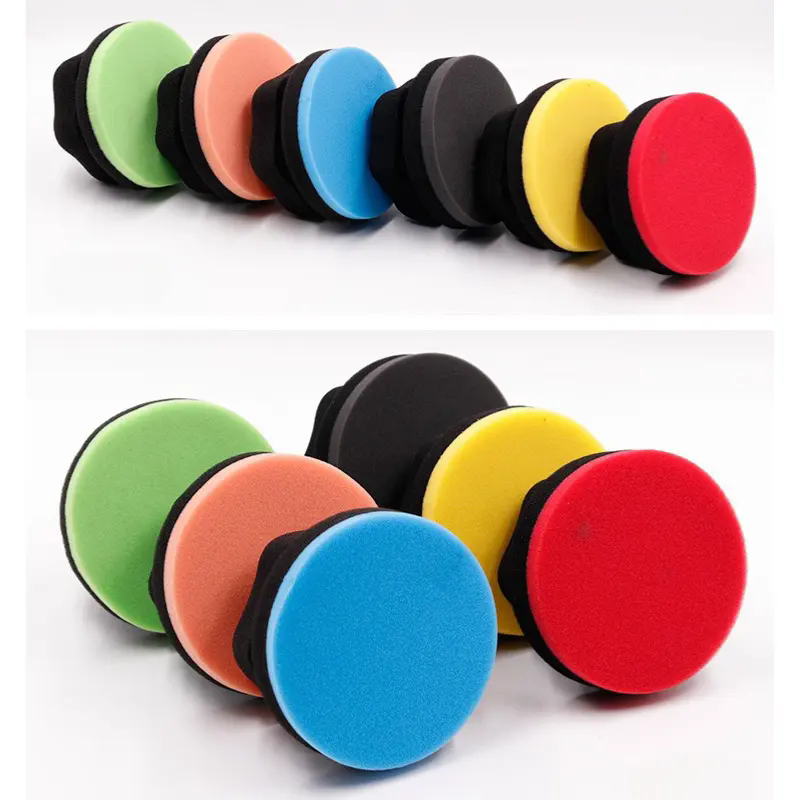
4. Ergonomic and Efficiency Applications
The physical design of the sponge contributes significantly to the washing process's ease and effectiveness.
-
Conformability and Reach: A good sponge is pliable and can easily conform to the complex curves and body lines of a modern car. This ensures consistent contact and cleaning power over the entire surface, from the broad plane of the hood to the intricate grooves of the grille. Ergonomic designs with finger grooves or handle-like shapes reduce hand fatigue and improve control.
-
Absorbency and Drip Control: The sponge's ability to hold a large volume of water means less frequent dipping into the bucket, increasing efficiency. Furthermore, a properly saturated sponge minimizes messy drips, keeping the soap where it is needed—on the car.
In conclusion, the car wash sponge is a deceptively sophisticated tool. Its primary application is not just to clean, but to do so with an unwavering focus on preserving the vehicle's finish. From the advanced contaminant-trapping technology of a microfiber sponge to the targeted decontamination power of a clay sponge, its roles are diverse and critical. Understanding these specific applications empowers the car owner to choose the right sponge and use it correctly, transforming a routine chore into an act of meticulous care that enhances and protects their vehicle's appearance for years to come.