The Striped Yoga Block: A Detailed Analysis of Form and Function
1. Alignment and Precision: The Visual Guide to Proper Form
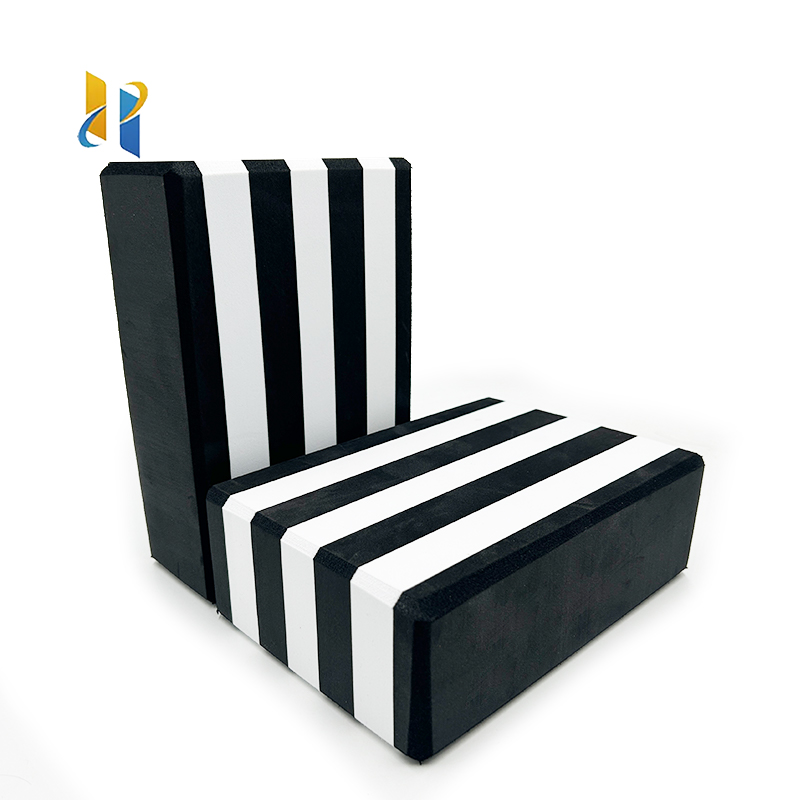
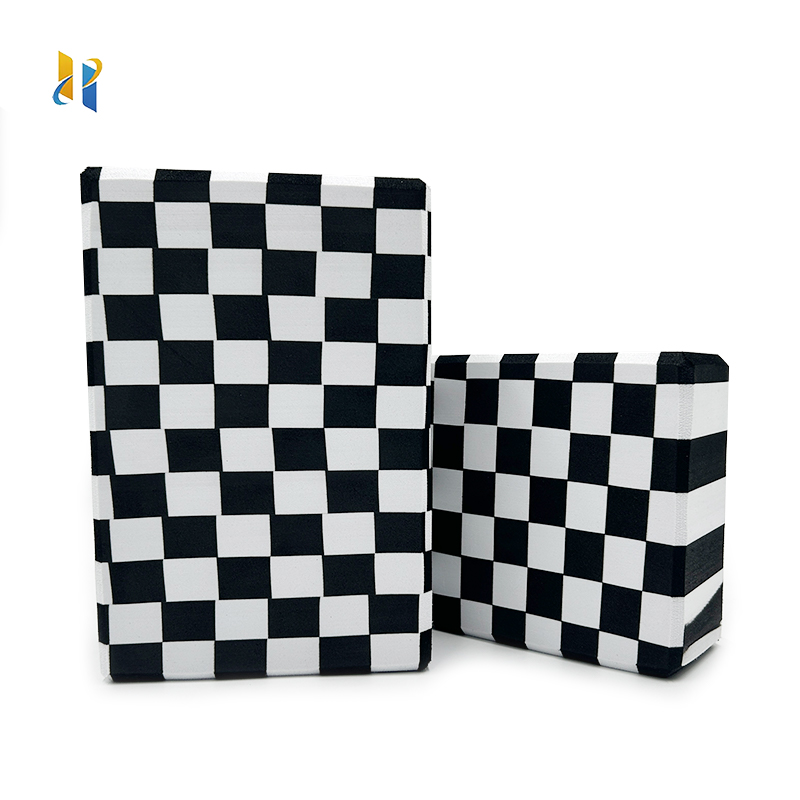
The primary function of a yoga block is to enhance alignment, and stripes are the most effective visual technology for achieving this. They act as built-in guides that help practitioners position their bodies with greater accuracy.
-
Spatial Orientation: A block with stripes running along its longest dimension provides clear directional cues. In a pose like Trikonasana (Triangle Pose), where the hand rests on a block outside the foot, the stripes can be aligned parallel to the front of the mat. This visual line helps the practitioner ensure their torso, hips, and block are all in the same plane, promoting a more open and stable posture. Without this guide, the block can be placed at a subtle angle, compromising the integrity of the pose.
-
Height and Progression Markers: Many striped blocks feature different colors or patterns at each of the three standard heights—low, medium, and high. For instance, a block might have a green stripe on its tallest side, yellow on the medium, and red on the lowest. This color-coding allows for quick, intuitive selection of the appropriate height. A beginner might start with the "green" high setting to ease into a forward fold, while an advanced practitioner can aim to progress to the "yellow" or "red" setting as their flexibility increases. The stripes make this progression tangible and visually trackable.
-
Kinesthetic Awareness: By providing a fixed visual grid, stripes enhance proprioception—the body's ability to sense its position in space. When a practitioner places a specific part of their hand or foot on a particular stripe, they develop a more refined awareness of their grounding and weight distribution. This micro-level attention is crucial for advancing a practice beyond gross muscular movements to finer, more mindful adjustments.

2. Tactile and Visual Feedback: Enhancing the Mind-Body Connection
Beyond static alignment, stripes contribute to the dynamic feedback loop between the body and the tool, engaging both the sense of touch and sight.
-
Grip and Texture: On cork or high-density foam blocks, stripes are often created with a slightly different texture or are recessed/embossed. This provides varied tactile feedback. The smooth areas of the block offer a broad, stable surface, while the textured stripes can provide additional grip points for the fingers or palms, preventing slippage during sweaty practices like Hot Yoga.
-
A Point of Focus (Drishti): In balancing poses, a steady gaze is essential. The clean, linear pattern of stripes offers an excellent, non-distracting drishti point. A practitioner in Vrksasana (Tree Pose) can fix their gaze on a specific stripe on their block, which helps to steady the mind and maintain balance far more effectively than a blank, featureless surface.
-
Feedback on Compression: In restorative poses where the block is used for support, such as under the sacrum or thoracic spine, the stripes can visually indicate how the body is compressing the block. An even distribution of compression will be visible, whereas uneven compression might cause the stripes to warp or bend, signaling to the practitioner to adjust their position for optimal support and safety.

3. Psychological and Energetic Impact: The Subtle Influence of Pattern
The design of a yoga tool can significantly influence the mental and energetic state of the practitioner. Stripes, with their inherent visual properties, carry a distinct psychological weight.
-
Order and Clarity: The geometric precision of stripes subconsciously communicates order, structure, and clarity. In a practice that can sometimes feel chaotic or challenging, the block provides a sense of reliability and method. This can be calming for an anxious mind, offering a visual anchor that mirrors the mental discipline of yoga.
-
Energetic Channels (Nadis): From a yogic energy perspective, the body contains channels called nadis. The three most prominent are Ida, Pingala, and Sushumna, which are often visualized as parallel, vertical channels. The linear, parallel nature of stripes on a block can serve as a physical metaphor for these energetic pathways. Using a striped block can subtly reinforce the intention of balancing and aligning one's internal energy during practice.
-
Stimulation vs. Serenity: The character of the stripes matters. Thin, subtle pinstripes promote a sense of serenity and minimalism. In contrast, bold, high-contrast stripes (like those on a Manduka block) are energetic and dynamic, potentially invigorating a powerful Vinyasa or Ashtanga practice. The choice of pattern can thus be matched to the style of yoga or the desired mood of the session.

4. Branding and Aesthetic Identity: The Block as a Statement
In a crowded market, aesthetics are a powerful differentiator. The striped pattern has become a key element of brand identity for several major yoga equipment manufacturers.
-
Instant Recognition: Brands like Manduka have made the striped yoga block an icon. Their distinctive, bold black-and-grey stripes are instantly recognizable, signaling quality, durability, and a certain aesthetic. This transforms the block from a generic prop into a branded accessory that practitioners choose as part of their yoga identity.
-
Studio Aesthetics: For yoga studios, uniformity in props creates a professional and cohesive look. A set of matching striped blocks conveys attention to detail and a curated environment. The pattern adds a layer of design sophistication that plain blocks lack, contributing to the overall ambiance of the space.
-
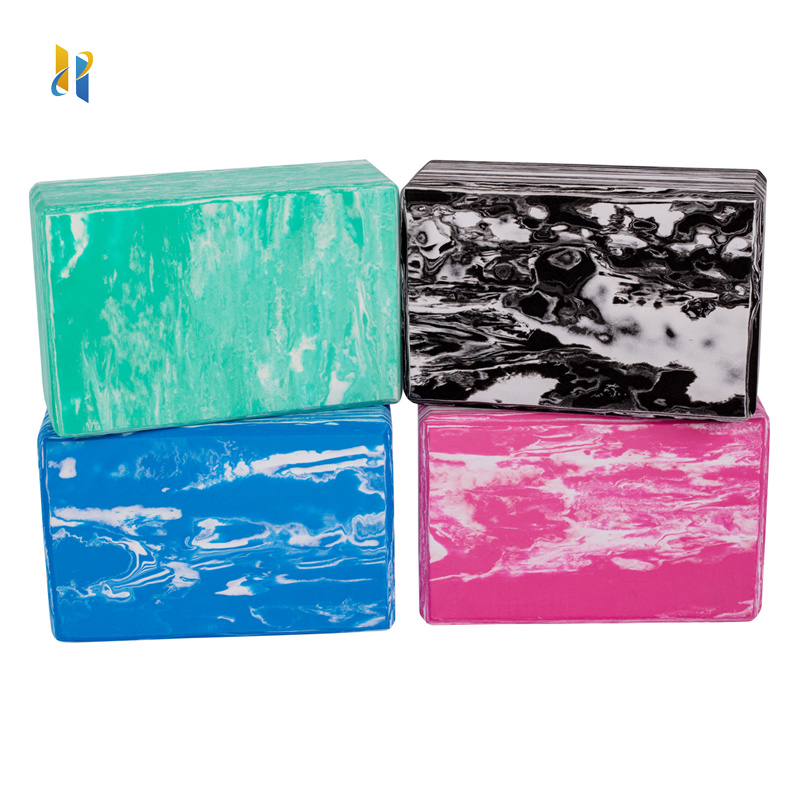
Personal Expression: Finally, practitioners often enjoy expressing their personal style through their gear. Striped blocks are available in a vast array of colors, from calming pastels to vibrant neons. This allows an individual to choose a block that not only supports their practice functionally but also resonates with their personal taste and energizes their practice visually.
In conclusion, the stripes on a yoga block are a masterclass in thoughtful design. They are a fusion of utility and artistry, providing critical alignment guidance, enhancing sensory feedback, influencing psychological states, and serving as a marker of brand and personal identity. Far from being a simple decoration, the striped pattern is an integral feature that elevates the humble yoga block into an essential and sophisticated partner on the mat.
The Multifaceted Role of Yoga Blocks in Yoga Practice
The Multifunctional Role of Yoga Blocks in Practice
Related Article