Animal Print Children's Pool Floats: A Comprehensive Analysis
1. Psychological Appeal and Imagination Stimulation
The primary success factor of these floats lies in their direct appeal to a child's psyche.
-
Familiarity and Comfort: Young children are naturally drawn to animals. From beloved storybook characters to stuffed toys, animals are a fundamental part of their world. A float in the shape of a smiling whale, a majestic unicorn, or a friendly shark provides an immediate point of familiarity in the potentially intimidating environment of water. This familiarity transforms the float from a safety device into a trusted companion, reducing anxiety and making water play more inviting.
-
Fuel for Imaginative Play: Unlike a simple rectangular raft, an animal-shaped float is a catalyst for storytelling and role-playing. A child isn't just floating; they are "riding" a dolphin across the ocean, "flying" on a magical pegasus, or "commanding" a fierce crocodile. This open-ended play is crucial for cognitive development, encouraging creativity, narrative thinking, and social interaction as children invent scenarios with their peers.
-
The "Cute Factor" and Emotional Connection: The design of these floats often employs the scientific principle of "kindchenschema" or baby schema—features like large eyes, rounded shapes, and friendly expressions that trigger a nurturing response. This makes the float not just a toy, but a cherished object of affection, increasing its desirability and the child's attachment to it.

2. Developmental and Safety Benefits
Beyond entertainment, these floats serve critical developmental and safety functions.
-
Encouraging Water Confidence and Physical Activity: For many children, the initial hesitation towards water can be a significant barrier. An enticing animal float acts as a powerful motivator to get into the pool. This engagement promotes crucial physical activity, helping to develop gross motor skills, coordination, and overall fitness in a fun, low-impact setting. The float provides a secure base from which they can kick, splash, and gradually build the confidence to explore the water independently.
-
Safety Through Design (with Important Caveats): Modern animal floats are typically designed with safety as a priority. Many feature a secure, ergonomic seat that prevents the child from easily slipping through, multiple air chambers to prevent rapid deflation, and sturdy handles for a firm grip. However, it is paramount to emphasize that no floatation device is a substitute for vigilant adult supervision. They are "water toys" or "swimming aids," not life-saving devices. Parents must always be within arm's reach of a child in or near water.
-
Sensory Integration: The pool environment is a rich sensory experience. The tactile feel of the wet vinyl, the visual stimulation of the bright prints, the sound of splashing, and the vestibular input from rocking on the float all contribute to a child's sensory integration, which is vital for neurological development.
3. Design, Marketing, and Commercial Success
The proliferation of animal prints is no accident; it is a result of strategic design and marketing.
-
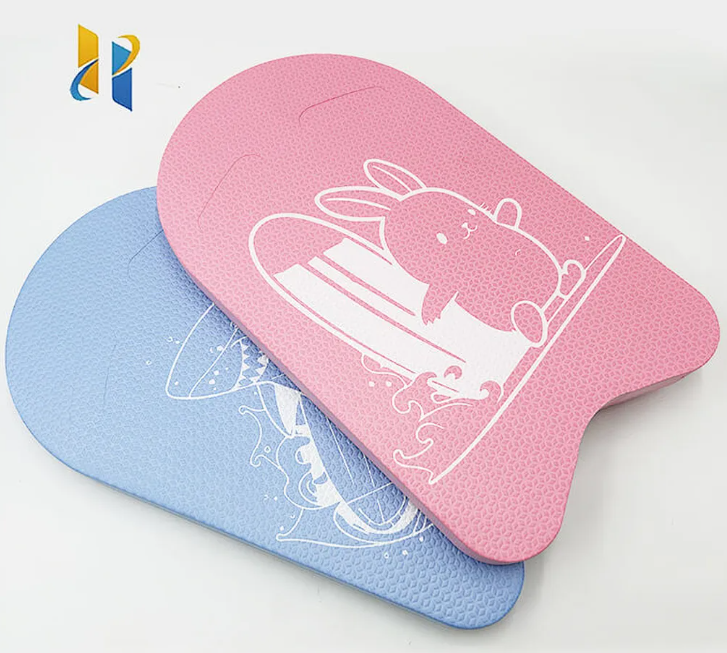
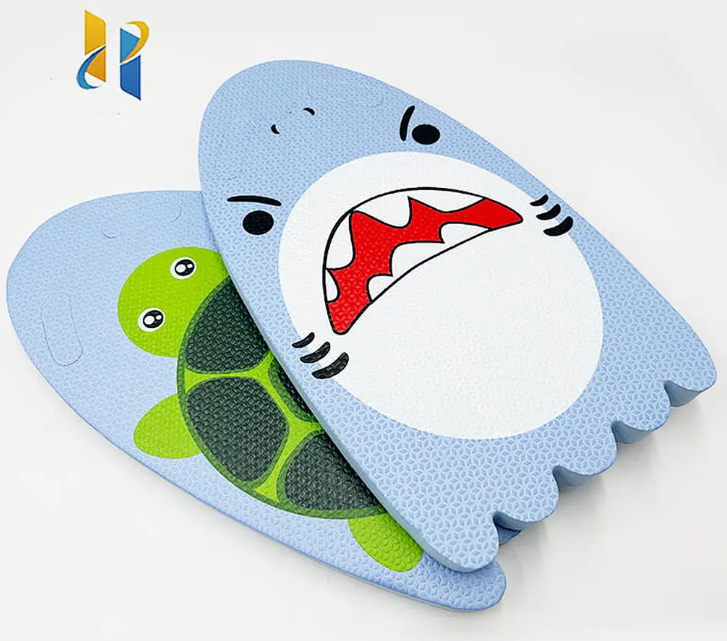
Aesthetic Versatility and Broad Appeal: The animal print theme offers endless variety. Manufacturers can tap into countless animal species, mythical creatures (like dragons and unicorns), and a vast spectrum of colors. This allows them to cater to diverse preferences, from jungle themes to under-the-sea adventures, and for different gender markets if so desired. The vibrant, high-contrast colors are visually stimulating for children and make for attractive product photography.
-
Social Media and "Instagrammability": In the digital age, the visual appeal of these products extends beyond the pool. A brightly colored flamingo or a majestic unicorn float is inherently photogenic. Parents are often drawn to products that create charming photo opportunities for social media, effectively turning the product into a status symbol and a tool for family branding. This user-generated content provides free and highly effective marketing for manufacturers.
-
Durability and Practical Considerations: From a production standpoint, these floats are designed for mass consumption. They are typically made from durable PVC or vinyl, are lightweight for easy transport, and can be deflated for compact storage—a significant practical advantage for families with limited space. The manufacturing process, while involving complex molds for shapes, is streamlined to keep costs accessible for a wide consumer base.
4. Parental Considerations and Choosing the Right Float
For parents, selecting an animal print float involves several practical decisions.
-
Age and Size Appropriateness: It is crucial to match the float to the child's age, weight, and swimming ability. A float designed for a toddler will have a full seat with leg holes and a secure backrest, whereas one for an older child might be a simple ring or mat-style float. Always adhering to the manufacturer's weight and age guidelines is essential for safety.
-
Quality and Safety Standards: Parents should look for products from reputable brands that meet international safety standards (like CE or ASTM marks). This ensures the materials are free from harmful phthalates and that the construction is robust. Checking for reinforced seams and quality valves can prevent mid-play deflation accidents.
-
Balancing Fun with Safety: The ultimate responsibility lies with the parent. The float should be viewed as a tool to enhance a supervised water play experience. Establishing and enforcing pool rules, such as no standing on the float and always wearing the float properly, ensures that the fun remains safe.
In conclusion, the animal print children's pool float is a deceptively simple product whose success is built on a powerful foundation. It masterfully taps into a child's imagination to encourage water play and physical development, while its appealing design and photogenic nature drive its commercial popularity. For parents, it offers a practical and engaging aid, provided it is used as part of a responsible and attentive approach to water safety.
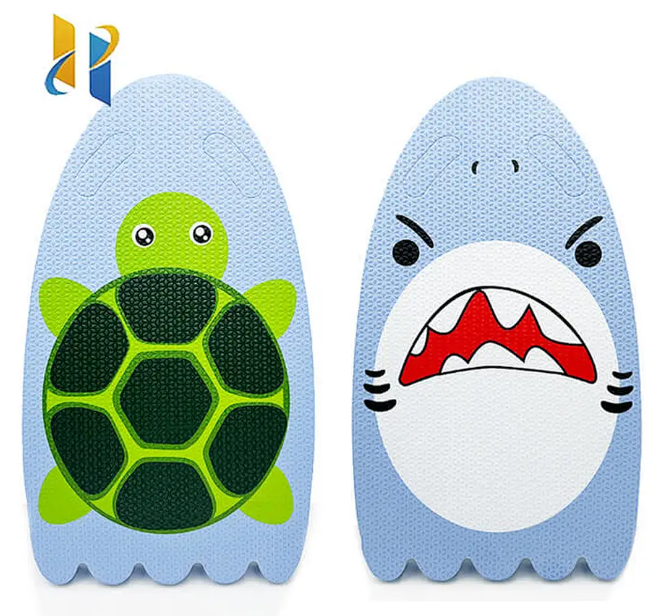
The Thigh Board: A Specialized Tool in Swim Pedagogy and Training
EVA Foam Swimming Kickboard: Your Essential Training Partner
Related Article