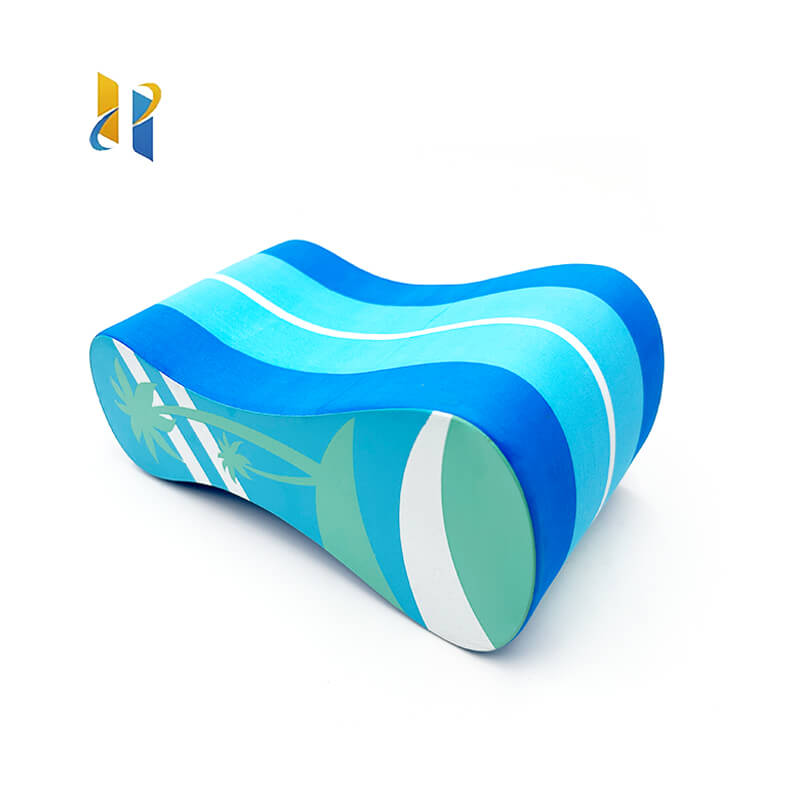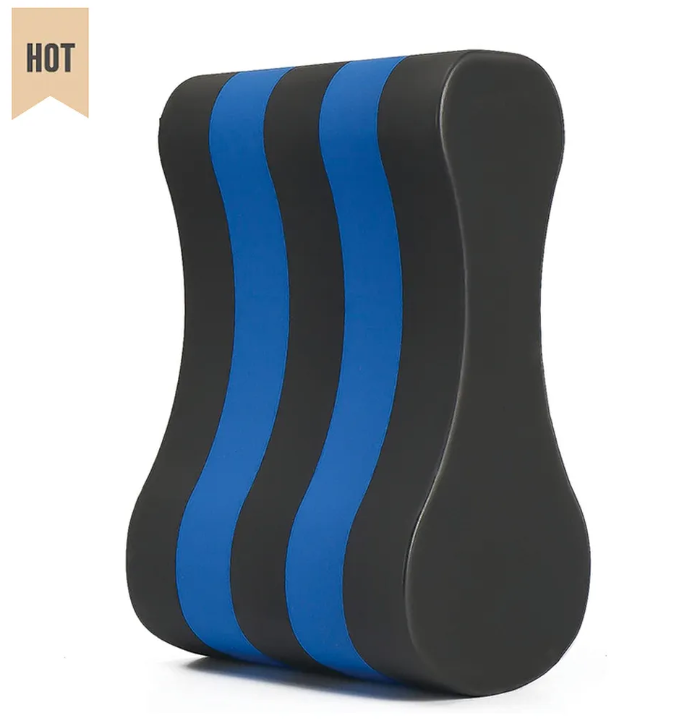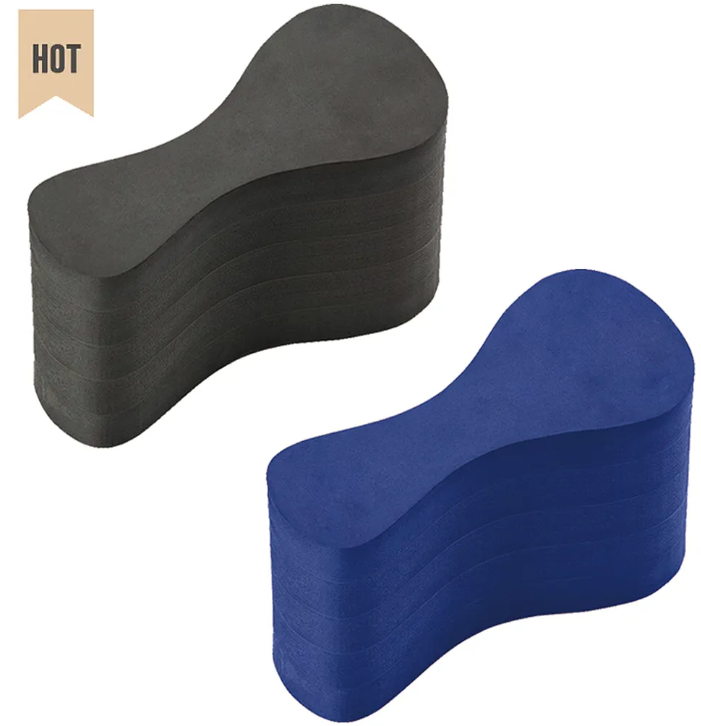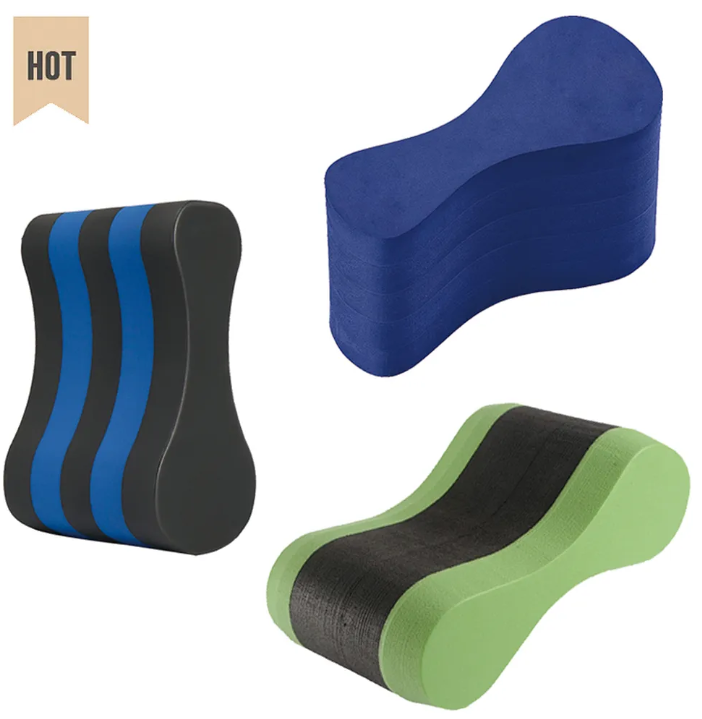
The Thigh Board: A Specialized Tool in Swim Pedagogy and Training
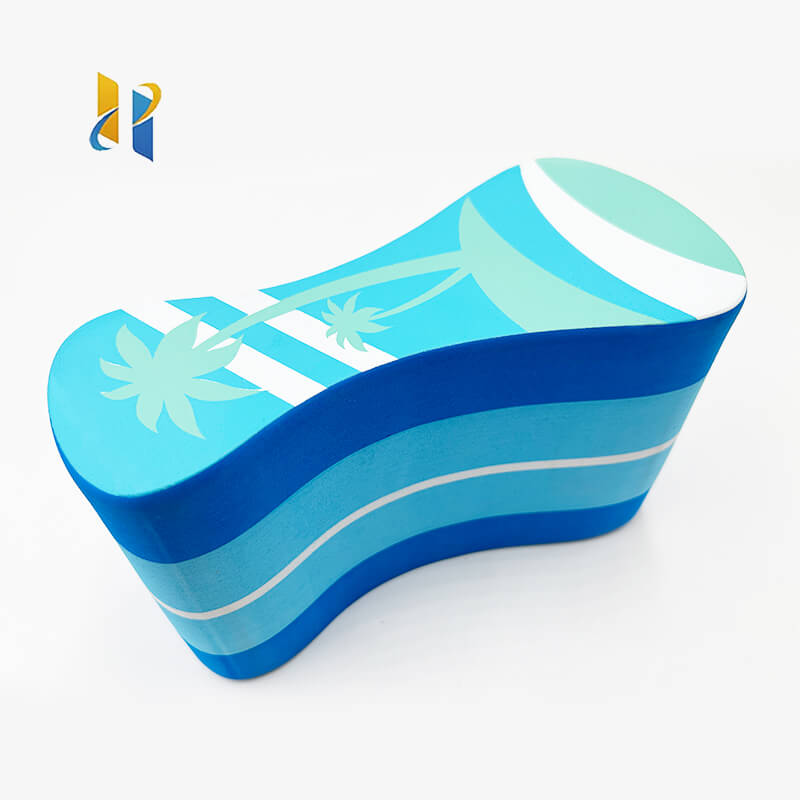
1. The Foundation of Hydrodynamics: Enforcing Proper Body Position
The most fundamental benefit of the thigh board is its non-negotiable enforcement of a horizontal and streamlined body position in the water. A swimmer's speed and efficiency are directly linked to their ability to reduce drag, which is achieved by maintaining a flat, high-hip posture.
-
Eliminating Leg Sink: A common flaw, especially among beginners, is allowing the legs and hips to sink. This creates immense frontal drag, turning the body into an anchor. By providing buoyancy specifically at the hips and thighs, the board physically prevents this sinking. It forces the swimmer's torso to ride higher in the water, creating a feeling of "swimming downhill" which is the ideal hydrodynamic profile.
-
Core Engagement and Stability: Keeping the board clamped firmly between the thighs requires constant, low-level engagement of the core, glute, and hip adductor muscles. This is not a passive exercise. The swimmer must actively squeeze to maintain possession of the board, which simultaneously stabilizes the entire lower body. This prevents the lateral swaying of the hips (often called "fish-tailing") that can occur during freestyle and butterfly, ensuring that the power from the kick is translated directly into forward propulsion rather than wasted on lateral movement.

2. Isolating and Strengthening the Propulsive Kick
By immobilizing the hands—which are typically placed on top of the board, together in a streamlined position or resting at the sides—the thigh board forces all propulsion to be generated by the legs. This isolation is crucial for technical and physiological development.
-
Technical Refinement: Without the option to pull with the arms, the swimmer must focus entirely on the mechanics of the kick. For flutter kick, this means ensuring the motion originates from the hips with relatively straight legs, rather than a inefficient, energy-sapping bicycle kick from the knees. For dolphin kick, it emphasizes the coordinated, wave-like undulation from the core through to the toes. The thigh board provides immediate feedback; a poor kick will result in very little forward movement, compelling the swimmer to find a more effective technique.
-
Building Power and Endurance: Kicking with only the legs is physiologically demanding, as the large muscle groups of the legs consume significant oxygen. Sets performed with a thigh board are therefore excellent for building both muscular and cardiovascular endurance in the leg muscles. This translates directly to race performance, where a strong kick is essential for maintaining speed, especially in the final stages when the arms are fatigued. It builds the specific strength needed for a powerful, sixth-beat kick in freestyle or a relentless dolphin kick under the surface.
3. The Diagnostic and Corrective Tool
Beyond its training benefits, the thigh board serves as an invaluable diagnostic tool for coaches and a source of kinesthetic feedback for swimmers.
-
Identifying Asymmetries and Flaws: A coach can easily observe a swimmer's kick from the pool deck. With a thigh board, any technical flaw becomes magnified. A scissor kick, crossed ankles, or a dominant leg will be immediately visible in the swimmer's path and the resulting turbulence. The board acts as a stabilizer, making it easier to spot these inconsistencies than when the arms are involved in a full stroke.
-
Providing Kinesthetic Feedback: The physical sensation of the board between the thighs gives the swimmer direct feedback on their body position. If the core disengages and the legs drop, the board may slip out or the hips will feel lower in the water. This constant physical cue helps swimmers develop a better "feel for the water" and a more refined sense of their own body alignment, which they can then carry over into their full stroke swimming.

4. Application in Competitive Strokes and Drills
The use of the thigh board is not limited to freestyle. It has specific, high-value applications across multiple disciplines.
-
Butterfly and Breaststroke: In butterfly, the thigh board is instrumental in drilling the correct, simultaneous dolphin kick while preventing an independent, scissoring leg action. For breaststroke, while the kick is different, the board can be used for conditioning and to reinforce a streamlined glide after the kick, though its primary use remains with the dolphin and flutter kicks.
-
Underwater Dolphin Kicking: In modern competitive swimming, the underwater dolphin kick following a start or turn is a critical race segment. Thigh board drills are one of the best ways to develop power, speed, and breath control for this specific skill, as it perfectly simulates the body position and isolated leg drive required.

In conclusion, the thigh swimming board is far more than a simple flotation aid. It is a sophisticated piece of training equipment that addresses the core principles of efficient swimming: optimal body position, a powerful and technically sound kick, and core stability. By isolating the lower body and providing immediate physical feedback, it accelerates skill acquisition, builds essential strength, and allows for precise technical diagnosis. For any swimmer seeking to move beyond mere flotation and toward refined, competitive technique, the thigh board is an indispensable tool in the aquatic training arsenal.
The Application of Kickboards in the Learning-to-Swim Process: A Point-by-Point Analysis
Animal Print Children's Pool Floats: A Comprehensive Analysis
Related Article