The Application of Kickboards in the Learning-to-Swim Process: A Point-by-Point Analysis
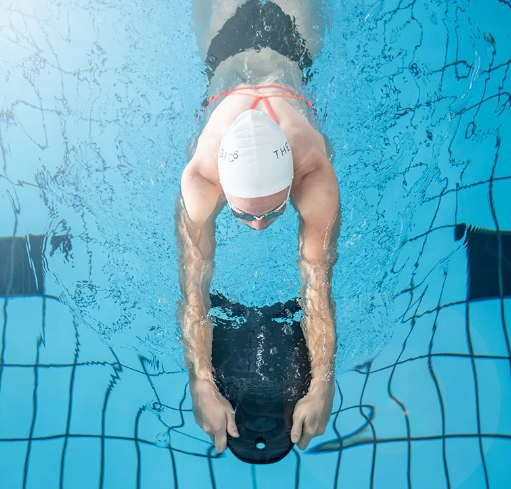
1. Foundational Skill Isolation: Building Competence Step-by-Step
The primary strength of a kickboard is its ability to isolate specific components of the swimming stroke, allowing the learner to master them individually without the cognitive overload of coordinating everything at once.
-
Focus on Leg Action: For a novice, the simultaneous tasks of breathing, arm movement, and kicking can be overwhelming. The kickboard allows the swimmer to grip the front of the board with their arms extended, freeing their mind and body to concentrate entirely on developing an effective flutter kick. This isolation is crucial for building the necessary leg strength, ankle flexibility, and muscular endurance.
-
Development of Propulsion: A proper kick is not just an accessory; it provides stability and a significant portion of forward propulsion, especially in strokes like the freestyle and backstroke. By practicing with a kickboard, learners can feel the direct correlation between their kick technique and their movement through the water. They learn that a kick originating from the hips, with relaxed ankles and slight knee bend, is far more effective than a frantic, churning motion from the knees.
-
Introduction to Body Position: The kickboard actively helps in training the body to assume a horizontal, streamlined position. By resting their upper body on the board and extending their arms, beginners experience what it feels like to have their hips and legs riding high in the water, reducing drag. This is a fundamental sensation that is difficult to achieve without support in the early stages.
2. Confidence and Water Familiarization: Overcoming Psychological Barriers
For many, the fear of sinking or being unable to breathe is the biggest hurdle. The kickboard serves as a reliable psychological aid.
-
A Secure "Lifeline": The buoyancy of the kickboard provides a tangible point of security. Knowing they have something to hold onto reduces anxiety, allowing the learner to relax. A relaxed swimmer is more receptive to instruction and more likely to develop a feel for the water.
-
Mastery of Breathing: Once a basic kick is established, the kickboard becomes an excellent tool for practicing rhythmic breathing. The swimmer can kick with their head down, exhaling bubbles into the water, and then turn their head to the side to inhale, all while maintaining a stable base with the board. This drills the essential breathing pattern of freestyle in a controlled, low-stress environment before integrating arm movements.
-
Gradual Independence: The kickboard facilitates a gradual transition from total dependence to independence. Instructors can start by having the learner hold the board firmly, then progress to holding it with fingertips, and eventually practicing kicks without the board for short distances. This step-down approach builds self-assurance methodically.

3. Stroke-Specific Technique Development
While most associated with freestyle, the kickboard is versatile and can be adapted to teach elements of other strokes.
-
Freestyle and Backstroke: As mentioned, it is the primary tool for developing the flutter kick. For backstroke, the learner can hold the kickboard against their chest or thighs, allowing them to focus on the upward-driven kick while maintaining a back-float position.
-
Breaststroke and Butterfly: For the breaststroke whip kick and the dolphin kick, the kickboard is used with caution. It can be held out in front to practice the kick, but instructors must ensure it does not promote poor upper body posture. A common drill is to perform a dolphin kick while holding the board vertically underwater, which emphasizes core engagement. For breaststroke, it helps isolate the unique, powerful motion of the kick.
4. Building Physical Conditioning and Endurance
Beyond technique, the kickboard is an invaluable tool for physical training.
-
Targeted Muscle Development: Kickboard sets specifically target the leg muscles, glutes, and core. Regular practice builds the muscular endurance required to maintain a strong kick throughout a full-length swim, preventing the legs from fatiguing and sinking.
-
Cardiovascular Fitness: Sustained kicking, even with support, is a demanding cardiovascular exercise. It improves a swimmer's aerobic capacity, which is essential for swimming longer distances efficiently.

5. Limitations and Proper Usage
It is crucial to recognize the limitations of a kickboard to use it effectively.
-
Potential for Poor Habit Formation: Over-reliance or incorrect use can lead to bad habits. Gripping the board too tightly can cause the swimmer to lift their head and sink their hips. It can also promote a stiff, rigid upper body. Therefore, its use should be balanced with drills without equipment.
-
A Tool, Not a Crutch: The ultimate goal is to wean the swimmer off the kickboard. It should be used as a temporary aid to develop specific skills, not as a permanent crutch. A well-structured learning program will progressively integrate drills where the kickboard is used intermittently (e.g., kickboard for one length, then swimming without it for the next).
In conclusion, the humble kickboard is a cornerstone of swim pedagogy. Its multifaceted application—from isolating the kick and building confidence to developing stroke-specific techniques and physical conditioning—makes it indispensable. When used thoughtfully and progressively under guidance, it efficiently bridges the gap between a fearful beginner and a competent, confident swimmer, laying the technical and psychological groundwork for a lifetime of safe and enjoyable swimming.
Buoyant Beginnings: The Multifaceted Role of Flotation Boards in Children's Swimming Education
The Thigh Board: A Specialized Tool in Swim Pedagogy and Training
Related Article