EVA Alphabet Interlocking Floor Mats: A Comprehensive Analysis
1. Fundamental Composition and Manufacturing Process
-
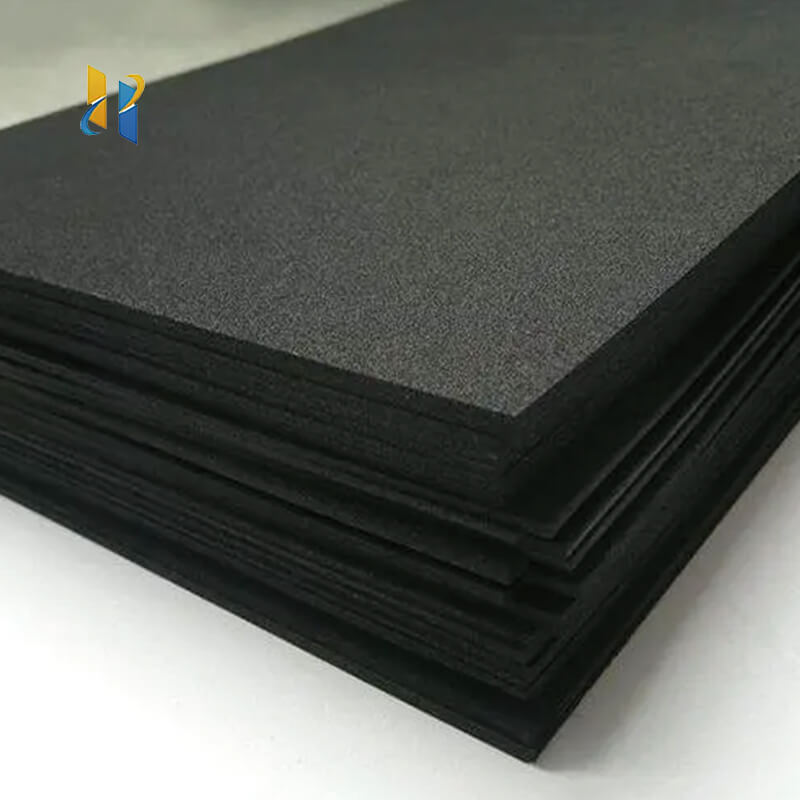
Material Science Basis: EVA (Ethylene-Vinyl Acetate) is a copolymer known for its exceptional flexibility, resilience, and non-toxic properties. The material is closed-cell, meaning it does not absorb water or moisture, making it inherently mold and mildew resistant.
-
Production Technique: The manufacturing primarily involves an injection molding process. Pre-colored EVA foam granules are heated and injected under high pressure into precisely crafted molds. This process creates the individual tiles with consistent texture, detailed lettering, and interlocking mechanisms.
-
Material Safety: High-quality EVA is certified to be free from harmful substances like BPA, phthalates, and formaldehyde. It is often compliant with stringent international toy safety standards such as ASTM F963 (USA) and EN71 (EU), ensuring it is safe for children's direct contact.

2. Primary and Secondary Functions and Applications
-
Core Educational Function:
-
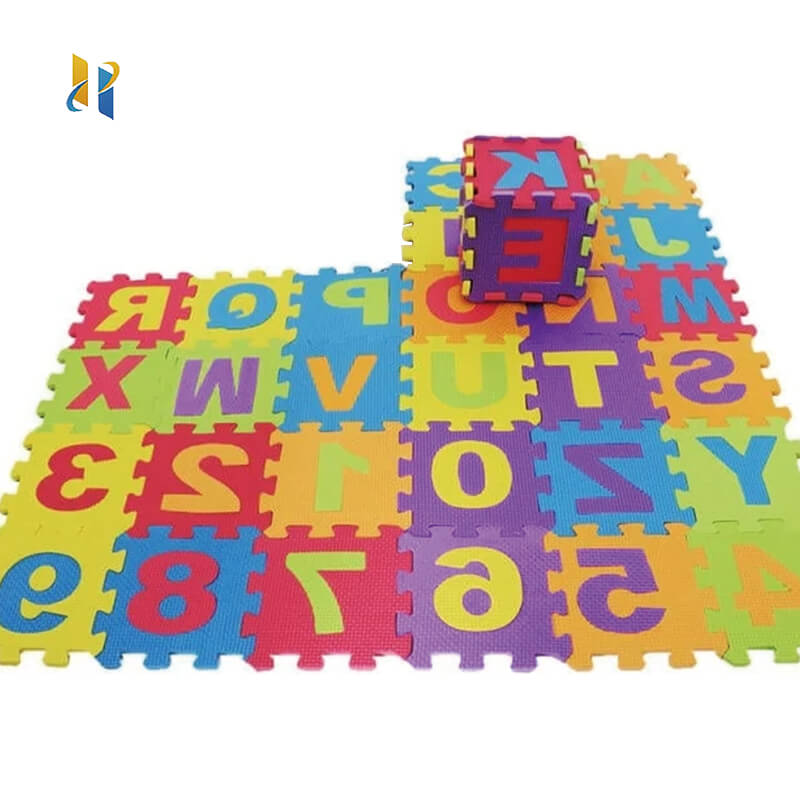
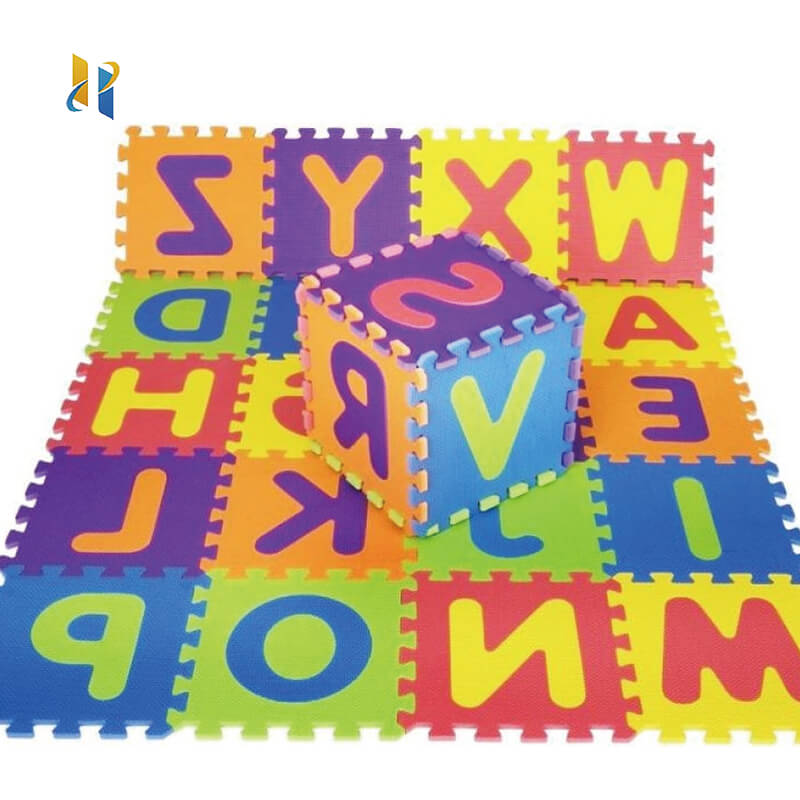
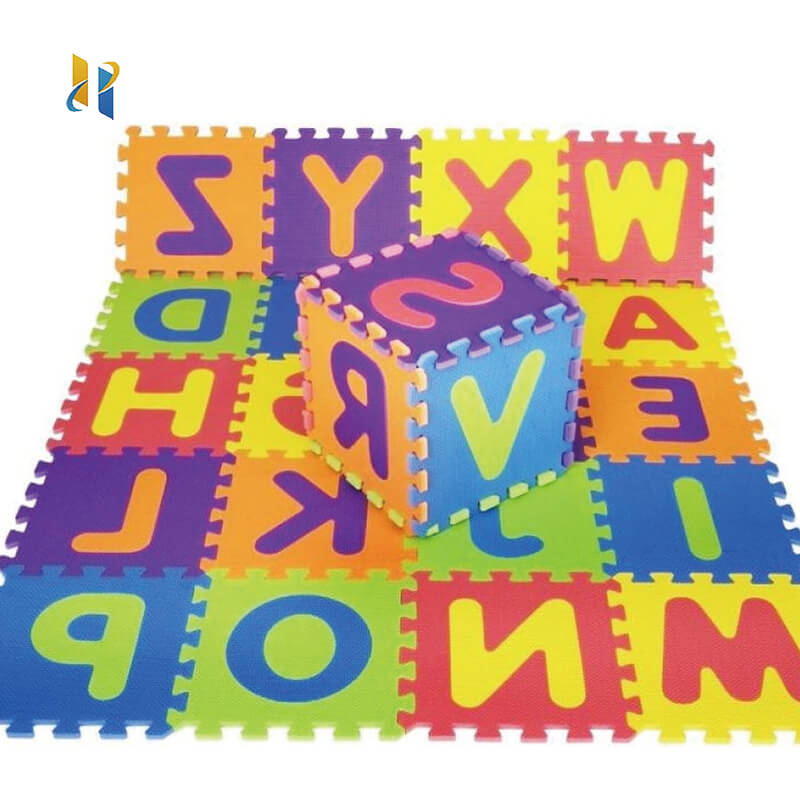
Literacy Foundation: The mats serve as a tactile and visual tool for teaching letter recognition, phonics, and the basics of spelling. Children can physically interact with the letters, arranging them to form their names, simple words, and eventually sentences.
-
Color and Pattern Recognition: The vibrant, distinct colors for each letter aid in teaching color names and differentiation.
-
-
Developmental Benefits:
-
Cognitive Development: Activities like sorting letters, finding specific ones, or creating words stimulate memory, problem-solving, and logical thinking.
-
Gross Motor Skills: The cushioned surface is ideal for safe crawling, tummy time, and early walking. It provides a stable yet forgiving area for practicing movement without the risk of injury from hard floors.
-
Fine Motor Skills: The act of picking up, placing, and interlocking the individual tiles strengthens hand muscles and improves hand-eye coordination.
-
-
Versatile Utility:
-
Protective Play Surface: The primary function is to create a safe, soft, and insulated play area in nurseries, playrooms, classrooms, or basements.
-
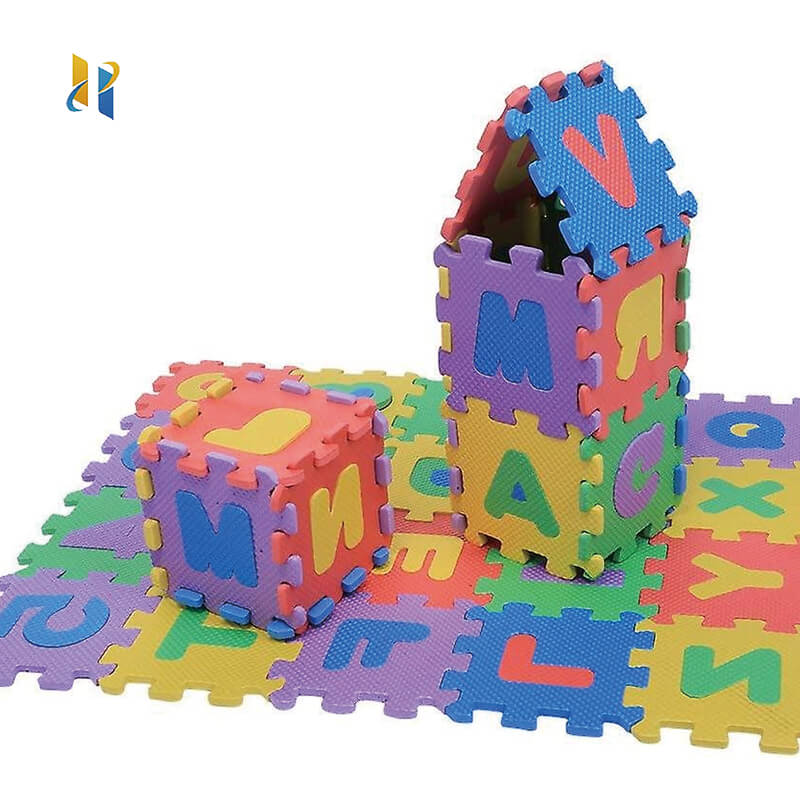
Creative and Imaginative Play: Beyond letters, the uniform tiles can be used as building blocks for fortresses, roads for toy cars, or imaginative landscapes.
-
Multipurpose Home Use: Their utility extends to home gyms as a protective layer for exercise, as a comfortable standing mat in workshops, or as temporary flooring for events.
-
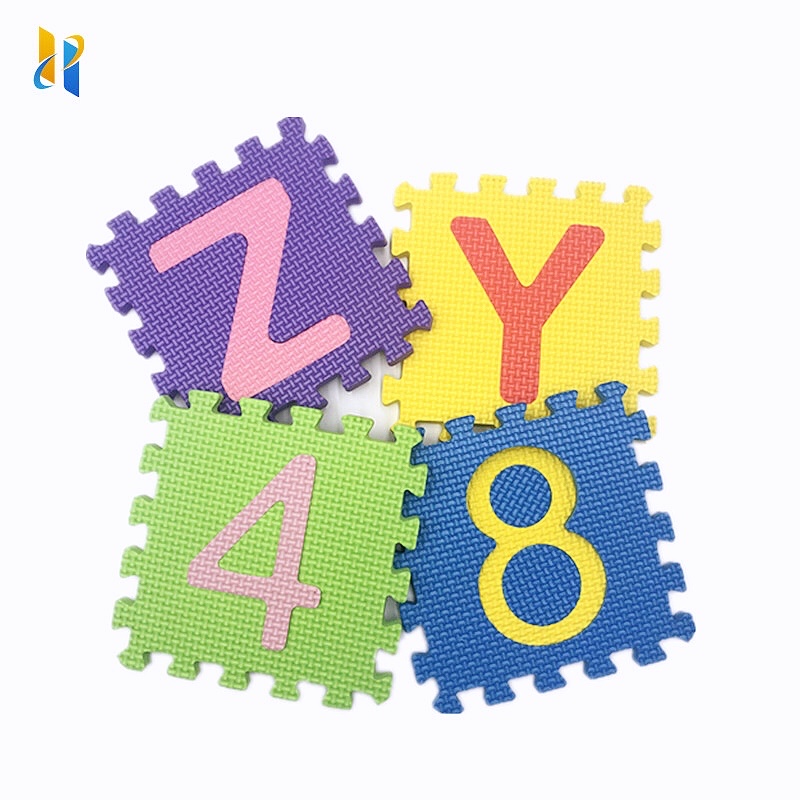
3. Design, Features, and User Experience
-
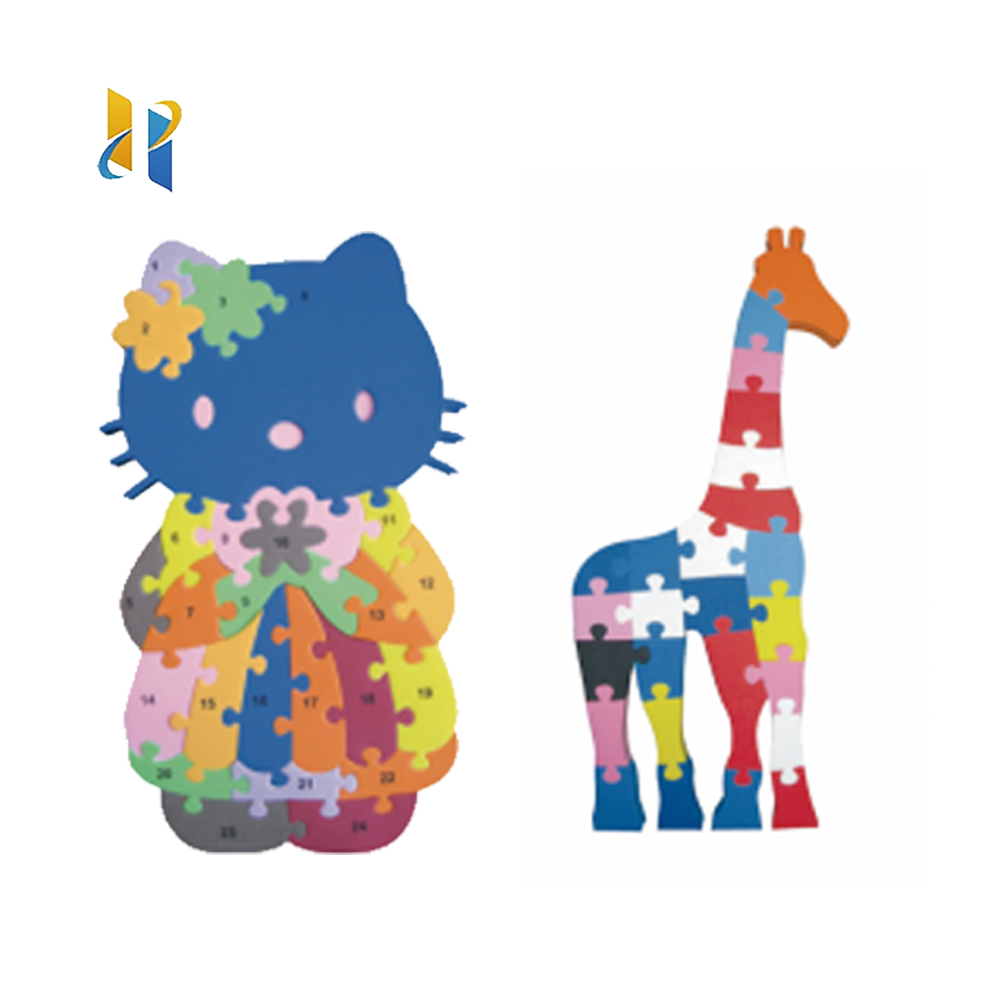
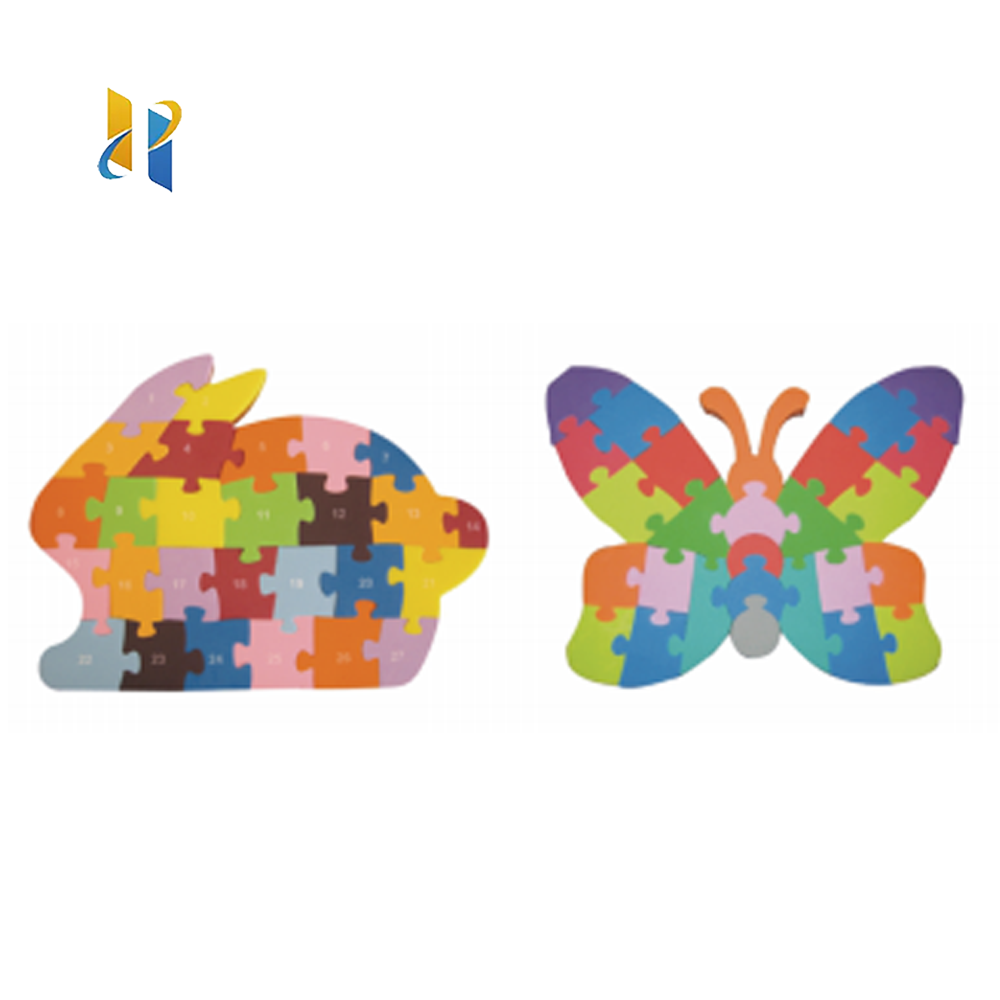
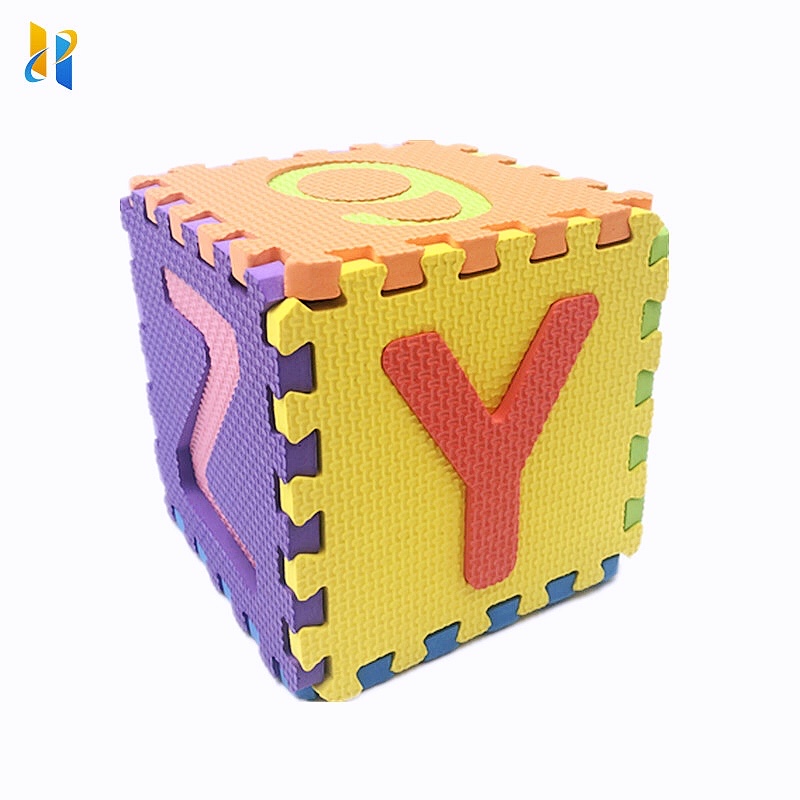
Modular and Customizable Design: The interlocking system, typically a puzzle-piece edge, allows users to create a floor covering of any size or shape. This modularity means the play area can grow with the child's needs or be configured to fit irregular room layouts.
-
Ergonomic and Sensory Features:
-
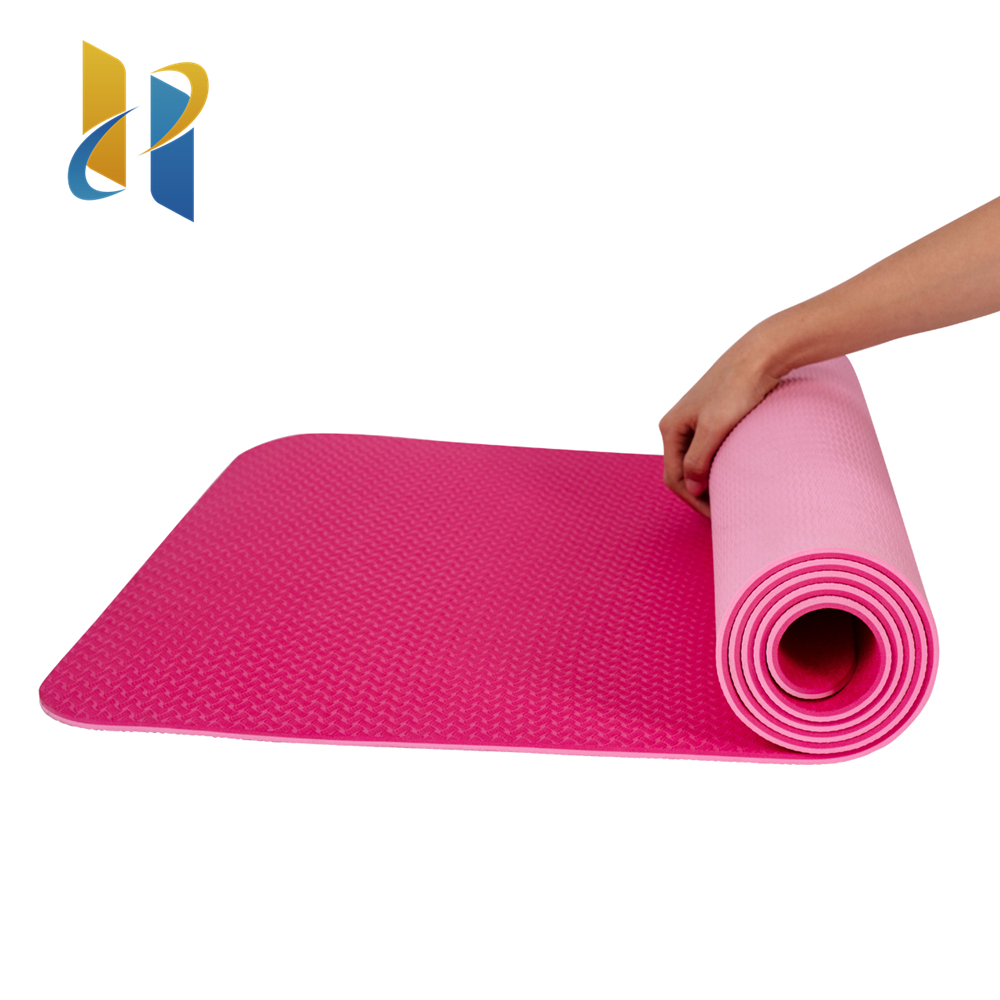
Textured Surface: Many mats feature a subtle texture that provides anti-slip properties, preventing children from slipping during play. This texture also offers a valuable sensory input.
-
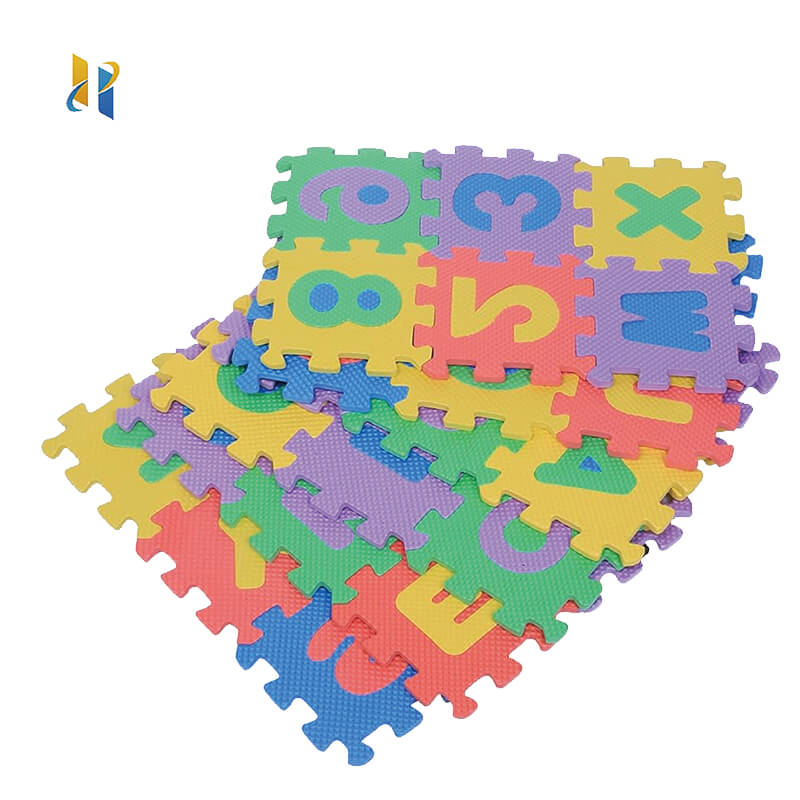
Ease of Assembly and Storage: The tiles are lightweight and easy for an adult to assemble or disassemble. When not in use, they can be stacked neatly, requiring minimal storage space.
-
-
Aesthetic and Functional Maintenance:
-
Aesthetic Appeal: Available in a wide spectrum of colors and often with accompanying number tiles, these mats can be designed to be visually stimulating for a child or to complement a room's decor.
-
Hygiene and Cleaning: The non-porous surface can be easily cleaned with a damp cloth, mild soap, and water. For deeper sanitation, the tiles can be disassembled and wiped down individually.
-
4. Critical Considerations for Selection and Use
-
Quality and Safety Disparities: Not all EVA mats are created equal. Low-cost, off-brand products may have a strong, unpleasant odor upon unboxing and could potentially contain formamide, a blowing agent used in manufacturing that is a concern in some regions. It is crucial to source mats from reputable manufacturers that provide material safety certifications.
-
Mitigation Strategy: Allowing new mats to air out in a well-ventilated area for 24-48 hours before use is a recommended practice, regardless of brand.
-
-
Durability and Long-Term Use: While durable, EVA foam can be susceptible to damage from sharp objects or pet claws. Prolonged direct sunlight can cause fading over time. The interlocking edges, if frequently disassembled, may eventually show signs of wear and become less secure.
-
Educational Limitations: While excellent for introductory literacy, the educational value is dependent on adult guidance and interaction. Without engagement, the mats may simply become a passive play surface. The random arrangement of letters is less systematic than a structured curriculum.
5. Conclusion: A Synthesis of Value and Practicality
In conclusion, EVA alphabet mats represent a remarkably successful fusion of practicality, safety, and educational value. They are more than just floor coverings; they are dynamic, multi-sensory learning environments. Their design directly supports critical early childhood developmental stages, from physical mobility to cognitive and linguistic acquisition. While consumers must exercise diligence in selecting high-quality, certified products to ensure absolute safety, the benefits overwhelmingly affirm their status as a staple in modern homes and early learning centers. They provide a foundational tool that makes learning interactive, safe, and physically engaging, justifying their enduring popularity.
More Than Just Flooring: The Multifaceted Role of Alphabet and Number Mats in Child's Play
Why Yachts Require EVA Marine Decking: A Comprehensive Analysis
Related Article