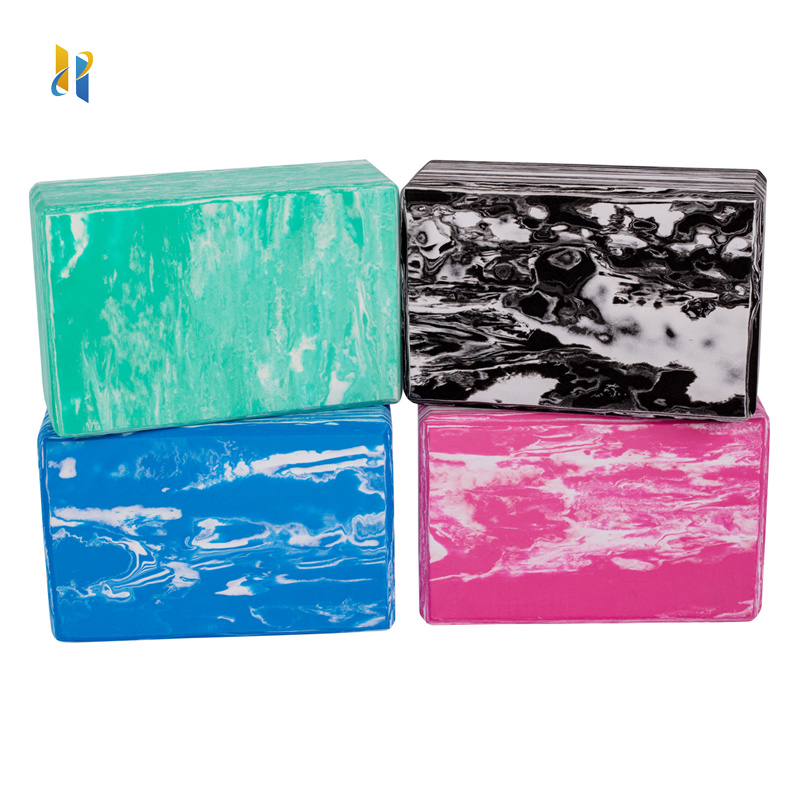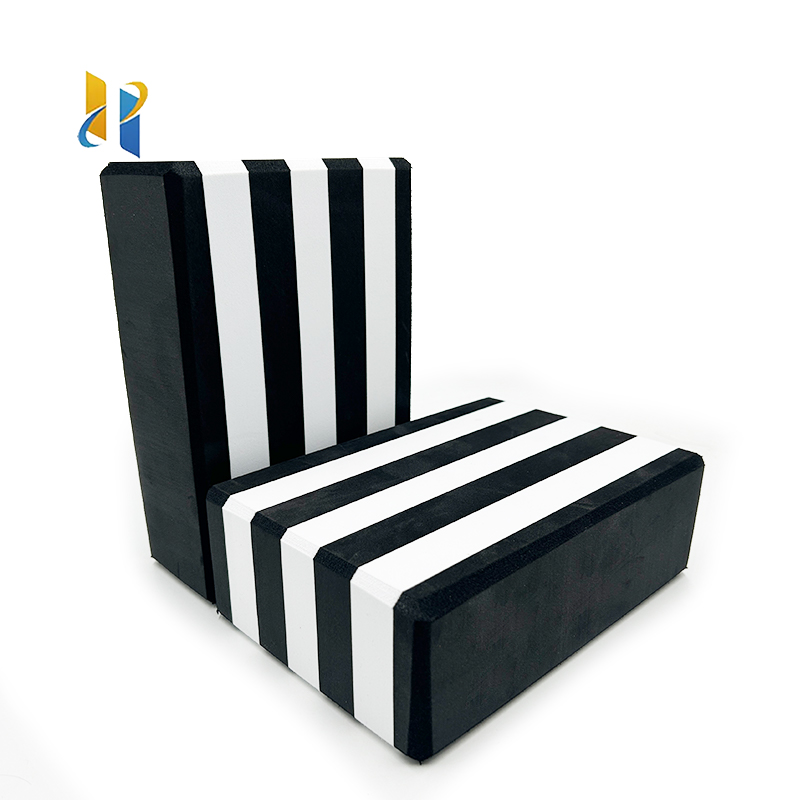
Yoga Blocks: An Indispensable Tool for Practitioners
1. Foundation of Safety and Confidence Building
For beginners, yoga blocks provide crucial physical and psychological support. Many new practitioners lack the flexibility or strength to execute poses fully, which can lead to strain or frustration. Blocks act as adaptable extensions that bridge the gap between the body and the floor. In standing forward bends, when hands cannot reach the ground, placing hands on blocks prevents excessive hamstring pulling and maintains spinal integrity. During balancing poses like Half Moon, a block under the bottom hand significantly increases stability, allowing practitioners to focus on proper alignment rather than fear of falling. This physical security naturally builds confidence, encouraging continuous practice and exploration of more challenging asanas.
2. Precision Tool for Optimal Alignment
Yoga emphasizes proper alignment as the foundation for safe and effective practice. Blocks serve as precise alignment tools that help practitioners achieve correct postural positioning. In Triangle Pose, when the bottom hand floats unsupported, shoulder tension and spinal misalignment often occur. Resting the hand on a block immediately corrects these issues, creating proper shoulder spacing and spinal extension. Similarly, in seated poses like Hero's Pose, sitting on a block elevates the hips, enabling proper spinal alignment and reducing knee and ankle pressure. Even advanced practitioners utilize blocks to refine their alignment, demonstrating that this tool serves practitioners at all levels.

3. Universal Adaptability for Diverse Needs
The block's remarkable versatility makes yoga accessible and beneficial for everyone. For seniors or individuals with physical limitations, blocks facilitate comfortable participation through appropriate modifications. Pregnant practitioners benefit from supported positions that accommodate their changing bodies. Athletes use blocks to deepen stretches and enhance flexibility training. Rehabilitation patients find blocks invaluable for gentle, controlled movement therapy. Beyond physical applications, blocks support mental focus by reducing the distraction of physical discomfort, making them particularly valuable in restorative and meditation practices.
4. Enhancement of Strength and Flexibility Training
Blocks enable progressive training in both strength and flexibility development. For strength building, incorporating blocks creates additional resistance and engagement. In Bridge Pose, squeezing a block between the thighs activates inner thigh muscles and enhances glute engagement. For flexibility training, blocks provide graduated support that allows for safe, gradual improvement. In hip-opening poses like Pigeon Pose, sitting on a block reduces hip joint strain while permitting gentle, sustained opening. This progressive approach aligns with yoga's principle of non-violence toward one's body, preventing the forced stretches that often lead to injury.
5. Practical Excellence and Philosophical Resonance
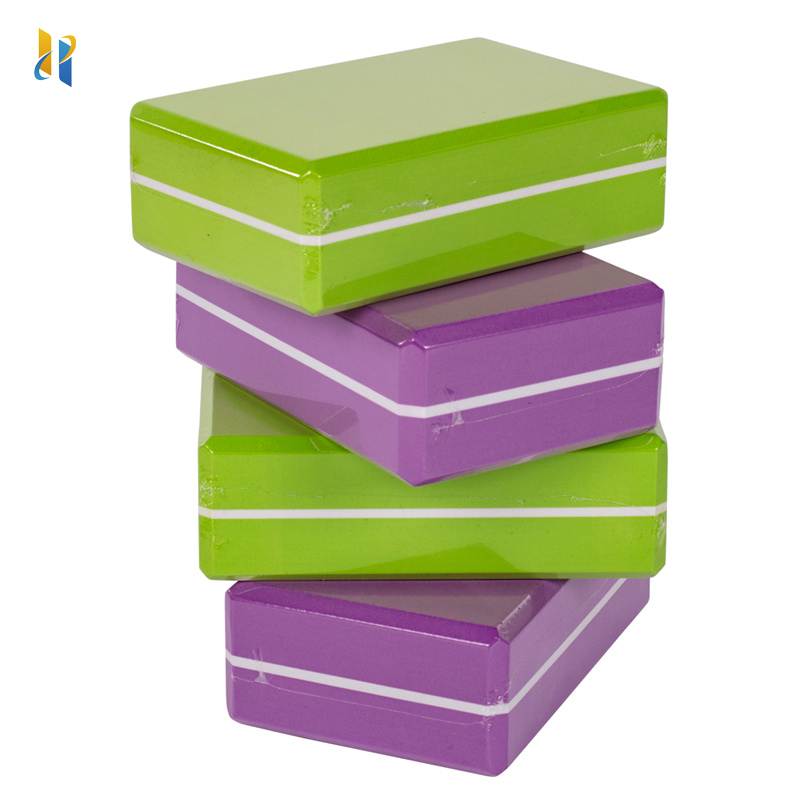
From a practical perspective, yoga blocks offer outstanding convenience and durability. Their lightweight construction and standardized size make them perfect for studio classes, home practice, or travel. Made from high-density foam, cork, or bamboo, they withstand years of regular use while maintaining their structural integrity. Philosophically, blocks embody key yoga principles: they represent the concept of "Ahimsa" (non-harming) by preventing injury, "Svadhyaya" (self-study) by helping practitioners understand their body's needs, and "Santosha" (contentment) by enabling practitioners to work within their current abilities while progressing steadily.
In conclusion, the yoga block's popularity stems from its unique combination of practical utility and philosophical alignment with yoga's core values. It transforms from a simple physical aid into a comprehensive practice tool that supports safety, precision, accessibility, progression, and mindfulness. As yoga continues to evolve globally, the yoga block remains a constant, demonstrating that the most effective tools are often the simplest ones that empower practitioners to develop their practice wisely and sustainably.
Yoga Blocks: The Unsung Heroes of the Modern Mat
Elaborating the Advantages of EVA Yoga Blocks Through Specific Yoga Poses
Related Article