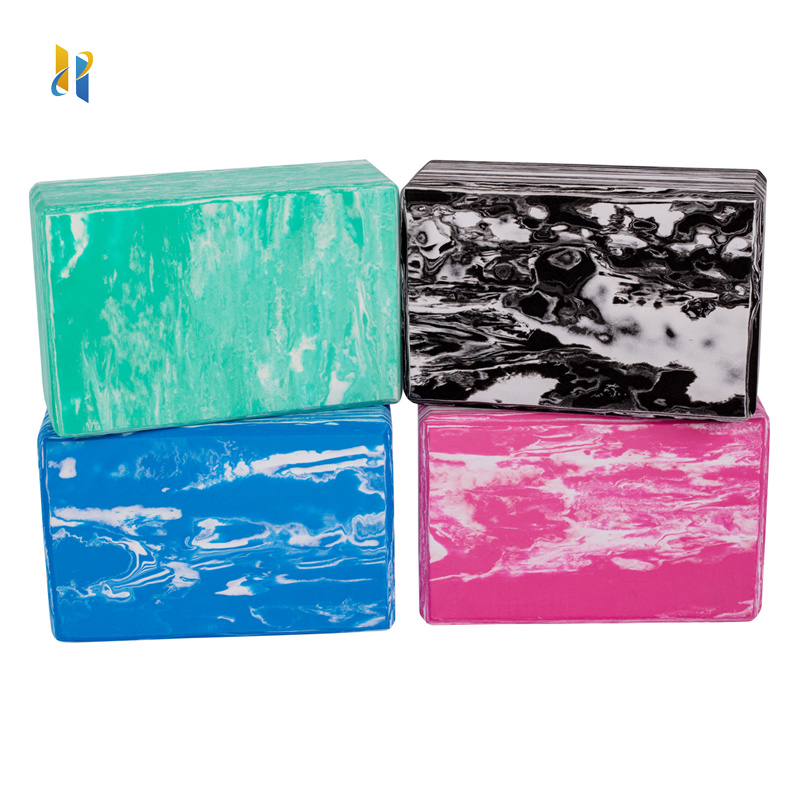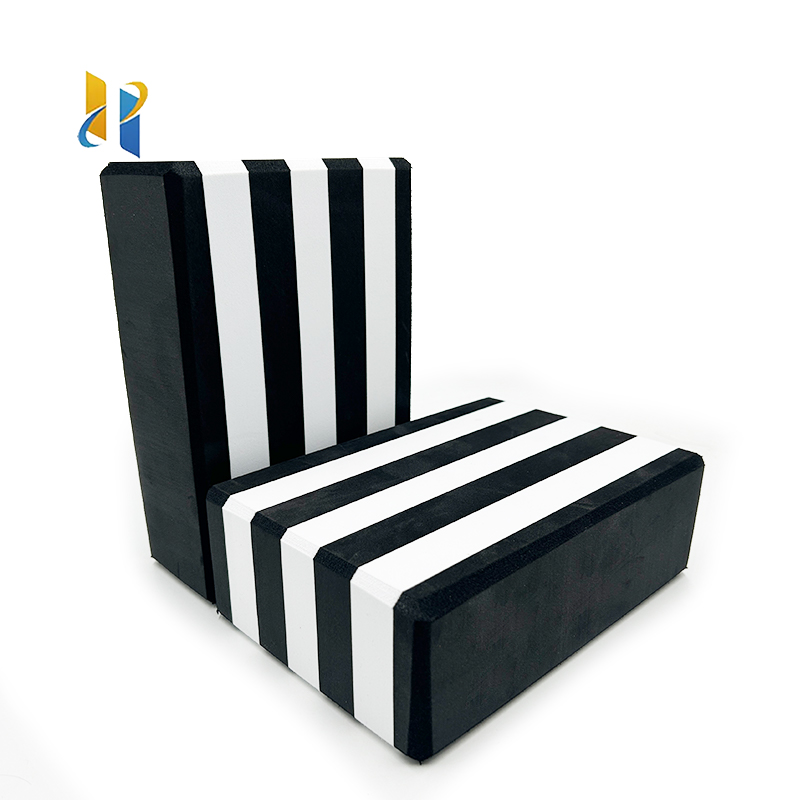
Yoga Blocks: The Unsung Heroes of the Modern Mat
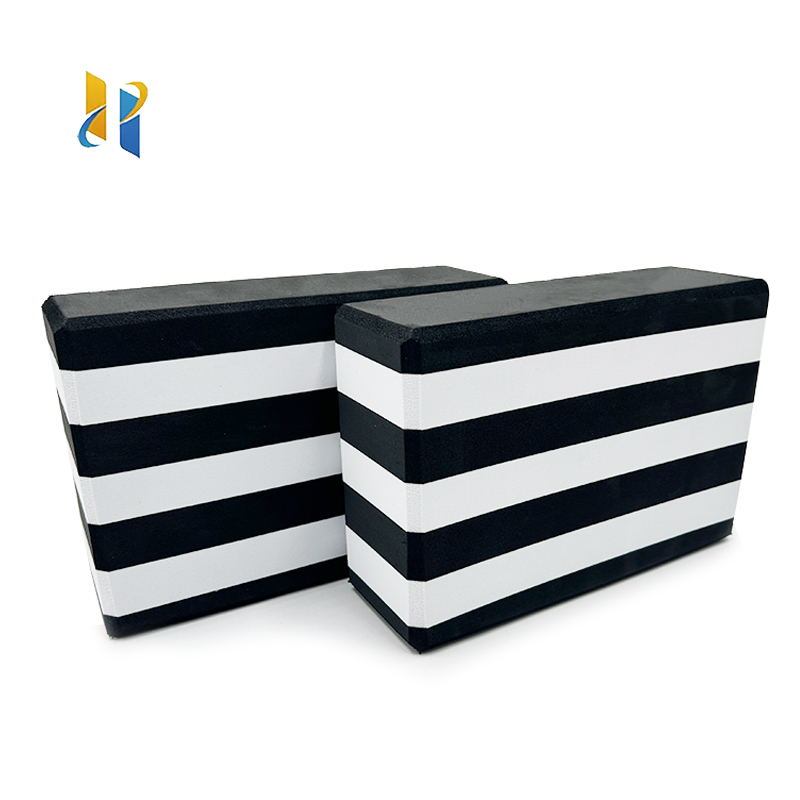
1. Democratizing Asanas: Making Poses Accessible to All
The primary and most celebrated function of a yoga block is to bridge the gap between the body's current ability and the full expression of a pose. It acts as an artificial limb, bringing the floor closer to the practitioner and making advanced asanas accessible. For instance, in Trikonasana (Triangle Pose), a beginner whose hand cannot reach the floor without compromising the spine's alignment can place a block on the outside of their front foot. This simple act allows them to maintain a long, open torso and experience the true benefits of the pose—a stretch along the hamstrings and side body—without strain. Similarly, in Ardha Chandrasana (Half Moon Pose), a block under the bottom hand provides the stability needed to balance, allowing the practitioner to focus on opening the chest and hips rather than fearing a fall. This inclusivity empowers every individual, regardless of age, body type, or flexibility, to engage with the practice safely and effectively, fostering a sense of achievement and encouraging consistency.

2. Enhancing Alignment and Proprioception: The Teacher in Your Hand
Beyond mere accessibility, yoga blocks serve as brilliant biofeedback tools that refine alignment and sharpen body awareness, or proprioception. When used strategically, they provide tangible, physical cues that verbal instructions alone cannot. In a standing forward fold (Uttanasana), placing a block between the thighs and actively squeezing it teaches the engagement of the inner leg muscles and prevents the knees from splaying, ensuring proper hip-knee-ankle alignment. In supine poses like Supta Baddha Konasana (Reclining Bound Angle Pose), a block placed under each knee supports the release of the groin and prevents overstretching, allowing the nervous system to relax into the pose. This tactile feedback helps re-educate the body, ingraining healthier movement patterns. For advanced practitioners, blocks can be used to create more nuanced actions, such as pressing into a block in a lunge to deepen the hip flexor stretch, proving that the block is not a crutch but a precision instrument.
3. A Pillar of Safety and Injury Prevention
Yoga is a practice of exploring one's edge, but this should never come at the cost of safety. Yoga blocks are fundamental to a sustainable, injury-free practice. They help maintain the natural, healthy curves of the spine and protect vulnerable joints like the knees, hips, and shoulders. In deep lunges or Anjaneyasana, placing blocks under the hands prevents the common mistake of dumping weight into the lower back. In restorative poses like Supported Bridge Pose, resting the sacrum on a block provides a gentle, passive backbend that decompresses the spine and soothes the nervous system without any muscular effort. This protective function is crucial not only for those recovering from injuries but for every practitioner aiming to build a practice that lasts a lifetime, emphasizing that intelligence in practice trumps ego-driven ambition.

4. Unlocking Depth and Creative Exploration
Finally, the utility of yoga blocks extends into the realm of deepening the practice and fostering creativity. They are not merely for modification but for intensification and exploration. An experienced yogi might use a block in a different way in Paschimottanasana (Seated Forward Bend)—placing it under the feet and pressing the balls of the feet into it to actively engage the leg muscles, thereby creating a more dynamic stretch. In arm balances like Bakasana (Crow Pose), starting with the feet on a block can help build confidence and find the correct center of gravity before lifting off. Furthermore, blocks open the door to a world of restorative and Yin yoga, where they are used to support the body in long-held poses, facilitating deep release in the connective tissues and a meditative state of mind.
In conclusion, the widespread affection for the yoga block is a testament to the evolving intelligence of modern yoga. It symbolizes a shift from a performance-oriented practice to one rooted in self-awareness, safety, and personal growth. Far from being a sign of limitation, reaching for a block is an act of wisdom—a conscious choice to honor one's body, refine one's practice, and unlock the profound, multi-layered benefits that yoga has to offer. It is, without a doubt, the unsung hero on the mat.
EVA for Yoga: Benefits, Products, and Why It's a Game-Changer
Yoga Blocks: An Indispensable Tool for Practitioners
Related Article