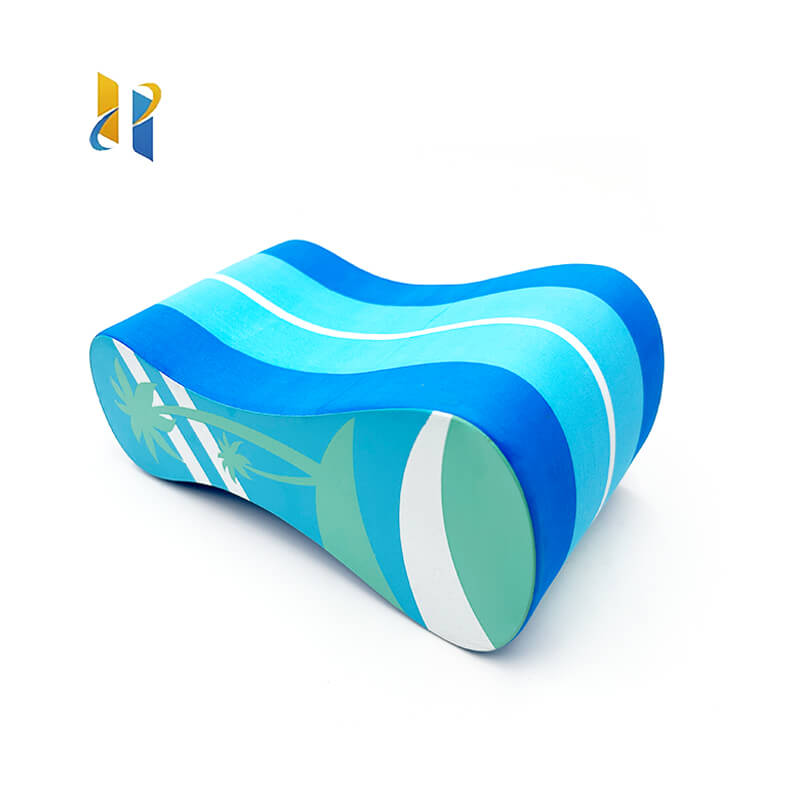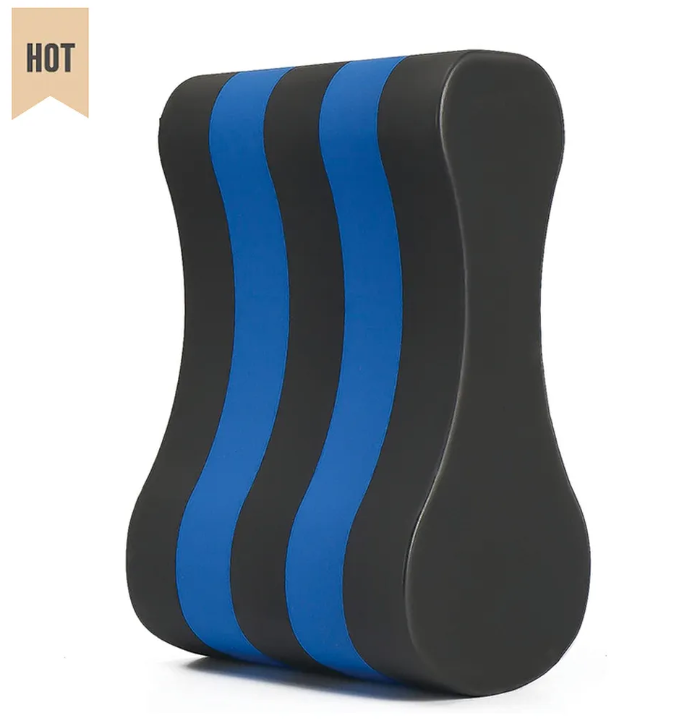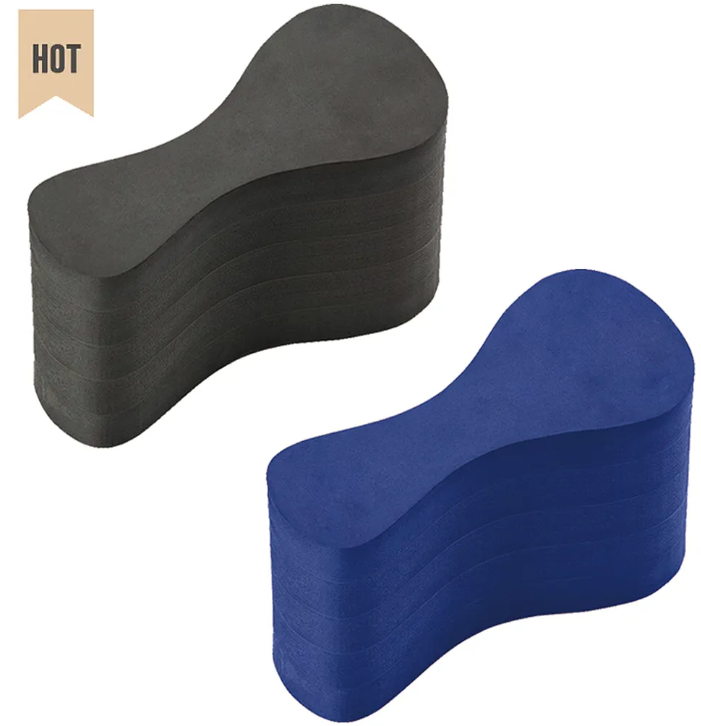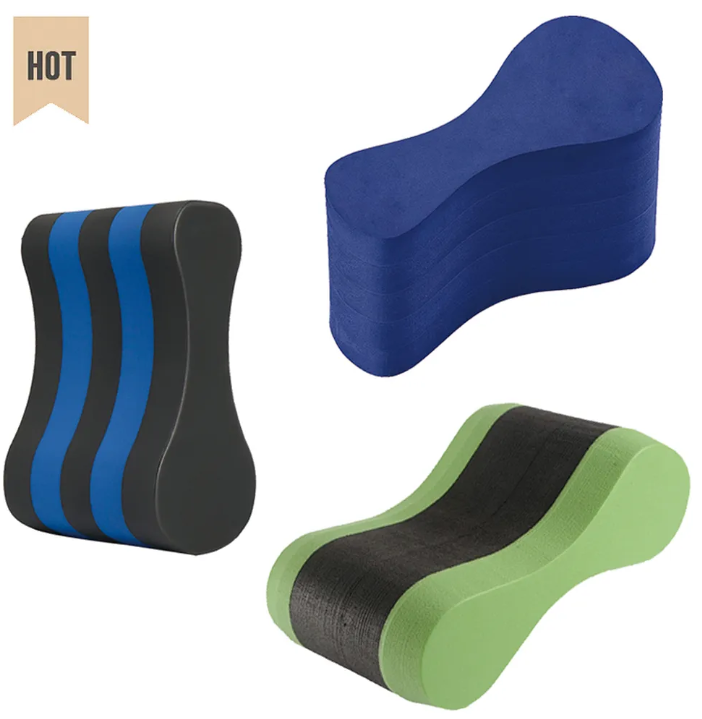
Buoyant Beginnings: The Multifaceted Role of Flotation Boards in Children's Swimming Education

Table of Contents
Firstly, the EVA flotation kickboard acts as a psychological anchor, building water confidence and reducing anxiety.
For beginners, the overwhelming sensation of buoyancy and the fear of submersion can be significant barriers. The kickboard offers a tangible, secure point of contact. A child can hold onto it, resting their arms and keeping their head comfortably above water while experiencing the supportive nature of the aquatic environment. This initial, positive interaction is crucial. It transforms the water from a potentially intimidating space into a manageable and even enjoyable one. The confidence gained from simply moving across the pool with the board’s support forms the bedrock upon which all future skills are built. It allows the child to focus on the novel sensation of kicking and moving, rather than on the struggle to stay afloat, thereby fostering a sense of accomplishment and control.
Secondly, it enables the critical technique of skill isolation, particularly in developing a proper kicking mechanism.
Swimming is a complex coordination of arms and legs. Attempting to learn everything simultaneously can lead to poor technique and frustration. The EVA kickboard excels at deconstructing the swim stroke. By gripping the board with outstretched arms, a child can dedicate full attention to their leg action. Instructors can effectively teach and correct the fundamentals of a flutter kick—the straight-legged, whip-like motion originating from the hips—without the complication of arm movements or breathing. This focused practice helps build muscle memory, leg strength, and cardiovascular endurance specific to swimming. Mastering a powerful, efficient kick is essential for propulsion and body position, and the board provides the ideal platform for this dedicated development.
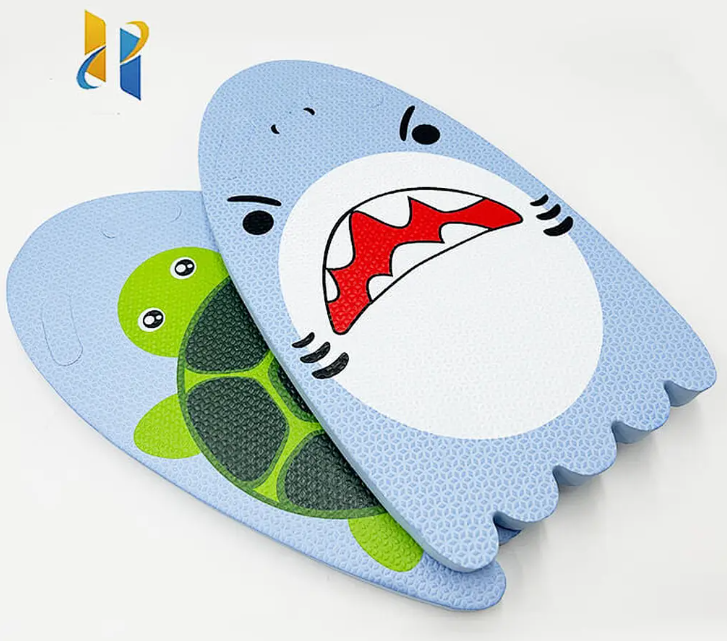
Thirdly, it serves as a stabilizer for learning breathing techniques and proper body position.
Once kicking is established, the board introduces the next layer of complexity: rhythmic breathing. Children can practice turning their head to the side to inhale while their face returns to the water for exhalation, all while their upper body remains supported by the board. This isolates the breathing skill, making it less chaotic than when attempted during a full stroke. Furthermore, by leaning on the board with a straight spine, children naturally learn to maintain a horizontal, streamlined body position—a key principle for reducing drag and swimming efficiently. The board provides feedback; if the child’s hips sink or their body position becomes diagonal, they can feel the immediate effect on their movement and stability.
Fourthly, the board facilitates progressive learning and autonomy.
Its support is not absolute; it can be varied. A child can hold it at arm’s length for full support, hug it closer to the chest for less buoyancy, or use it under one arm to practice bilateral breathing. This adjustable assistance allows for a smooth, graduated transition from complete dependence on the aid to independent swimming. Instructors can design drills that gradually challenge the learner, such as kicking with the board for one lap and then attempting a few strokes without it. This progressive approach ensures that skills are consolidated step-by-step, minimizing regression and fear when the board is eventually relinquished.
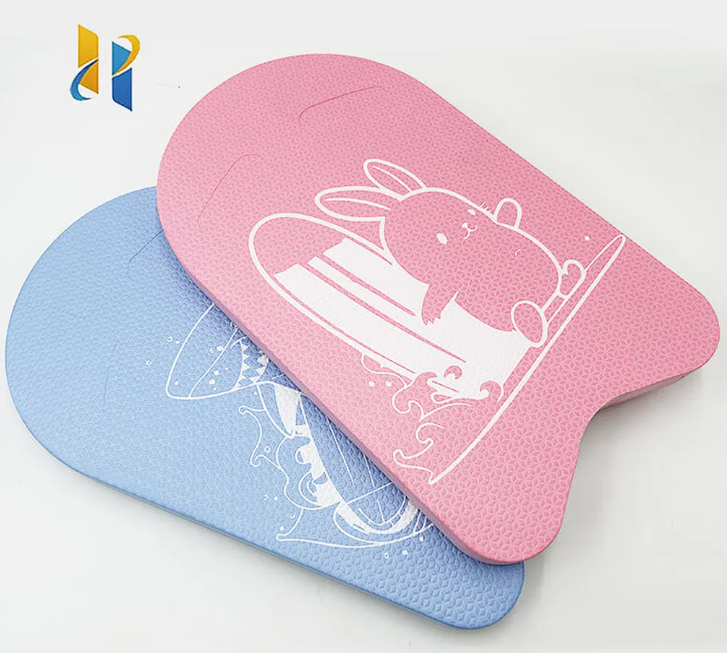
Finally, it introduces an element of structured play and social interaction.
Flotation boards are inherently fun. They can be used in games, relay races, or as "boats" in imaginative play. This gamification of learning maintains high levels of engagement and motivation. Group activities with boards also encourage peer learning and a sense of camaraderie, making lessons a positive social experience rather than a solitary drill.
In conclusion, the children’s EVA flotation kickboard is a deceptively simple tool with profound pedagogical value. Its core role is to provide a safe, adjustable, and focused learning environment. By systematically building water confidence, isolating and refining key skills like kicking and breathing, promoting ideal body alignment, and enabling a graduated path to independence, it lays a comprehensive foundation for aquatic competence. More than just keeping a child afloat, it propels them forward on their swimming journey, transforming anxiety into ability and uncertainty into joyful, confident strokes through the water.
Swimming Pool Companions: The Multifaceted Role of Kickboards in Children's Swimming Journey
The Application of Kickboards in the Learning-to-Swim Process: A Point-by-Point Analysis
Related Article