Swimming Pool Companions: The Multifaceted Role of Kickboards in Children's Swimming Journey
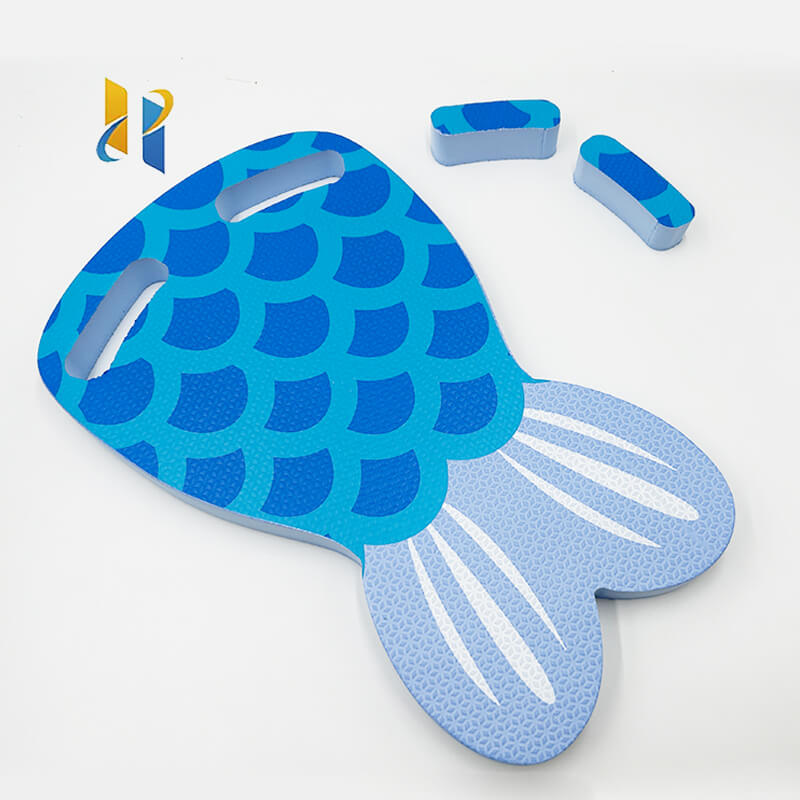
Table of Contents
1. Foundation of Safety and Confidence
The primary and most immediate benefit of a kickboard is the safety and buoyancy it provides. For a novice child, the water can be an intimidating environment where fear of sinking can trigger panic and hinder learning.
-
Controlled Buoyancy: A kickboard offers reliable, manageable support. A child can hold onto it, keeping their head comfortably above water, which allows them to breathe easily and focus on their movements without the distress of struggling to stay afloat.
-
Risk Reduction: This controlled environment minimizes the risk of swallowing water or experiencing a frightening submersion prematurely. Successfully propelling themselves across the pool with the board builds a tangible sense of achievement.
-
Confidence Bridge: As this confidence grows, the child becomes more receptive to instruction and more willing to try new skills. The kickboard acts as a psychological "security blanket," enabling them to gradually acclimate to the water's properties and their own buoyancy, which is a critical first step before attempting unsupported swimming.
2. Skill Isolation and Technical Development
The kickboard’s design allows for the targeted practice of specific swimming components, which is crucial for developing proper technique.
-
Leg Kick Mastery: This is its most classic application. By holding the board with arms extended, a child can concentrate entirely on their leg action. Instructors can teach and correct the flutter kick for front crawl or the whip kick for breaststroke without the child having to coordinate arms or breathing. This isolation helps build muscle memory for a powerful, rhythmic kick, which is the engine for propulsion.
-
Body Position Training: A proper horizontal body position is essential for efficient swimming. Using a kickboard encourages children to stretch out flat on the water’s surface, combating the natural tendency to lift the head or let the hips sink. They learn to feel the water’s support along their body.
-
Introduction to Breathing Patterns: Once a steady kick is established, children can practice turning their head to the side to breathe while continuing to kick and hold the board. This drills the crucial breathing rhythm for front crawl in a supported, less coordinated context, making the eventual integration with arm strokes smoother.

3. Promotion of Physical Fitness and Water Familiarity
Beyond technique, kickboard activities contribute significantly to a child's physical development in the aquatic setting.
-
Strengthening Key Muscles: Repetitive kicking strengthens leg muscles, core stabilizers, and hip flexors. It builds cardiovascular endurance as children complete laps, all in a low-impact environment that is gentle on growing joints.
-
Enhanced Water Feel: Constant interaction with the water through kicking develops a child’s "feel for the water"—an intuitive understanding of how to press against the water for propulsion. This kinesthetic awareness is a cornerstone of advanced swimming skill.
-
Versatility in Drills: Kickboards can be used in various positions (held in front, at the sides, or even under the chest) to simulate different aspects of strokes or to create fun, challenging games that build fitness.
4. Facilitation of Group Instruction and Progressive Learning
From a teaching perspective, kickboards are invaluable tools for managing a class and implementing a progressive curriculum.
-
Uniformity and Control: In a group lesson, having all children use kickboards allows the instructor to easily observe, correct, and provide feedback to multiple students simultaneously as they perform the same drill. It helps maintain order and a consistent focus.
-
Clear Skill Progression: The use of kickboards naturally fits into a learn-to-swim progression. A typical path might be: getting comfortable holding the board, then kicking with face in/out of water, then incorporating breathing, then using the board with one arm while practicing strokes, and finally using it only as occasional support. This step-by-step approach breaks down the complex task of swimming into manageable, achievable goals.
-
Tool for Differentiation: Instructors can adjust tasks based on skill level—some children may kick the length of the pool, while others may work on kick quality for a shorter distance, all using the same tool.

In Conclusion
The humble kickboard is a cornerstone of children's swim pedagogy. It is not a crutch that creates dependency, but rather a strategic training aid that deconstructs the art of swimming. By sequentially providing safety, building confidence, isolating technical elements, enhancing fitness, and supporting structured learning, it empowers children to master the aquatic environment one skill at a time. Its effective use ensures that the journey from water apprehension to capable, joyful swimming is built on a solid, progressive, and safe foundation.
An Essential Tool for Building Confidence & Skill in Young Swimmers
Buoyant Beginnings: The Multifaceted Role of Flotation Boards in Children's Swimming Education
Related Article