EVA Foam: The Game-Changer in Cosplay Armor Crafting
1. Material Properties: The "Why" Behind the Choice
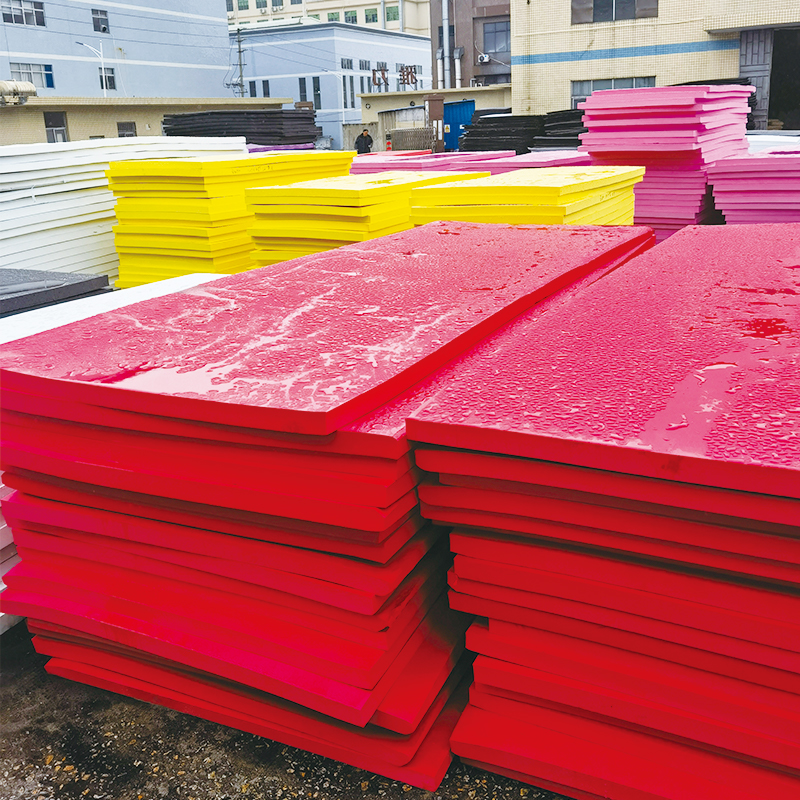
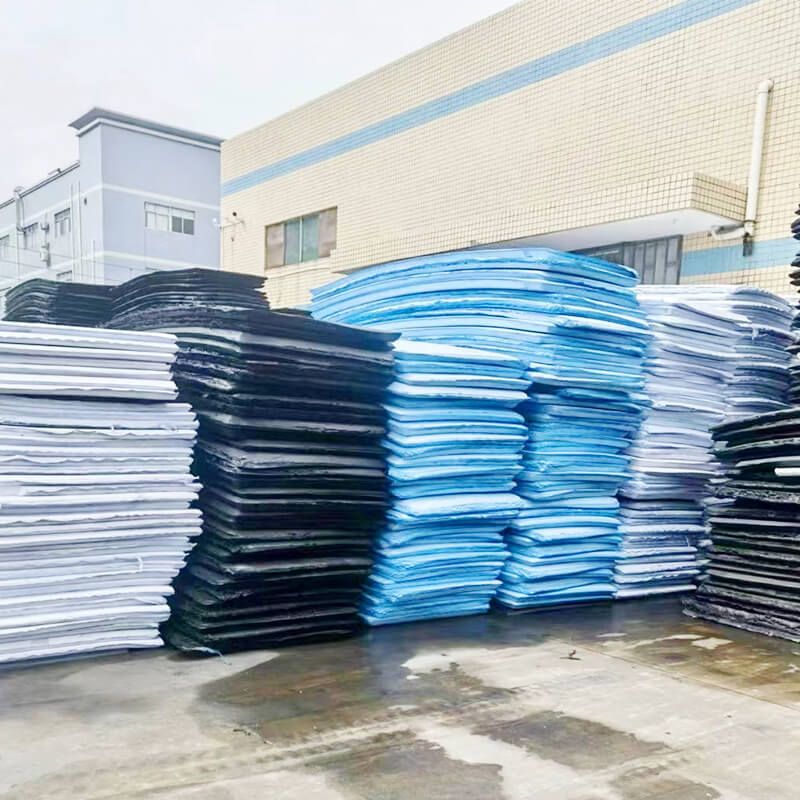
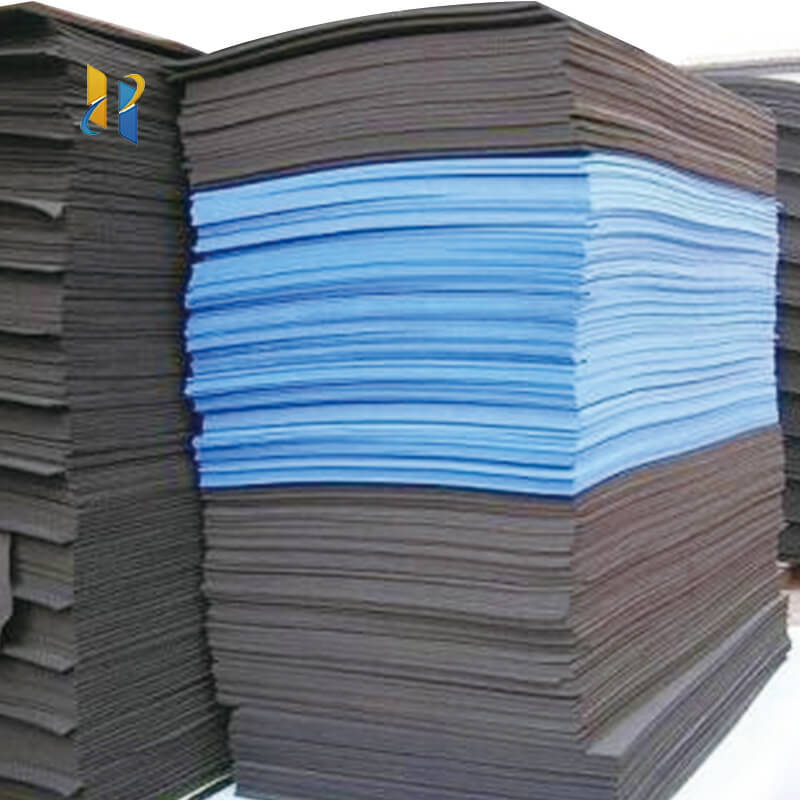
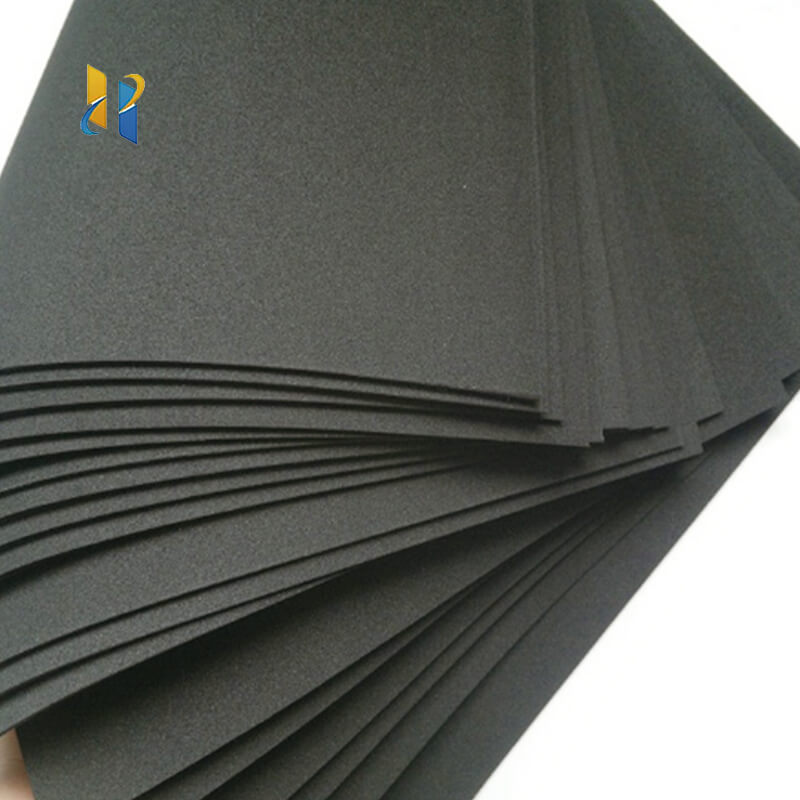
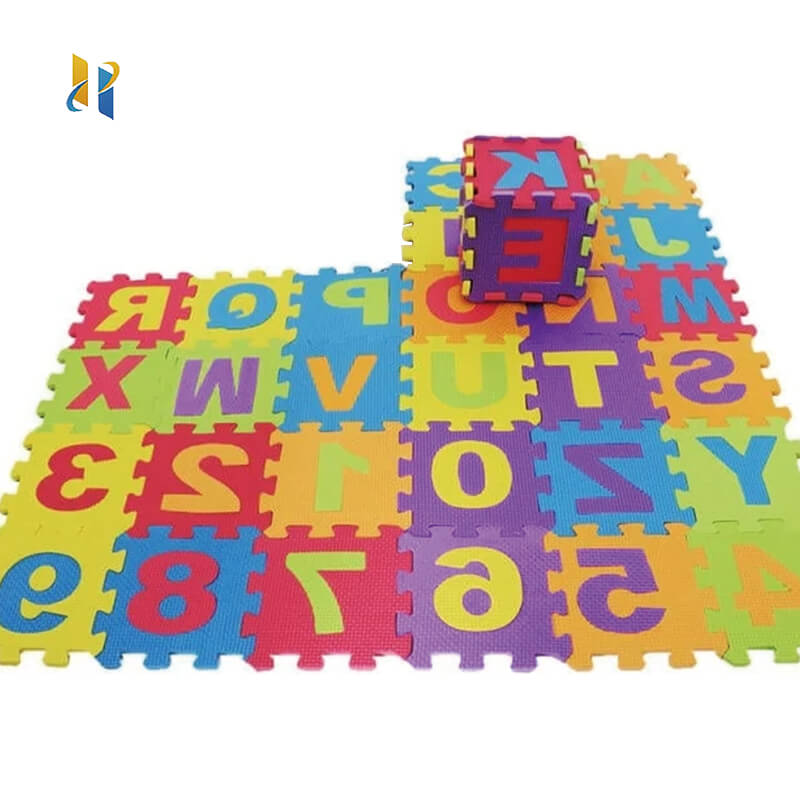
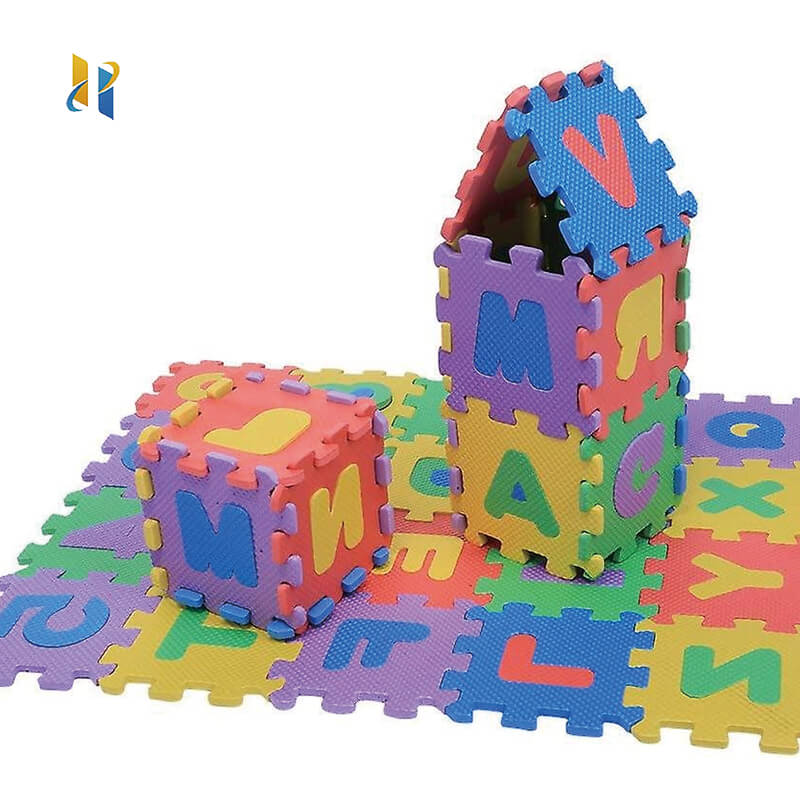
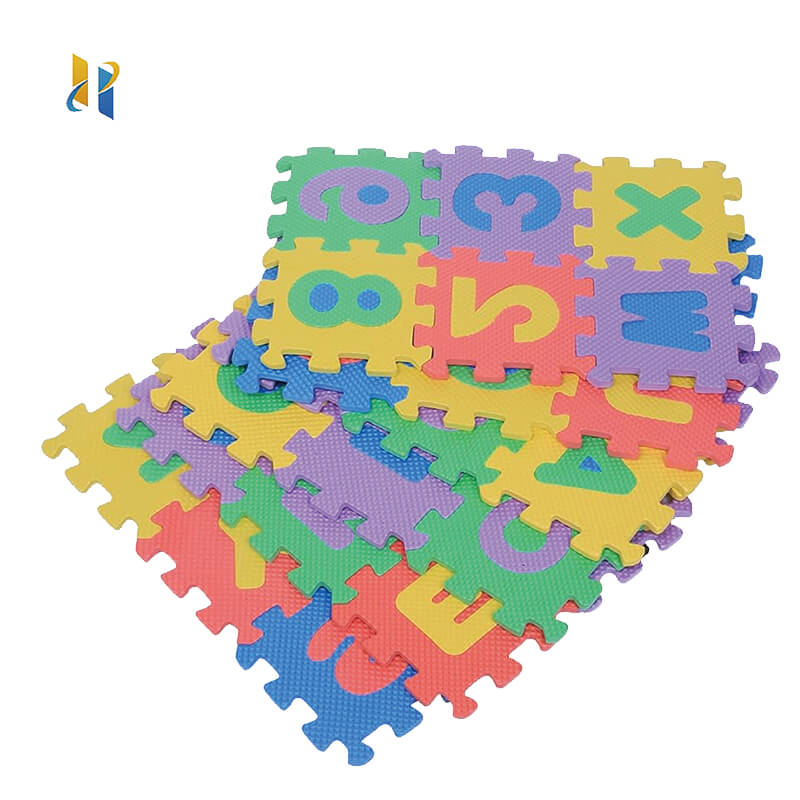
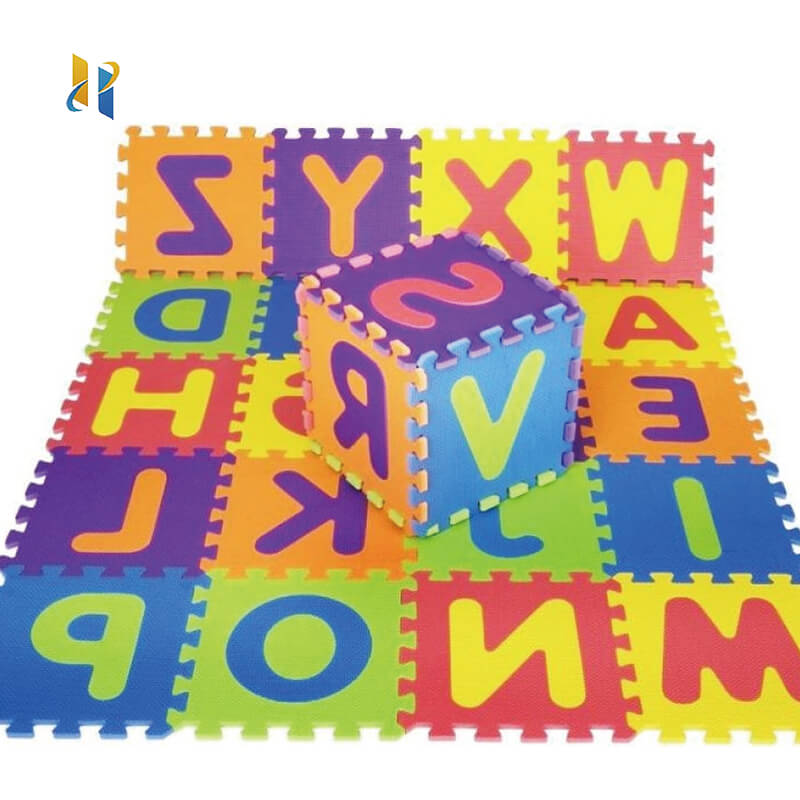
EVA foam, commonly found as interlocking floor mats or craft sheets, is prized for its unique combination of qualities:
-
Lightweight & Comfortable: Unlike rigid materials, foam armor is easy to wear for long convention hours, reducing fatigue.
-
Easy to Work With: It can be cut with utility knives, heated and shaped with a heat gun, sanded, and glued with contact cement or hot glue. This lowers the barrier to entry for beginners.
-
Forgiving and Safe: The material is non-toxic, and mistakes are easily corrected. Heating and reforming is often possible, making it ideal for experimentation.
-
Cost-Effective: Floor mats provide a large amount of material at a low cost, perfect for large projects.
-
Durable Enough: When properly sealed and finished, EVA foam armor is surprisingly resilient for convention wear and photoshoots.
2. The Core Construction Process
The workflow with EVA foam is systematic and adaptable:
-
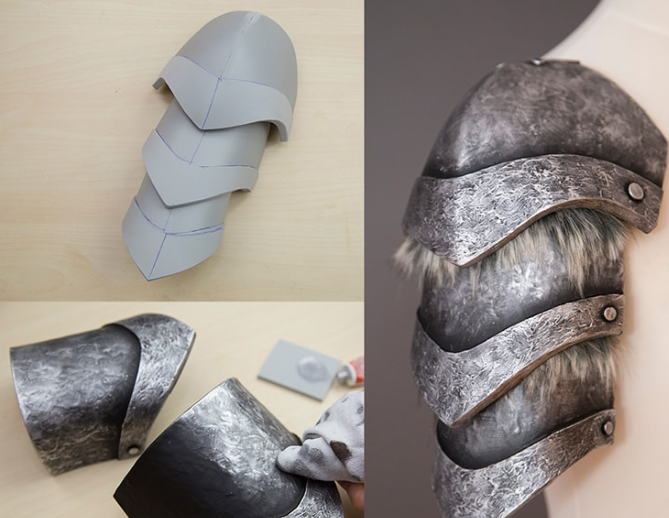
Patterning: Makers create 2D templates (from Pepakura software or self-drafted designs) and trace them onto foam sheets.
-
Cutting: Pieces are cut out using sharp blades, often with beveled edges to create clean seams.
-
Shaping: A heat gun is used to warm the foam, making it pliable. It can then be curved over forms or shaped by hand to create compound curves for helmets, pauldrons, or greaves.
-
Assembly: Pieces are meticulously glued together, primarily using contact cement for its strong, flexible bond. Clamps and tape hold pieces while drying.
-
Detailing: Additional layers of foam are added for raised details, while grooves (created with a rotary tool or heated tools) add panel lines and texture.

3. Surface Finishing: The Magic Step
Raw foam has a porous texture. The finishing process transforms it into convincing armor:
-
Sealing: Multiple coats of a flexible sealant (e.g., PVA glue mixes, plasti-dip, or flexible primers) are applied. This creates a paintable surface and protects the foam.
-
Priming & Painting: Acrylic paints are standard. Makers use techniques like dry brushing to highlight edges and airbrushing/washes to add shadows, dirt, and weathering, creating depth and a metallic or painted steel illusion.
-
Final Sealing: A clear coat (often matte or satin) protects the paint job from chipping and wear.
4. Advantages Over Traditional Materials
-
vs. Thermoplastics (Worbla): EVA is quieter, less expensive, and doesn't require a base structure for larger forms. It's also generally thicker and provides more inherent dimension.
-
vs. Fiberglass/Resin: It involves no harmful fumes, is much lighter, and requires fewer specialized tools. The construction process is significantly faster and less messy.
-
Accessibility: The low cost and easy-to-find tools enable more people to engage in high-quality armor making.

In conclusion, EVA foam is not just a material but a fundamental tool that has democratized and elevated cosplay armor construction. Its ease of manipulation allows for incredible creativity and complexity, while its wearability ensures the final product is as functional as it is photogenic. For both novice and veteran crafters, mastering EVA foam is the key to building lightweight, impressive, and iconic armor that brings fictional characters to vibrant life.
Celebrating the 11th Order! Premium White Odorless EVA Foam Sheets with Adhesive Backing – Reliable, Safe, Versatile
The Ultimate Guide: Black EVA Foam for Cosplay Creations
Related Article