The EVA Edge: 5 Compelling Reasons to Choose This Versatile Material
The EVA Edge: 5 Compelling Reasons to Choose This Versatile Material
1. Exceptional Lightweight Cushioning and Shock Absorption
At its core, EVA is a closed-cell foam renowned for its superb cushioning. This characteristic is paramount for applications where weight and comfort are critical. EVA foam is significantly lighter than rubber and other elastomers, reducing overall product weight without sacrificing protection. Its ability to absorb and dissipate impact energy makes it ideal for:
-
Footwear: Used in midsoles, it provides responsive cushioning, reducing fatigue and improving comfort for athletes and casual walkers alike.
-
Sports Equipment: Featured in helmets, padding, and gym mats, it safeguards users from impacts.
-
Packaging: It protects fragile electronics, medical devices, and sensitive components during transit by cradling them securely.
2. Outstanding Flexibility and Resilience
EVA maintains remarkable flexibility across a wide range of temperatures. It resists cracking under stress and strain, ensuring long-term durability. Unlike some rigid plastics, EVA can be formulated to be soft and pliable or more rigid, offering design versatility. This resilience translates to products that:
-
Retain their shape after repeated compression, a vital trait for shoe insoles and padding.
-
Offer comfortable conformity, molding to the body or product contours for a custom fit.
-
Withstand dynamic movements, essential for sports gear and wearable accessories.

3. Superior Water Resistance and Chemical Stability
As a closed-cell material, EVA inherently resists water absorption. It does not become waterlogged, degrade quickly, or promote microbial growth, making it highly durable in moist environments. Additionally, it exhibits good resistance to oils, greases, and many common chemicals. This makes EVA perfect for:
-
Marine products like personal flotation devices and dock floats.
-
Outdoor equipment and footwear that must withstand the elements.
-
Industrial applications where exposure to certain chemicals or moisture is a concern.
4. Ease of Processing and Design Versatility
EVA is highly adaptable in manufacturing. It can be easily molded, injection-molded, extruded, and thermoformed into complex shapes with precision. This allows for:
-
High-volume, cost-effective production.
-
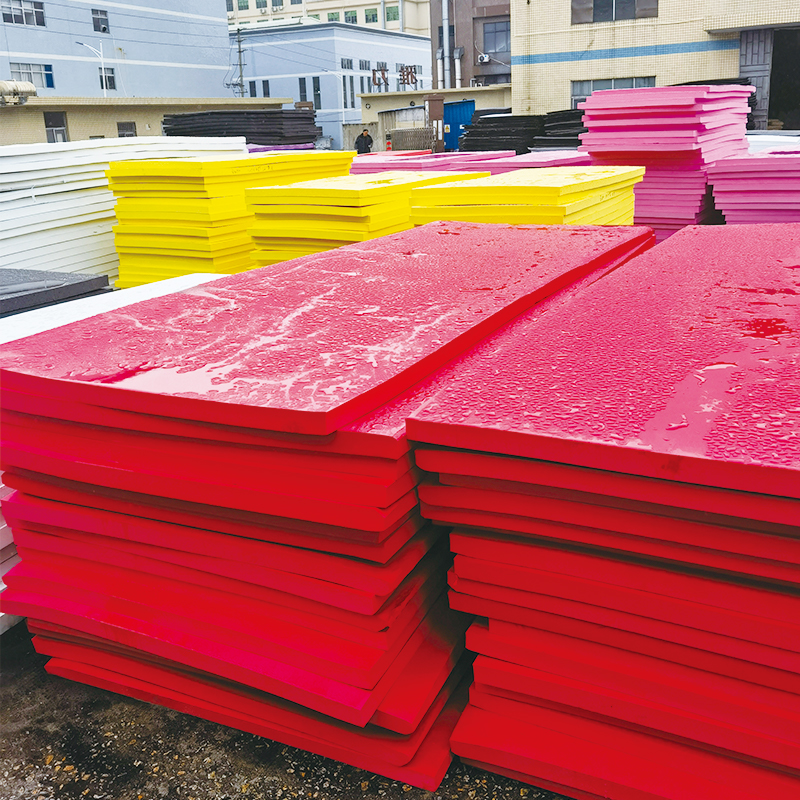
Intricate designs and customization, including a vast spectrum of colors.
-
Seamless co-molding with other materials, enhancing functionality and aesthetics.
-
Adjustable material properties (like density, hardness, and transparency) by altering the vinyl acetate content and foam formulation.

5. Safety and Environmental Advantages
EVA scores well on safety and sustainability fronts. It is:
-
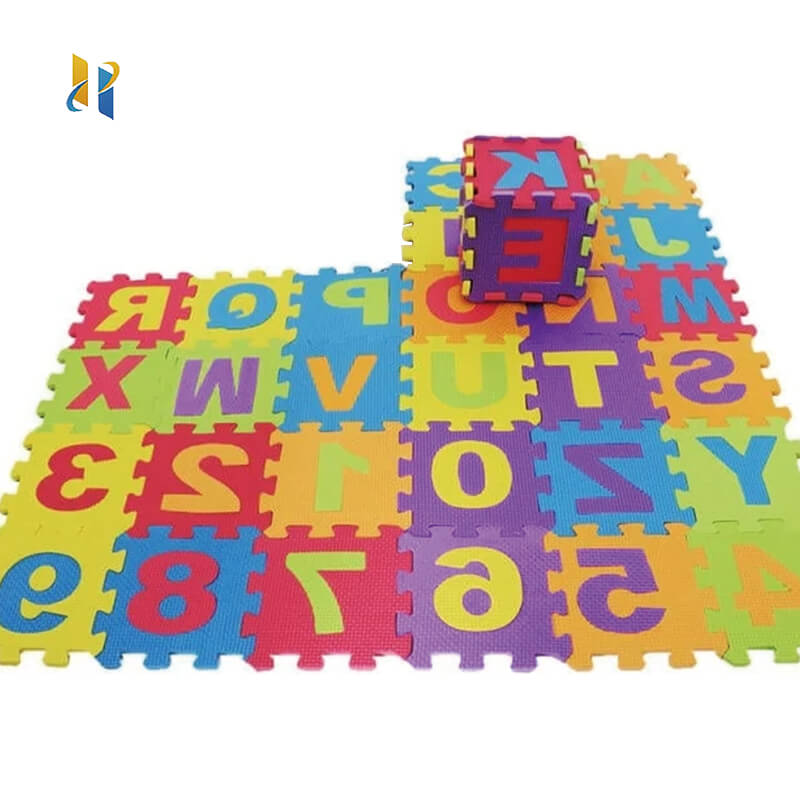
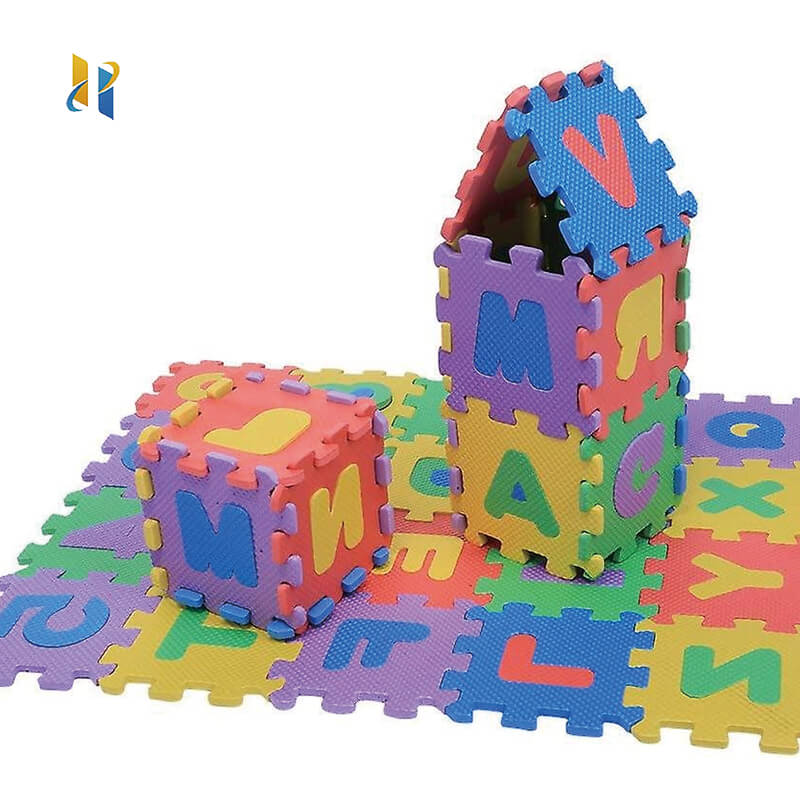
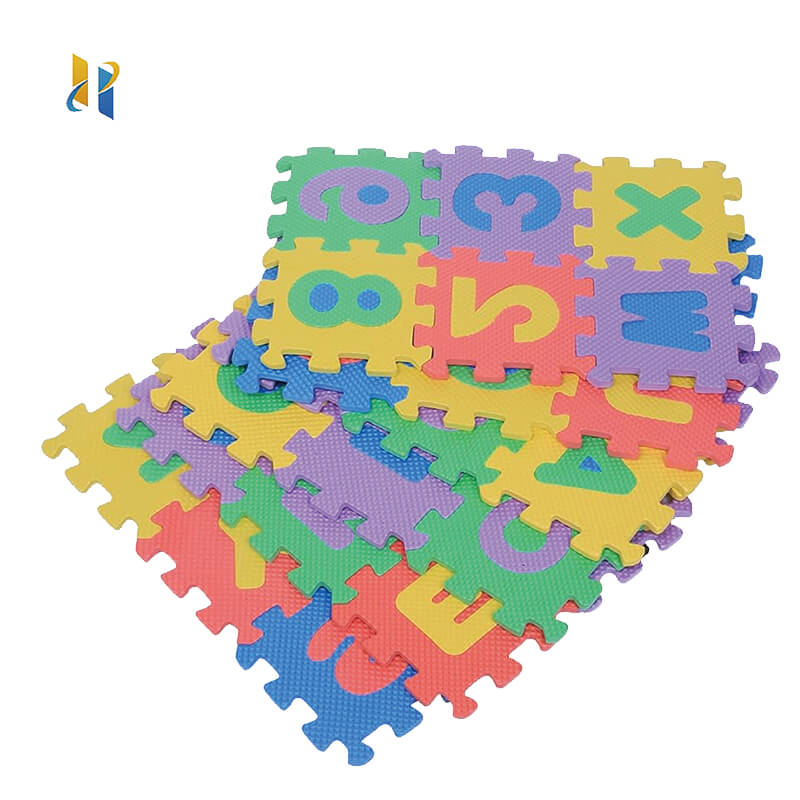
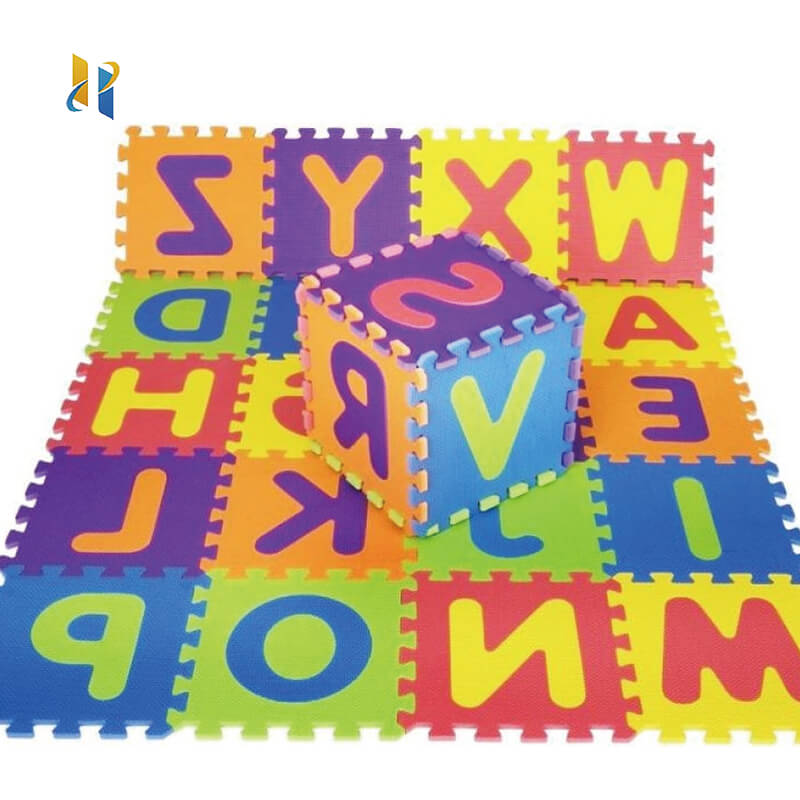
Non-toxic and BPA-free, making it safe for children's toys, play mats, and products requiring skin contact.
-
Odorless and often used in applications where smell is a concern.
-
Recyclable in many forms, supporting efforts to reduce waste. Furthermore, its durability extends product lifecycles, and formulations using bio-based acetates are emerging, enhancing its eco-friendly profile.
Conclusion
Choosing EVA material is not merely a selection; it's an investment in performance, user comfort, and product longevity. Its unbeatable combination of lightweight cushioning, resilient flexibility, water resistance, manufacturing ease, and safety provides a comprehensive solution that meets the demanding needs of modern design and engineering. Whether the priority is protecting a valuable shipment, enhancing athletic performance, or ensuring child safety, EVA delivers a reliable, versatile, and high-performing edge.
BREAKING: Massive Shipment of 38° White EVA with Adhesive Successfully Dispatched – 8,220 Units on the Move
Revolutionize Your Products with Our Upgraded High-Efficiency EVA Foam
Related Article