The Ultimate Guide to Sponge Lining Materials: Why It's the Unsung Hero of Padding & Insulation
Sponge Lining Material: Complete Guide
Table of Contents
Key Properties & Advantages of Sponge Lining
-
Superior Cushioning & Impact Protection
Sponge linings excel at absorbing and dissipating energy. Their open or closed-cell structure compresses under force, protecting delicate items from shock, vibration, and abrasion during transit or use. This makes them indispensable for packaging sensitive electronics and musical instrument cases. -
Excellent Thermal & Acoustic Insulation
The air trapped within the foam's cells creates an effective barrier against temperature transfer and sound waves. Sponge linings are widely used in automotive interiors, HVAC systems, and appliance doors to regulate heat and reduce noise pollution. -
Lightweight & Flexible
Despite their protective qualities, sponge materials add minimal weight and bulk. They can be easily cut, molded, and conformed to complex shapes, making them perfect for custom-fit applications in medical devices, wearable gear, and intricate packaging. -
Cost-Effective & Versatile
Available in a vast range of densities, thicknesses, and colors, sponge linings offer a high-performance solution at a relatively low cost. Their adaptability supports diverse needs, from soft apparel interfacing to rigid industrial gaskets. -
Durable & Long-Lasting
High-quality sponge linings, particularly closed-cell variants, resist moisture, mildew, and degradation from oils and chemicals. This ensures longevity in demanding environments like marine applications or outdoor equipment.

Primary Types of Sponge Lining Materials
-
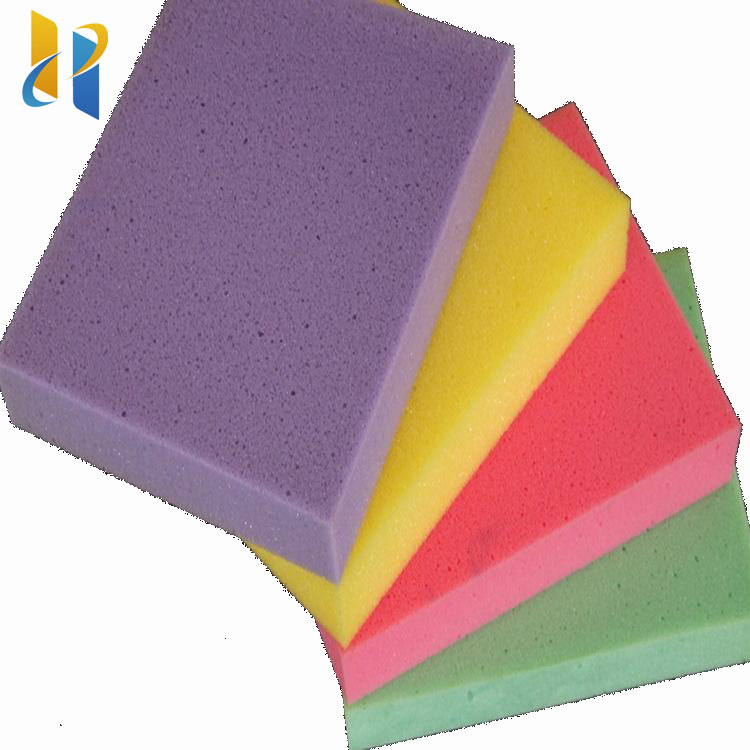
Polyurethane Foam (PU Foam): The most common type. Known for its softness, elasticity, and comfort. Used in furniture, mattresses, apparel, and automotive seating.
-
Polyethylene Foam (PE Foam): A closed-cell foam that is waterproof, rigid, and offers excellent shock absorption. Ideal for protective packaging, sports gear, and marine flotation.
-
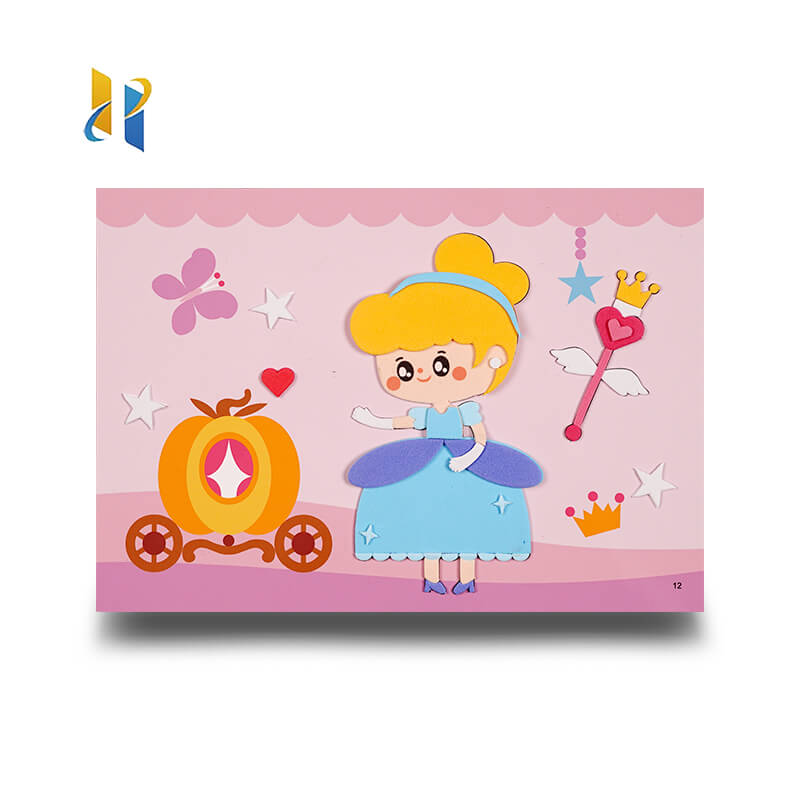
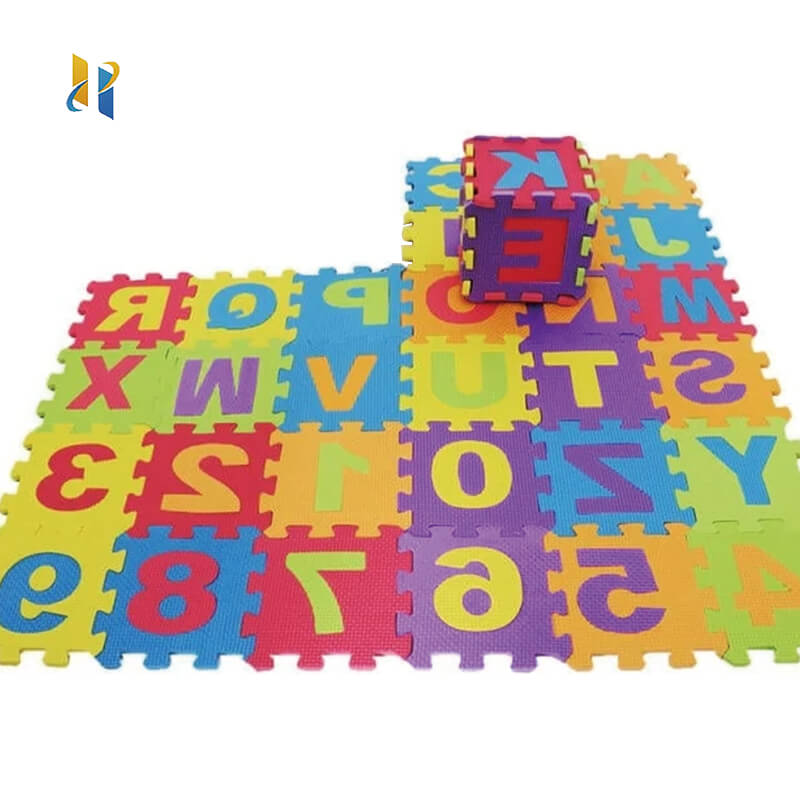
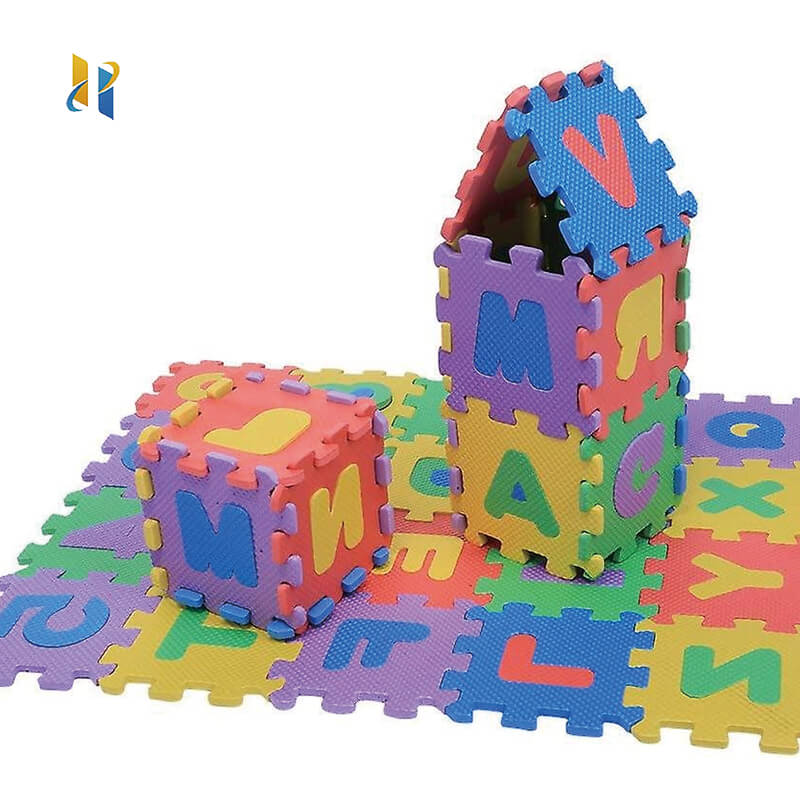
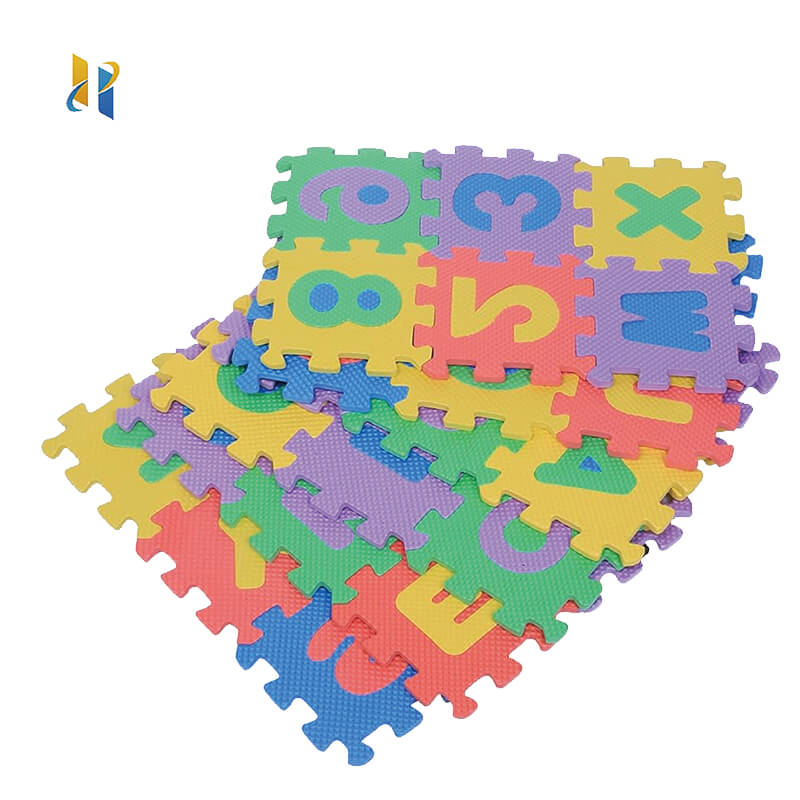
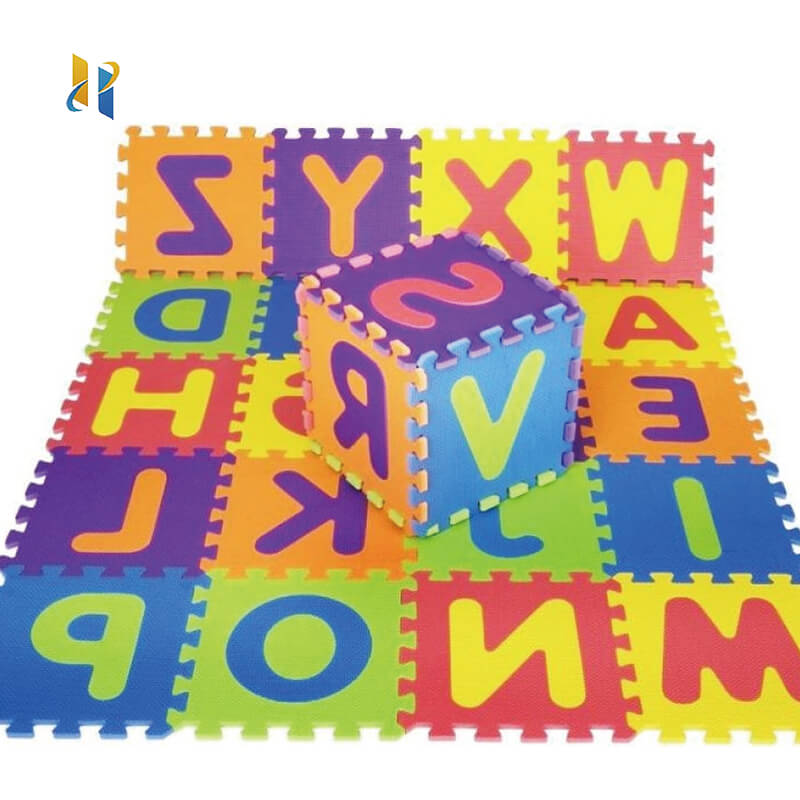
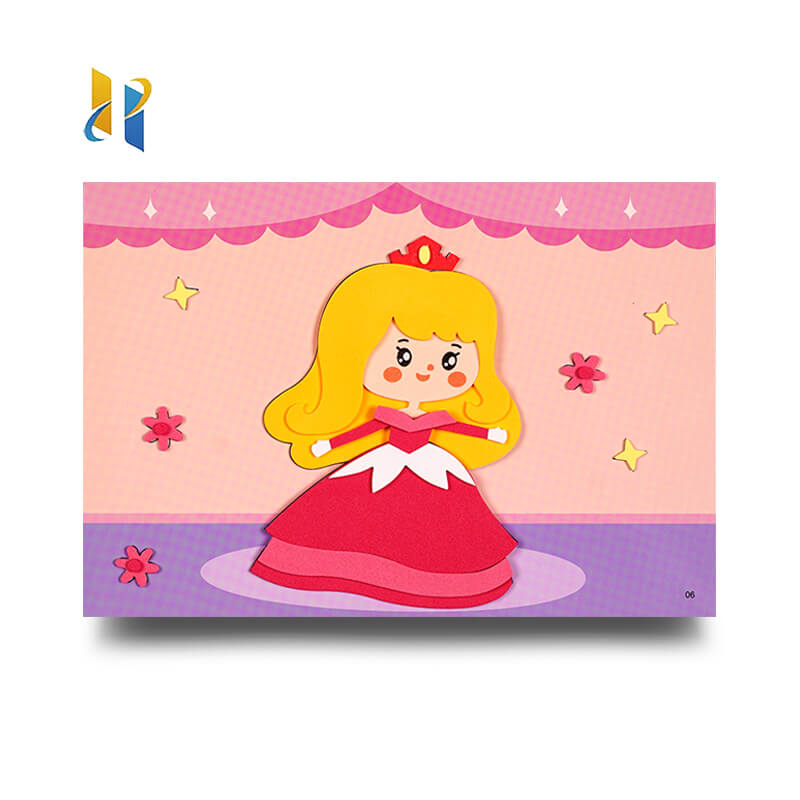
Ethylene-Vinyl Acetate (EVA Foam): Dense, durable, and with a smooth surface. Popular for craft foams, footwear soles, and high-performance padding in cases and bags.
-
Memory Foam (Viscoelastic PU Foam): A premium PU foam that molds to pressure and slowly returns to shape. Primarily used for orthopedic support in bedding, medical equipment, and premium seating.
Critical Applications Across Industries
-
Protective Packaging & Case Insert Foam: Custom-cut to securely cradle electronics, instruments, tools, and aerospace components.
-
Automotive & Transportation: Used in headliners, door panels, dashboards, and seat padding for comfort, noise reduction, and safety.
-
Apparel & Textiles: Serves as supportive interfacing in shoulders, collars, and bras, and as insulation in winter wear.
-
Construction & Appliances: Provides thermal and acoustic insulation in walls, pipes, and household appliances like refrigerators and ovens.
-
Medical & Sports Equipment: Creates padded supports, prosthetics liners, helmet interiors, and gym mats for safety and comfort.

How to Choose the Right Sponge Lining
Selecting the correct material depends on your specific need:
-
For Maximum Cushioning: Choose a low-density, open-cell PU foam.
-
For Moisture Resistance & Rigid Support: Opt for closed-cell PE or EVA foam.
-
For Custom Shapes & Precision: Consider die-cut or CNC-molded foam.
-
For Weight-Sensitive Applications: Look for low-density, reticulated (open-cell) foams.
Conclusion
Sponge lining material is far more than just simple padding. It is a critical engineering component that solves complex problems related to protection, comfort, and efficiency. Its unique combination of cushioning, insulation, flexibility, and value makes it an irreplaceable solution in manufacturing, logistics, and product design. When your project requires reliable padding or insulation, sponge lining offers a proven and adaptable answer.