EVA Foam: The Versatile Material Revolutionizing Industries
EVA Foam: The Versatile Material Revolutionizing Industries
What is EVA Foam?
Ethylene-Vinyl Acetate (EVA) foam is a closed-cell, lightweight material made by blending ethylene and vinyl acetate under high pressure. This creates a flexible yet durable foam with unique properties that make it ideal for countless applications.
Key Characteristics
-
Soft & Flexible: Retains shape while offering cushioning
-
Waterproof: Closed-cell structure prevents water absorption
-
Shock-Absorbent: Excellent impact resistance
-
Non-Toxic: Safe for skin contact and food-grade applications
-
Easy to Fabricate: Can be cut, molded, and thermoformed
Technical Specifications
| Property | Value Range |
|---|---|
| Density | 30-250 kg/m³ |
| Hardness | 20-90 Shore C |
| Temperature Resistance | -40°C to 80°C |
| Tensile Strength | 0.8-3.5 MPa |
| Compression Set | 10-30% |
Why Choose EVA Foam?
-
Superior Cushioning: Outperforms PU foam in impact absorption
-
Chemical Resistance: Withstands oils, acids, and UV exposure
-
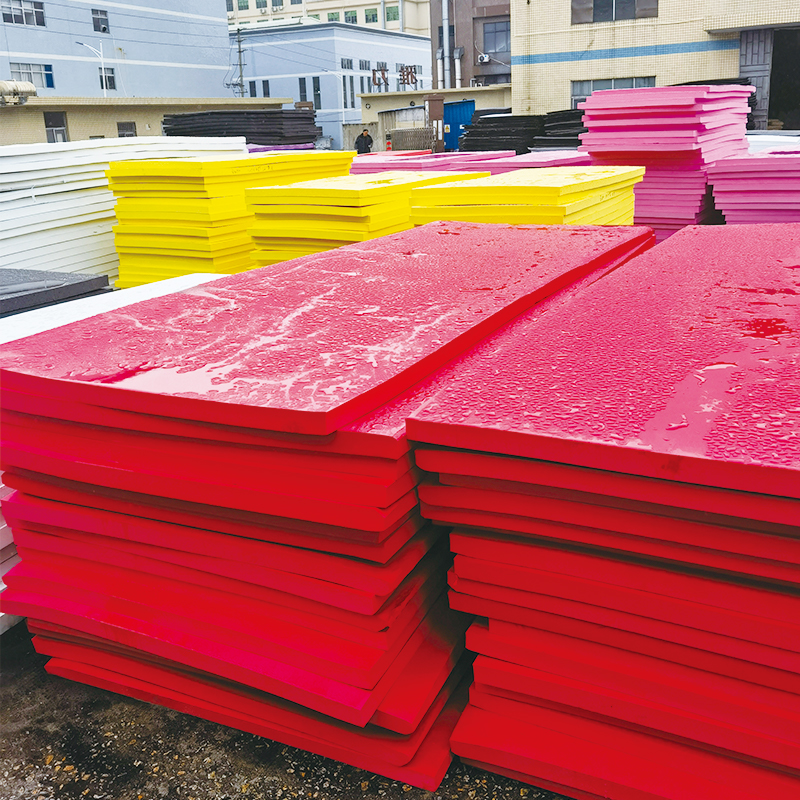
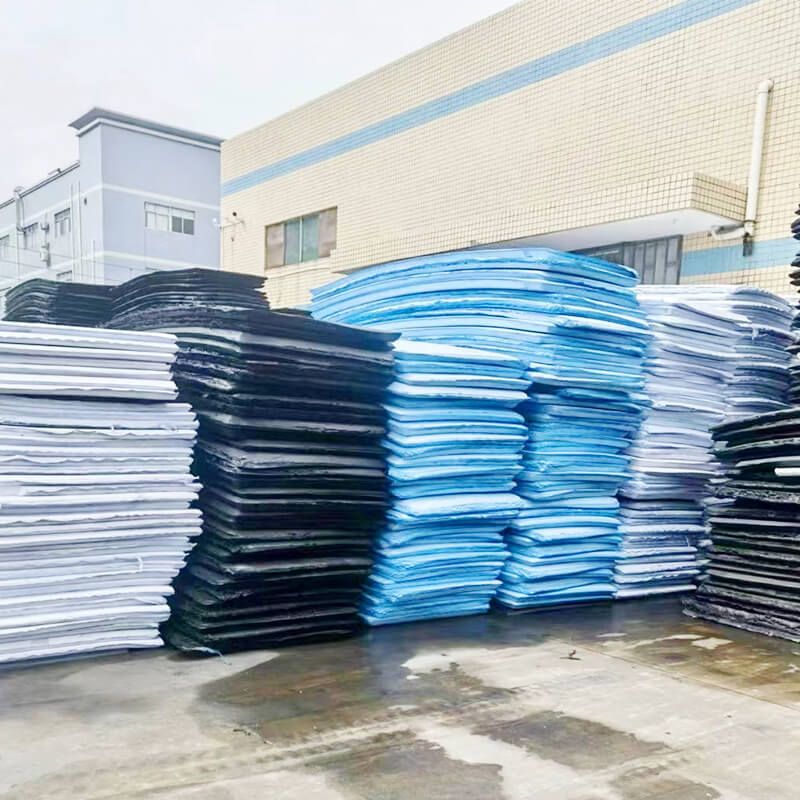
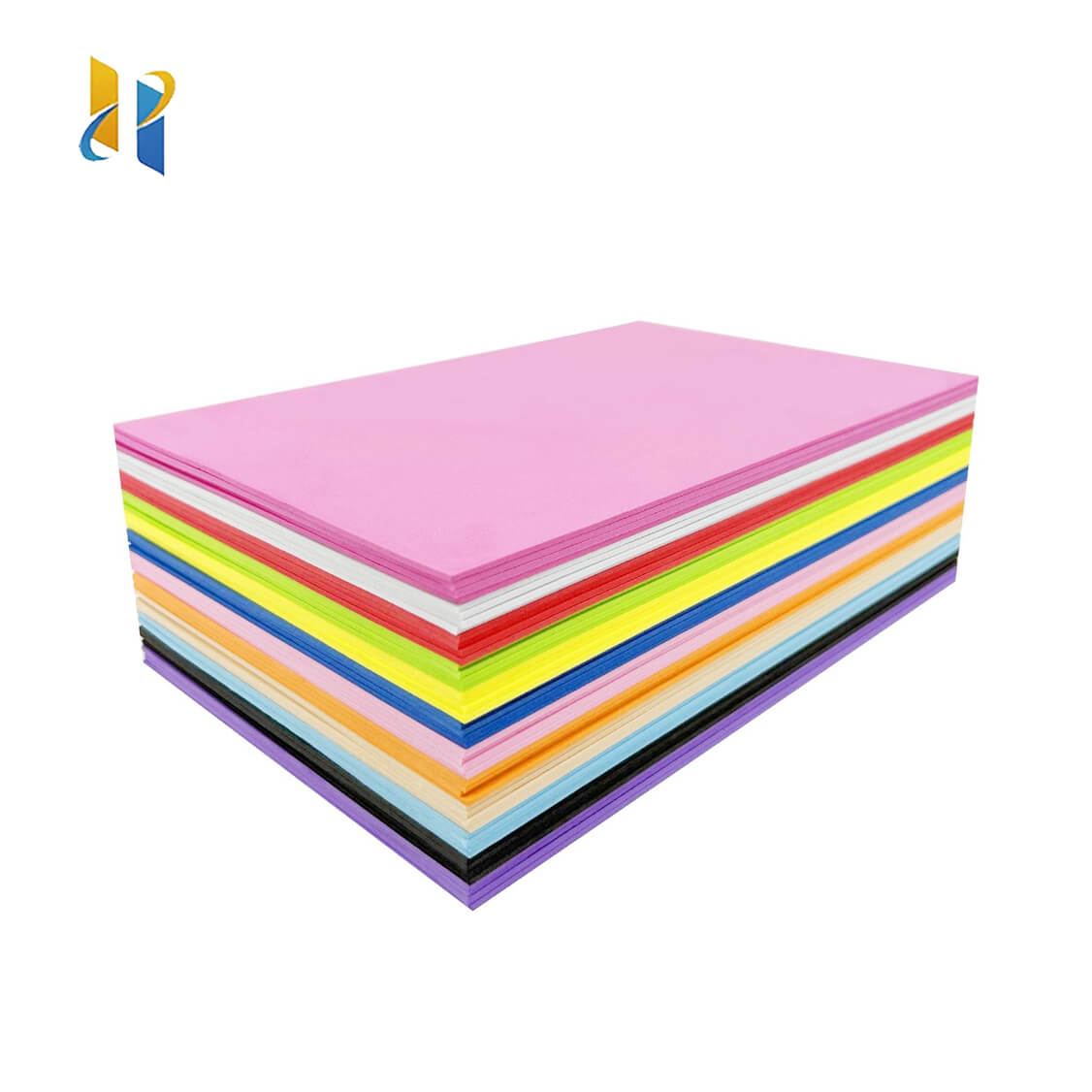
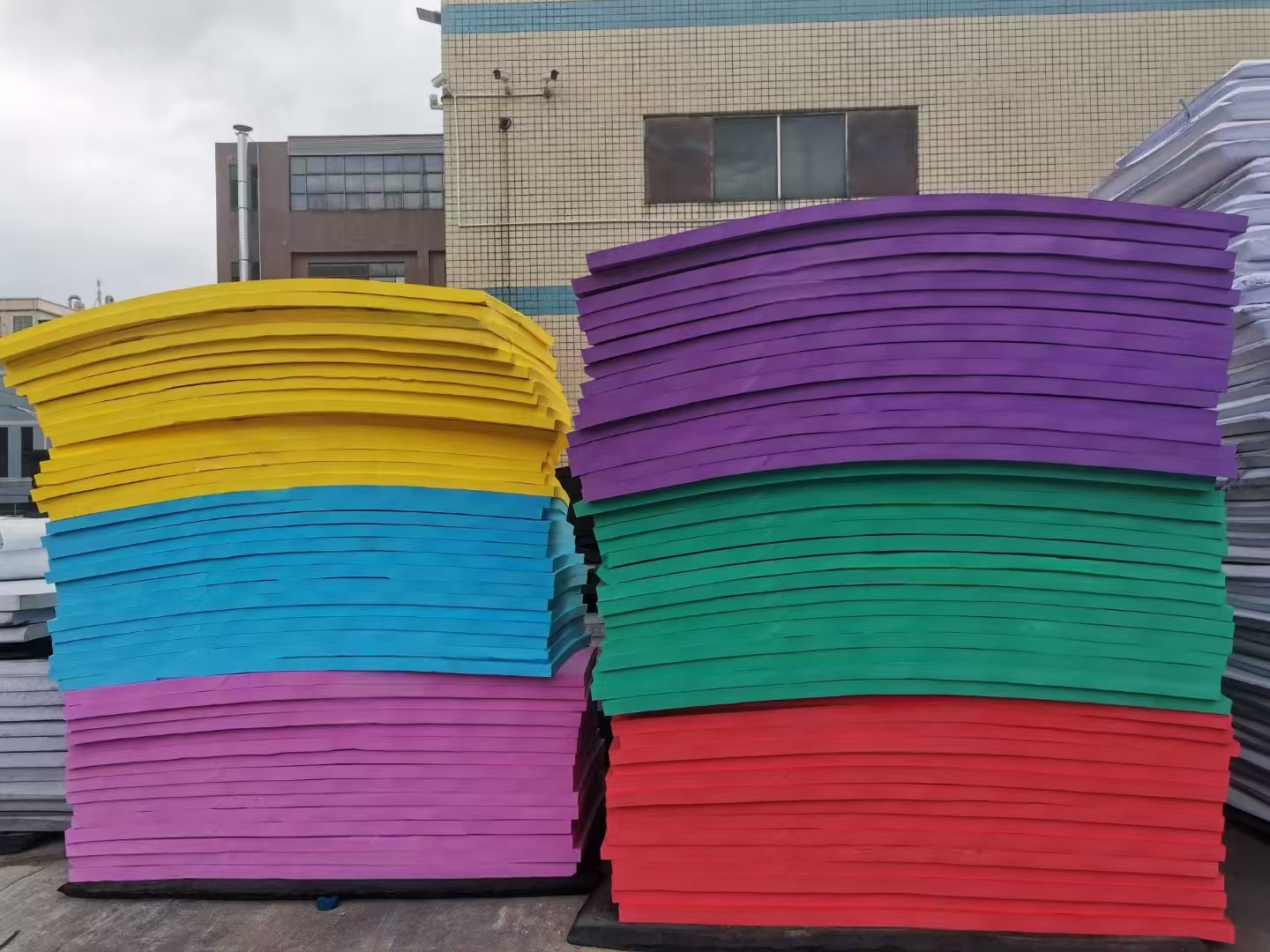
Customizable: Available in various colors, densities, and thicknesses
-
Cost-Effective: More durable than many alternative foams
-
Eco-Friendly Options: Recyclable and available in bio-based formulations
Common Applications
-
Footwear: Midsole cushioning in sports shoes
-
Packaging: Protective inserts for electronics
-
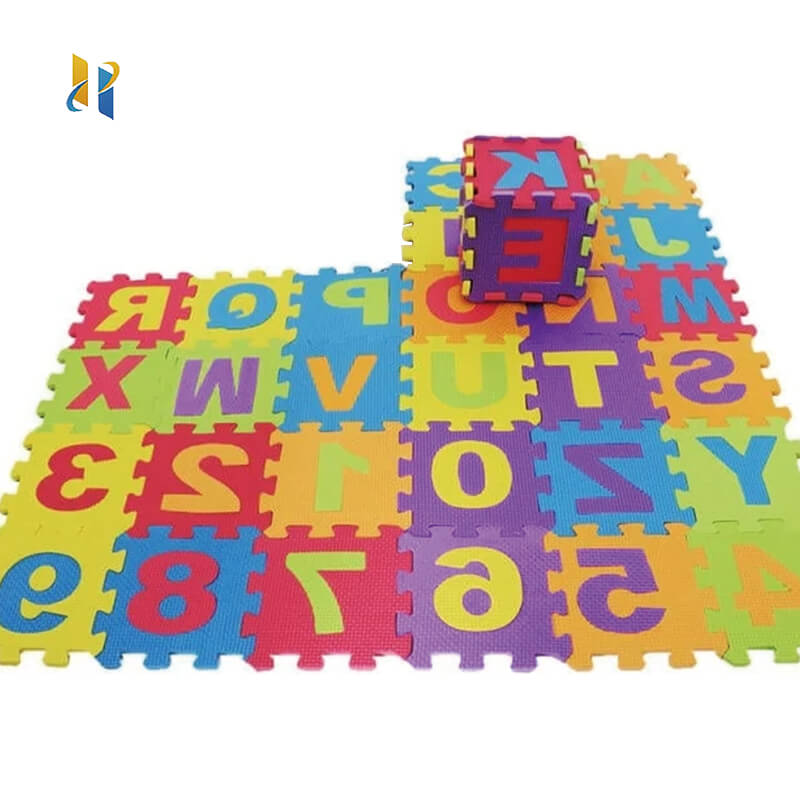
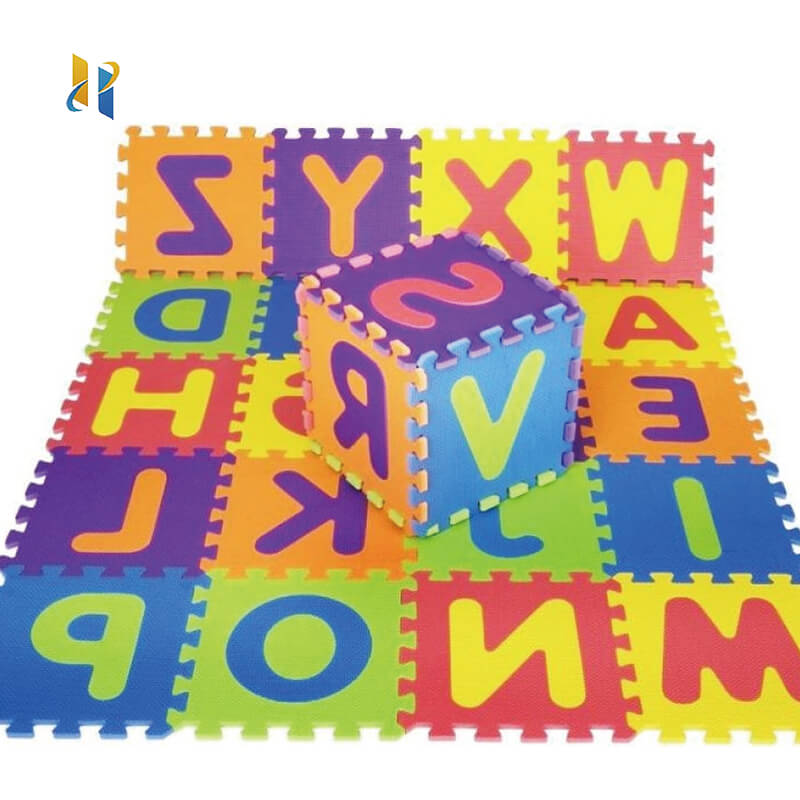
Sports Equipment: Yoga mats, helmet liners
-
Automotive: Door panel insulation, gaskets
-
Medical: Orthotics, prosthetic padding
-
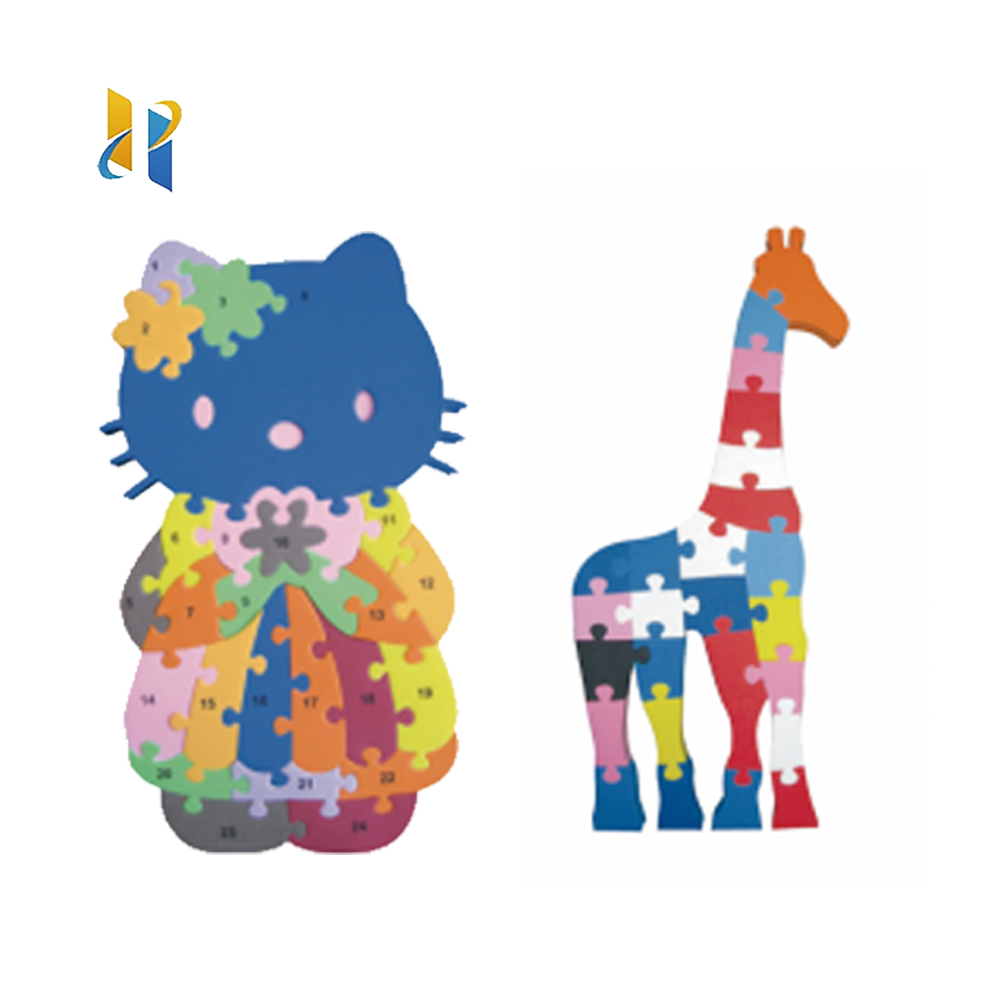
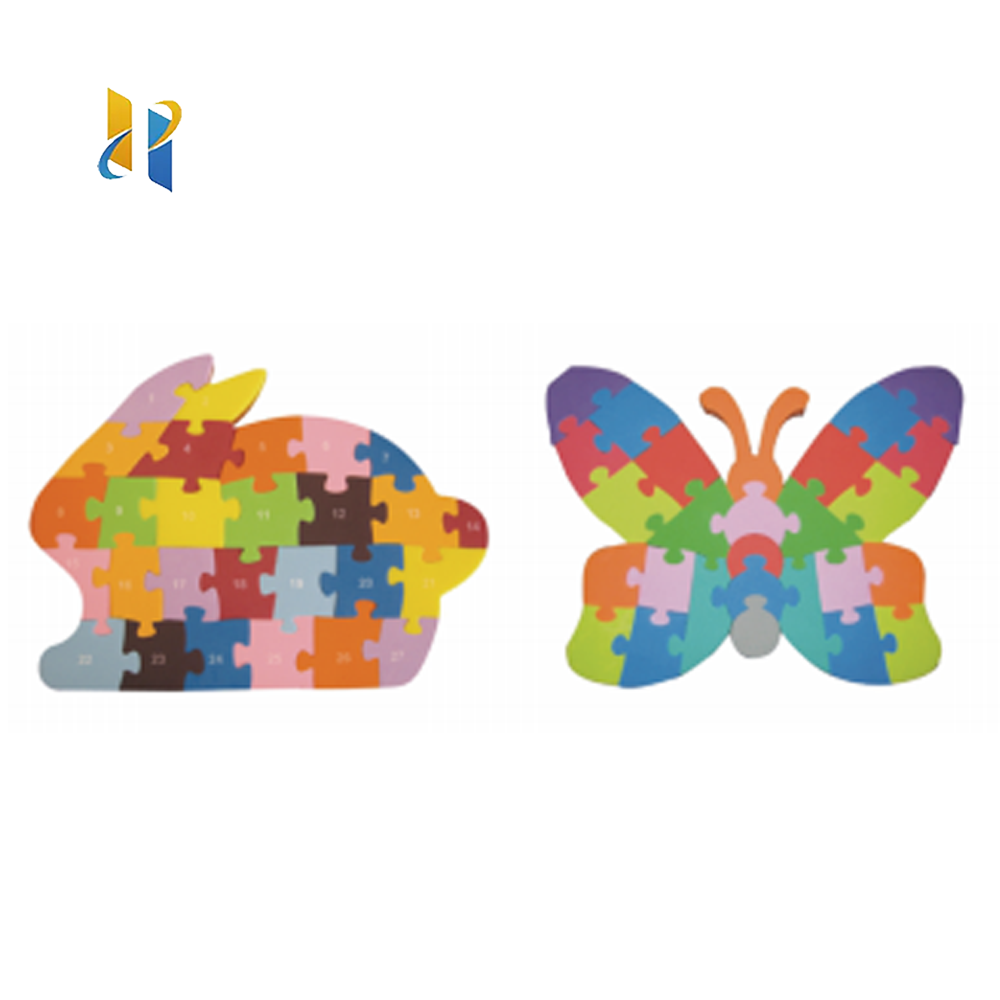
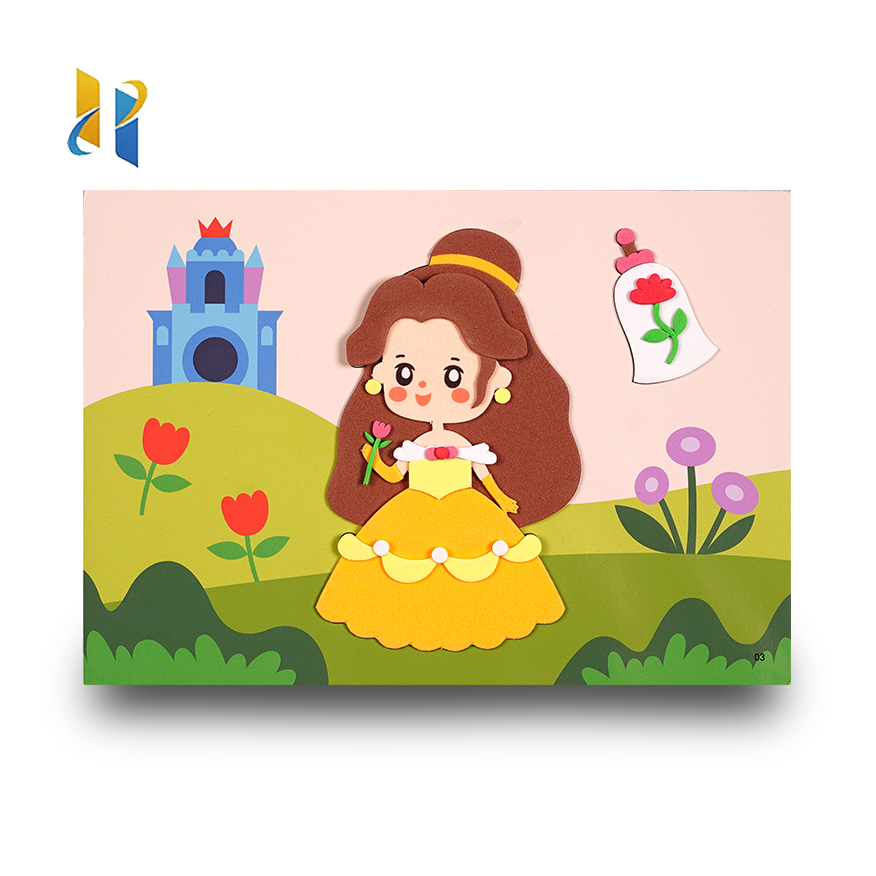
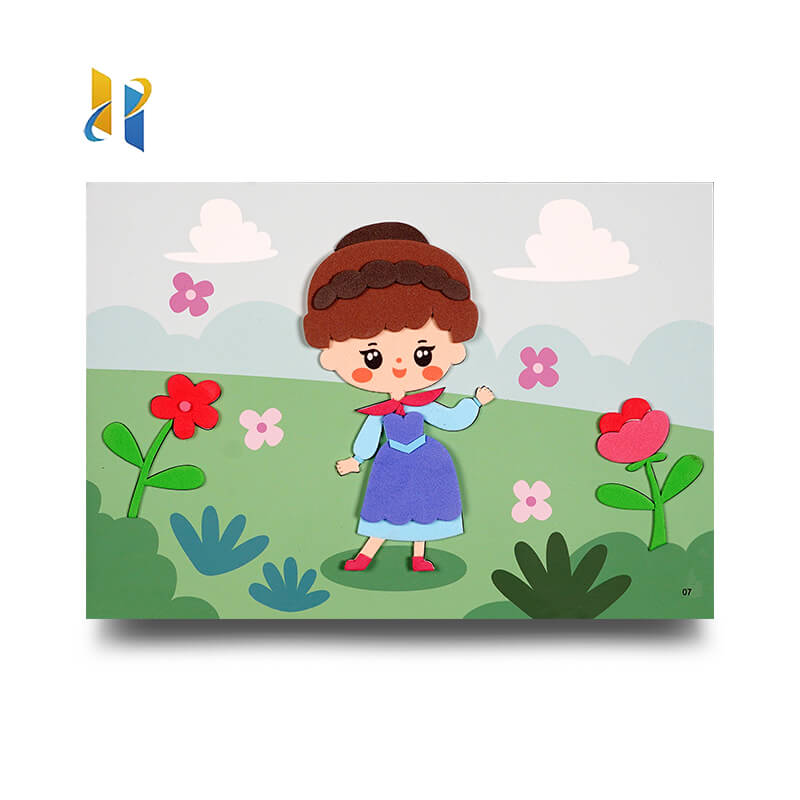
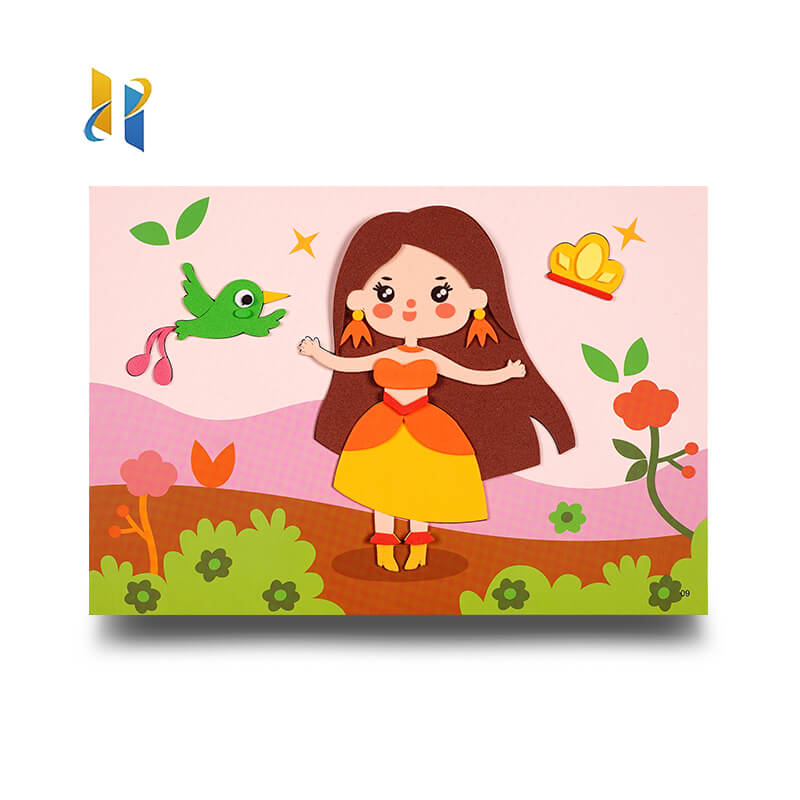
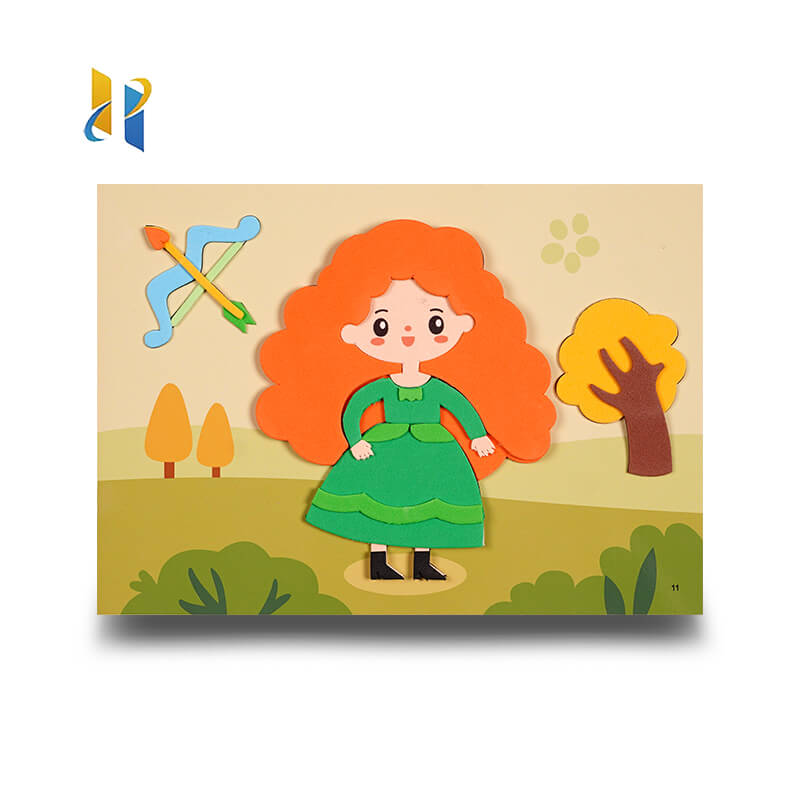
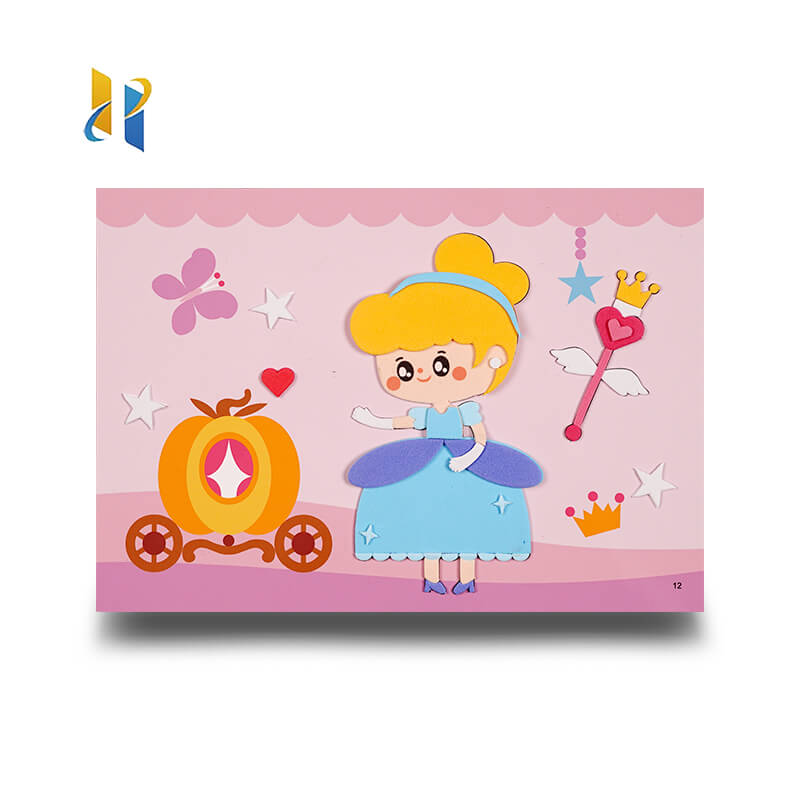
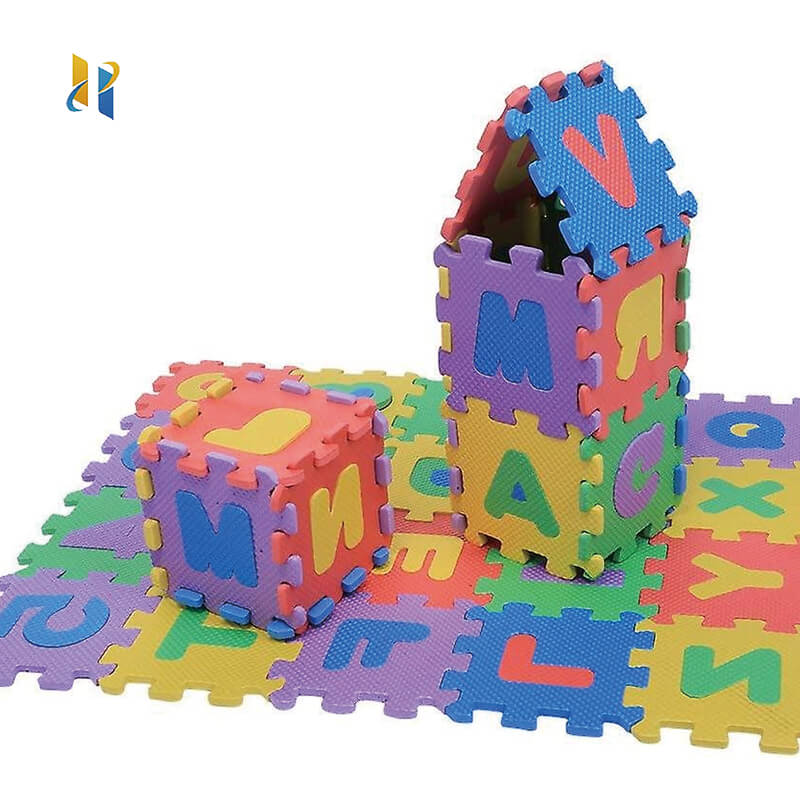
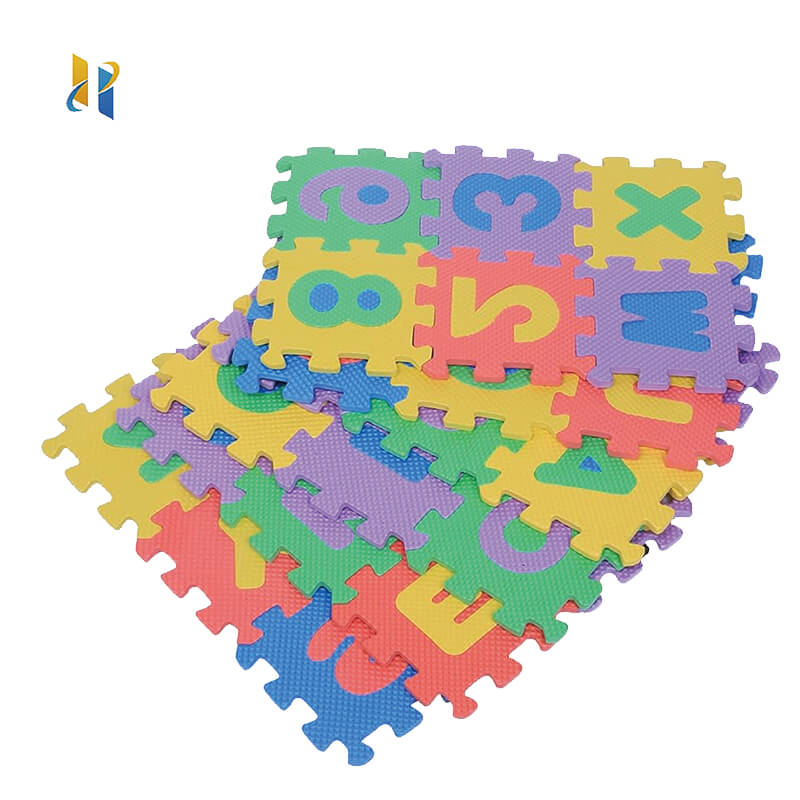
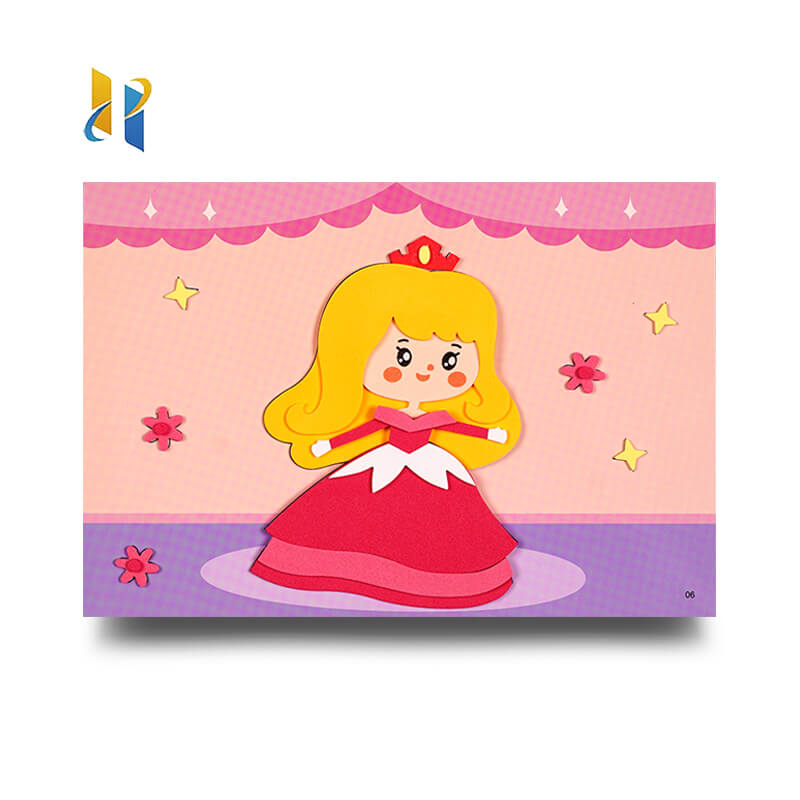
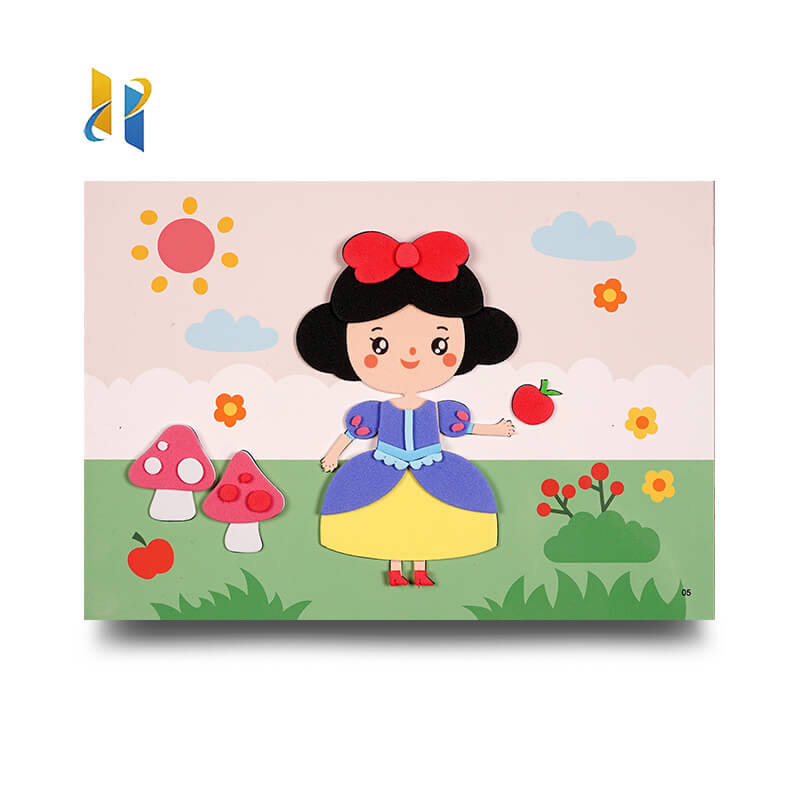
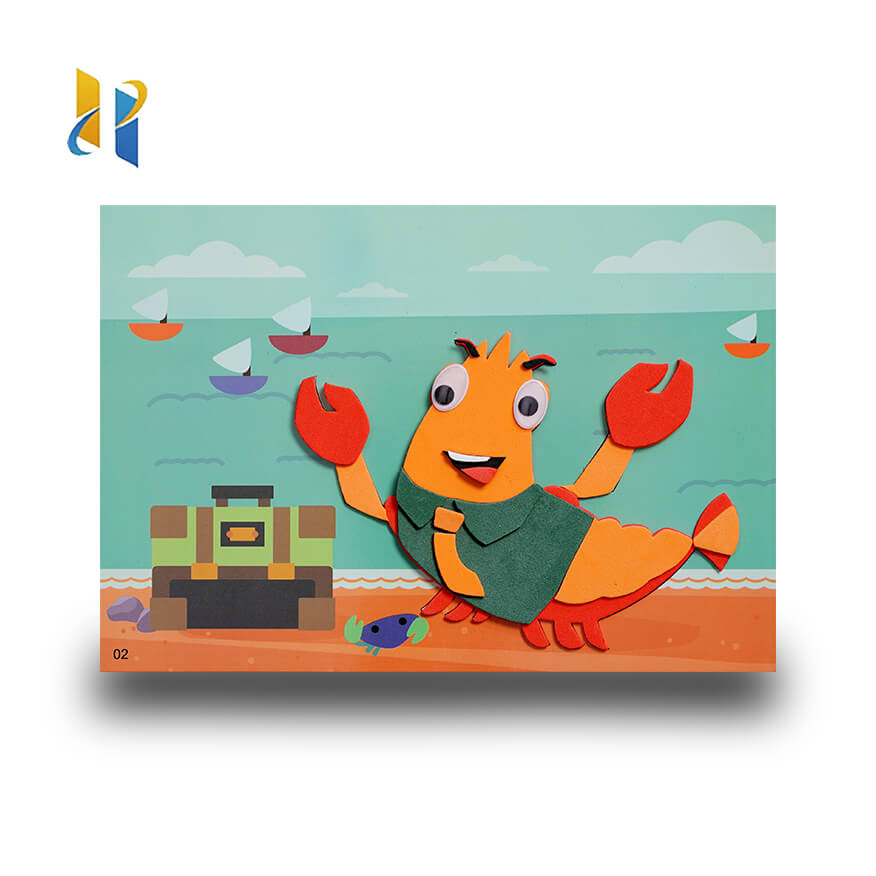
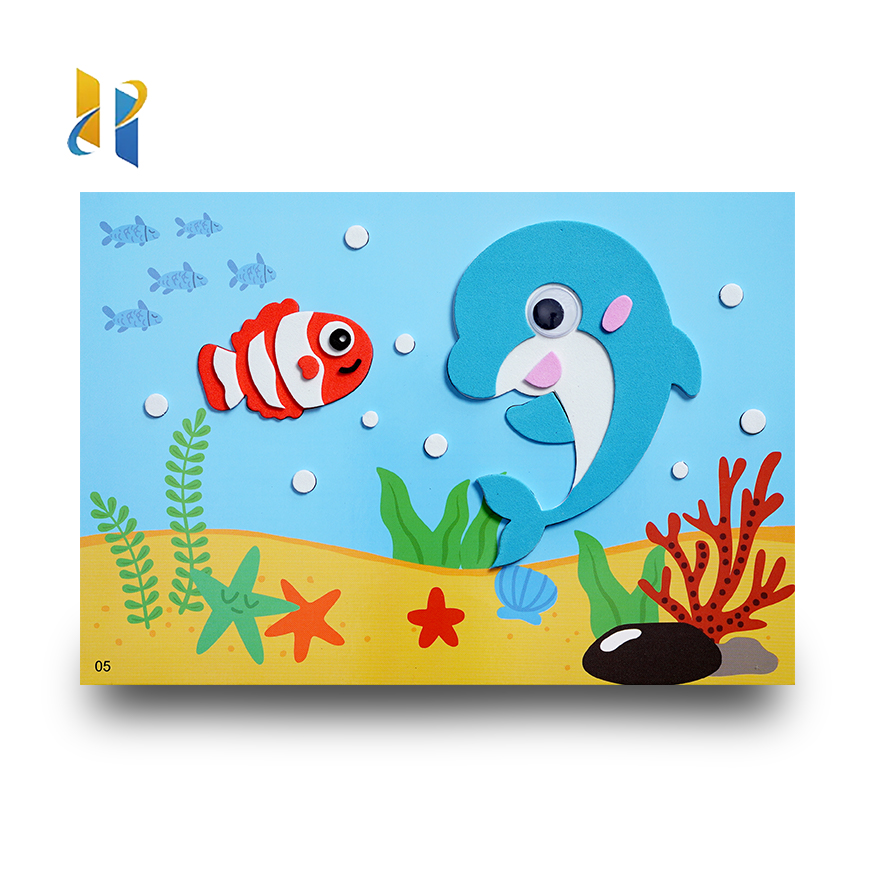
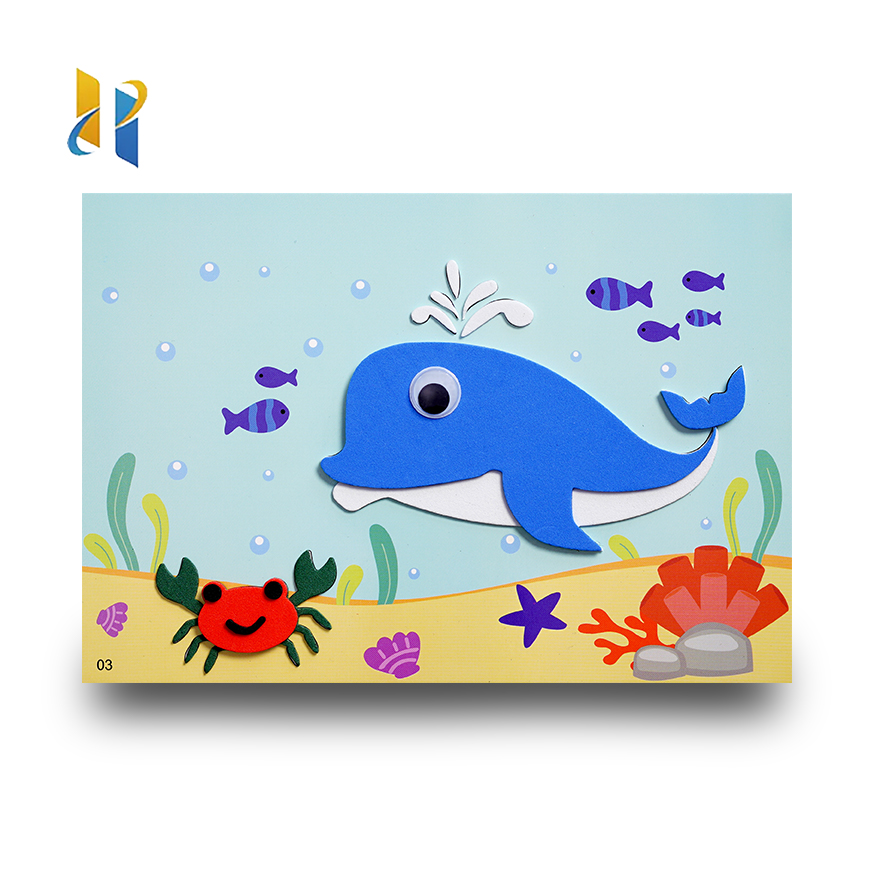
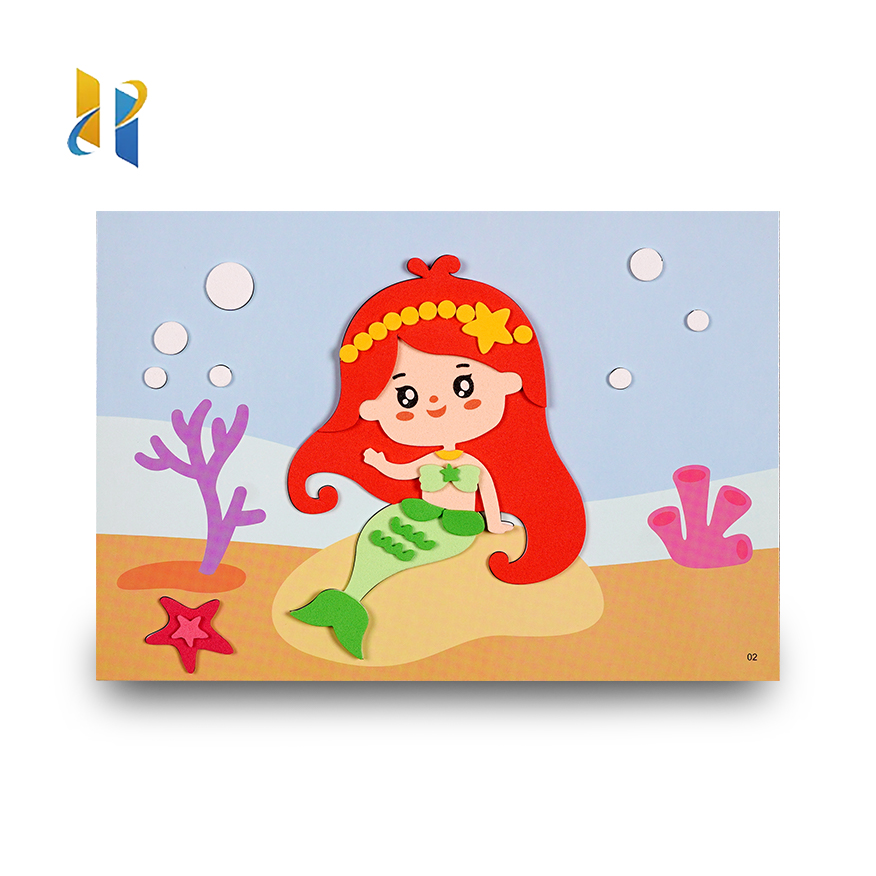
Crafts: Cosplay armor, DIY projects
Industry Advantages
EVA foam has become the material of choice for engineers and designers due to its:
-
Excellent energy return (65-75% rebound)
-
Low-temperature flexibility
-
Good acoustic insulation properties
-
Ease of lamination to other materials
For specific formulation recommendations or material testing data, consult with our technical specialists. EVA foam continues to evolve with new cross-linked and high-performance variants entering the market annually.
Colored EVA foam is mostly used for handcrafting. Please refer to the blog: The Ultimate Guide to EVA Flowers: Beauty That Never Fades
EVA foam application scenarios
how to harden eva foam
Related Article