A comprehensive guide to EVA foam sheets

Of course! Here is a comprehensive guide to EVA foam sheets, covering what they are, their uses, properties, and how to work with them.

What is EVA Foam?
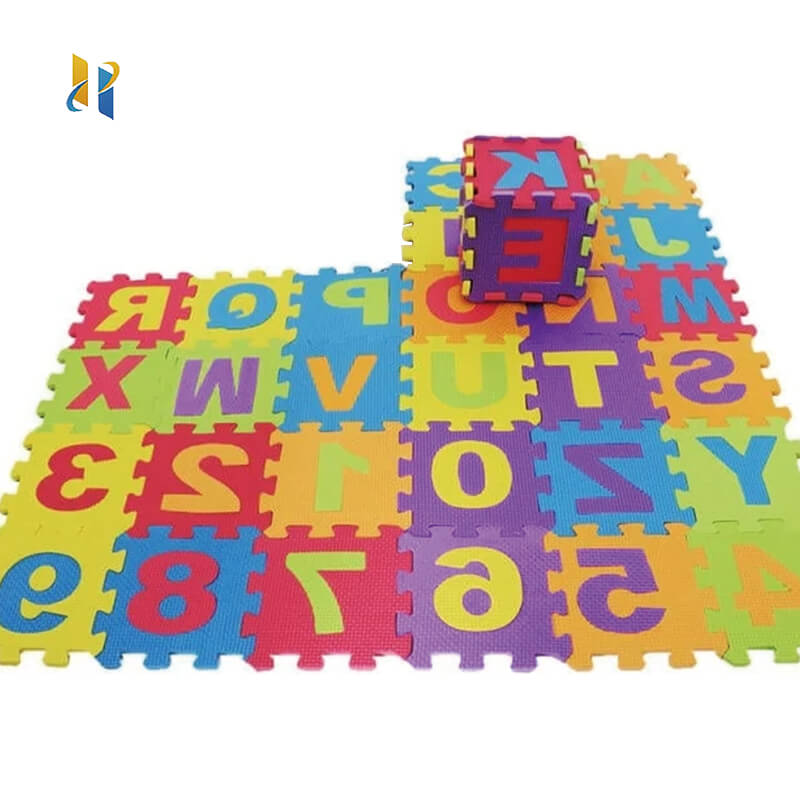
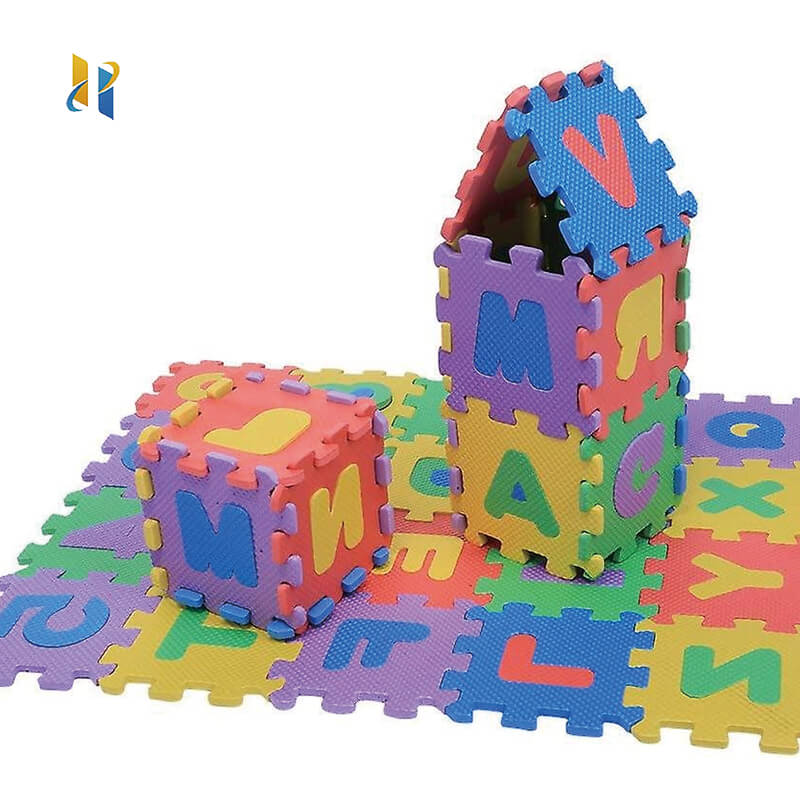
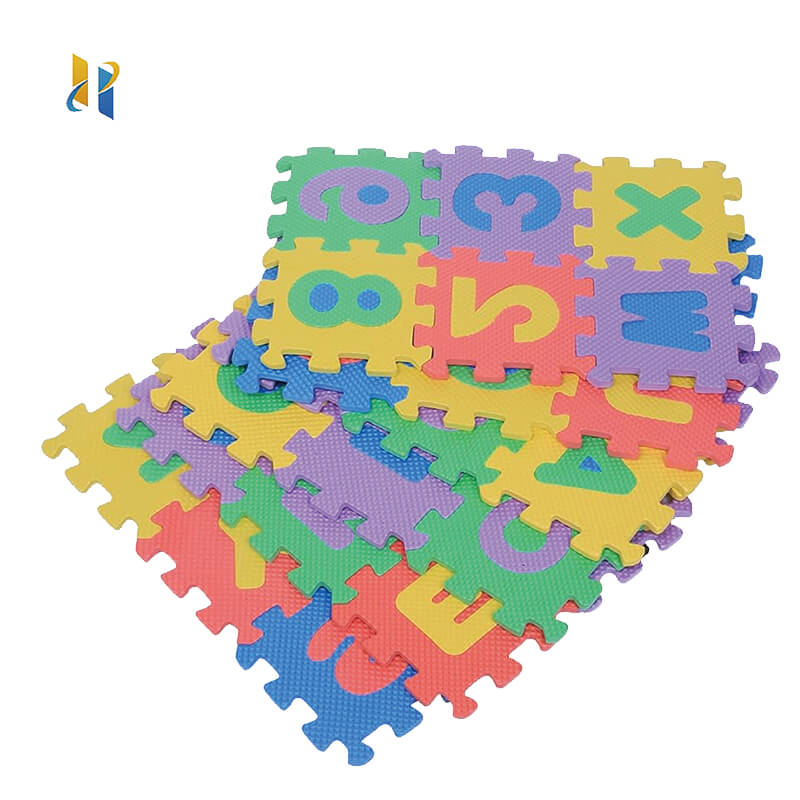
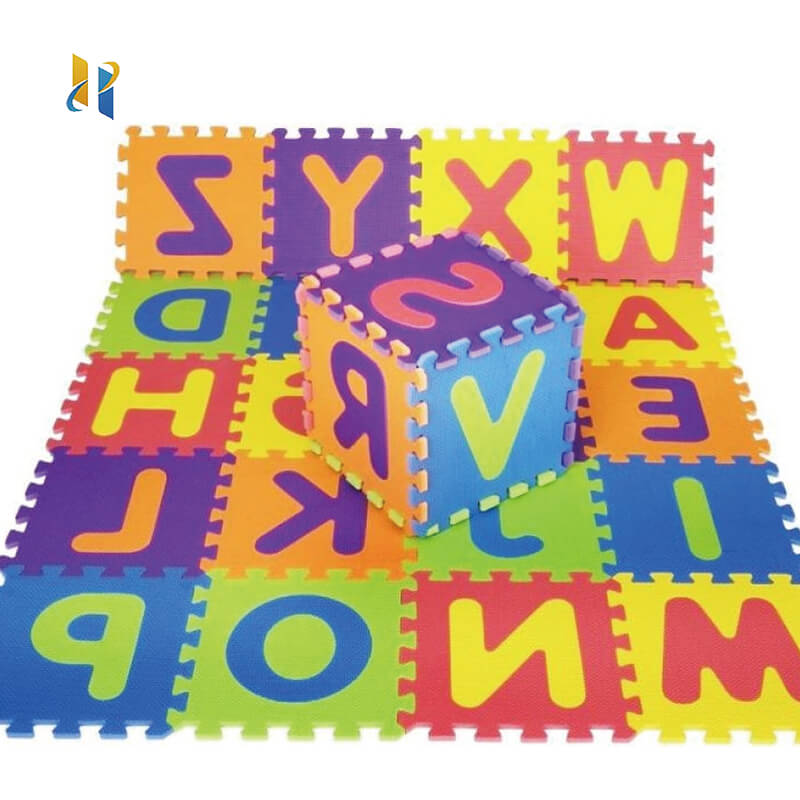
EVA stands for Ethylene-Vinyl Acetate. It's a closed-cell, rubber-like foam that is incredibly popular in crafting, cosplay, and industrial applications. You might know it as the material used for foam floor puzzle mats for kids, yoga mats, or the soles of sports shoes.
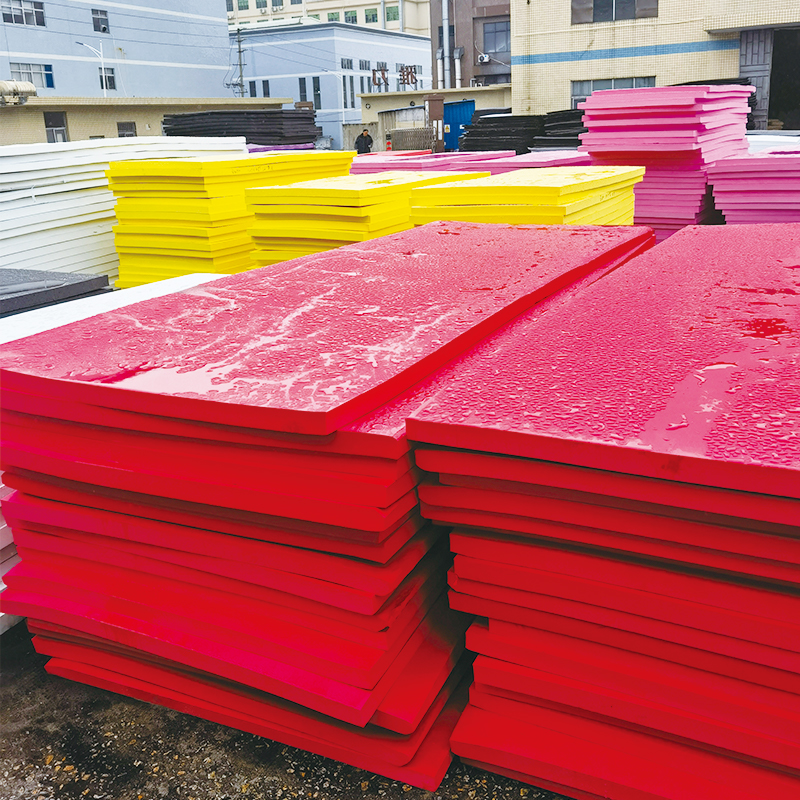
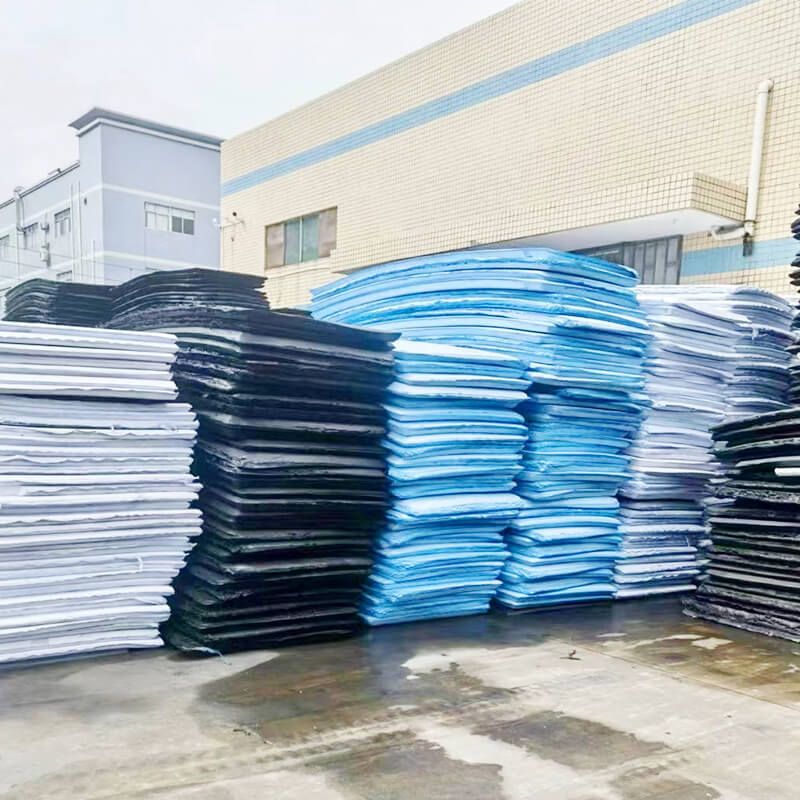
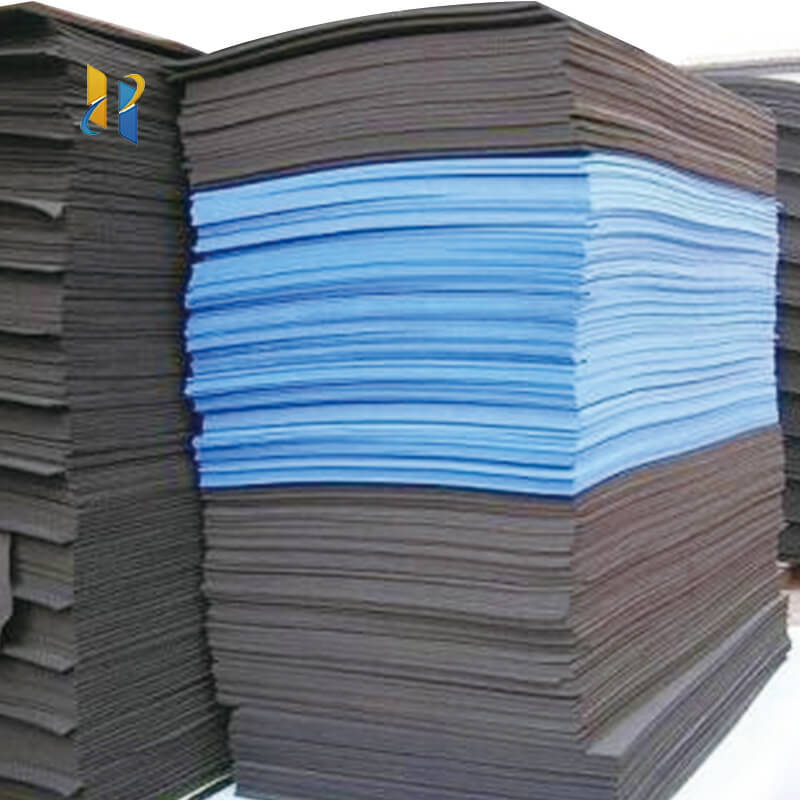
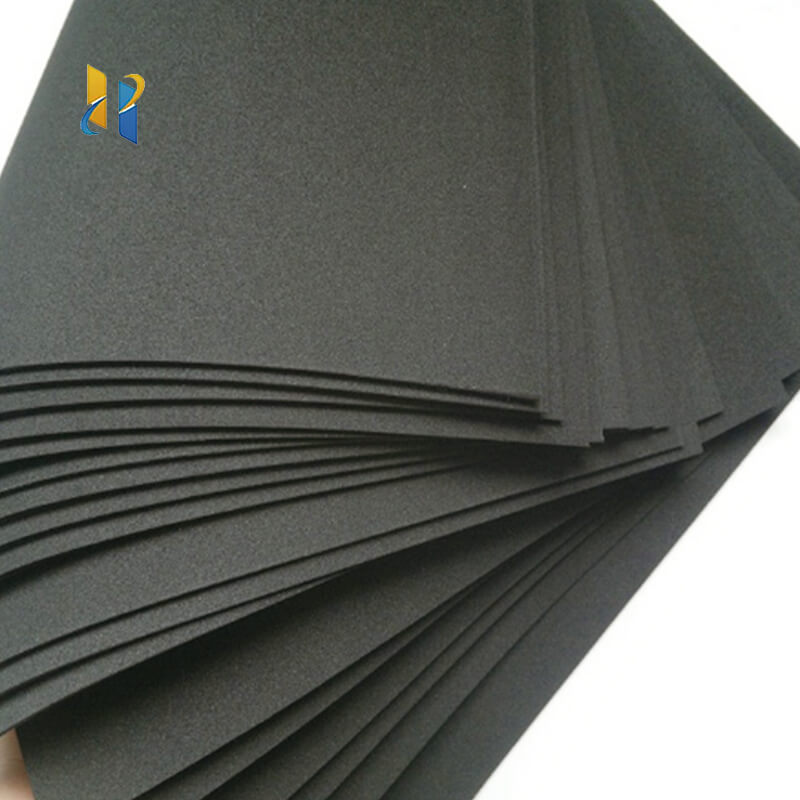
An EVA foam sheet is this material cut into flat, manageable sheets of varying thicknesses and densities.

Key Properties and Advantages
-
Lightweight & Flexible: Easy to handle, cut, and shape without being fragile.
-
Soft & Cushiony: Provides excellent impact absorption and comfort.
-
Durable & Tear-Resistant: Much stronger than many other craft foams and won't rip easily.
-
Water & Weather Resistant: Closed-cell structure means it doesn't absorb water, making it great for outdoor projects.
-
Non-Toxic & Odorless: Safe for crafting and cosplay.
-
Easy to Work With: Can be easily cut, sanded, heated, shaped, and glued.
-
Accepts Paint Well: With proper preparation, it can be painted to look like metal, wood, leather, etc.

Common Uses and Applications
-
Cosplay & Props (#1 Use): This is the primary reason for its popularity. Cosplayers use it to create armor, helmets, weapons, gauntlets, and all manner of fantasy and sci-fi details. Its ability to be heat-shaped makes it perfect for conforming to body curves.
-
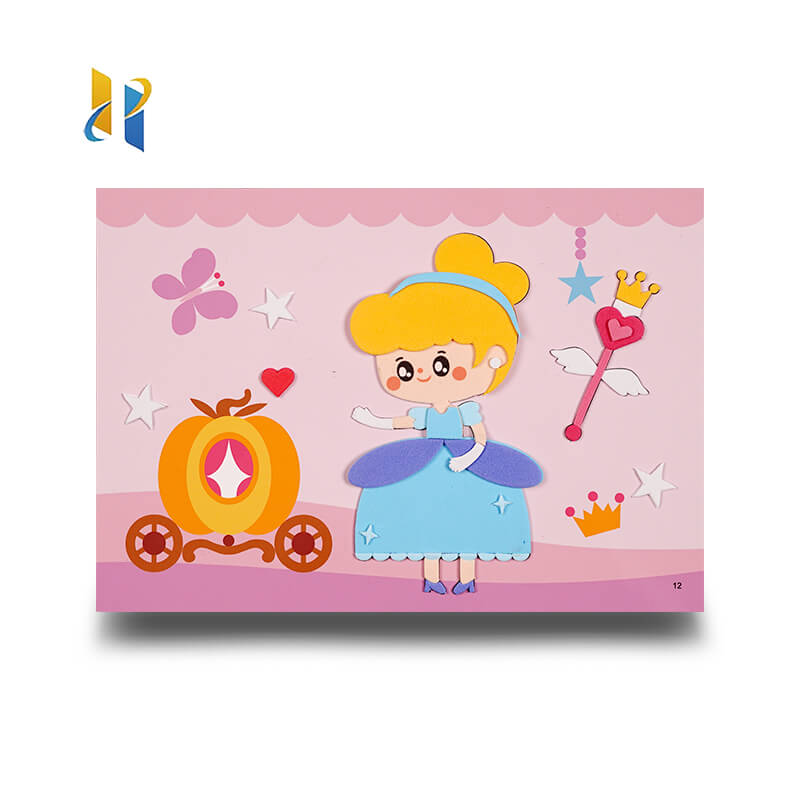
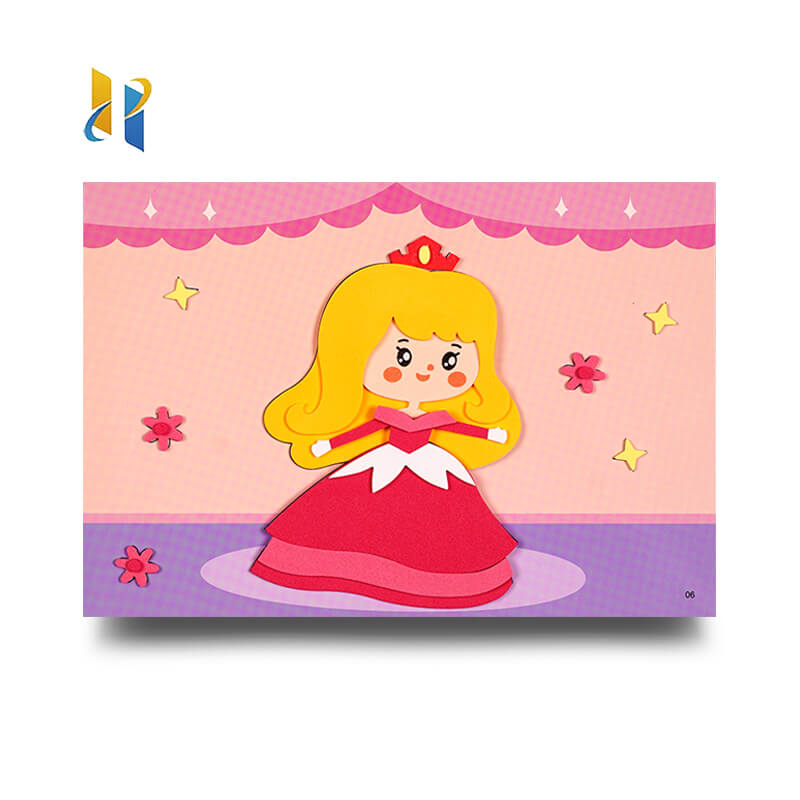
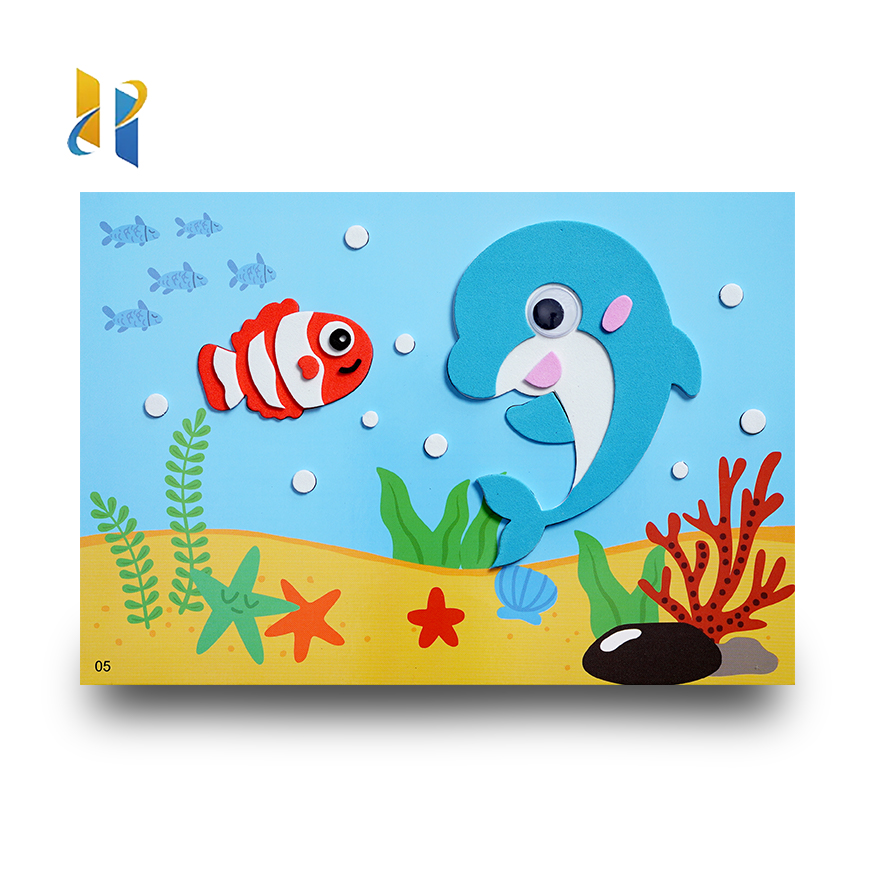
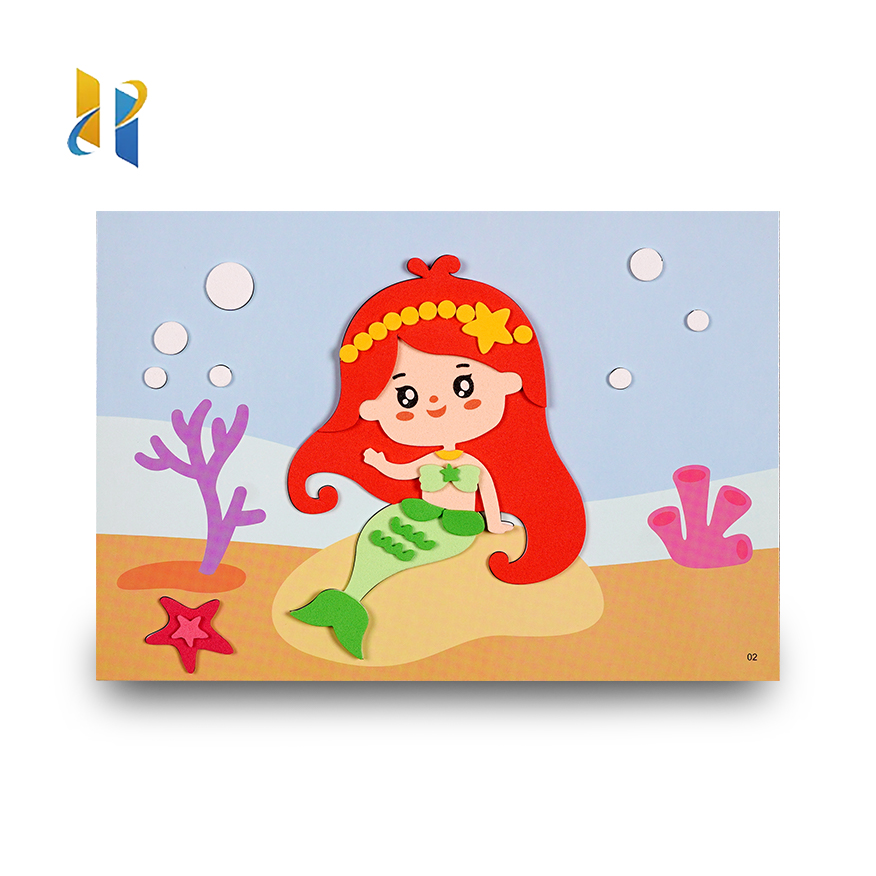
Crafting & DIY Projects: Used for making stamps, stencils, kids' activities, model scenery, and decorative elements.
-
Costume & Theater Production: Similar to cosplay, used for creating lightweight, durable props and armor for stage performances.
-
Sports & Protection: Used for making custom padding for sports equipment, knee/elbow pads, or inserts.
-
Packaging & Insulation: Its shock-absorbing properties make it excellent for protective packaging inserts for delicate electronics and tools.
-
Floor Mats & Yoga Mats: Often the base material for these products.

Types of EVA Foam Sheets
Not all EVA foam is created equal. You'll encounter a few main types:
-
Cosplay Foam: Often sold by companies like Cosplay or Punished Props. This is usually high-quality, low-density foam with a very smooth, fine surface that minimizes sanding. It's specifically designed for prop-making.
-
Craft Foam (2-6mm): Thin, flexible sheets found in most craft stores. Great for adding detail layers, scales, and smaller elements on top of thicker foam armor.
-
Floor Mat Foam (10-12mm): The thick, puzzle-piece mats you see. This is the most affordable way to get thick foam, but it often has a textured "grip" pattern on one side that needs to be sanded off for cosplay use.
-
High-Density EVA: A firmer, more rigid version used for heavier-duty applications like sole inserts or industrial padding.

How to Work With EVA Foam: A Quick Guide
Tools You'll Need:
-
Cutting: Sharp utility knives, X-Acto blades, or a hot knife for clean cuts.
-
Shaping: A heat gun is essential. Heating the foam makes it pliable so you can bend and form it. It will hold its new shape once it cools.
-
Gluing: Contact cement (like Barge or DAP) is the gold standard. It creates a incredibly strong, flexible bond that is perfect for seams.
-
Sanding: Low-grit sandpaper (60-120 grit), a Dremel tool, or a rotary sander to smooth edges and bevels.
-
Sealing: Before painting, you must seal the foam. Popular sealants include:
-
Mod Podge (mixed with black paint or PVA glue)
-
Flexi-Paint / Plasti Dip (spray or brush-on)
-
Gesso
-
-
Painting: Acrylic paints are most common. Use a primer after sealing for the best results. Many use spray paints, but be cautious as some solvents can melt foam—always test first!
Basic Process:
-
Design & Template: Create a paper or cardstock pattern.
-
Trace & Cut: Trace the pattern onto the foam and cut it out.
-
Heat Form: Use a heat gun to shape the pieces (e.g., curving a flat piece into an arm bracer).
-
Glue: Use contact cement to join pieces together.
-
Detail: Sand edges, add grooves with a wood burner or Dremel, and add other textural details.
-
Seal: Apply 2-3 thin coats of your chosen sealer, letting it dry completely between coats.
-
Paint & Weather: Prime, paint, and add weathering effects for a realistic finish.

Where to Buy
-
Online Retailers: Amazon is a major source for all types and brands (Cosplay, Foamory, etc.).
-
Specialty Cosplay Stores: Websites like Cosplay, Punished Props, and TNT Cosplay specialize in high-quality sheets and kits.
-
Craft Stores: Michaels, Hobby Lobby, and Joann carry thinner craft foam sheets.
-
Hardware & Big-Box Stores: Home Depot, Lowes, Walmart for floor mats and utility foam.
Price
Price varies greatly by quality and source. Craft foam is very cheap (~$1 per sheet). Cosplay-specific foam is more expensive ($15-$30 for a large sheet). Floor mats are the most cost-effective for bulk thickness.
In summary, EVA foam sheet is a versatile, user-friendly material that is the cornerstone of modern cosplay and creative fabrication. Its ease of use and incredible potential for transformation make it a favorite among makers of all skill levels.
How to use EVA foam
1mm EVA Foam Sheets – Ideal for Handicrafts & DIY
Related Article