What is EVA foam sheet?
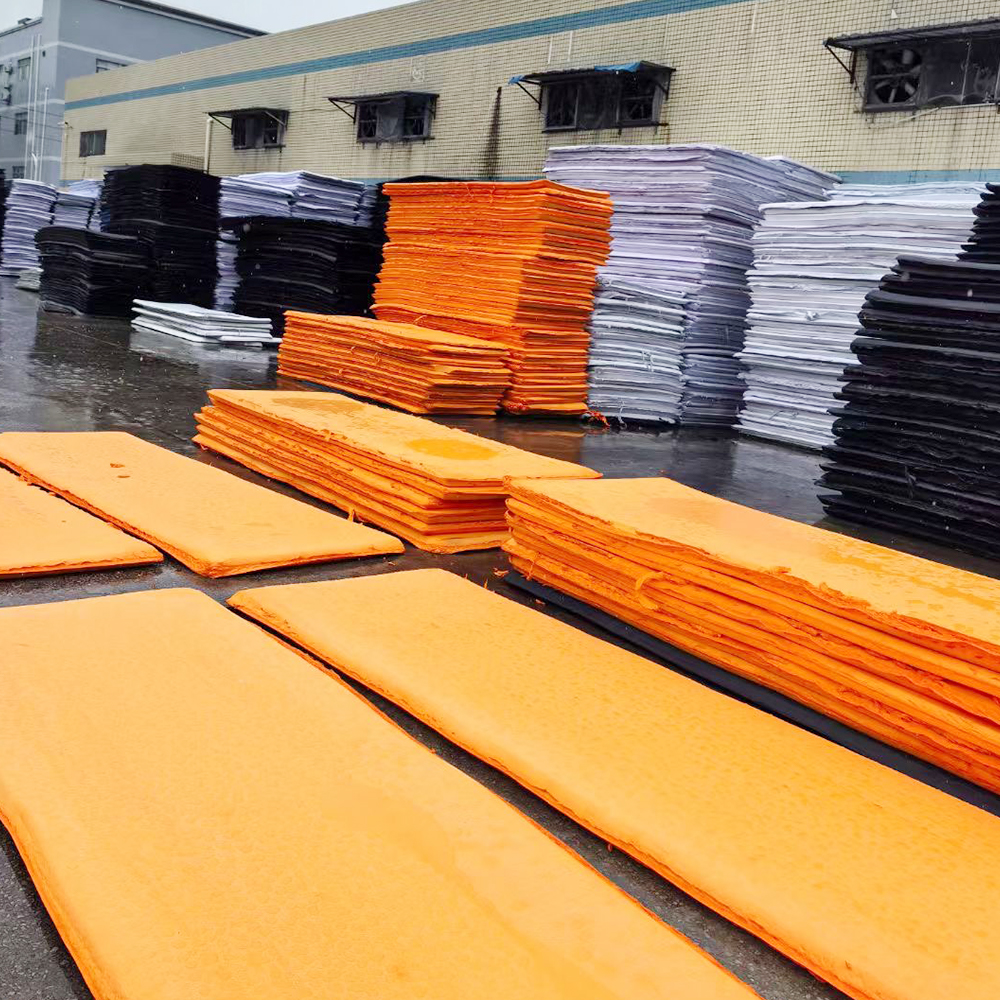
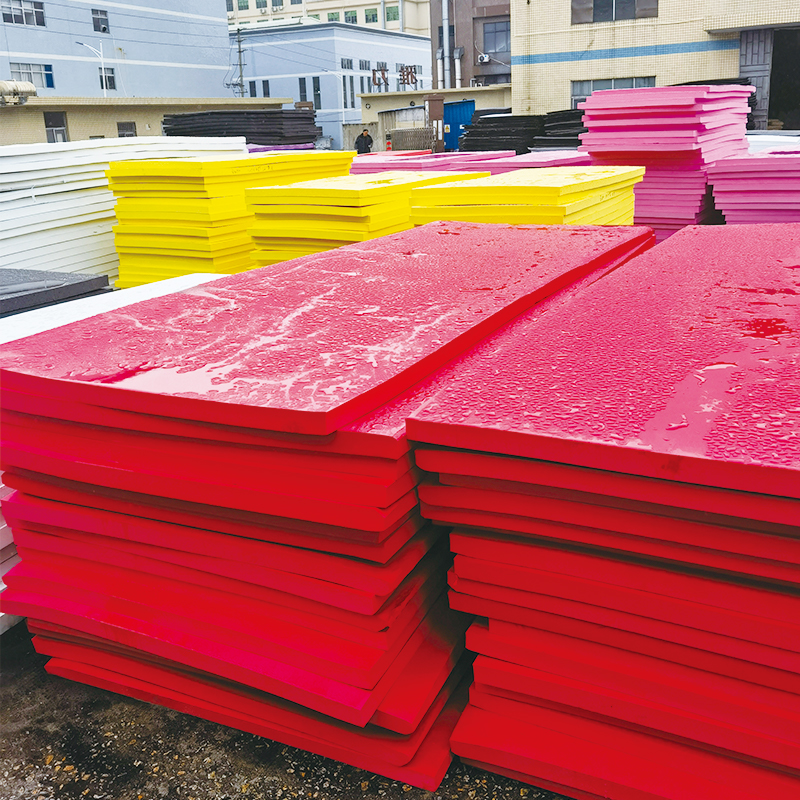
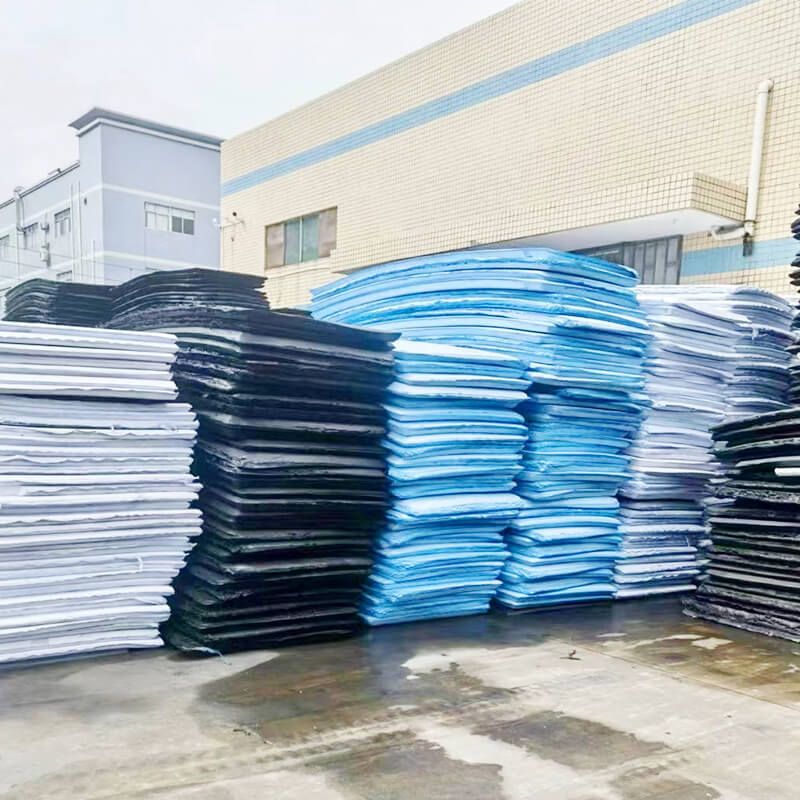
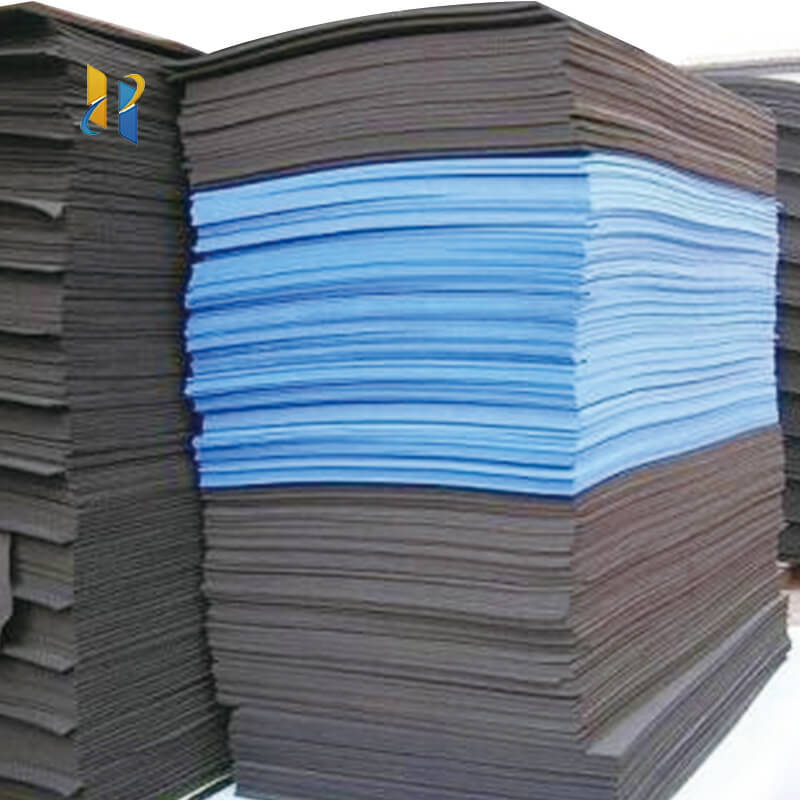
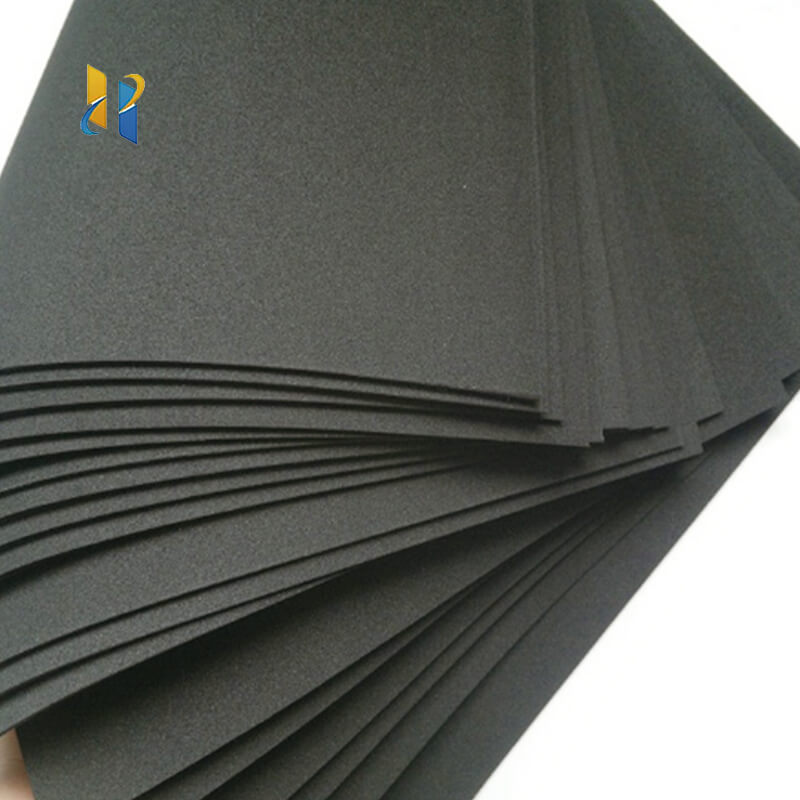
An EVA foam sheet is a flat, versatile material made from Ethylene-Vinyl Acetate (EVA), a copolymer that is processed to create a closed-cell, rubber-like foam. These sheets are produced in a wide range of thicknesses, densities, and colors for various applications.
You encounter EVA foam in everyday life—it's the material used for:
-
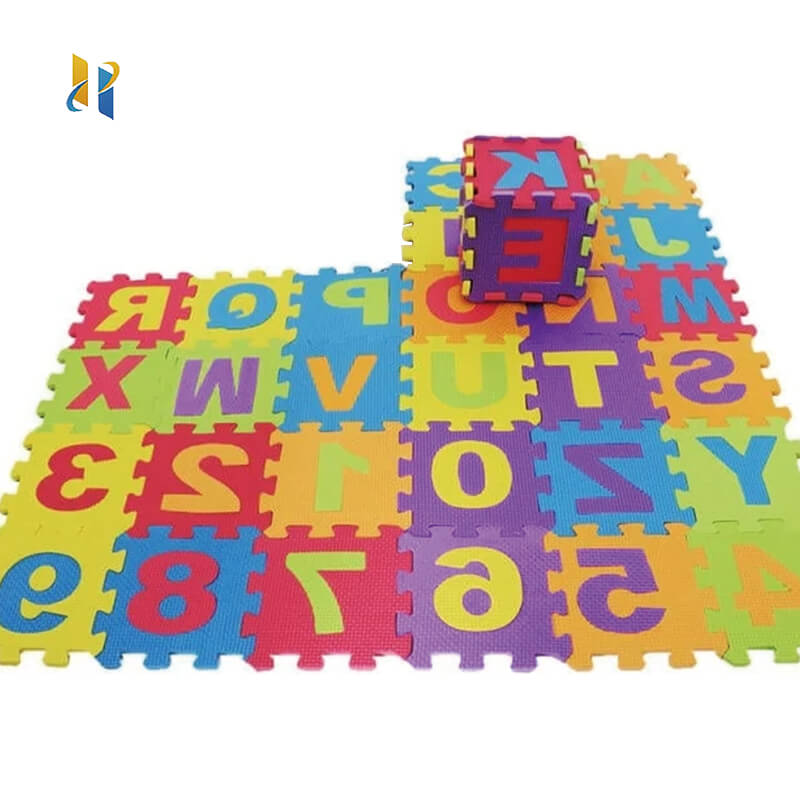
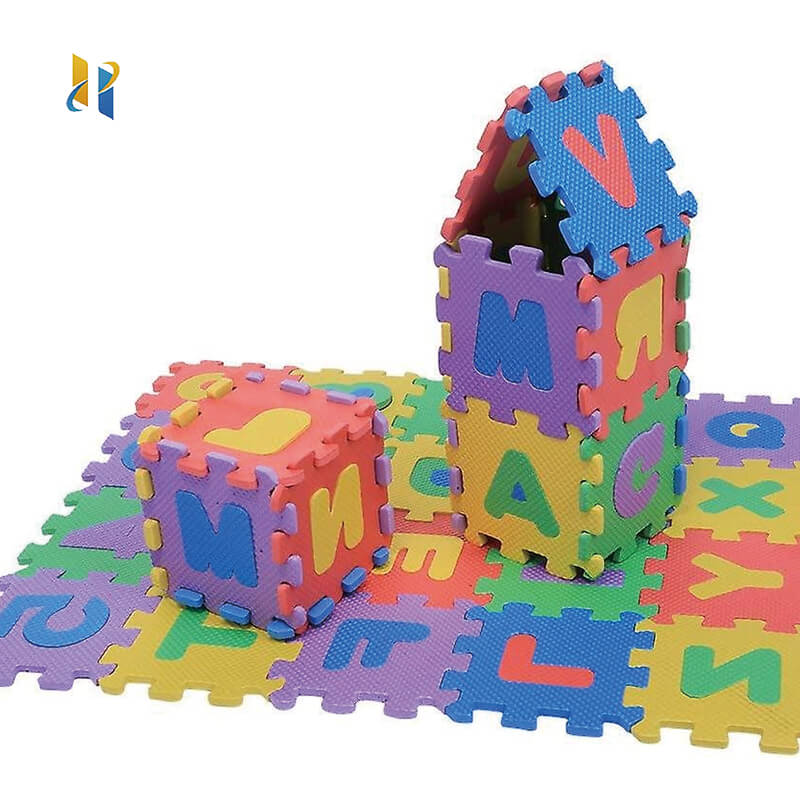
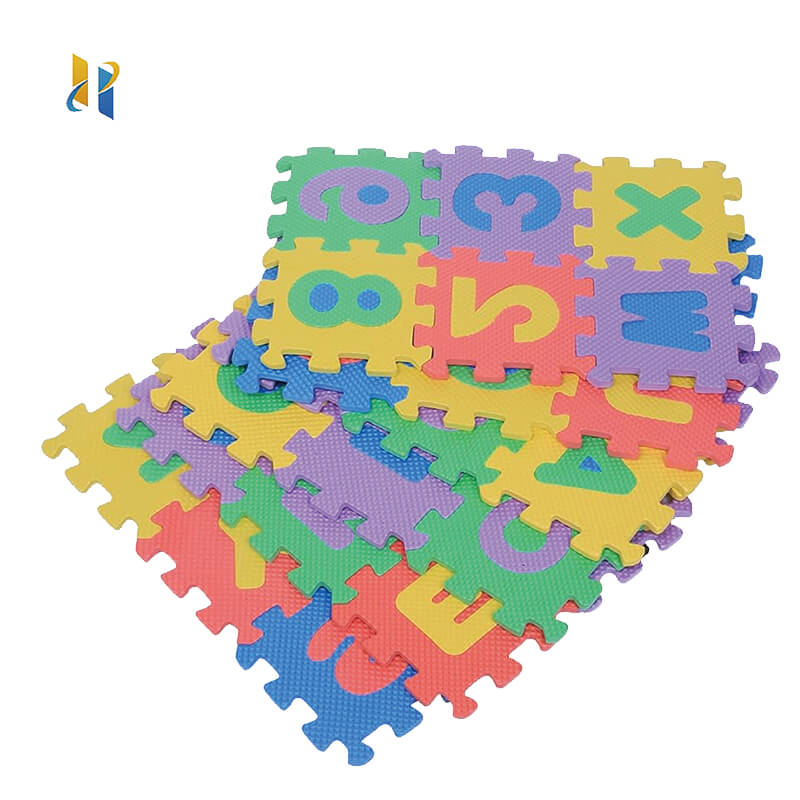
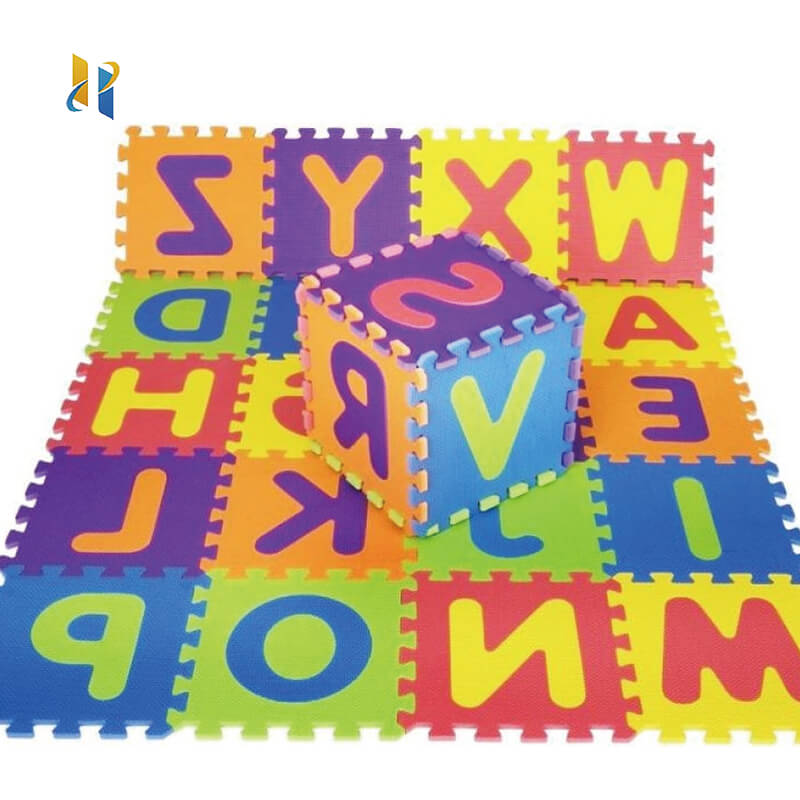
Children's interlocking floor puzzle mats
-
Yoga mats
-
The cushioned soles of many sports shoes and sandals
-
Sports equipment padding
When this material is cut into manageable flat panels for crafting and industrial use, it's called an EVA foam sheet.

Key Properties and Advantages
EVA foam sheets are beloved by makers and industries for their unique combination of properties:
-
Lightweight & Flexible: Easy to handle, cut, and shape without being brittle.
-
Soft & Cushiony: Provides excellent impact absorption and comfort underfoot or as padding.
-
Durable & Tear-Resistant: Much stronger and more durable than many other craft foams; it won't rip easily.
-
Water & Weather Resistant: Its closed-cell structure means it does not absorb water, making it ideal for outdoor projects and mats.
-
Non-Toxic & Odorless: Generally very safe for crafting and children's projects.
-
Easy to Work With: Can be easily cut with a utility knife, sanded, heated with a heat gun for shaping, and glued with specific adhesives.
-
Accepts Paint Well: When properly sealed, it can be painted to look like metal, wood, leather, and more.

Common Types of EVA Foam Sheets
Not all EVA foam is the same. The main types you'll encounter are:
| Type | Description | Common Uses |
|---|---|---|
| Cosplay Foam | High-quality, low-density foam with a very smooth, fine surface. Often sold by brands like Cosplay. | Creating detailed props, armor, and costumes. Minimizes visible pores and sanding. |
| Craft Foam | Thin, flexible sheets (typically 2-6 mm thick). Often found in craft stores. | Adding detail layers, scales, and smaller elements on top of thicker foam. |
| Floor Mat Foam | Thick sheets (usually 10-12 mm). The most affordable type, but often has a textured "grip" pattern on one side. | The base structure for large armor pieces. Requires sanding to remove texture. |
| High-Density EVA | A firmer, more rigid and durable version of EVA foam. | Heavier-duty applications like sole inserts, industrial padding, and more structural props. |

Most Common Uses
-
Cosplay & Props (#1 Use): This is the primary driver of its popularity. Cosplayers use it to create armor, helmets, weapons, gauntlets, and all manner of fantasy and sci-fi details. Its ability to be heat-shaped makes it perfect for conforming to body curves.
-
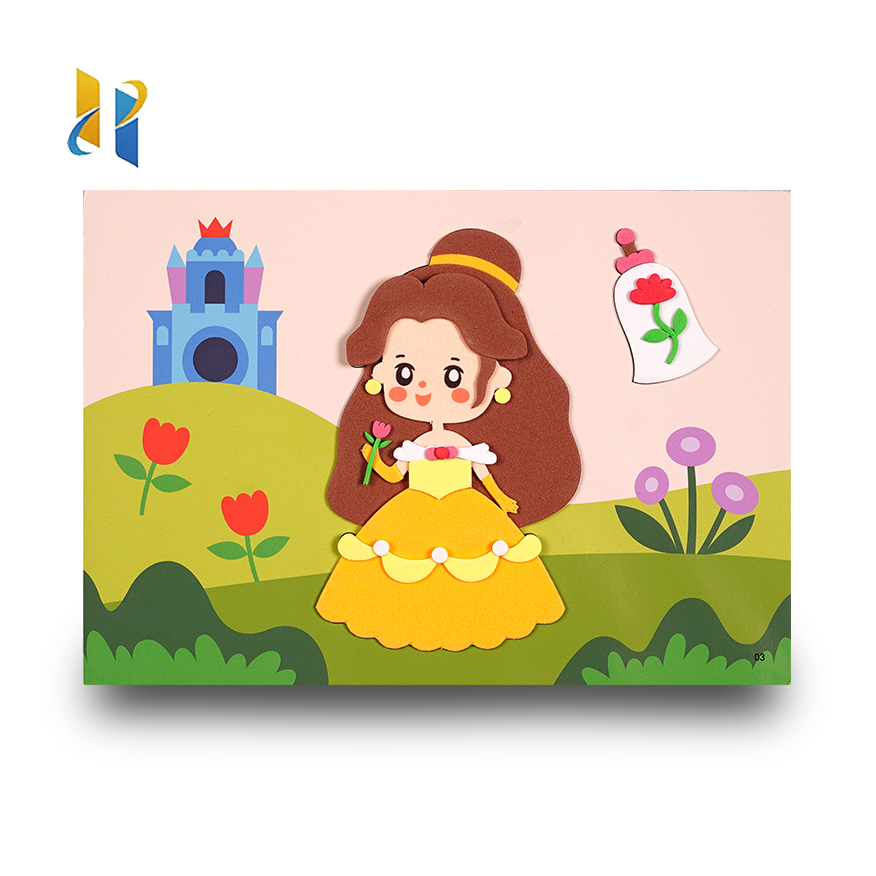
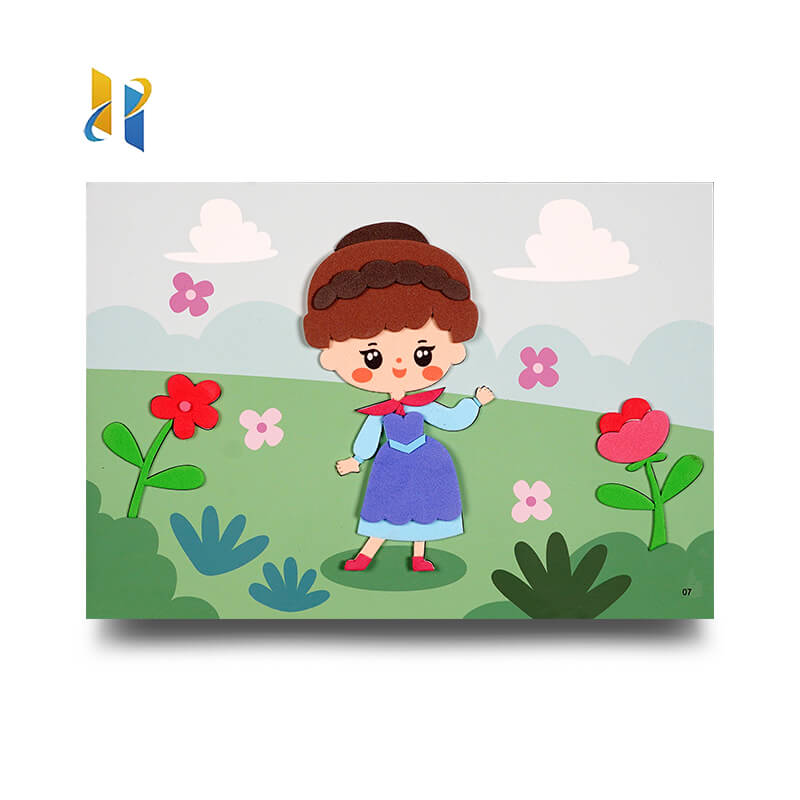
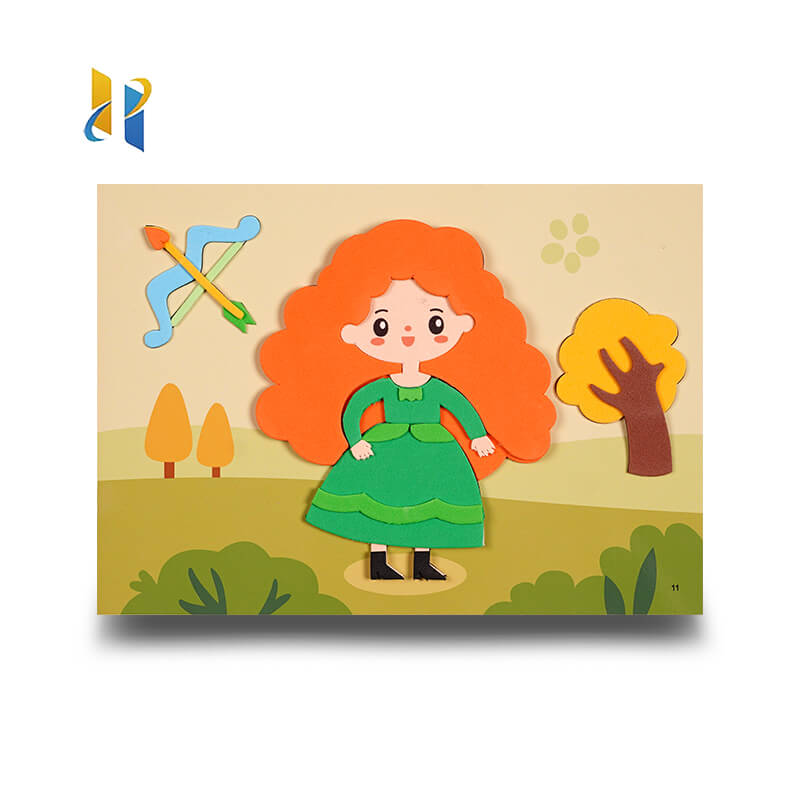
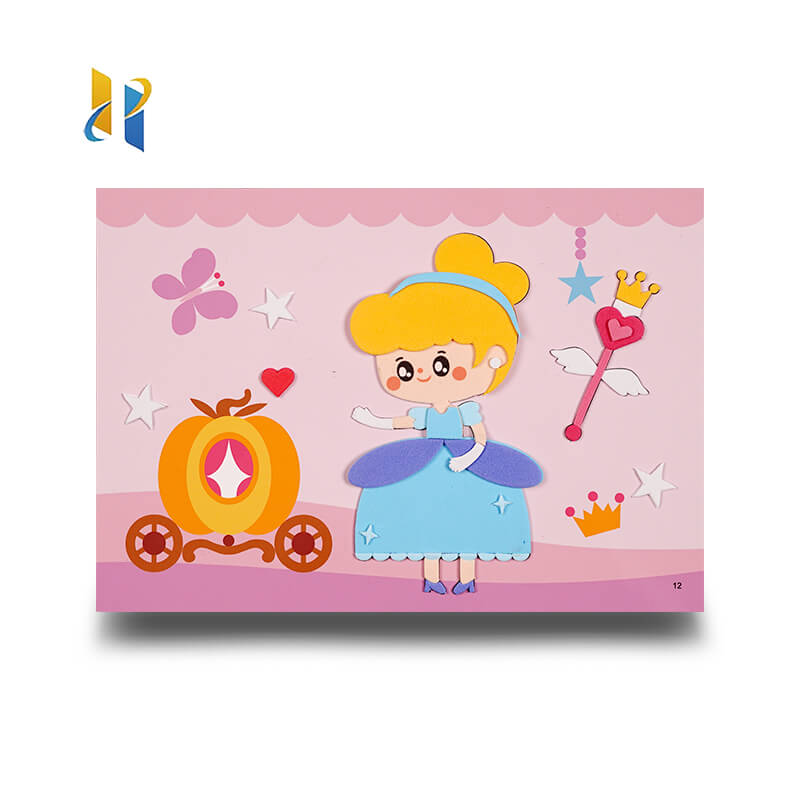
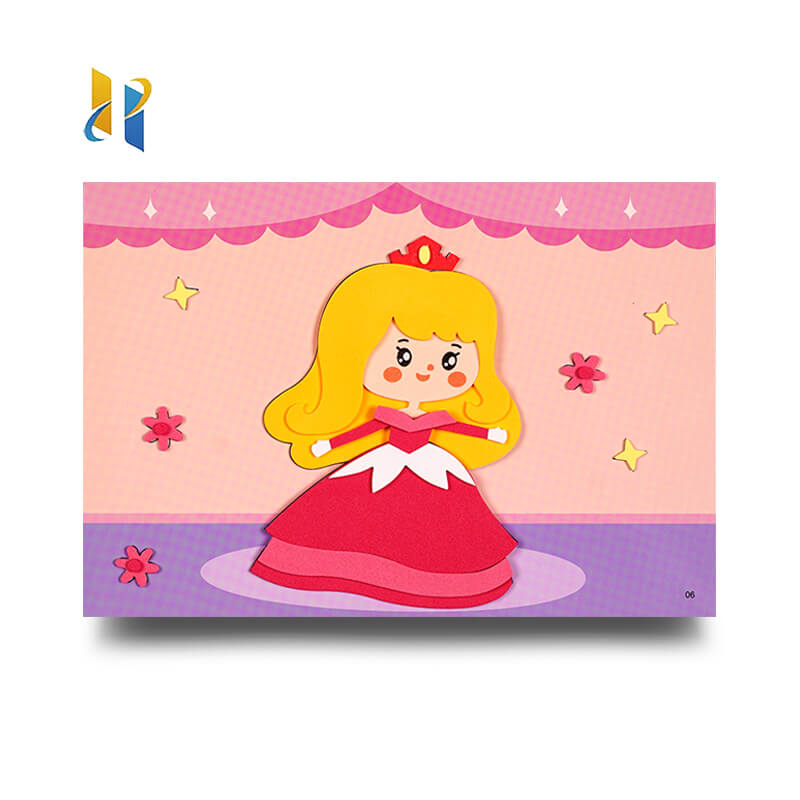
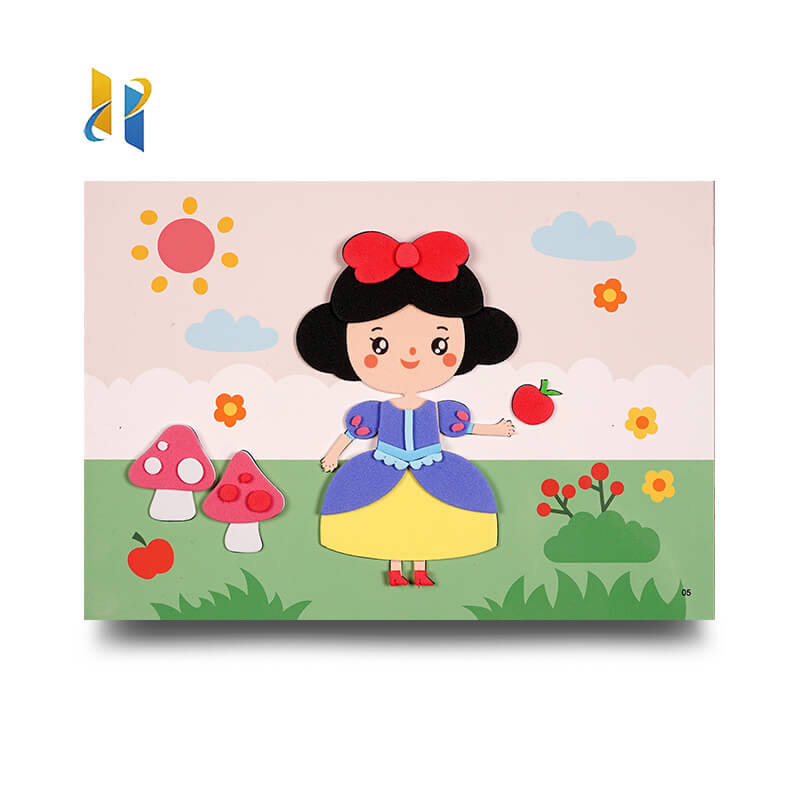
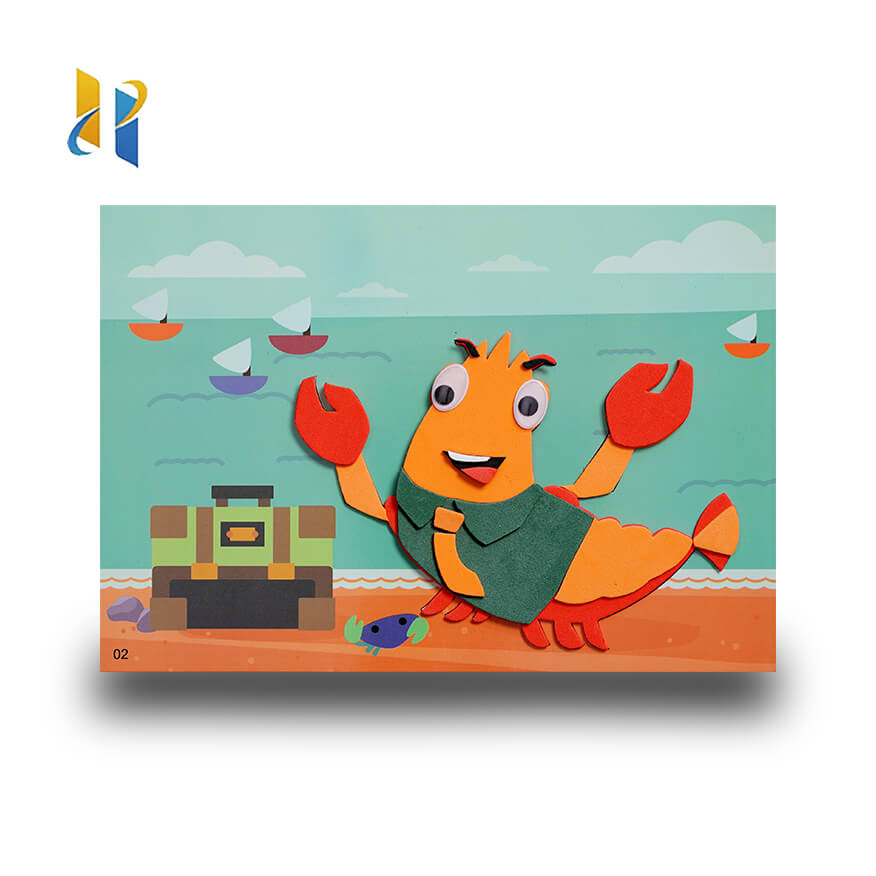
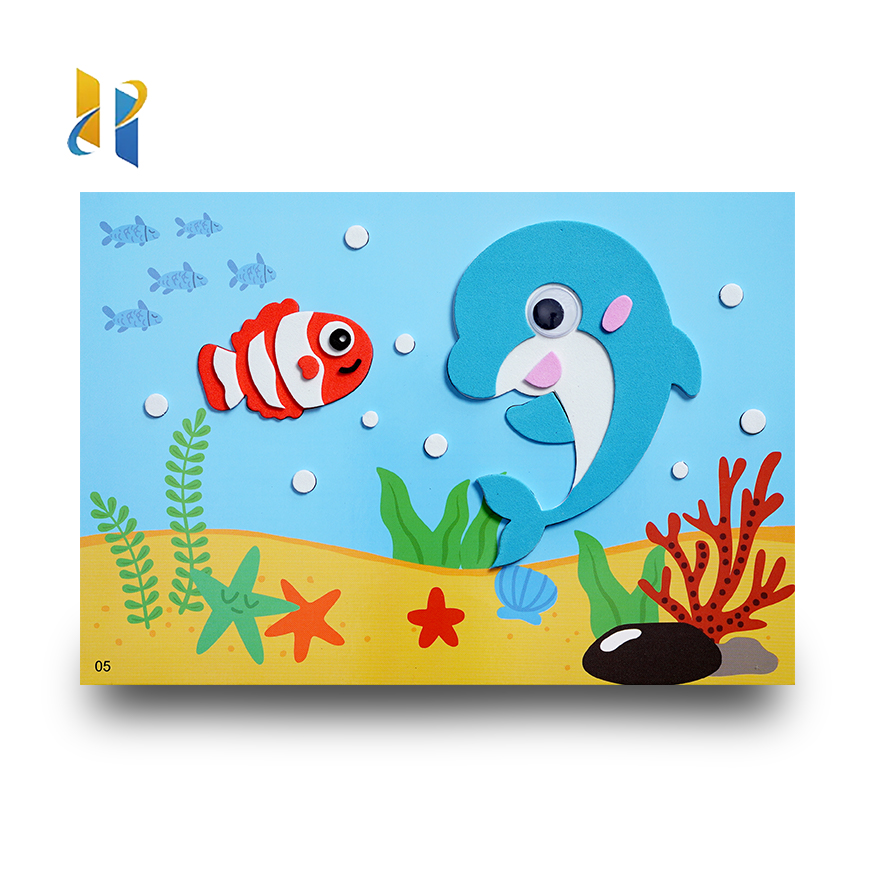
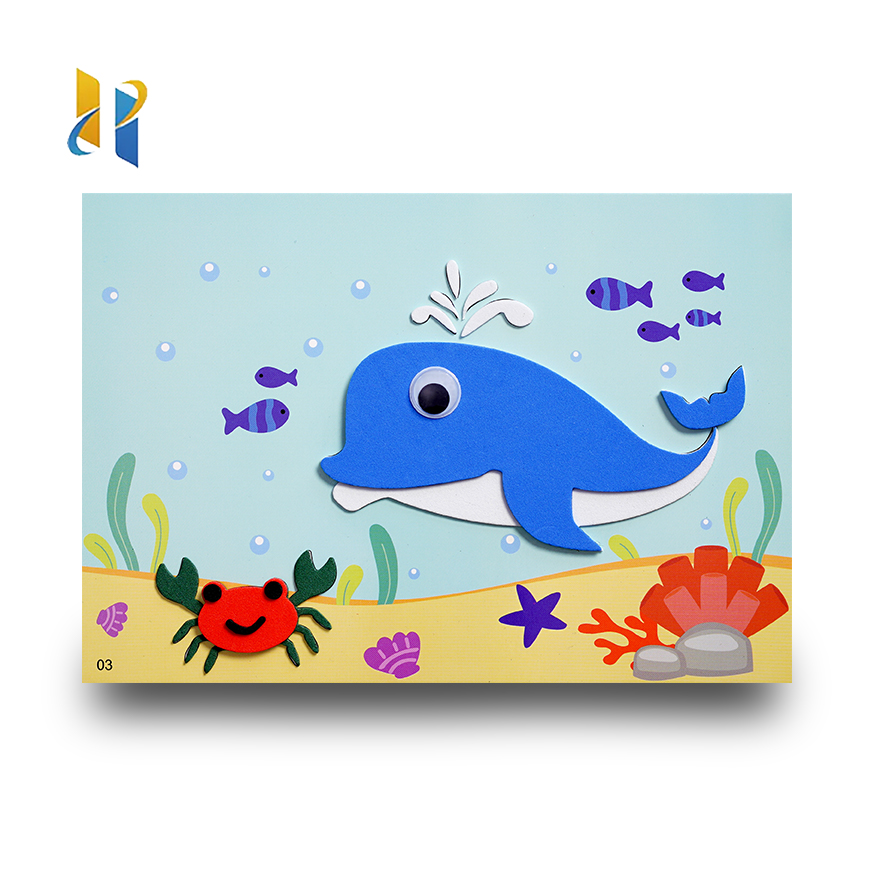
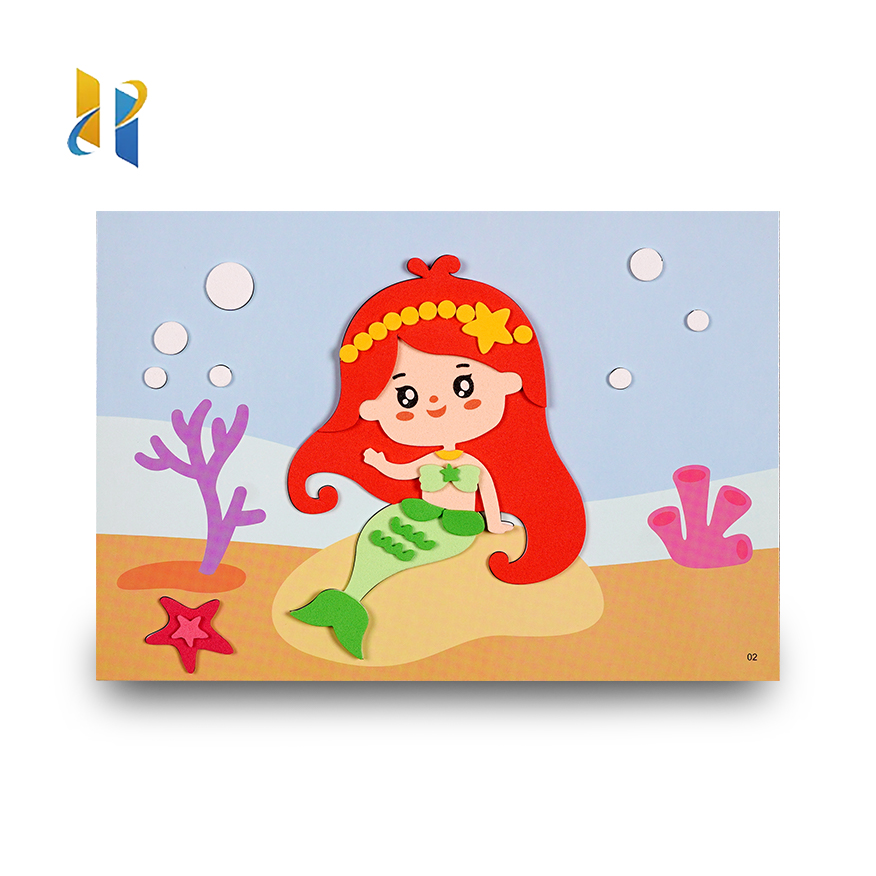
Crafting & DIY Projects: Used for making stamps, stencils, kids' activities, model scenery, and decorative elements.
-
Packaging & Insulation: Its excellent shock-absorbing properties make it ideal for custom protective packaging inserts for delicate electronics, tools, and instruments.
-
Sports & Protection: Used for making custom padding for sports equipment, knee/elbow pads, or inserts in gear bags.
-
Costume & Theater Production: Similar to cosplay, used for creating lightweight, durable props and armor for stage performances.
-
Flooring & Mats: Often the base material for puzzle mats, gym mats, and underlayment for artificial grass.

How is it Different from Other Foams?
-
vs. Polyurethane (PU) Foam: PU foam is open-cell (spongy and absorbent) and is often used in upholstery and cushioning. EVA is closed-cell (waterproof and more durable).
-
vs. Polystyrene (EPS) Foam (Styrofoam™): EPS is rigid, brittle, and used for insulation and disposable coolers. EVA is flexible and much more resilient.
-
vs. PE Foam (Polyethylene): PE foam is also closed-cell and used in packaging. It is often softer and more pliable than EVA but generally not as dense or durable.
In summary, an EVA foam sheet is a versatile, user-friendly, and durable closed-cell foam material that has become the cornerstone of modern cosplay, crafting, and countless practical applications due to its unique blend of properties.
EVA Foam Handicraft Materials
How to use EVA foam
Related Article