Is EVA Foam Toxic?

EVA Safety Facts, Uses, and Buyer’s Guide
Introduction
EVA foam (ethylene vinyl acetate) is a versatile material found in everything from children’s play mats to sports shoes. But as its popularity grows, so do concerns: Is EVA foam toxic? Does it pose risks to children or adults? This guide explores its safety profile, real-world applications, and tips for selecting certified non-toxic EVA foam.

What Is EVA Foam?
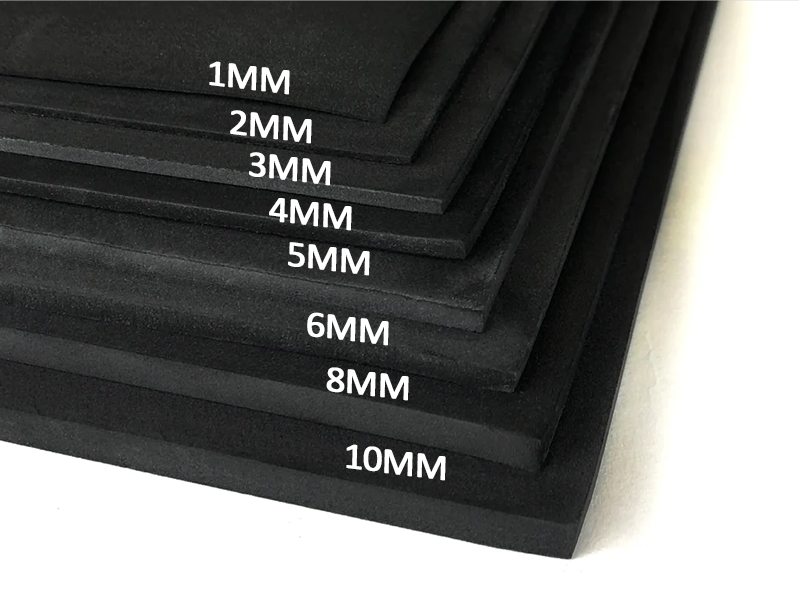
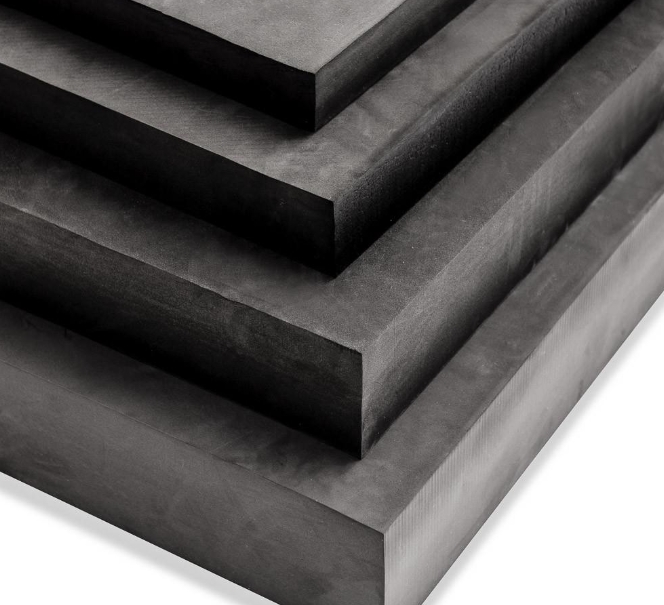
EVA foam is a lightweight, flexible material made by blending ethylene and vinyl acetate. Unlike PVC, it doesn’t require phthalates (chemicals linked to hormone disruption) and is often labeled BPA-free. Key features include:
-
Water resistance (ideal for bath toys).
-
Shock absorption (used in shoe soles).
-
Easy customization (popular for cosplay and crafts).
While marketed as a safer alternative, debates continue about chemicals like formamide used in production.

Top 5 Uses of EVA Foam
1. Children’s Toys and Play Mats
EVA foam is widely used in baby play mats, puzzle tiles, and bath toys. However, in 2011, France and Belgium banned some foam mats due to formamide—a foaming agent classified as a carcinogen. Today, EN71-certified EVA foam (tested for EU toy safety) is considered safer for kids.
2. Sports and Fitness Gear
From yoga blocks to martial arts padding, EVA foam absorbs impact and reduces injury risks. It’s also a staple in running shoes for arch support.
3. DIY Crafts and Cosplay
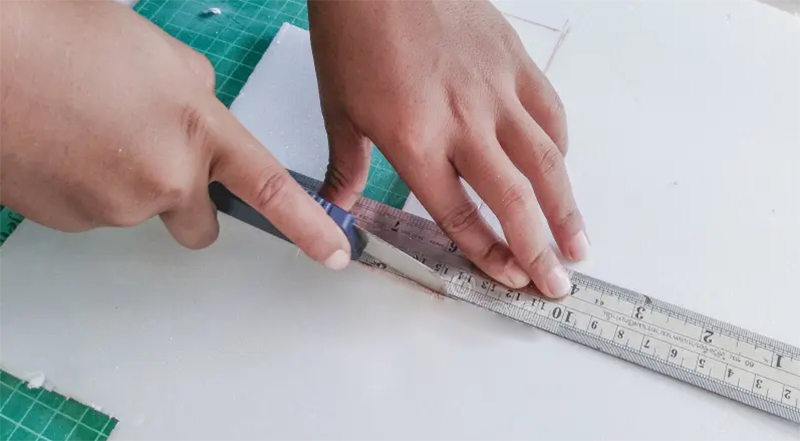
Hobbyists love EVA foam for creating costumes, props, and model kits. Its flexibility allows detailed carving, but always check if products are low-VOC (minimizing fume exposure during cutting/gluing).
4. Home Insulation and Flooring
EVA’s thermal properties make it useful for pipe insulation, carpet underlays, and anti-fatigue mats. Industrial-grade EVA may contain additives, so verify safety sheets for workplace use.
5. Water Sports and Packaging
Its buoyancy explains its role in pool noodles, life vests, and protective packaging for fragile electronics.

Is EVA Foam Toxic? 3 Key Safety Concerns
1. Formamide Exposure
Formamide, once used to soften EVA foam, is linked to developmental issues and cancer in lab studies. While most manufacturers now avoid it, cheaper products (especially from unregulated markets) may still contain traces.
2. Off-Gassing and Odors
New EVA foam often emits a strong chemical smell, signaling VOCs (volatile organic compounds). These fumes can irritate lungs in poorly ventilated spaces.
3. Risks for Toddlers
Babies chewing on foam toys or mats may ingest toxins. Opt for teether-safe EVA foam with CPSIA certification (U.S. consumer safety standard).
How to Choose Safe EVA Foam Products
-
Look for certifications: EN71 (EU), ASTM F963 (U.S.), or SGS-tested labels.
-
Avoid strong odors: Air out products for 48+ hours before use.
-
Buy from trusted brands: Companies like Foamory or CosplaySupplies often disclose lab test results.
-
Check “formamide-free” labels: Critical for children’s items.

FAQ: EVA Foam Safety
Is EVA foam safe for baby play mats?
Yes, if certified EN71 or CPSIA-compliant. Avoid unbranded, odor-heavy mats.
Can EVA foam cause allergies?
Rarely, but dust from cutting may irritate sensitive skin. Wear gloves and masks during crafting.
Is heated EVA foam toxic?
Heating uncertified EVA can release fumes. Use heat-resistant EVA (rated for 200°F+) in well-ventilated areas.
Conclusion
EVA foam isn’t inherently toxic, but safety depends on manufacturing quality. For children’s toys, prioritize formamide-free, certified products. In crafts or sports Always check labels and prioritize ventilation when using EVA foam in enclosed spaces.
By staying informed, you can safely enjoy EVA foam’s versatility—whether crafting costumes, protecting floors, or keeping kids entertained!
Is EVA Foam Waterproof
What Is EVA Foam?