how is eva foam made
EVA explained, what is it?
EVA explained, what is it?
Ethylene-vinyl acetate (EVA) is the copolymer of ethylene and vinyl acetate. The weight percent vinyl acetate usually varies from 10 to 40%, with the remainder being ethylene.
The higher the VA content the more rubber-like the EVA resin is. EVA foam is a step up from straight polyethylene. They are both in the polyolefin family.
Broadly speaking, there are three different types of EVA copolymer, which differ in the vinyl acetate (VA) content and the way the materials are used.
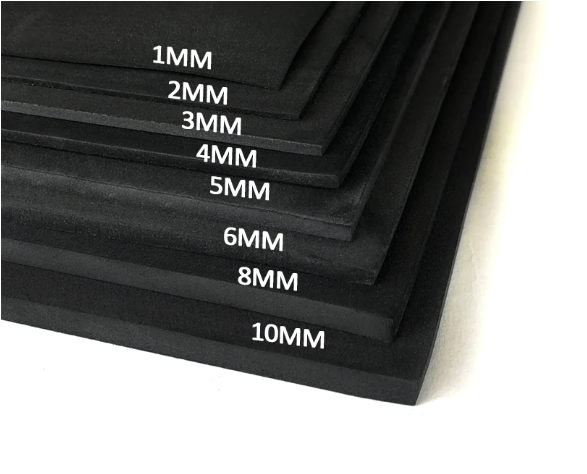
Uses of EVA foam
Before we delve into EVA foam, let’s get familiar with it. EVA foam is a closed-cell foam made from a copolymer of ethylene and vinyl acetate that is manufactured in foam manufacturing plants around the world, including North America, Asia, and Europe, and carefully engineered to local and national guidelines. The two compounds are heated and mixed to form a lightweight, flexible material with excellent shock-absorbing properties. These properties make EVA foam ideal for a wide range of uses, including:
-
Footwear: Ever wonder what makes your shoes so comfortable? EVA foam is commonly used in soles and insoles for its cushioning and support.
-
Sports Equipment: EVA From yoga mats to martial arts mats, EVA foam is a popular material for its impact resistance and softness.
-
Packaging: EVA foam insert ability to protect fragile items makes it a popular packaging material to ensure that products arrive in the hands of customers intact.
-
Automotive: The next time you get in a car, think about how EVA foam can be used for insulation, gaskets, and seals due to its elasticity and resistance to chemicals and UV radiation.
-
Outdoor Furniture: EVA foam’s UV resistance and sturdy structure make it a great choice for outdoor applications such as furniture upholstery.
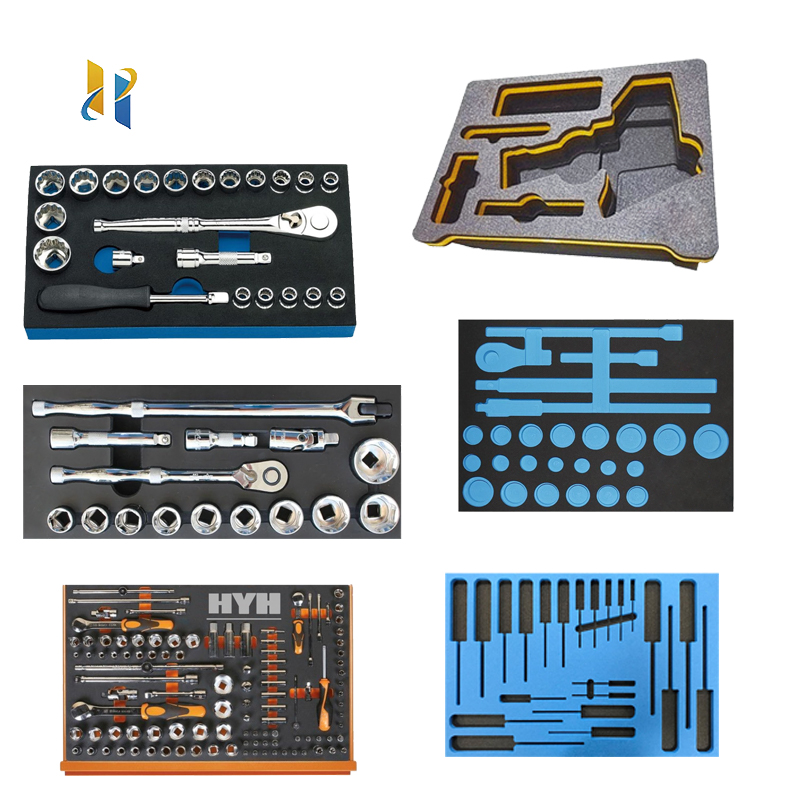
Now that we understand what EVA foam is, let’s talk about its potential benefits. EVA foam offers a variety of benefits that contribute to its widespread use across industries:
-
Lightweight: The ultra-light nature of EVA foam makes it a top choice for any product that requires weight, such as comfortable footwear and top-notch athletic gear.
-
Shock absorption: EVA foam’s ability to absorb shock and impact makes it an essential material in products that protect users from injury, such as helmets and knee pads.
-
Durability: EVA foam does not break down easily, ensuring that products made with it have a long lifespan, reducing the need for frequent replacement.
-
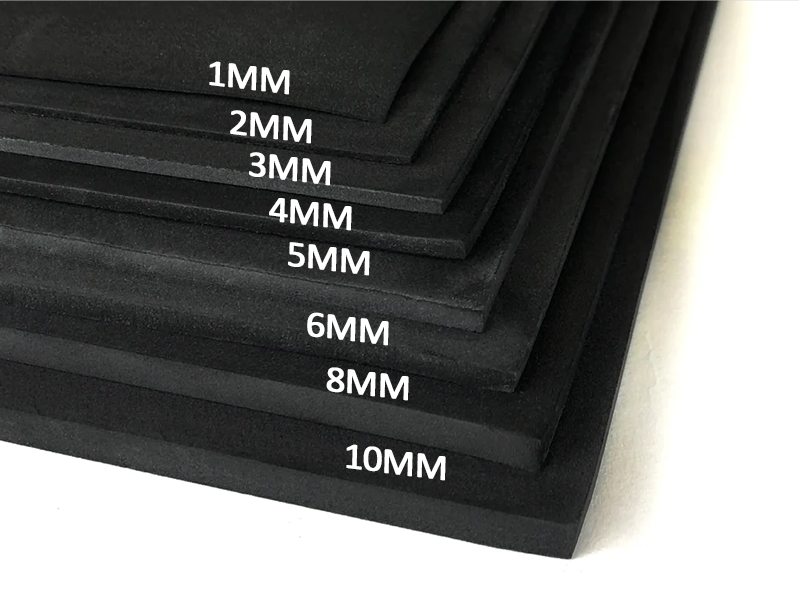
Versatility: Its versatility allows for thickness, density, and color customization, helping to meet a variety of design requirements and preferences.
-
Waterproof: Rain or shine, EVA foam has you covered. Since it’s inherently water-resistant, it’s ideal for outdoor activities and products exposed to moisture.
The EVA copolymer
Low proportion of VA
The EVA copolymer, which has a low proportion of VA (approximately up to 4%), may be referred to as vinyl acetate modified polyethylene. It is a copolymer and is processed as a thermoplastics material – just like low density polyethylene. It has some of the properties of a low-density polyethylene. Generally considered as a non-toxic material.
Medium proportion of VA
The EVA copolymer, which has a medium proportion of VA (approximately 4 to 30%), is referred to as thermoplastic ethylene-vinyl acetate copolymer and is a thermoplastic elastomer material. It is not vulcanized but has some of the properties of a rubber or of plasticized polyvinyl chloride particularly at the higher end of the range. May be filled and both filled and unfilled materials have good low temperature properties and are tough.
High proportion of VA
The EVA copolymer, based on a high proportion of VA (greater than 40%), is referred to as ethylene-vinyl acetate rubber.

Conclusion – EVA
EVA is an elastomeric polymer that produces materials, which are “rubber-like” in softness and flexibility. The material has good low-temperature toughness, stress-crack resistance, hot and resistance to UV radiation.
Eva formulations are cured (crosslinked normally with peroxides) they have good weathering, ozone resistance and are Sulphur free. Eva foam are available in very low densities under two PCF up to solid 60 PCF and up.
High density EVA foam sheet offers unique design capabilities. High-density EVA foam as stiff as a pretzel or as flexible as macaroni is one of the many unique design capabilities available to the design engineer. Explore the treasure trove of possibilities for product performance. High-density EVA foam in sheet, EVA foam roll, foam tape and buns.
does eva foam absorb water
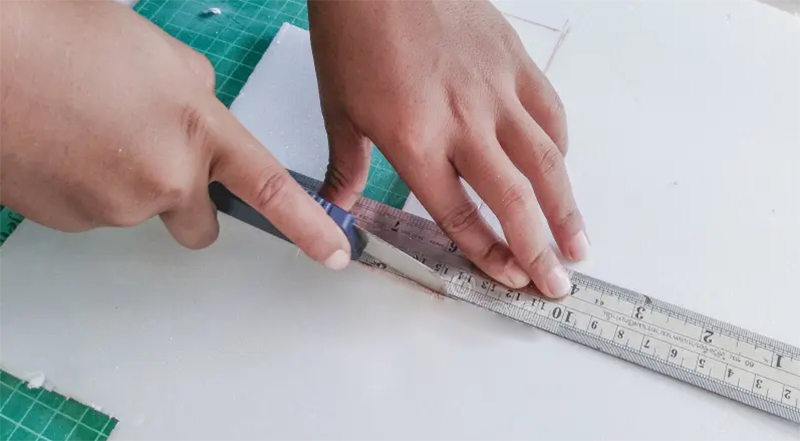
how to work with eva foam