how to cut eva foam
Techniques for Cutting Foam: Upholstery, EVA & More
Master Upholstery, EVA, and Other Foam Cutting
Foam is a versatile material that can be used in a variety of applications, from upholstery and crafting to insulation and packaging. Accurately and cleanly cutting foam is essential to achieving professional results in your projects.
How to Cut Foam: Upholstery, EVA, and More
For over 20 years, Hyheva has been supplying shops, studios, and DIY enthusiasts with foam for a variety of projects. In this guide, we'll explore the techniques and tools you need to effectively cut different types of foam so you can achieve professional results.

Choosing the Right Foam
Before diving into foam cutting techniques, it is vital to choose the right type of foam for your project. The most commonly used types of foam used in DIY and crafting are:
Closed Cell Foam
Closed cell EVA foam sheet is often made from materials like neoprene or polyethylene and is known for its moisture resistance. It is used in EVA marine flooring and outdoor applications to provide buoyancy and weatherproofing. Closed cell foam is versatile and is used in sealing and gasketing applications due to its impermeability.
Upholstery Foam
Upholstery foam is a special type of foam designed to provide comfort and support in furniture and upholstery applications. It is essential in determining the overall feel and durability of upholstered furniture such as sofas, chairs, and mattresses. Many of the possibilities for DIY projects can be found in our DIY Foam Cushions Guide, and upholstery foam can be customized to specific comfort preferences and design requirements.
EVA Foam
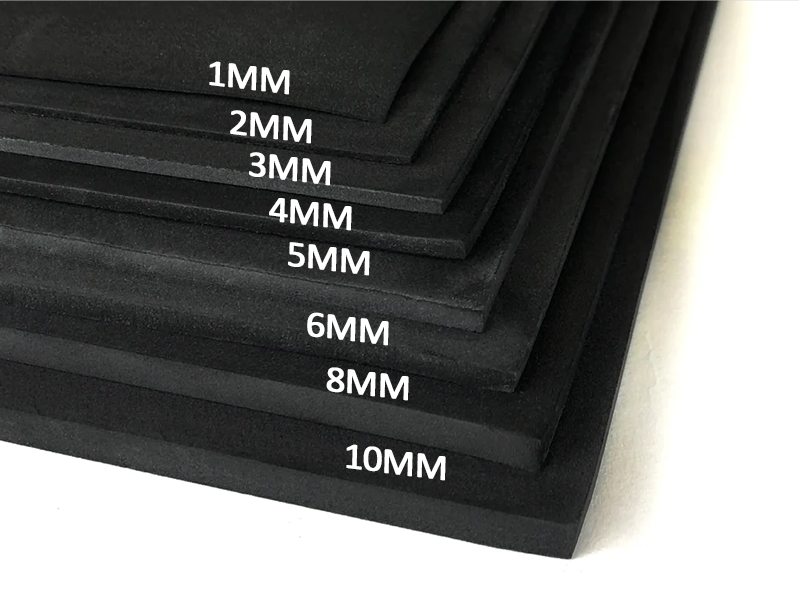
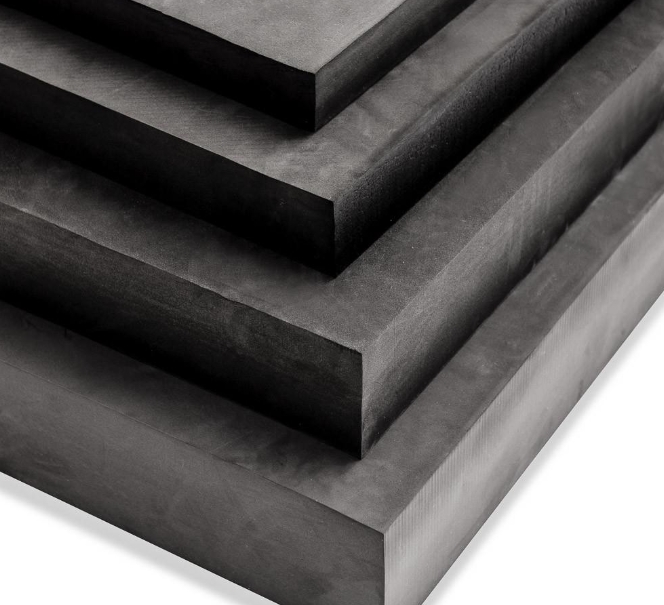
Ethylene-vinyl acetate EVA foam sheet is widely used and is known for its flexibility and durability. It is popular in role-playing and crafting because it is easy to manipulate. EVA foam is available in a variety of thicknesses and sizes, making it suitable for a variety of art projects, such as outdoor projects and role-playing materials.

Essential Tools for Foam Cutting
To cut foam effectively, you need the right tools. Many of the tools you may need can be found by searching Google. Here is a list of essential tools you may need:
Foam Cutter
A sharp multi-tool or foam cutting tool is a must-have for cutting both flat and curved surfaces of all types of foam.
Power Knife
For thicker foams or larger projects, a serrated power carving knife provides precise and even cuts. It is especially useful when cutting dense foams such as memory foam mattresses or upholstery foam.
Hot Wire Cutter
A hot wire cutter is designed specifically for foam cutting. It operates by melting the foam cleanly, leaving a smooth edge. This tool is great for intricate cuts and shaping.
Scissors
Good quality scissors with sharp blades are ideal for cutting thin sheets of foam or neoprene. They are useful for craft projects that require fine cuts.
Rotary Cutter
A rotary cutter features a sharp, rounded blade that is great for precision cuts and is perfect for intricate foam designs. It is often used for quilting and crafting, but can also be used for foam projects.

Cutting EVA and Closed-Cell Foam
EVA is a closed-cell foam that is a popular choice for role-playing and craft projects due to its versatility and ease of cutting. Here's how to cut EVA and other closed-cell foams:
- Using a Foam Cutter to Make Straight Cuts
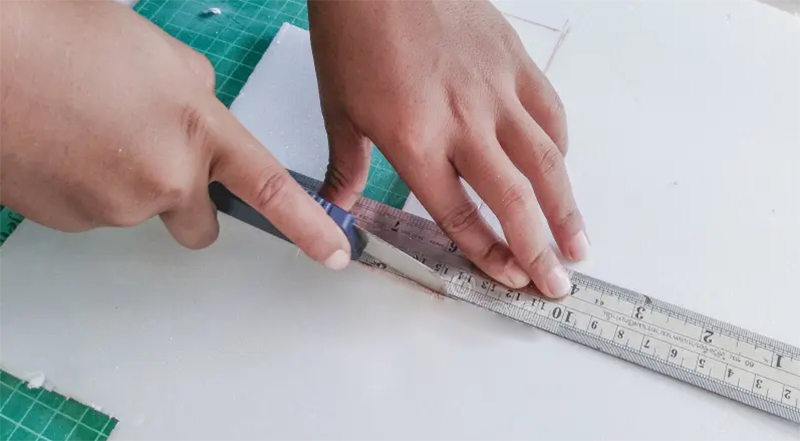
- Measure and mark the foam along the desired cut line.
- Use a straightedge or ruler to guide the foam cutter as you cut the foam.
- Apply steady pressure and make as many cuts as needed.
- Using Scissors or a Rotary Cutter to Make Curved Cuts
- Trace the desired shape or curve on the EVA foam.
Use sharp scissors or a rotary cutter to make precise cuts along the traced line. Keep an eye on the position of the wire as you cut to make sure you don't cut it.
Heat-Seal the Edges
To make a smooth seal on the edges of the EVA foam, you can use a heat source like a heat gun or lighter. Gently move the heat source over the edges of the foam, which will cause them to melt and seal.
Foam Cutting Safety Tips
No matter what type of foam you are using, safety is of paramount importance. At hyheva, we provide the highest quality foam materials and prioritize safety by providing best practice guidance and material safety data sheets. To further ensure your safety, please follow these steps:
Ventilation
When cutting foam (especially polystyrene), work in a well-ventilated area or wear a mask. Proper ventilation helps reduce the inhalation of any potentially harmful particles.
Eye Protection
Wear goggles or glasses to protect your eyes from foam particles and debris. Foam cutting creates small particles that can cause irritation or injury if they come into contact with your eyes.
Keep Tools Sharp and Watch Wires
Make sure your cutting tools are sharp, as dull blades can lead to accidents and rough cuts. Change blades regularly to maintain clean and precise cuts. Make sure you always know where the wires are during the cutting process to ensure you don't cut them. Best practice is to simulate your full cutting plan/motion to ensure the wires don't get in the way of the cut.
Watch Your Fingers
Watch your fingers closely while cutting and be careful not to cut yourself. Keep your hands out of the path of your cutting tools to prevent accidents.
Dispose of Foam Properly
Dispose of any foam waste properly according to local recycling or disposal guidelines. Certain types of foam can be recycled, while others may need to be handled in a specific manner.
Cutting foam is essential for a variety of DIY projects, spanning upholstery, crafting, insulation, and packaging. At Hyheva, we recognize the importance of selecting the ideal foam type, using the right tools, and adhering to strict safety measures to achieve perfect, precise cuts for your unique project. Whether you’re working with upholstery, EVA, polystyrene, or closed-cell foam, these time-tested techniques are your path to professional-grade results. Explore a variety of ways to tailor your approach to the specific needs of your project and unlock the endless creative potential that foam offers in your DIY pursuits.

conclusion
In summary, for DIY foam projects, choose the right foam type, use suitable tools, and follow safety guidelines. EVA and closed-cell foams are versatile for various uses. Effective cutting techniques and safety measures lead to professional results. Hyheva offers quality foam and guidance. With the right know-how and tools, cutting foam can bring your projects to life.Contact Us
how to paint eva foam