how to paint eva foam
Tips for Painting EVA Foam
EVA Foam Painting Tips: Design Cosplay, Props, and More
EVA foam is a high-density, sturdy acetate foam that is a versatile and easy-to-use material that can be used for everything from cosplay to yoga mats. Learn how to bring your ideas to life and create your creations by using these tips.
Intro: Unleash Your Creativity with EVA Foam
EVA foam, short for ethylene-vinyl acetate, has become a staple for cosplayers, prop makers, and DIY enthusiasts due to its versatility and ease of manipulation. While it’s a great way to create crafts with EVA foam, painting it can be a little tricky without the right methods and techniques. At Hyheva.com, we have a wealth of knowledge about EVA foam—both what it is and how to create your creations with it. In this helpful guide, we’ll share our methods and tips to help you achieve better results when painting EVA foam.

1. Choosing the right type of EVA foam is fundamental to success
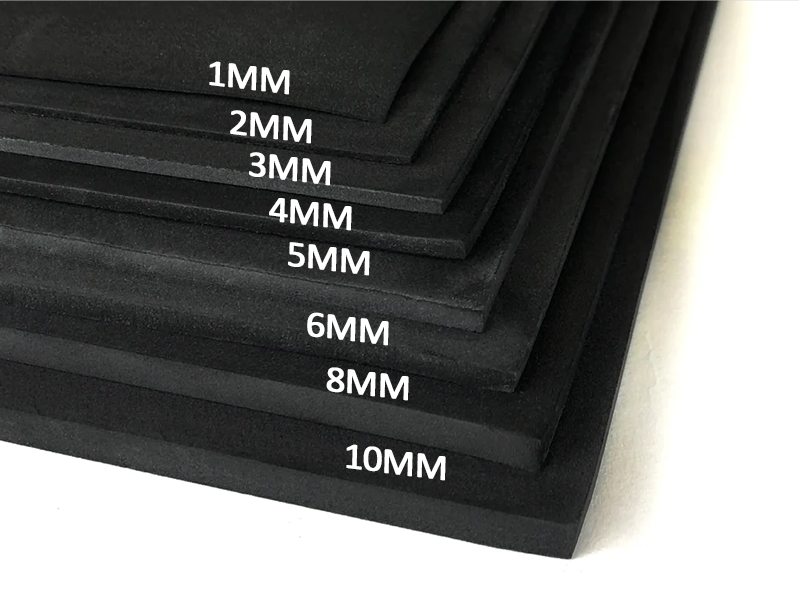
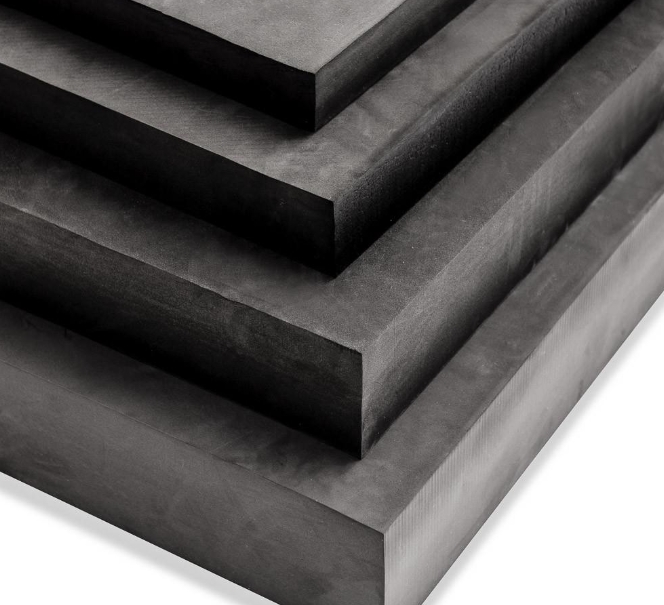
There are many different types of EVA foam, and choosing the right one is crucial for painting. High density EVA foam is often used for flooring or gym mats, and is ideal for products that require durability and a smooth surface. On the other hand, craft foam sheets are softer and better suited for intricate details, but may require additional processing to achieve a polished finish. At Hyheva, you can find soft, smooth EVA foam in thicknesses ranging from ¼" to 4" to fit your needs. Knowing the type of EVA foam you choose is the first step to achieving a perfect painting.
2. Perfect surface preparation is key to painting
Before you begin painting, it is important to prepare the surface of the EVA foam. Start by sanding the foam with fine sandpaper to take care of any rough edges or imperfections. EVA foam may have naturally formed pits when it is made, and in order to achieve a better polish, these pits need to be sanded away or filled. This not only improves the appearance, but also ensures a better surface for the paint to adhere to. After sanding, wipe the foam with a damp cloth to remove any dust or debris. Applying a coat of primer designed for EVA foam further improves paint adhesion and provides a base for subsequent color application.
3. Choose the right paint
Choosing the right paint is important to achieve the effect you want. Acrylic paint is the first choice for EVA foam because of its flexibility, color, and fast drying time. It adheres well to the surface of the foam and can be easily layered for shading and detailing. Consider using an airbrush for a smooth, even application, especially on larger pieces. In addition, different effects such as metallic, matte, or gloss can be achieved to add realism to your work.
4. Layering Technique: Building Realism
One of the difficulties of painting on EVA foam is to avoid a bland, monotonous look. To overcome this, use a layering technique to add realism to your work. Start with a primer and gradually build up layers, letting each layer dry before applying the next. This method not only makes the color richer, but also provides shadows and highlights. Try using a dry brush to bring out the texture and give the foam intricate details. You can also try multiple types of foam to achieve different looks and effects.

5. Masking and Stenciling
For intricate designs and precise details, masking and stenciling are indispensable techniques. Masking is used to cover specific areas of EVA foam to protect them from unwanted paint. Use masking tape or painters tape to create clean lines and smooth edges. Stenciling, on the other hand, allows you to create intricate patterns with precision. These techniques are particularly useful when making replicas of cosplay armor or props that require intricate designs.
6. Sealing: Protecting Your Creation
After carefully finishing your EVA foam creation, it is important to protect it from wear and tear. Sealing paint will extend its life and add an extra layer of protection against damage caused by scratches and environmental factors. Also consider using a clear sealer or varnish designed specifically for EVA foam.

7. Post-Painting Care
Keep Your Artwork Proper care is important to keep your EVA foam art long-lasting. Avoid exposing it to
excessive heat or direct sunlight, as this can cause the paint to fade or degrade. If your project is likely to experience wear and tear, consider adding a protective clear coat periodically. Also, avoid bending or rolling the foam, as this can cause cracking of the paint you applied. Regularly inspect your art for any signs of damage and address issues promptly to maintain its appearance.
how to shape eva foam
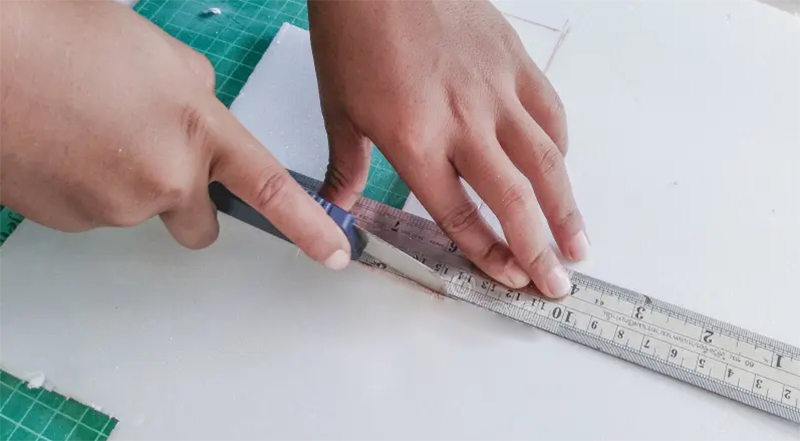
how to cut eva foam