does eva foam absorb water
Does EVA Foam Absorb Water
Understanding EVA Foam’s Water Absorption Properties

-
Surface Water: EVA foam repels light splashes and moisture.
-
Immersion: While it doesn’t fully absorb water, prolonged submersion may lead to gradual saturation.
-
Temperature: High heat can soften EVA foam, potentially increasing permeability.

Factors Affecting EVA Foam’s Water Resistance
1. Density and Thickness
-
Higher density (e.g., 40-60 kg/m³) reduces porosity, enhancing water resistance.
-
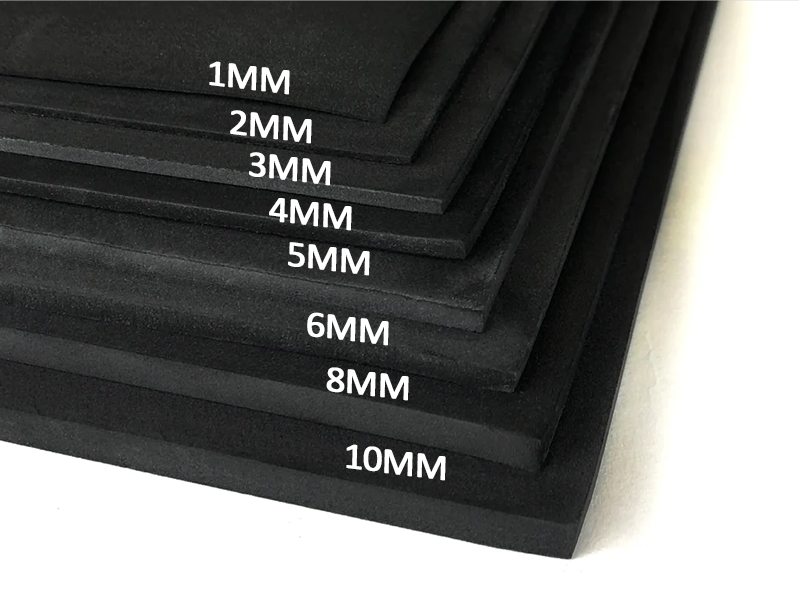
Thicker sheets provide better barriers against penetration.

2. Additives
3. Sealing and Lamination
Does EVA Foam Absorb Water? Testing the Facts
-
Footwear: EVA foam insoles and outsoles stay dry during light rain.
-
Sports Gear: Swim floats and life jackets use EVA foam for buoyancy.
-
Industrial Packaging: It protects electronics from moisture during transit.

How to Use EVA Foam in Wet Environments
-
Seal Edges: Apply waterproof glue or sealants to prevent water infiltration.
-
Choose High-Density Foam: Opt for 50 kg/m³ or higher for maximum resistance.
-
Avoid Sharp Objects: Scratches or punctures can compromise the closed-cell structure.
-
Combine with Waterproof Fabrics: Layer EVA foam with materials like neoprene for added protection.
Common Misconceptions About EVA Foam and Water
- Myth: “EVA foam is 100% waterproof.”
- Fact: While it resists water, it’s not entirely impermeable under extreme conditions.
- Myth: “All EVA foams perform the same.”
- Fact: Quality varies—always check the product’s water absorption rating.
Why EVA Foam is Ideal for Water-Resistant Projects
-
Lightweight: Doesn’t add unnecessary weight to products.
-
Durable: Retains shape and cushioning even after drying.
-
Cost-Effective: Offers waterproofing at a lower price than alternatives like rubber.

Conclusion

About us
What is the difference between low and high density EVA foam?
How to Mold EVA Foam