how to use kickboard swimming
A Beginner’s Guide to Boost Your Technique and Fitness
Why Use a Kickboard for Swimming?
Kickboard swimming isn’t just for kids—it’s a game-changer for swimmers of all levels! Whether you’re a beginner building confidence or a pro refining your strokes, a kickboard helps:
- Strengthen leg muscles for powerful kicks.
- Improve balance and body alignment in the water.
- Isolate upper body movement during drills.
- Enhance breath control by reducing overall effort.

Getting Started: Choosing the Right Kickboard
Not all kickboards are created equal! Look for:
- Buoyancy: Opt for a lightweight, foam board with enough lift to keep your upper body afloat.
- Shape: A rectangular or ergonomic design fits comfortably under your chest.
- Size: Beginners may prefer larger boards for extra stability.
Pro tip: If you’re focusing on core engagement, try a smaller kickboard that requires more body tension.

Step-by-Step Guide to Using a Kickboard
1. Positioning is Key
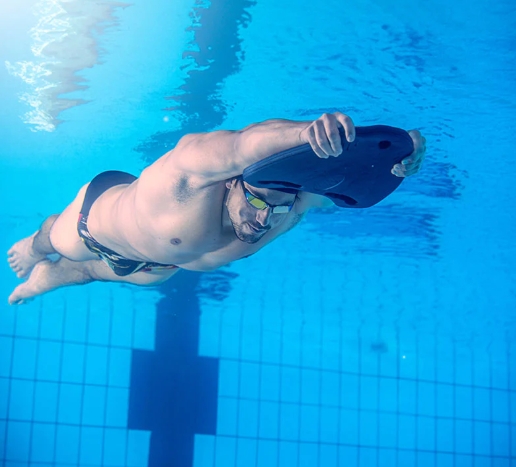
- Lie face-down in the water, arms straight and relaxed on the board.
- Keep your legs straight but not rigid, toes pointed.
- Press your chest gently onto the board to maintain a horizontal body line.
2. Perfect Your Flutter Kick
- Start slow! Use small, controlled kicks from your hips, not your knees.
- Aim for a 6-kick cycle (3 kicks per arm stroke in freestyle).
- Focus on ankle flexibility—imagine pushing water backward with your feet.
3. Breathe Consistently
- Turn your head to the side to inhale, keeping your hips stable.
- Exhale slowly underwater to avoid tension.
4. Progress to Drills
- Single-Leg Kicks: Build unilateral strength by kicking with one leg at a time.
- Kick & Glide: Boost endurance by alternating kicks with glides.
- Kickboard Pulls: Pair kicks with arm strokes to simulate full swimming.
Common Mistakes to Avoid
- ❌ Over-kicking: Fast, shallow kicks waste energy. Quality > quantity!
- ❌ Tight Shoulders: Relax your arms to prevent strain.
- ❌ Sinking Hips: Engage your core to keep your lower body afloat.

Level Up Your Routine
Ready to challenge yourself?
- Add fins for resistance training.
- Try one-arm kickboard drills to improve stroke symmetry.
- Time your workouts to track progress—start with 10-minute sessions and build up.

Conclusion
Kickboard swimming is more than a drill—it’s a fun, effective way to level up your skills and fitness. By mastering the basics and gradually increasing intensity, you’ll see gains in speed, stamina, and overall technique.
Are Kickboards Good for Swimming?
How to use a kickboard