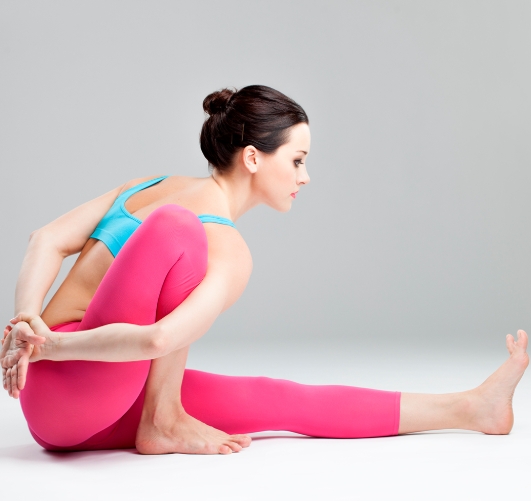
How Yoga Works?
How Yoga Works: Unraveling the Mind-Body Connection
Table of Contents
-
The Science Behind Yoga: How It Affects Your Body
-
Yoga’s Impact on Mental Health and Stress Relief
-
Expert Insights: What Yoga Practitioners Say
-
Incorporating Props for Enhanced Practice: A Nod to EVA Foam Yoga Blocks
-
Common Questions About Yoga Practice
How Yoga Works: Unraveling the Mind-Body Connection
Yoga, an ancient practice dating back thousands of years, has gained global popularity for its profound effects on physical health, mental clarity, and emotional balance. But how exactly does this mind-body discipline work? Let’s dive into the science, psychology, and expert perspectives that explain yoga’s transformative power.

The Science Behind Yoga: How It Affects Your Body
Yoga combines physical postures (asanas), breathing techniques (pranayama), and meditation, creating a holistic approach to wellness. Here’s how it impacts your body:
Muscle Strengthening and Flexibility
Yoga postures like Downward Dog and Warrior II engage major muscle groups, promoting strength and flexibility. Regular practice gradually stretches tight fascia and improves joint mobility, reducing the risk of injury. As yoga therapist Dr. Sarah Michaels notes, “Yoga acts like a natural lubricant for your joints, enhancing range of motion over time.”
Nervous System Regulation
Deep, intentional breathing in yoga activates the parasympathetic nervous system, triggering the “rest and digest” response. This helps lower cortisol levels (the stress hormone) and reduces blood pressure, explaining why many feel calm after a session.

Yoga’s Impact on Mental Health and Stress Relief
Beyond physical benefits, yoga is a powerful tool for mental health. The practice encourages mindfulness, allowing practitioners to focus on the present moment and let go of anxious thoughts. A 2023 study in the Journal of Alternative Medicine found that weekly yoga sessions reduced symptoms of anxiety and depression in 82% of participants.
The Meditation Factor
Incorporating meditation into yoga builds neuroplasticity, strengthening the prefrontal cortex (responsible for decision-making and emotional regulation). As mindfulness expert Dr. James Carter explains, “Yoga teaches the brain to respond to stress with clarity rather than reactivity.”

Expert Insights: What Yoga Practitioners Say
We spoke with renowned yoga instructor Lila Patel, who emphasizes: “Yoga is not about perfection—it’s about showing up for your body and mind. Each posture is a dialogue between strength and surrender.” Many experts also highlight yoga’s accessibility, noting that modifications (like using props) make it suitable for all fitness levels.
Incorporating Props for Enhanced Practice: A Nod to EVA Foam Yoga Blocks
For beginners or those with limited flexibility, props like EVA foam yoga blocks can make postures more accessible. These lightweight, durable blocks provide stability during poses like Triangle Pose or Low Lunge, helping practitioners deepen their stretch safely. For a detailed guide on using EVA foam blocks to enhance your practice, check out our previous blog: Guide to Healing and Movement with EVA Foam Yoga Blocks.

Common Questions About Yoga Practice
Is Yoga Suitable for Beginners?
Absolutely! Many studios offer “beginner-friendly” classes that focus on foundational postures and breathing. Starting with gentle styles like Hatha or Yin yoga can build confidence.
How Often Should I Practice Yoga?
Even 10–15 minutes of daily practice yields benefits. Consistency is key—aim for 3–4 sessions weekly to notice improvements in strength and mindset.
Can Yoga Replace Traditional Exercise?
Yoga complements other forms of exercise (like cardio or weight training). While it builds functional strength and flexibility, consider combining it with aerobic activity for a well-rounded routine.
Conclusion
Yoga’s magic lies in its ability to unite physical movement, breath, and mindfulness, creating a ripple effect on both body and mind. Whether you’re a seasoned practitioner or just starting, the science-backed benefits of yoga make it a timeless practice for holistic wellness.
Ready to deepen your practice? Explore how EVA foam yoga blocks can support your journey in our Guide to Healing and Movement.
What are the five rules of yoga?
What is yoga?