EVA Foam Handicraft Materials
Types of EVA Foam for Handicrafts
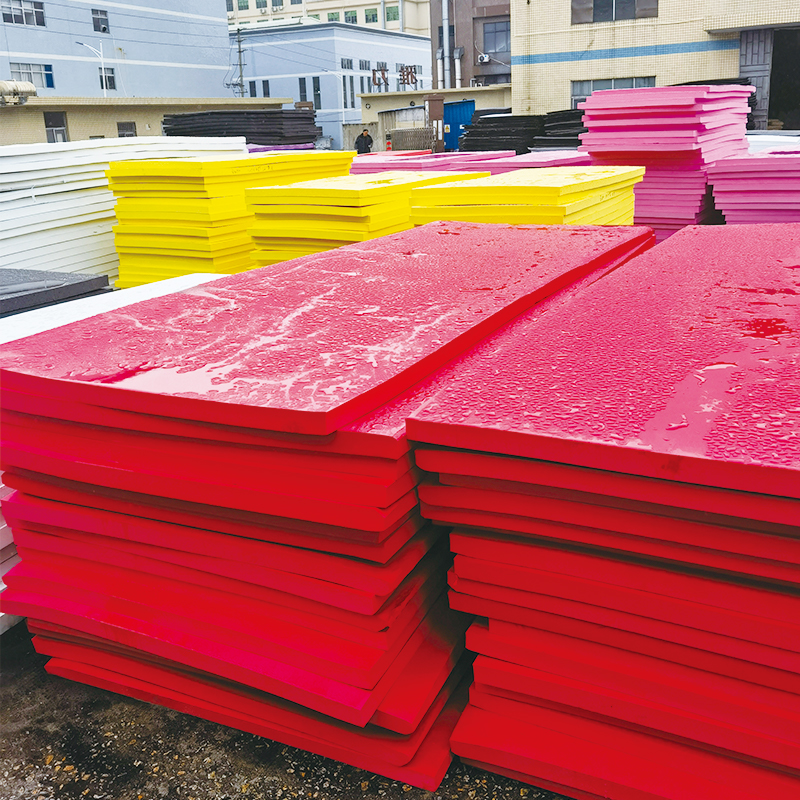
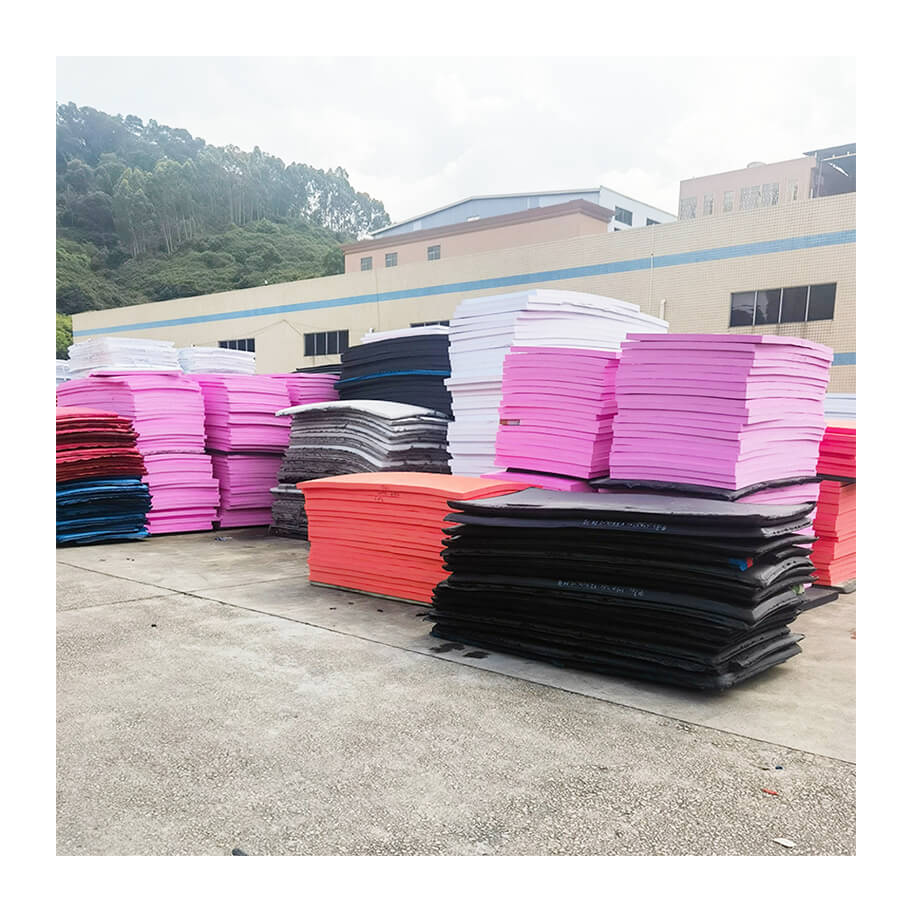
Not all EVA foam is the same. The main differentiators are density (measured in kg/m³) and surface texture.

1. By Density & Quality:
-
Low-Density Foam (Floor Mats):
-
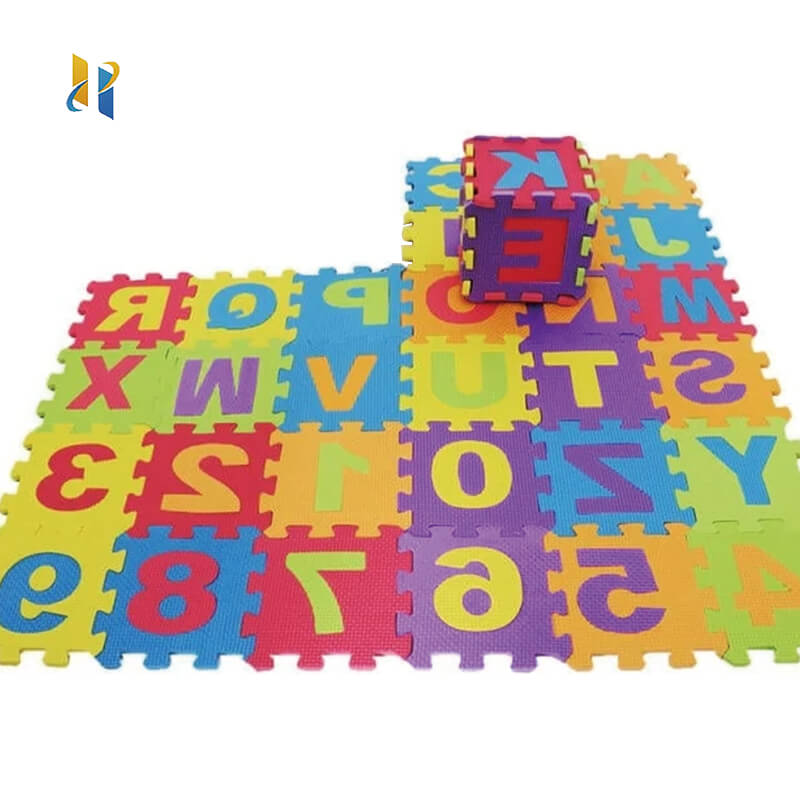
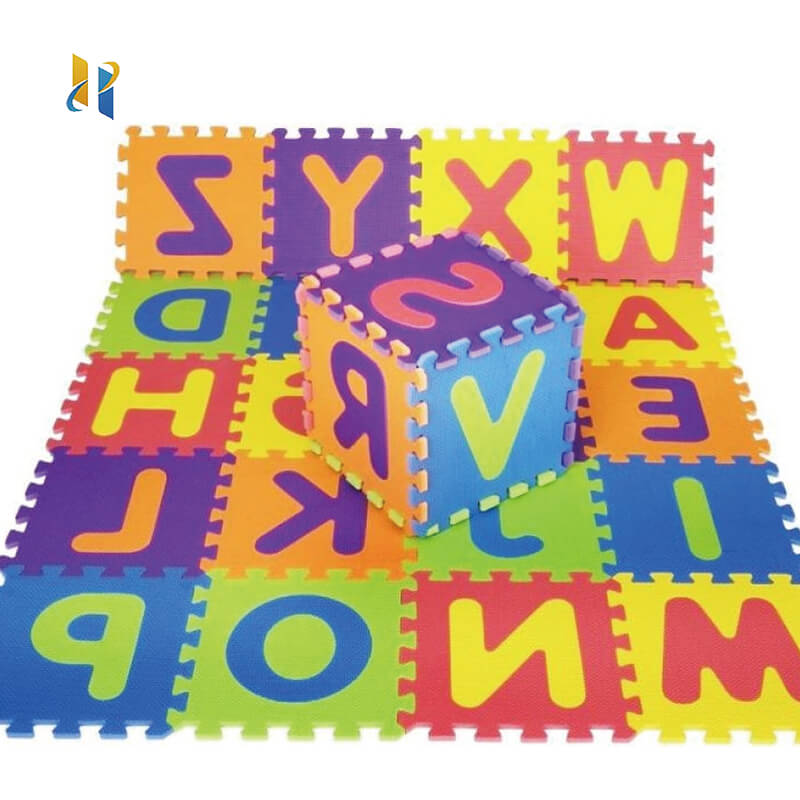
What it is: The classic, puzzle-piece interlocking floor mats you find in hardware stores or gyms.
-
Pros: Very inexpensive, great for large projects, practice, and building up large base structures.
-
Cons: Often has a pronounced "pebble" texture, is less dense (so it can tear more easily), and may have a strong chemical smell. Usually comes in limited colors (black, grey, blue, red).
-
Best for: Beginners, large armor pieces, base layers, practice runs.
-
-
High-Density Craft Foam (Cosplay Foam):
-
What it is: Specifically manufactured for crafting. Sold by brands like CosplayShop, TNT Cosplay, SKS Props, Punished Props, and others.
-
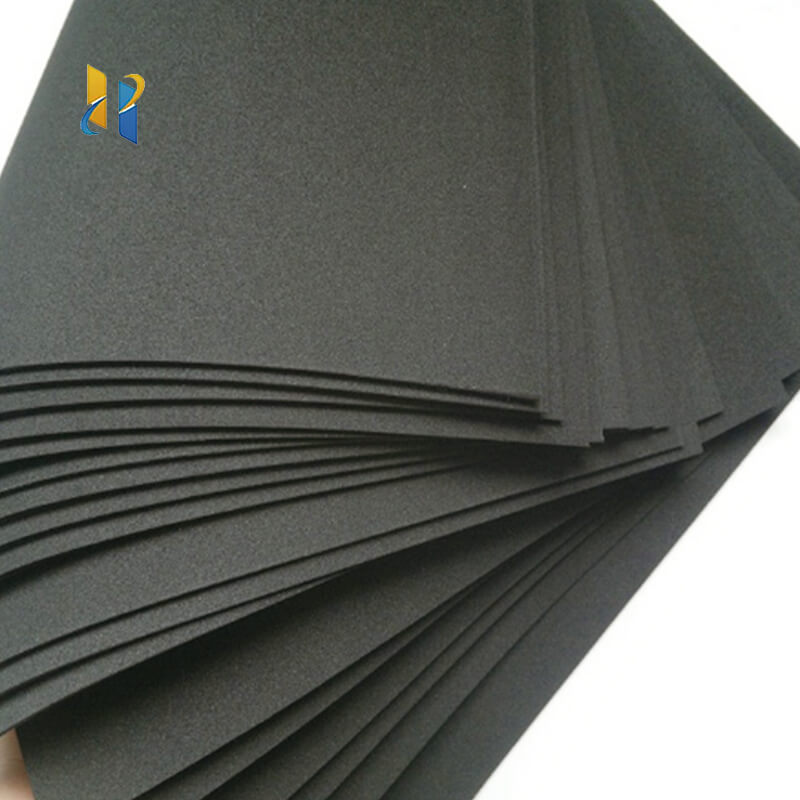
Pros: Much smoother surface, higher density (more durable and holds detail better), available in various thicknesses and colors, minimal odor.
-
Cons: More expensive than floor mats.
-
Best for: High-detail props, armor, weapons, helmets – any finished project where quality matters.
-
2. By Thickness:
EVA foam is measured in millimeters (mm) or sometimes inches.
-
2mm - 3mm: Excellent for detail work, layering, patterning, making pouches, bracers, and covering seams. Very flexible.
-
5mm - 6mm: The workhorse thickness. Perfect for most armor pieces, bracers, gauntlets, and structural parts of weapons.
-
10mm+: Used for building up large, sturdy structures, sword cores, thick armor plates, and bases for props. Often layered from thinner sheets.
3. By Form:
-
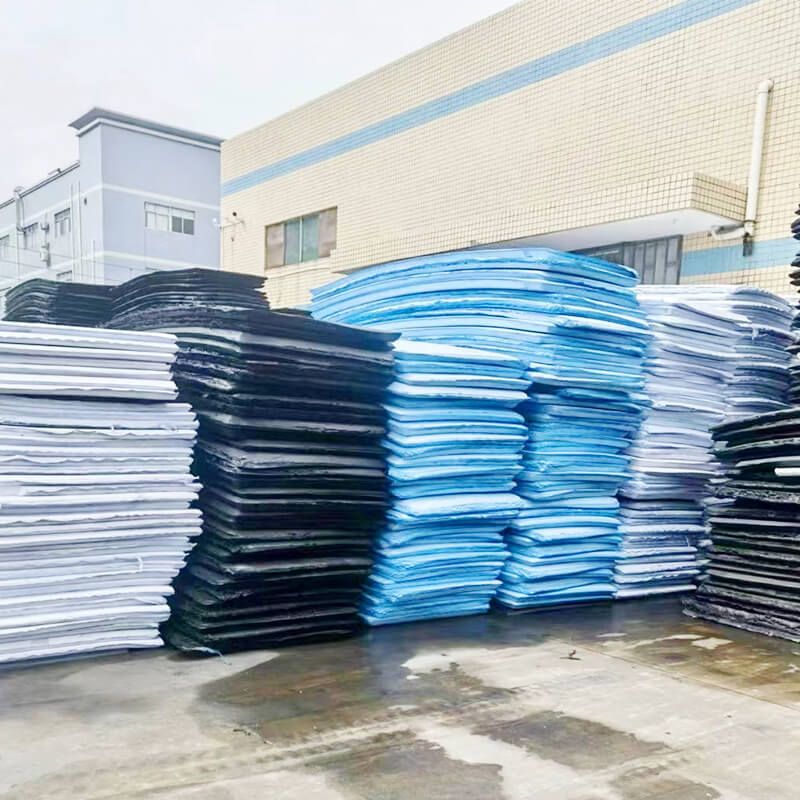
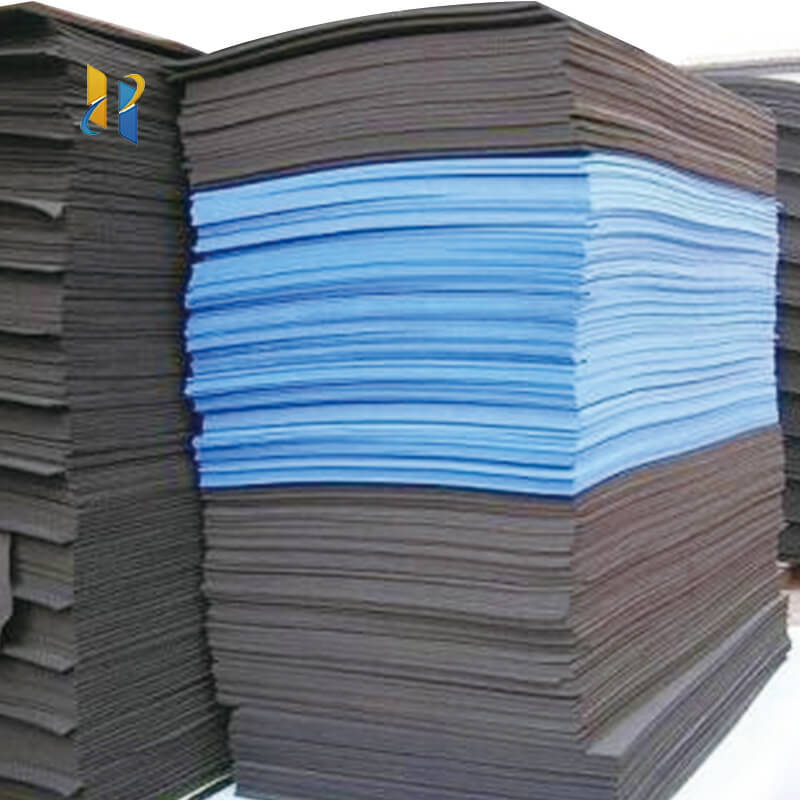
Sheets: The most common form. Sold in standard sizes (e.g., A4, A3, 60cm x 120cm).
-
Rolls: Good for covering large, curved surfaces without seams.
-
Pre-Cut Shapes: Rods, dowels, half-spheres, and bricks are available for specific details.
-
Patterned/Rolled Foam: Foam with leather, scale, or other textures embossed on one side.

Essential Tools for Working with EVA Foam
You don't need a full workshop to start, but a few key tools make a huge difference.
-
Cutting Tools:
-
Utility Knife/Retractable Blade: The #1 essential tool. Use sharp blades and change them often for clean cuts.
-
Scissors: Good for quick cuts on thinner foam.
-
Hot Knife/Wire Cutter: Melts through foam for super smooth, sealed edges. (Use in a well-ventilated area).
-
-
Shaping Tools:
-
Heat Gun: Absolutely critical. Softens the foam, allowing you to bend and shape it. It will hold the new shape once it cools.
-
Molds & Formers: You can shape heated foam over buckets, bottles, or custom molds to create curves.
-
-
Gluing & Adhesives:
-
Contact Cement (e.g., Barge, DAP): The professional's choice. It creates a incredibly strong, flexible bond. Apply to both surfaces, let it get tacky, then press together.
-
Hot Glue Gun: Great for quick bonds, attaching details, and filling gaps. Not as strong or flexible as contact cement for major seams.
-
-
Smoothing & Sealing:
-
Sandpaper: Low to medium grit (60-220) is used to smooth edges, create bevels, and blend seams.
-
Rotary Tool (Dremel): With a sanding drum or grinding stone, it's perfect for quickly shaping and texturing foam.
-
Sealer (e.g., Mod Podge, Plasti Dip, Flexbond): MUST be applied before painting. Creates a protective skin that prevents the paint from cracking when the foam flexes.
-
-
Painting:
-
Acrylic Paints: The standard. Use cheap craft acrylics for base layers and higher-quality artist acrylics for details.
-
Airbrush: Provides incredibly smooth gradients and effects.
-
Brushes & Sponges: For base coating, dry brushing, and weathering.
-

Popular Handicraft Projects with EVA Foam
-
Cosplay: Armor, helmets, gauntlets, pauldrons, full suits.
-
Props & Weapons: Swords, shields, guns, wands, staffs, treasure chests.
-
Home Decor: Themed wall panels, picture frames, decorative sculptures.
-
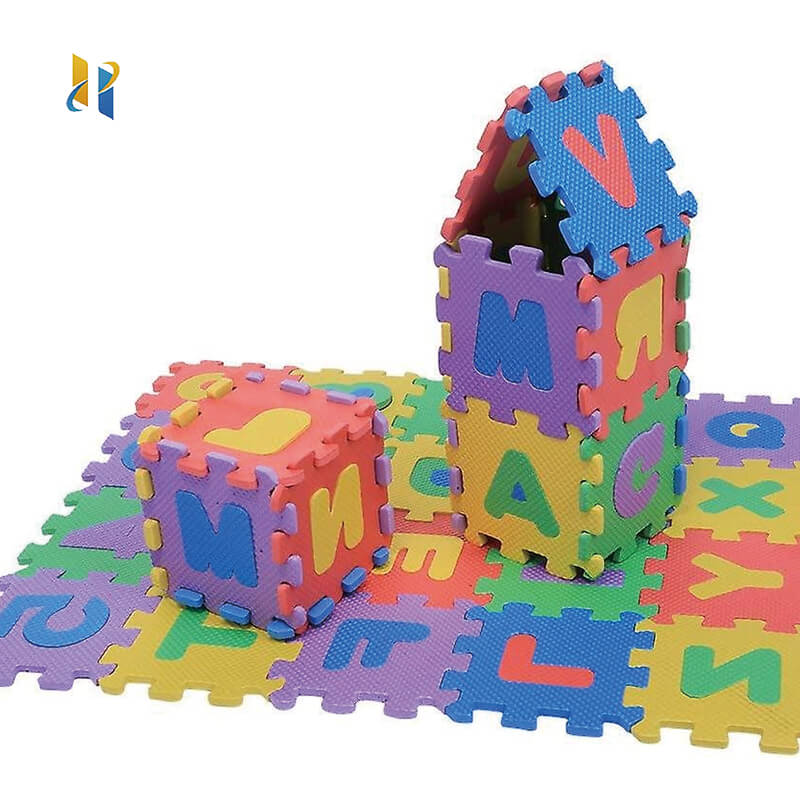
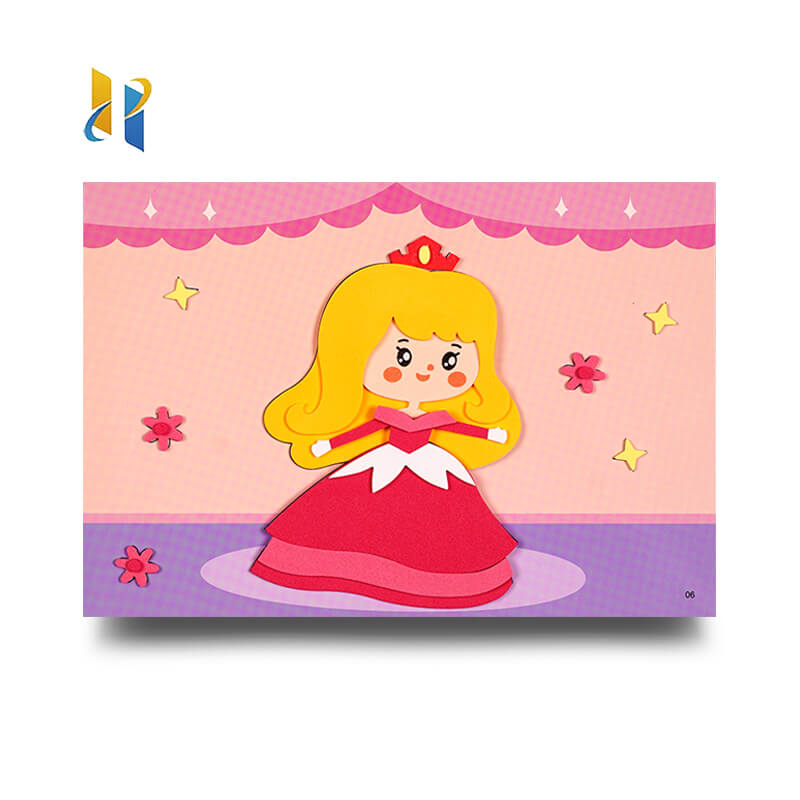
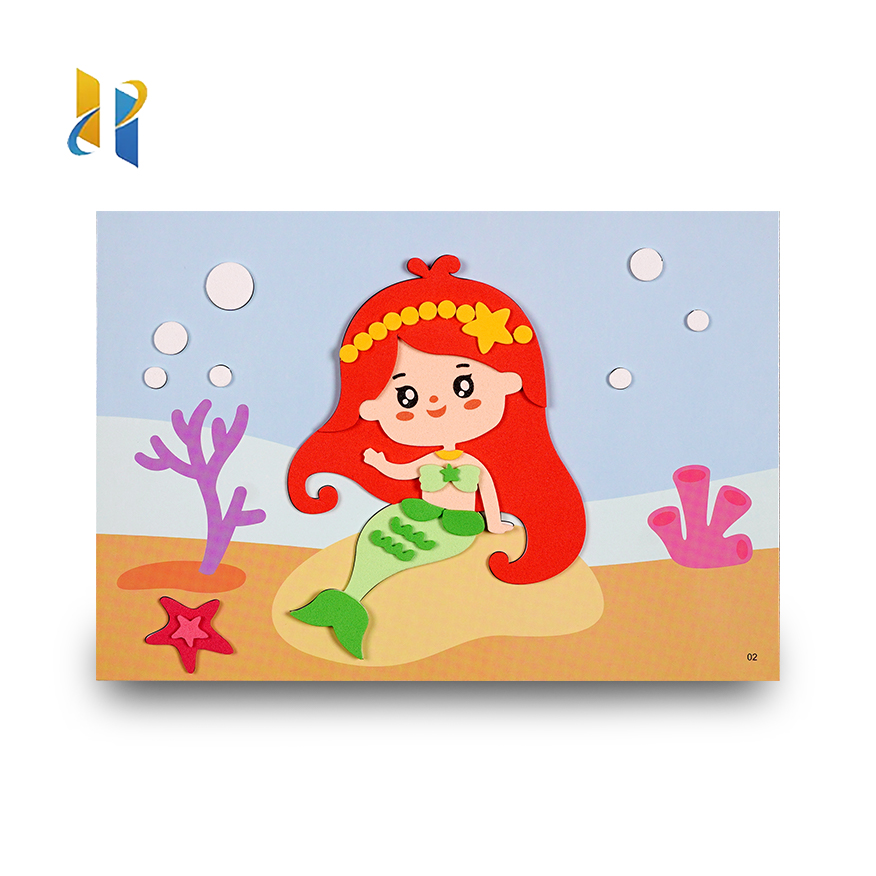
Kids' Crafts: Play swords, crowns, masks, puzzle pieces, building blocks.
-
Wearable Art: Fascinators, jewelry, bracers, belts.

Safety Tips
-
Ventilation: Always work in a well-ventilated area, especially when using a heat gun, hot knife, or contact cement.
-
Respirator/Dust Mask: Wear one when sanding foam or using chemicals.
-
Sharp Tools: Always cut away from yourself and keep blades sharp (a dull blade requires more force and is more dangerous).
How use color EVA foam to make the crafts
What is EVA foam sheet?
Related Article