EVA Foam Mats for Gym Use
What are EVA foam mats?
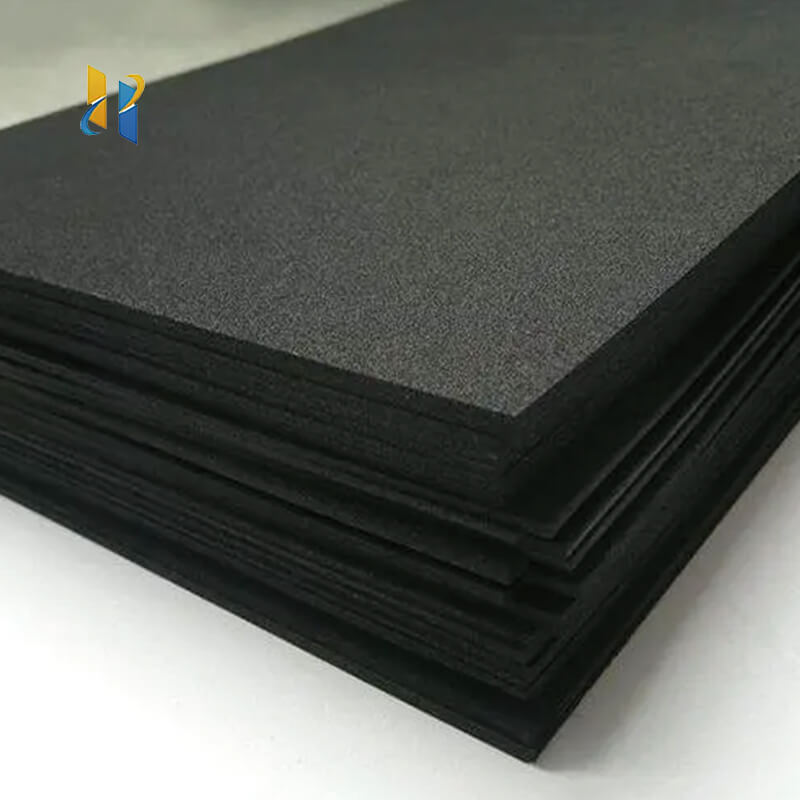
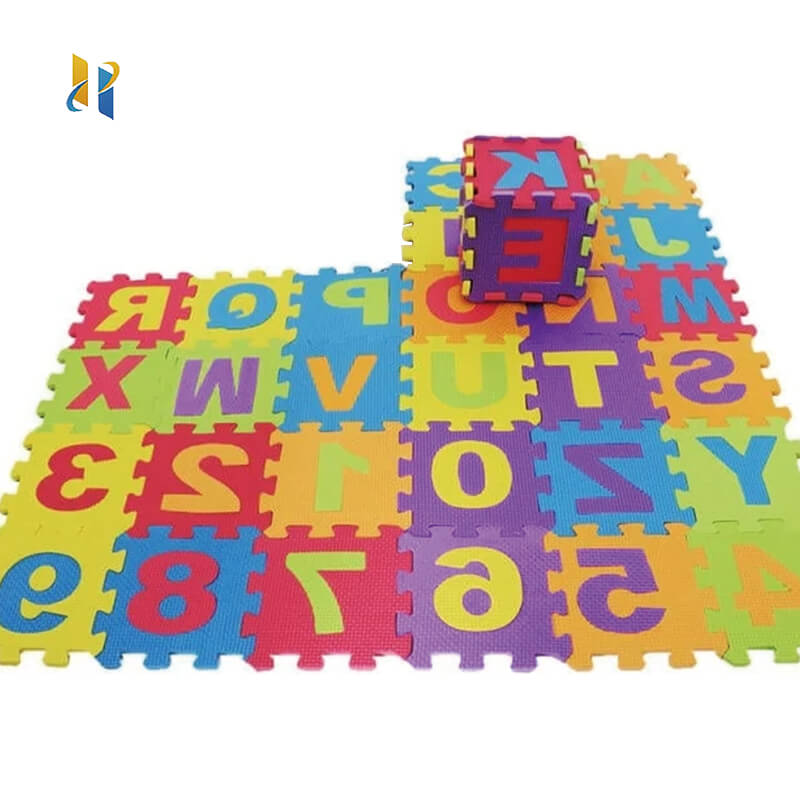
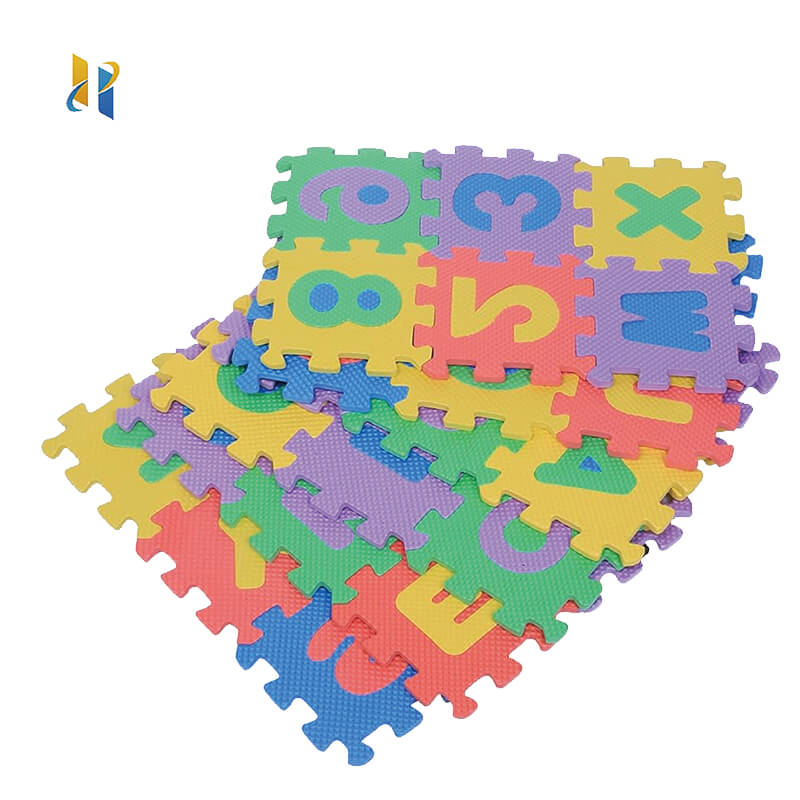
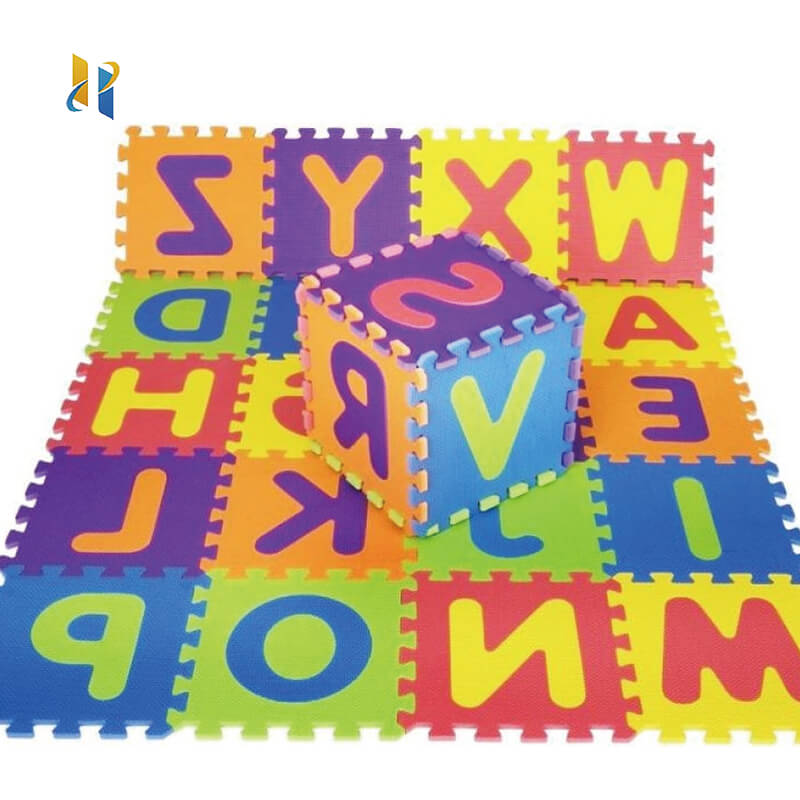
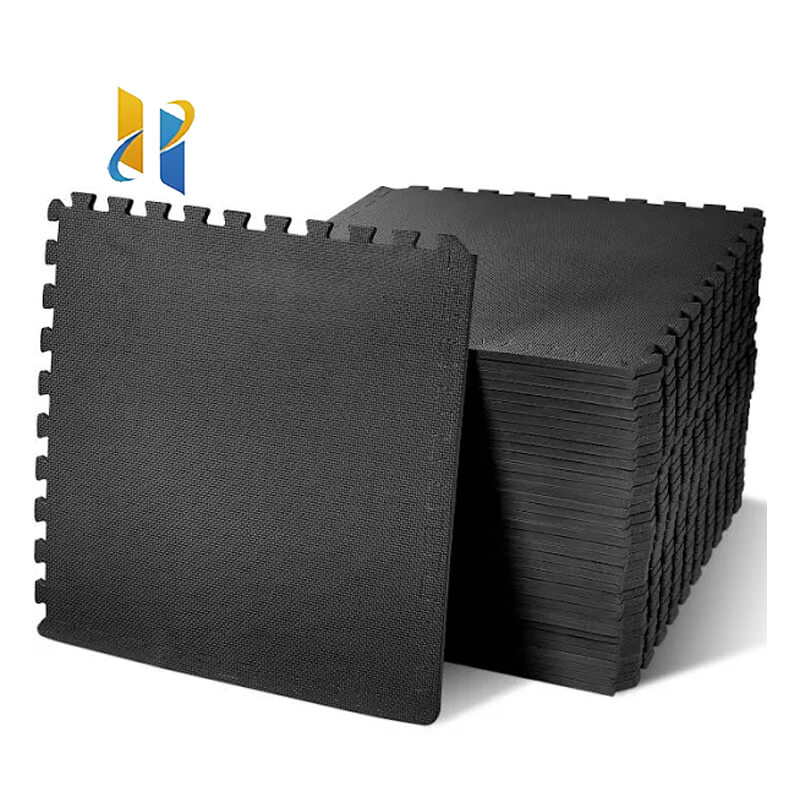
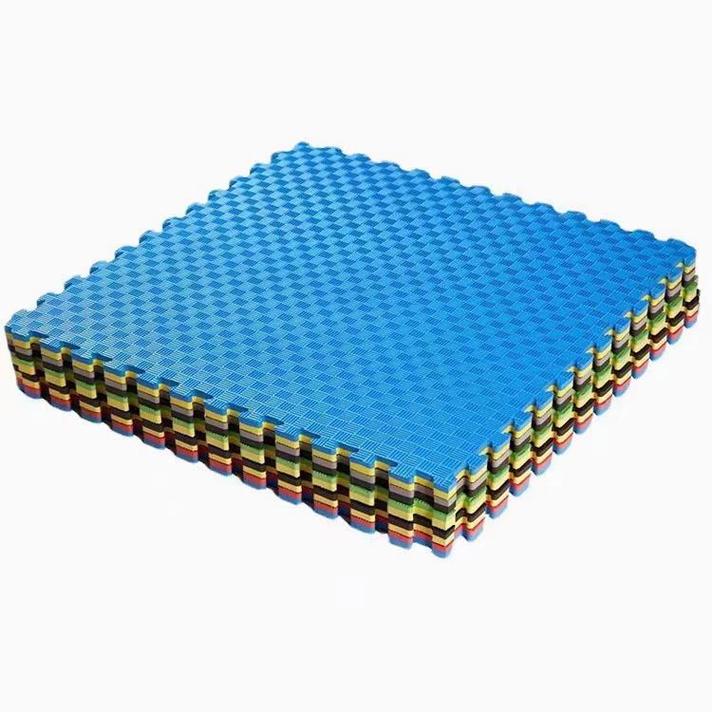
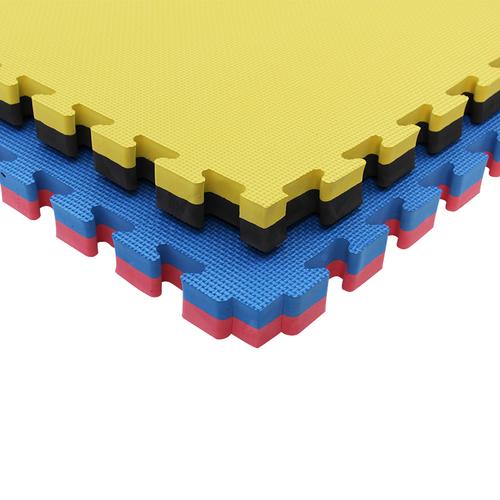
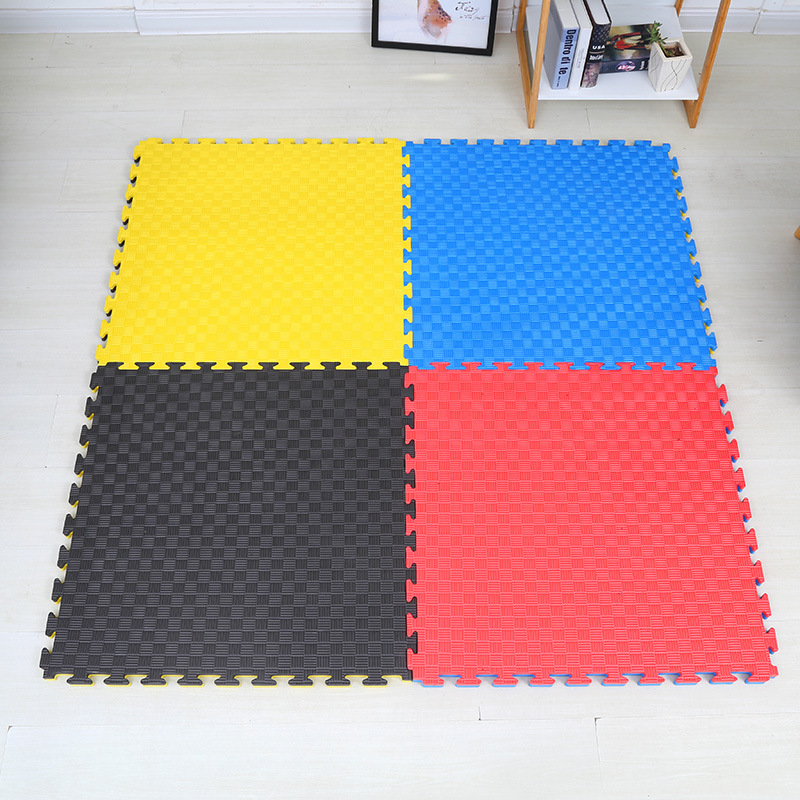
EVA stands for Ethylene-Vinyl Acetate. It's a durable, flexible, and lightweight closed-cell foam material. You'll most commonly recognize them as the interlocking puzzle-piece tiles, often in black, grey, or various colors.
Benefits of Using EVA Foam Mats in the Gym
-
Shock Absorption and Joint Protection: This is the #1 reason people use them. They provide excellent cushioning for high-impact exercises like jumping rope, box jumps, burpees, and dynamic warm-ups. This reduces stress on knees, ankles, hips, and the spine.
-
Equipment Protection: They protect your expensive equipment (and your floor!) from damage. Dropping dumbbells, kettlebells, or bumper plates on a concrete floor can damage both the equipment and the floor. EVA foam absorbs the impact.
-
Non-Slip Surface: The textured surface provides excellent traction, preventing slips and falls during workouts, even when you sweat.
-
Easy Installation and Modularity: The interlocking tiles are incredibly easy to put together and take apart. You can create a custom-sized floor for any space. If a section gets damaged, you can replace individual tiles instead of the entire floor.
-
Affordability: Compared to rolled rubber flooring or commercial gym flooring, EVA foam tiles are very budget-friendly, making them ideal for home gyms on a budget.
-
Insulation: Foam provides a thermal barrier, making the floor warmer and more comfortable to sit or lie on than cold concrete, especially in basements or garages.
-
Lightweight and Portable: They are easy to move, reconfigure, or even store away if needed.
Drawbacks and Limitations
-
Not for Heavy Barbell Work: This is the most critical limitation. EVA foam is too soft and compressible for heavy barbell lifts. If you squat or deadlift with a standard barbell and iron plates, the bar will sink into the foam, creating an unstable and unsafe surface. It can also damage the foam over time.
-
Solution: Use a dedicated lifting platform, a piece of sturdy plywood topped with horse stall mats, or a firm rubber tile specifically designed for weightlifting directly over your EVA mats for your lifting area.
-
-
Durability vs. Rubber: While durable for their weight, high-quality rubber mats (like horse stall mats) are more resistant to tearing, indentation, and wear from heavy, concentrated weights over the long term.
-
Chemical Smell (Off-Gassing): New EVA mats often have a strong plastic or chemical smell that can fill a room. This is harmless for most people but can be unpleasant. It dissipates over a few days to a few weeks with proper ventilation.
-
Can Be Porous if Low Quality: Cheap, open-cell EVA foam can absorb sweat and moisture, leading to odors and mildew. Always ensure you're buying closed-cell EVA foam mats for gym use.
-
Compression Over Time: In high-traffic areas or under very heavy, stationary equipment (like a leg press machine), the mats can compress permanently and leave indentations.
Best Uses for EVA Foam Mats in a Gym
-
Home Gym Foundation: Perfect for covering a large area of concrete, wood, or tile in a garage, basement, or spare room.
-
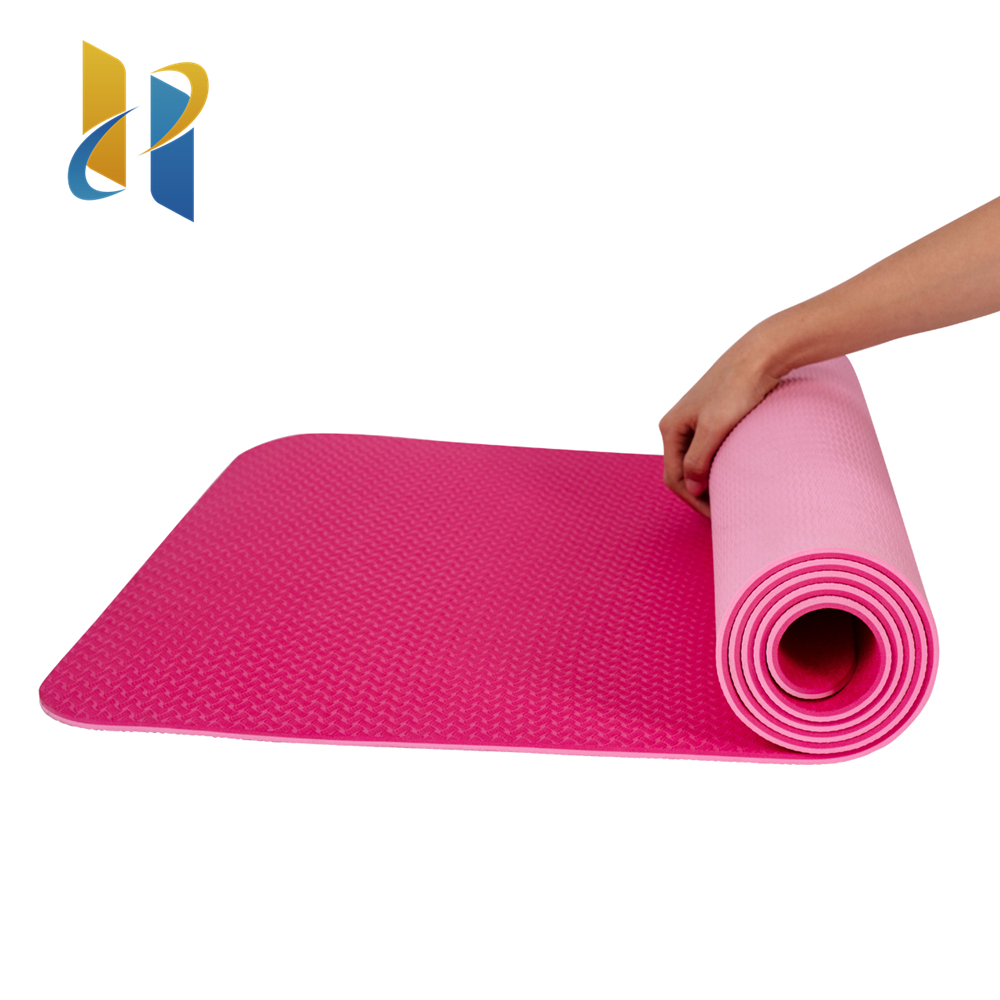
Bodyweight & HIIT Workouts: Ideal for yoga, Pilates, stretching, calisthenics, jump rope, and high-intensity interval training.
-
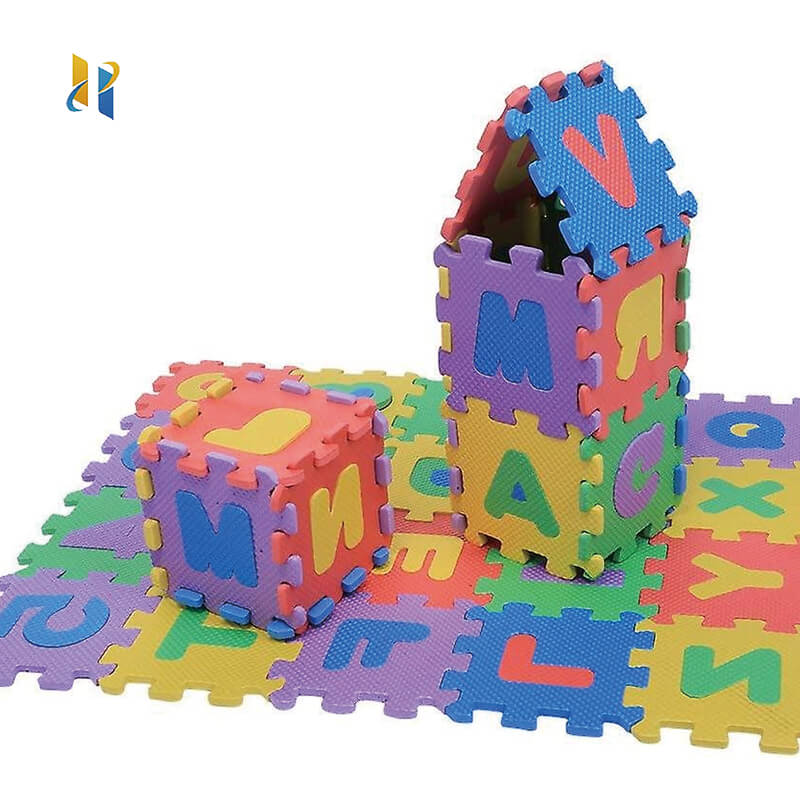
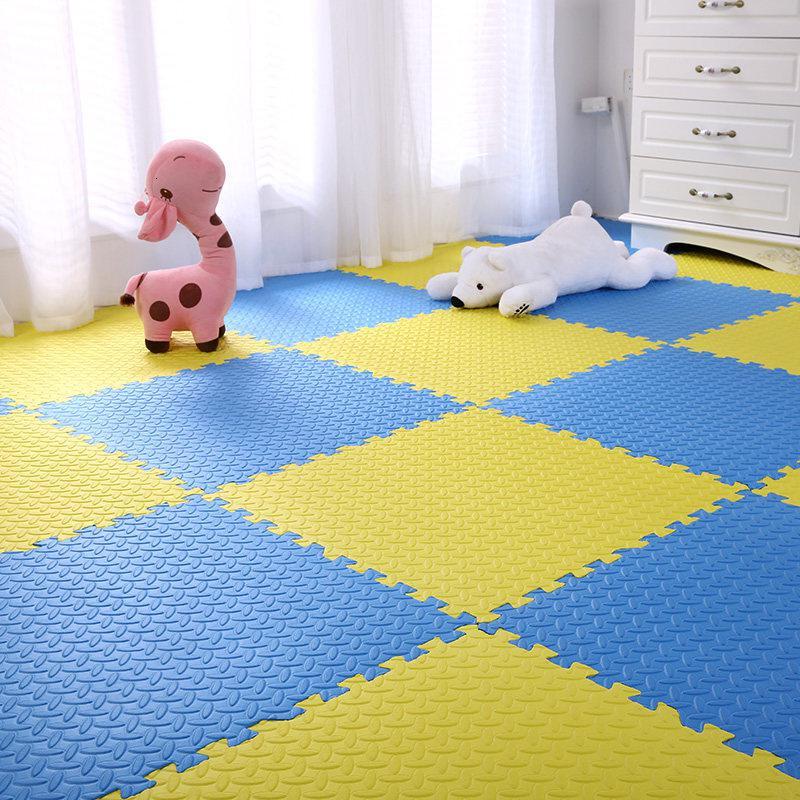
Play Areas / Kids' Corners: A safe, soft surface for children to be on while you work out.
-
Protective Flooring Under Treadmills & Bikes: To protect your underlying floor from vibration and scratches.
-
Designated Zones: Use them to create specific zones for stretching, dumbbell work, or cardio within a larger gym space.
How to Choose the Right EVA Mats
-
Thickness: For gym use, 1/2 inch (12mm) is the standard and recommended minimum. This provides adequate cushioning and protection. 3/8" can work for lighter use, and 3/4" offers premium cushioning (but is less stable for standing lifts).
-
Density: Look for "high-density" EVA foam. Denser mats offer better support, durability, and rebound. Cheaper, low-density mats will feel squishy and break down faster.
-
Material: Ensure they are closed-cell foam to prevent moisture absorption.
-
Surface Texture: Choose mats with a textured (often diamond plate or coin-top) pattern for the best slip resistance.
Maintenance and Care
-
Cleaning: Sweep or vacuum regularly. Clean with a mild detergent (like dish soap) and water. Avoid harsh chemicals that can break down the foam.
-
Drying: If they get wet, ensure they dry completely to prevent any potential for mildew growth underneath.
-
Sunlight: Prolonged direct sunlight can cause the mats to fade and become brittle over time.
Final Verdict
EVA foam mats are an excellent choice for most home gyms, providing fantastic value, comfort, and protection for the majority of exercises. However, they are not a complete solution for serious weightlifters.
The ideal setup for many is to use EVA foam mats for 80-90% of the gym floor and then have a separate, solid platform (like a deadlift platform with horse stall mats) for heavy barbell lifting. This combination gives you the best of both worlds: comfort for dynamic movement and a stable, safe surface for max lifts.
EVA swimming board (kickboard) in children's swimming learning is fundamental and multifaceted
Related Article