eva foam thermal insulation
2024-04-16
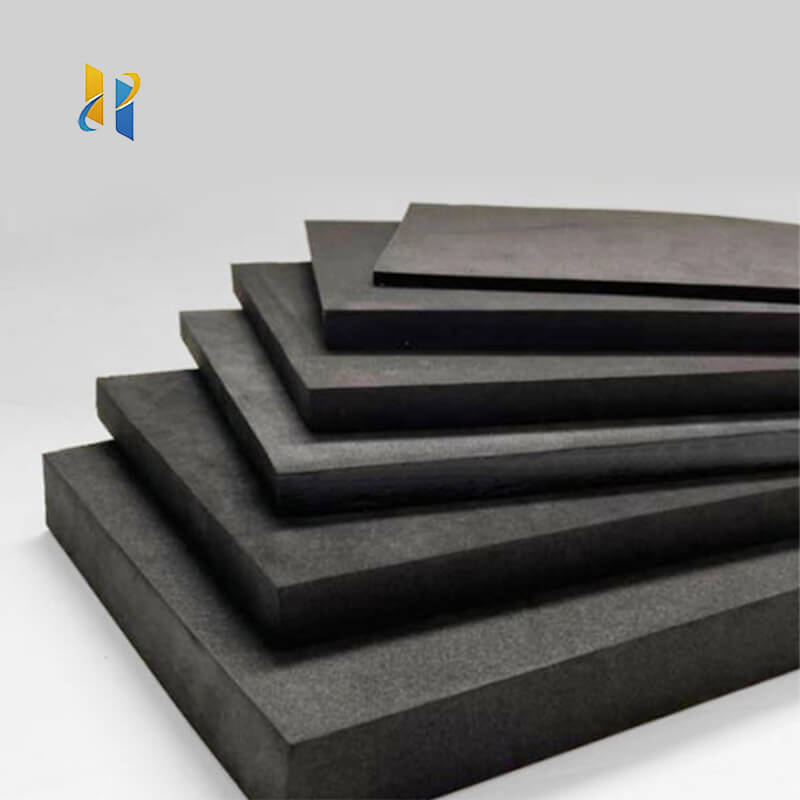
Eva Foam: A Revolutionary Material for Enhanced Thermal Insulation
In the ever-evolving field of building materials, Eva foam has emerged as a groundbreaking thermal insulation solution. Its unique properties and exceptional performance have made it a favorite among architects, engineers, and homeowners alike. Let's delve into the wonders of Eva foam and explore how it revolutionizes thermal insulation.
Eva foam, also known as ethylene-vinyl acetate foam, is a lightweight and flexible material that excels in thermal insulation. Its closed-cell structure traps air pockets, effectively blocking the transfer of heat. This unique characteristic makes Eva foam an ideal choice for insulating various surfaces, including walls, floors, and roofs.
The thermal insulation properties of Eva foam are further enhanced by its excellent durability and resistance to moisture. Unlike traditional insulation materials that can deteriorate over time due to moisture exposure, Eva foam maintains its integrity and insulating capabilities even in damp or humid environments.
Moreover, Eva foam is easy to install and requires minimal maintenance. It can be cut and shaped to fit any space, making it suitable for both new construction and retrofit projects. Its versatility allows architects and designers to create innovative and energy-efficient building solutions.
The benefits of Eva foam thermal insulation are not just limited to residential applications. It also finds widespread use in commercial and industrial settings, where energy efficiency and cost savings are paramount. From office buildings to warehouses, Eva foam provides a cost-effective and long-lasting solution for thermal insulation.
In conclusion, Eva foam is a revolutionary material that offers exceptional thermal insulation properties. Its durability, resistance to moisture, and ease of installation make it a superior choice for insulating various surfaces. As the demand for energy-efficient building solutions continues to grow, Eva foam is poised to play a pivotal role in shaping the future of construction.
eva foam technical data sheet
eva foam thermoforming temperature
Related Article

20 Years of Manufacturing Excellence Delivering Superior EVA Foam for Diverse Industries
Excellent Black & White EVA Materials Now in Production – Visit Our Factory for Unbeatable Quality & Value!