eva vs pe foam
2024-05-27
Title: EVA vs PE Foam: Unveiling the Key Differences for Optimal Material Selection
In the world of foam materials, EVA (Ethylene-Vinyl Acetate) and PE (Polyethylene) foam are two prominent contenders, each with distinct characteristics that make them suitable for a variety of applications. Whether you're in the market for cushioning, insulation, or protective packaging, understanding the nuances between EVA and PE foam is essential for making the right choice. In this article, we will explore the key differences between these two materials to help you determine which one aligns best with your specific needs.
EVA and PE foam each offer unique advantages, and the decision between the two often hinges on the intended use and desired properties. Here's a breakdown of their differences:
1. **Material Composition and Feel**:
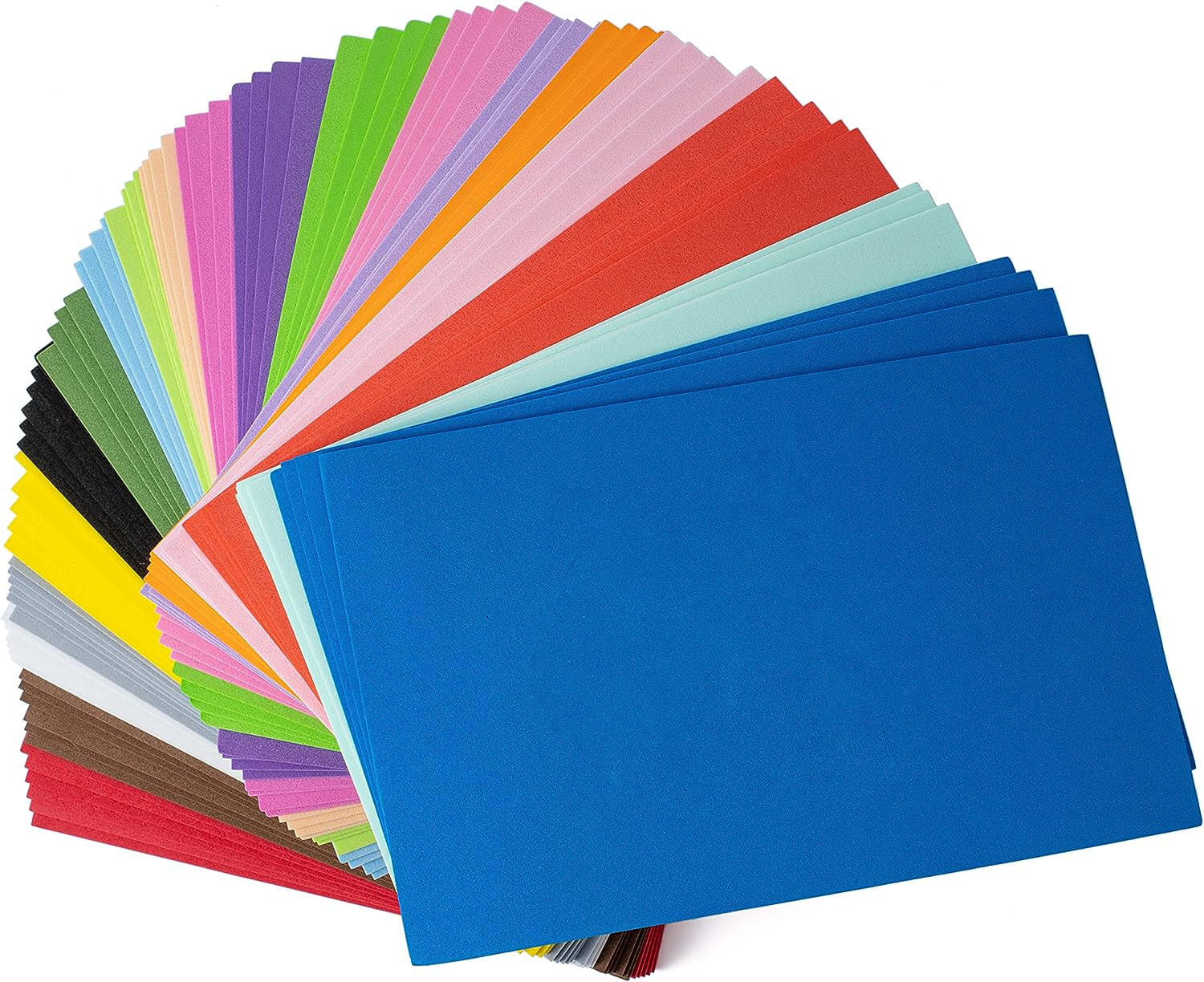
- **EVA Foam**: EVA foam is a copolymer that combines ethylene and vinyl acetate, resulting in a softer, more flexible material with a rubber-like texture.
- **PE Foam**: PE foam is made from polyethylene, a thermoplastic polymer that forms a denser, more rigid foam with a closed-cell structure.
- **EVA Foam**: EVA foam is a copolymer that combines ethylene and vinyl acetate, resulting in a softer, more flexible material with a rubber-like texture.
- **PE Foam**: PE foam is made from polyethylene, a thermoplastic polymer that forms a denser, more rigid foam with a closed-cell structure.
2. **Durability and Resilience**:
- **EVA Foam**: Known for its durability, EVA foam maintains its shape and elasticity over time, making it suitable for applications that require long-term resilience.
- **PE Foam**: PE foam is highly resistant to impacts and abrasions, offering excellent protection in applications where durability is a priority.
- **EVA Foam**: Known for its durability, EVA foam maintains its shape and elasticity over time, making it suitable for applications that require long-term resilience.
- **PE Foam**: PE foam is highly resistant to impacts and abrasions, offering excellent protection in applications where durability is a priority.
3. **Water Resistance and Insulation**:
- **EVA Foam**: While EVA foam offers some water resistance, it is not as impermeable as PE foam. It provides moderate insulation properties.
- **PE Foam**: The closed-cell structure of PE foam makes it highly water-resistant and an excellent insulator, ideal for applications requiring moisture protection and thermal insulation.
- **EVA Foam**: While EVA foam offers some water resistance, it is not as impermeable as PE foam. It provides moderate insulation properties.
- **PE Foam**: The closed-cell structure of PE foam makes it highly water-resistant and an excellent insulator, ideal for applications requiring moisture protection and thermal insulation.
4. **Versatility and Applications**:
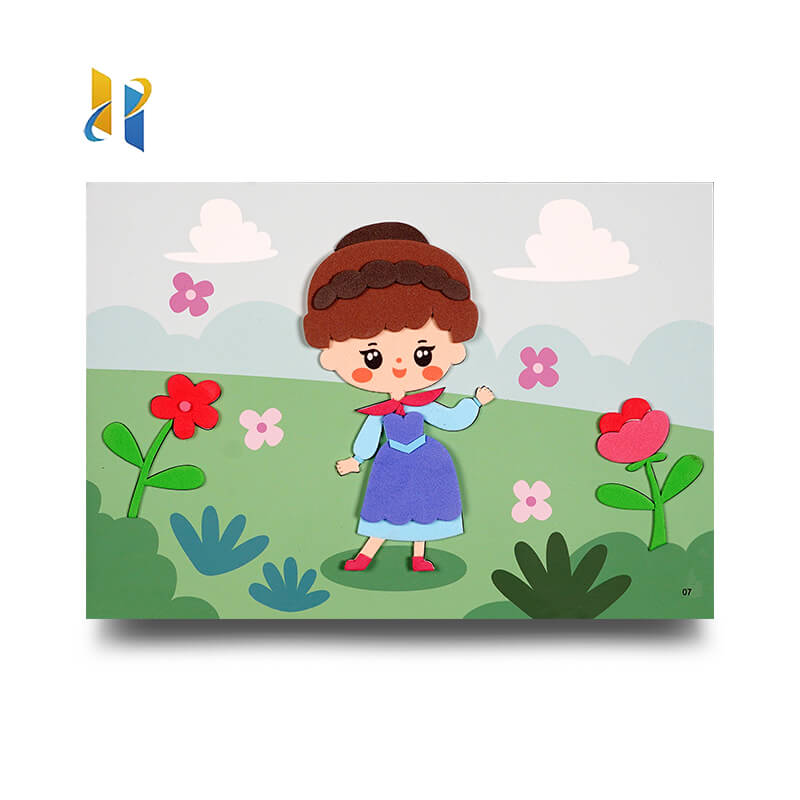
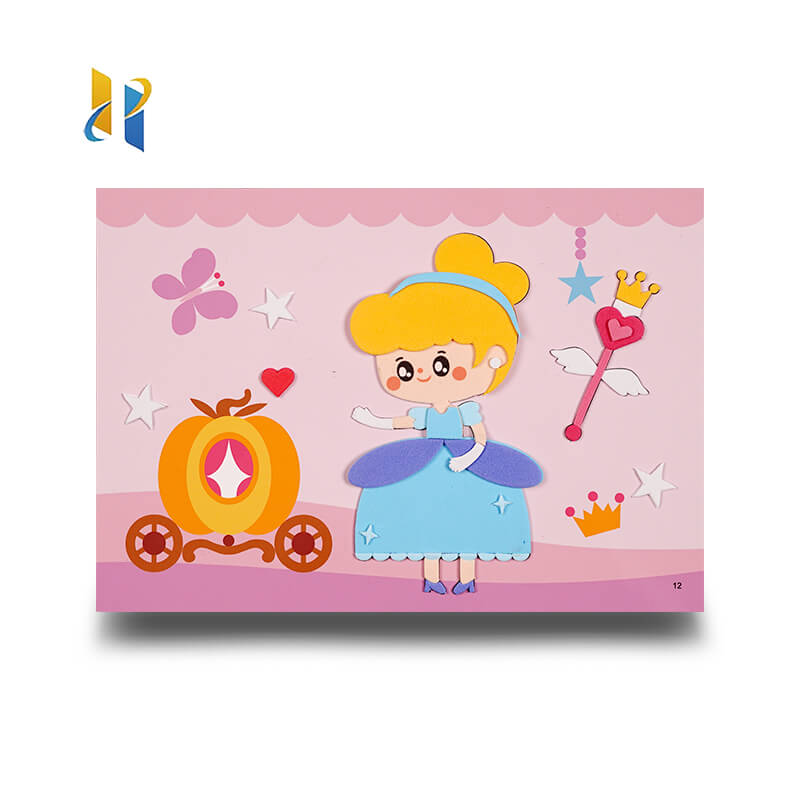
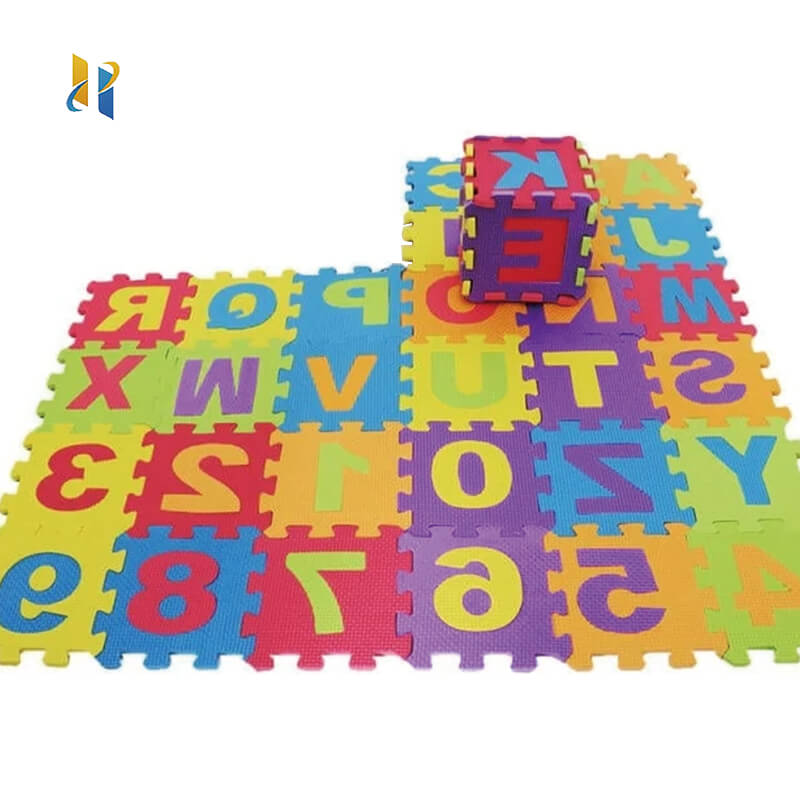
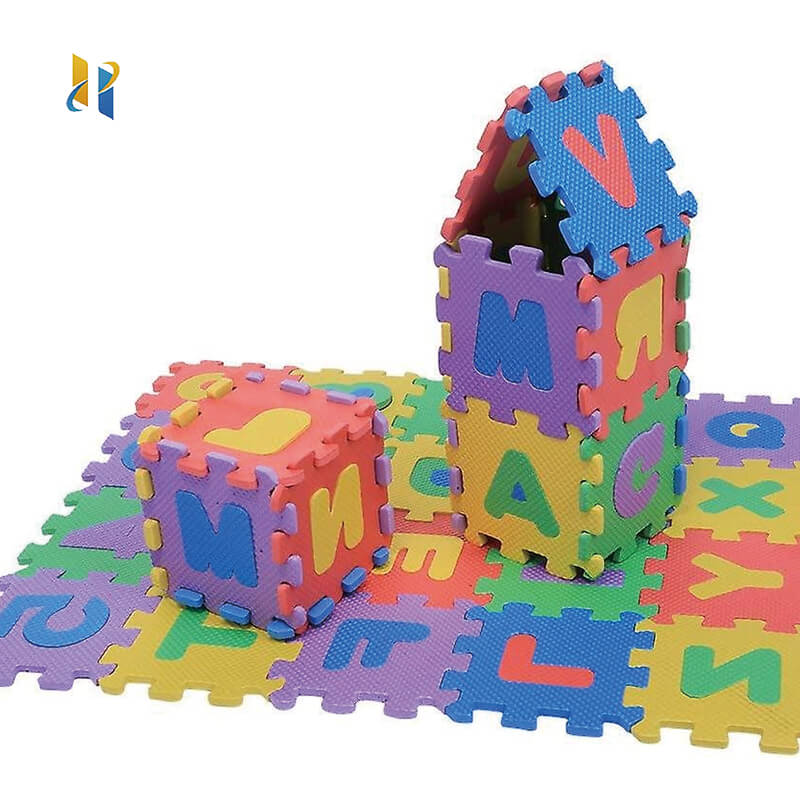
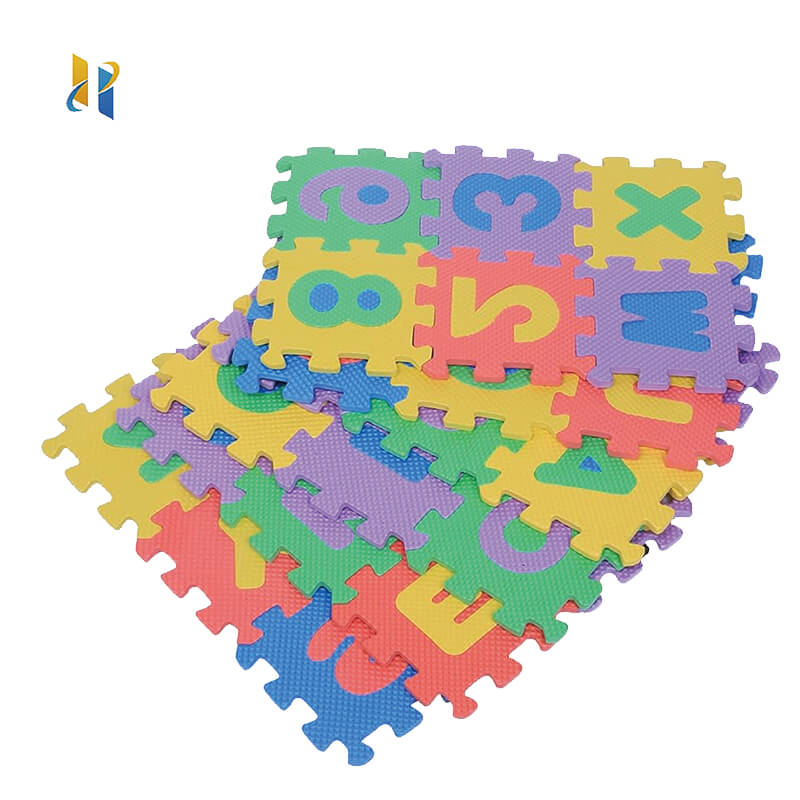
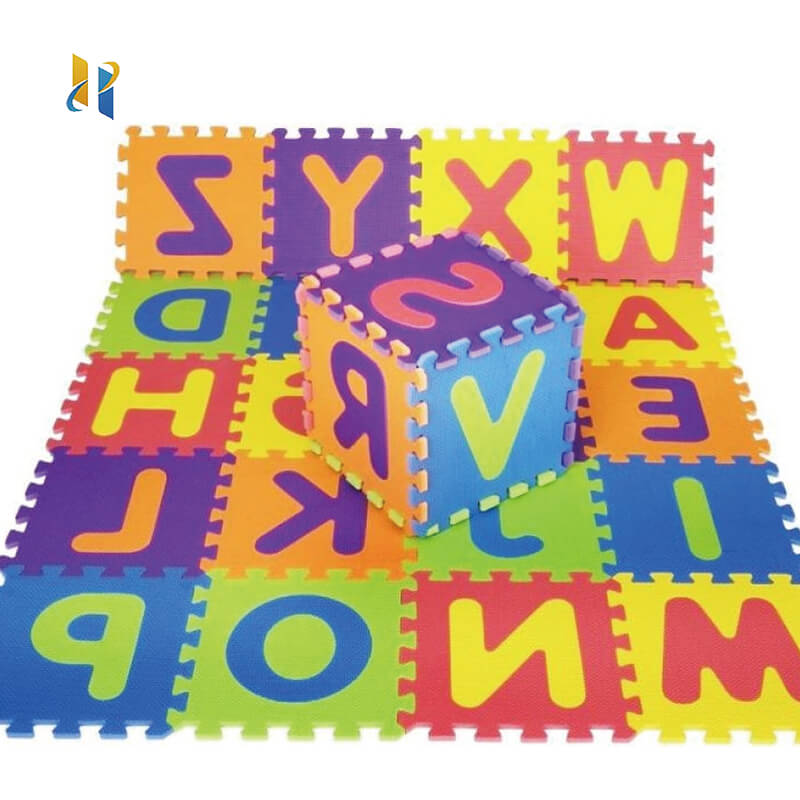
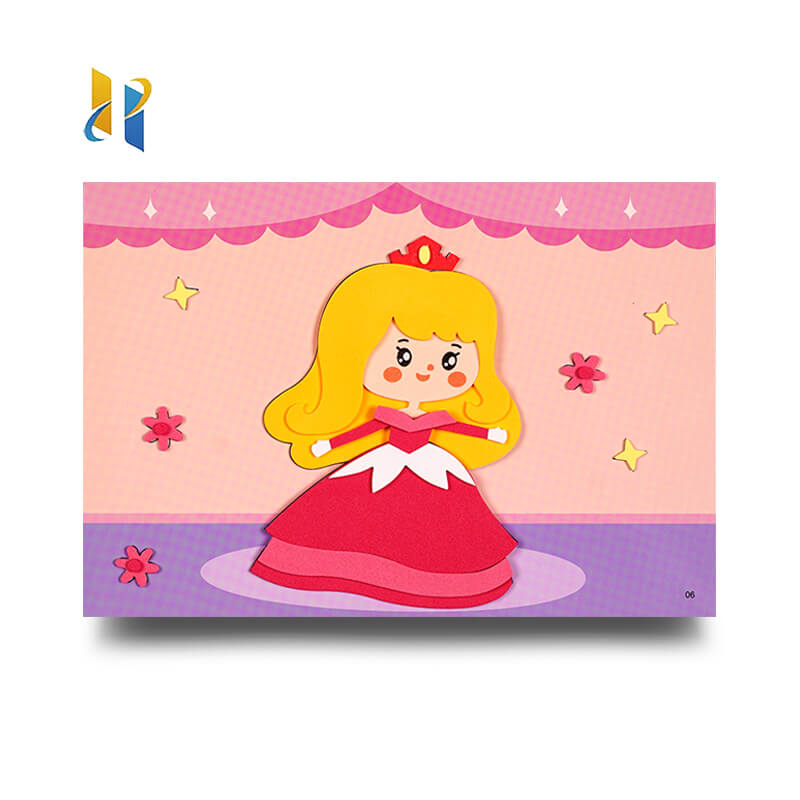
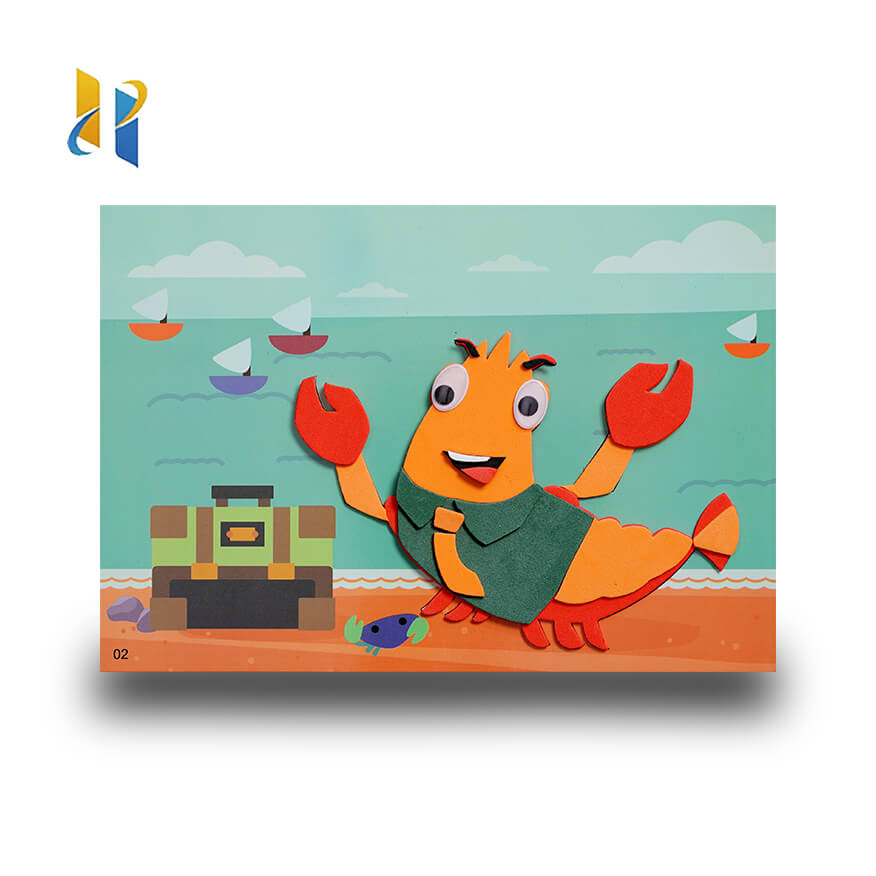
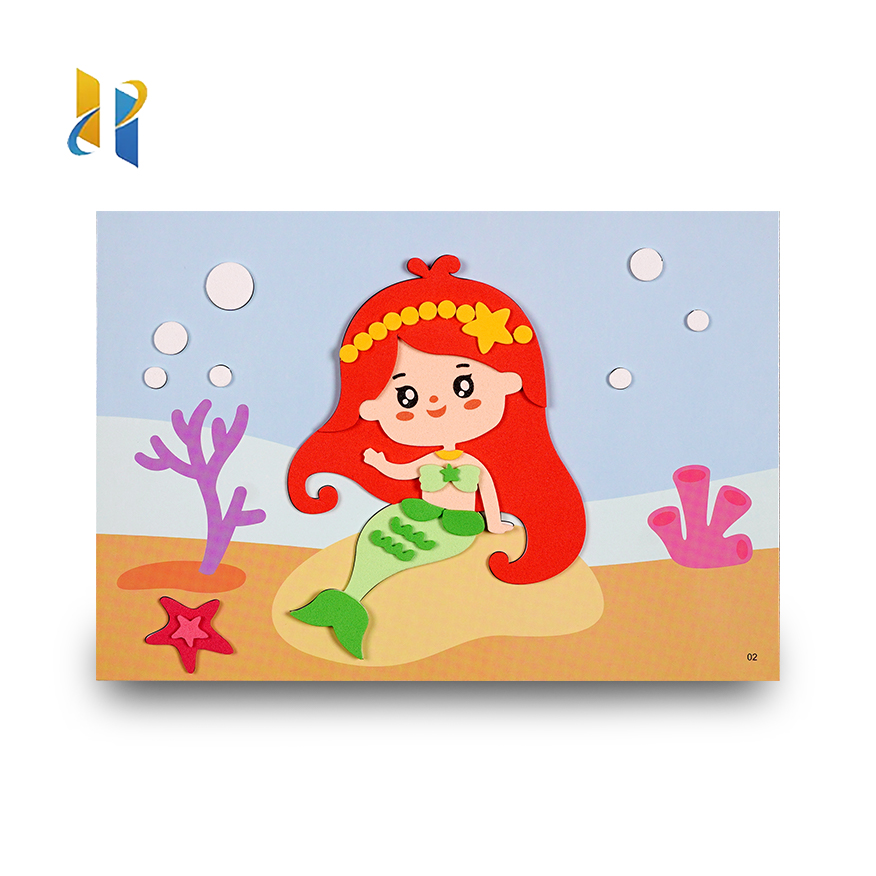
- **EVA Foam**: EVA foam is widely used in sports equipment, footwear, and crafting due to its flexibility and ease of molding.
- **PE Foam**: PE foam is commonly found in flotation devices, protective packaging, and thermal insulation, leveraging its strength and water resistance.
- **EVA Foam**: EVA foam is widely used in sports equipment, footwear, and crafting due to its flexibility and ease of molding.
- **PE Foam**: PE foam is commonly found in flotation devices, protective packaging, and thermal insulation, leveraging its strength and water resistance.
5. **Cost Considerations**:
- **EVA Foam**: EVA foam is often more cost-effective, especially for large-scale production, making it an attractive option for budget-conscious buyers.
- **PE Foam**: PE foam can be more expensive, but its superior protective and insulating properties may justify the additional cost for certain applications.
- **EVA Foam**: EVA foam is often more cost-effective, especially for large-scale production, making it an attractive option for budget-conscious buyers.
- **PE Foam**: PE foam can be more expensive, but its superior protective and insulating properties may justify the additional cost for certain applications.
The choice between EVA and PE foam should be guided by the specific requirements of your project. EVA foam's flexibility and comfort make it a top pick for applications where these qualities are paramount, while PE foam's strength and water resistance are ideal for protective and insulating needs. By weighing the properties and applications of each material, you can confidently select the foam that will deliver the best performance and value for your specific use case.
eva interlocking foam mats
eva vs polyethylene foam
Related Article

20 Years of Manufacturing Excellence Delivering Superior EVA Foam for Diverse Industries
Excellent Black & White EVA Materials Now in Production – Visit Our Factory for Unbeatable Quality & Value!