eva vs polyethylene foam
2024-05-27
EVA vs Polyethylene Foam: Choosing the Right Material for Your Needs
When it comes to selecting the ideal foam material for various applications, two popular options often come to the forefront: EVA (Ethylene-Vinyl Acetate) foam and Polyethylene foam. Both materials offer unique properties that make them suitable for different uses, from cushioning and insulation to crafting and packaging. In this article, we will compare EVA and Polyethylene foam, helping you make an informed decision on which material is best suited for your specific requirements.
Understanding the differences between EVA and Polyethylene foam is crucial for selecting the right material. Here’s a detailed comparison:
1. **Material Composition**:
- **EVA Foam**: Made from a copolymer of ethylene and vinyl acetate, EVA foam is known for its flexibility and resilience. It has a rubber-like texture that is soft to the touch.
- **Polyethylene Foam**: Composed of polyethylene, this foam is a closed-cell material that offers excellent buoyancy and resistance to chemicals and moisture.
- **EVA Foam**: Made from a copolymer of ethylene and vinyl acetate, EVA foam is known for its flexibility and resilience. It has a rubber-like texture that is soft to the touch.
- **Polyethylene Foam**: Composed of polyethylene, this foam is a closed-cell material that offers excellent buoyancy and resistance to chemicals and moisture.
2. **Durability and Strength**:
- **EVA Foam**: EVA foam is highly durable and can withstand repeated use without losing its shape or integrity. It is also resistant to UV rays and weathering.
- **Polyethylene Foam**: Polyethylene foam is extremely strong and has a high resistance to impact, making it ideal for protective packaging and shock absorption.
- **EVA Foam**: EVA foam is highly durable and can withstand repeated use without losing its shape or integrity. It is also resistant to UV rays and weathering.
- **Polyethylene Foam**: Polyethylene foam is extremely strong and has a high resistance to impact, making it ideal for protective packaging and shock absorption.
3. **Versatility**:
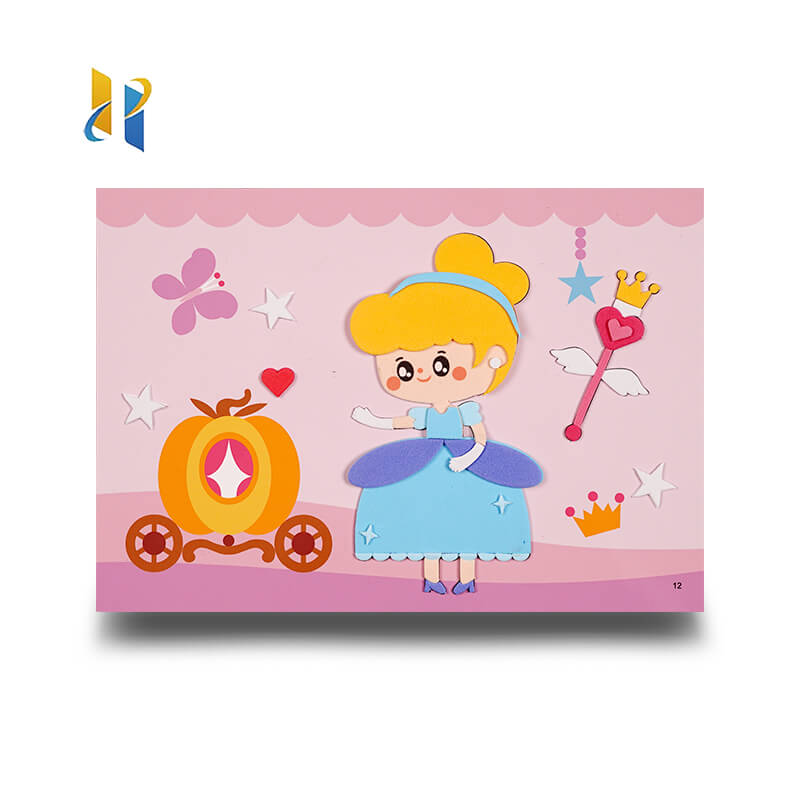
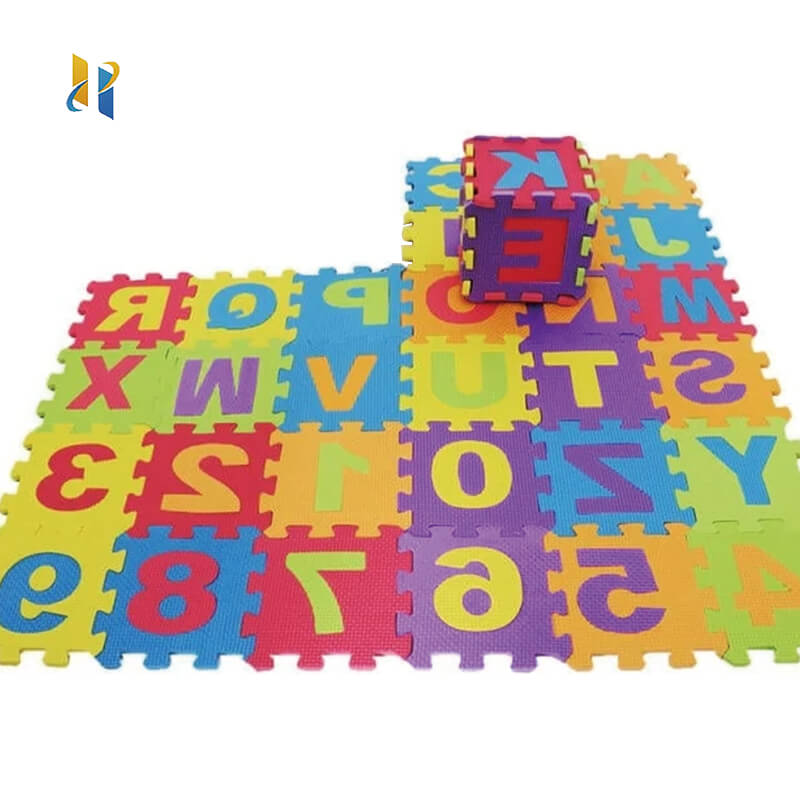
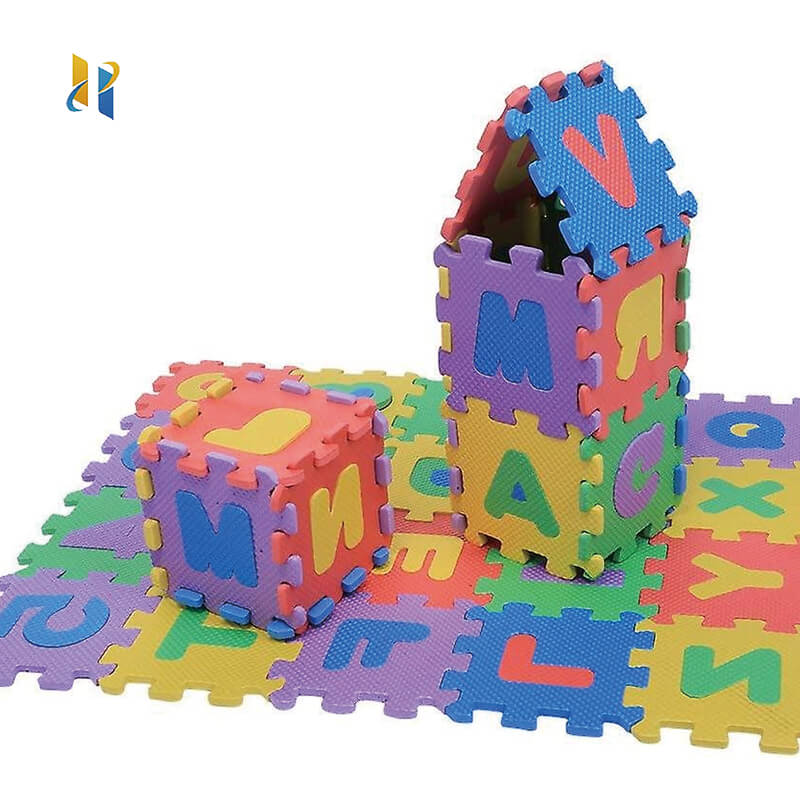
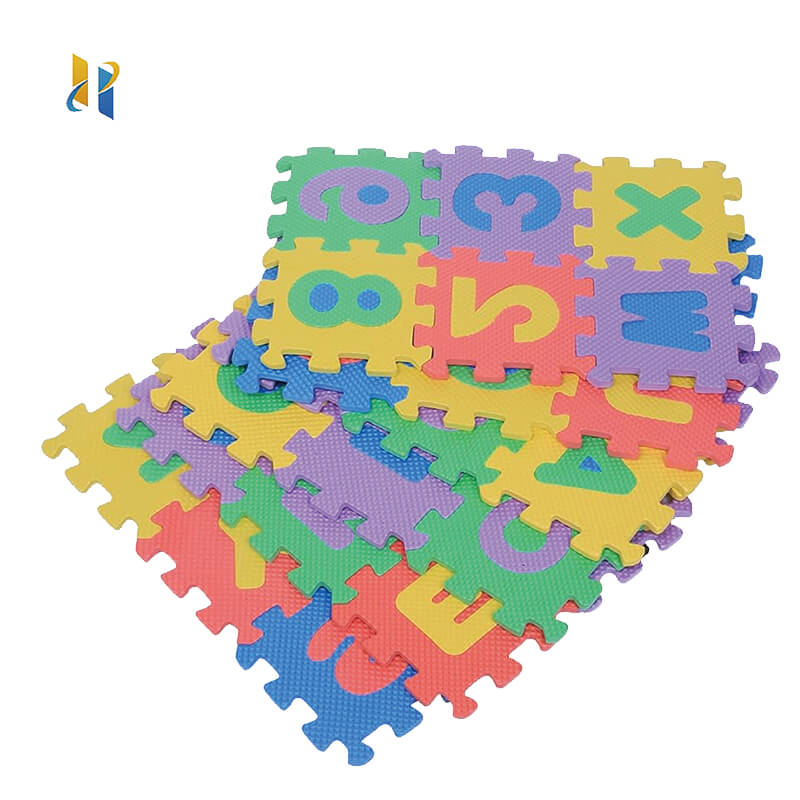
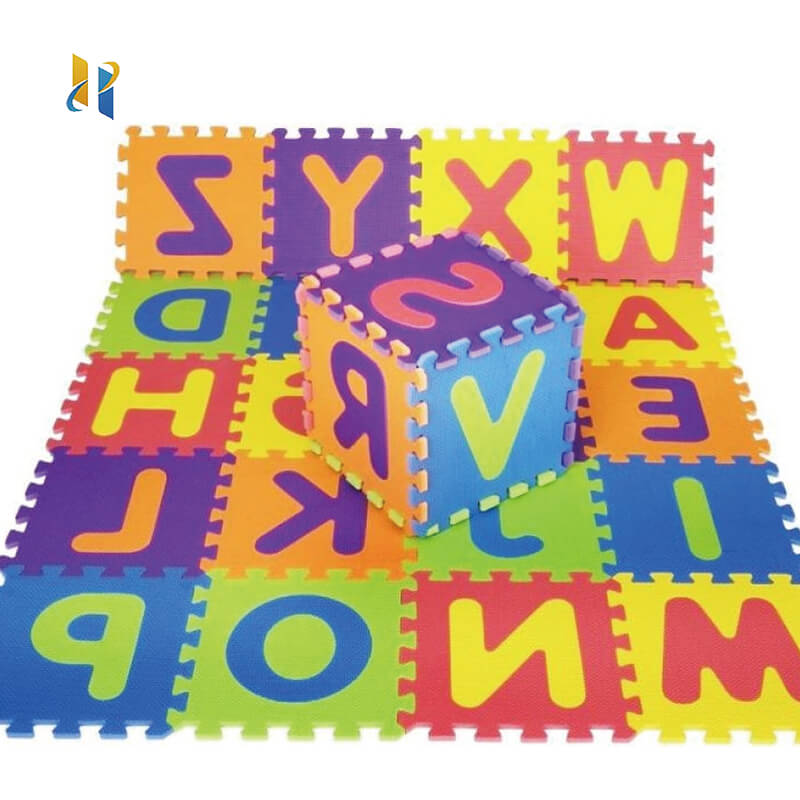
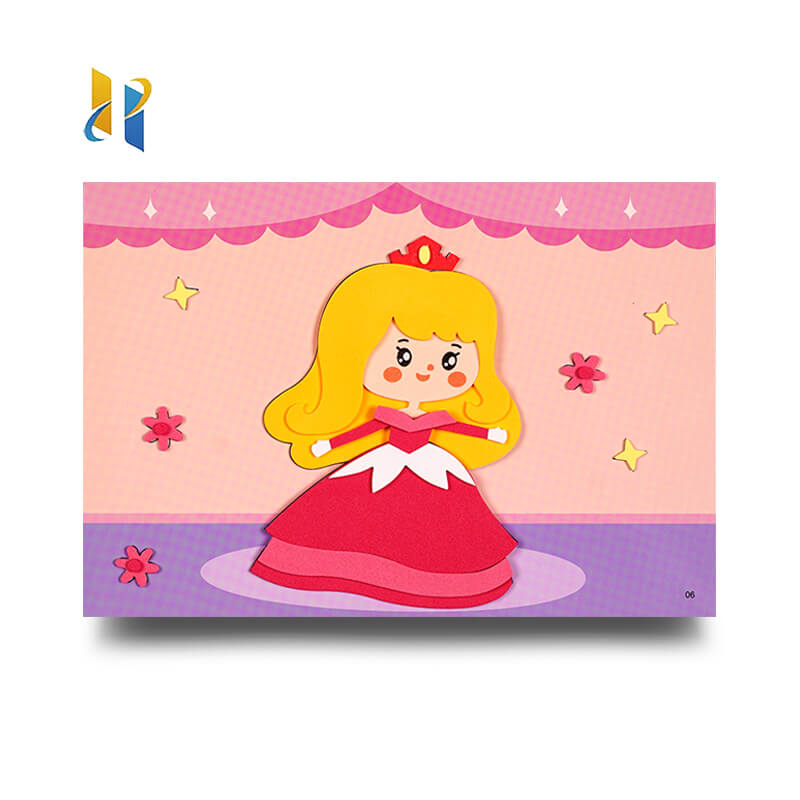
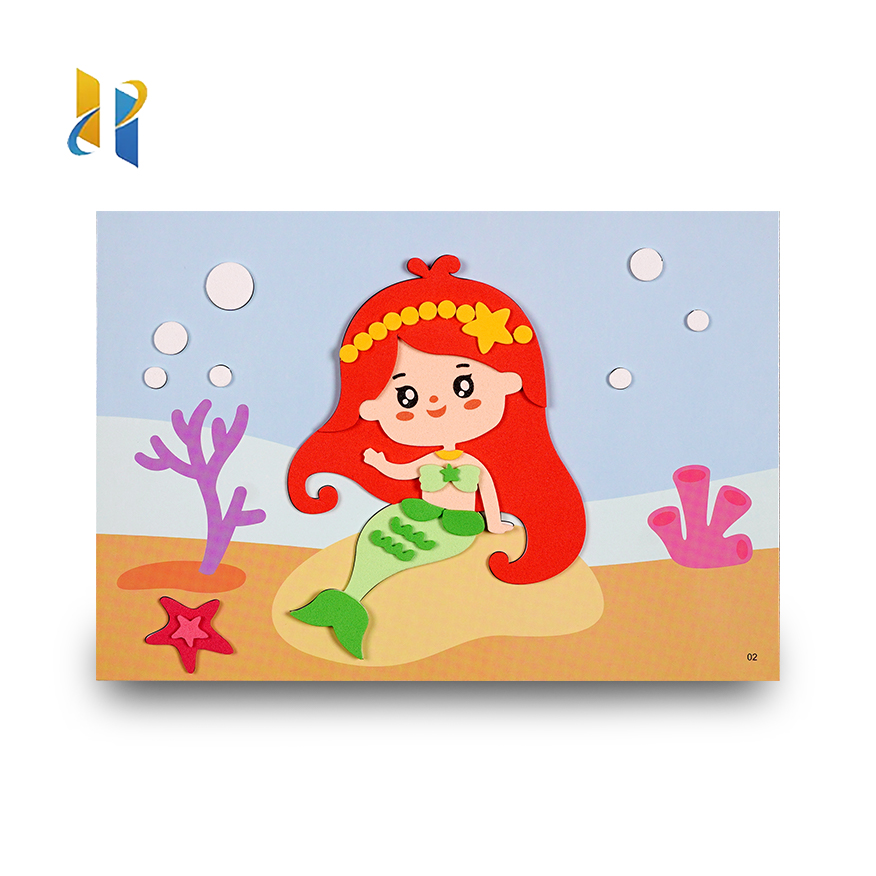
- **EVA Foam**: EVA foam is widely used in applications such as sports mats, shoe soles, and protective padding. It is also popular in crafting and cosplay due to its ease of shaping and cutting.
- **Polyethylene Foam**: Polyethylene foam is commonly used in flotation devices, insulation, and protective packaging. Its closed-cell structure makes it an excellent choice for waterproofing and insulation.
- **EVA Foam**: EVA foam is widely used in applications such as sports mats, shoe soles, and protective padding. It is also popular in crafting and cosplay due to its ease of shaping and cutting.
- **Polyethylene Foam**: Polyethylene foam is commonly used in flotation devices, insulation, and protective packaging. Its closed-cell structure makes it an excellent choice for waterproofing and insulation.
4. **Comfort and Cushioning**:
- **EVA Foam**: EVA foam provides excellent cushioning and is often used in products that require comfort, such as yoga mats and insoles.
- **Polyethylene Foam**: While also providing cushioning, Polyethylene foam is firmer and offers more support, making it suitable for applications where a more rigid structure is needed.
- **EVA Foam**: EVA foam provides excellent cushioning and is often used in products that require comfort, such as yoga mats and insoles.
- **Polyethylene Foam**: While also providing cushioning, Polyethylene foam is firmer and offers more support, making it suitable for applications where a more rigid structure is needed.
5. **Cost-Effectiveness**:
- **EVA Foam**: EVA foam is generally more cost-effective, especially for large-scale applications, due to its lower production costs.
- **Polyethylene Foam**: Polyethylene foam can be more expensive, but its superior protective qualities may justify the higher cost for specific applications.
- **EVA Foam**: EVA foam is generally more cost-effective, especially for large-scale applications, due to its lower production costs.
- **Polyethylene Foam**: Polyethylene foam can be more expensive, but its superior protective qualities may justify the higher cost for specific applications.
Choosing between EVA and Polyethylene foam ultimately depends on the specific needs of your project. EVA foam is ideal for applications requiring flexibility and comfort, while Polyethylene foam is better suited for situations where strength and protection are paramount. By considering the properties and uses of each material, you can make a decision that ensures the best performance and value for your application.
eva vs pe foam
gearwrench eva foam tray
Related Article

20 Years of Manufacturing Excellence Delivering Superior EVA Foam for Diverse Industries
Excellent Black & White EVA Materials Now in Production – Visit Our Factory for Unbeatable Quality & Value!