eva vs pu foam
2024-04-15
EVA vs PU Foam: A Comparative Analysis of Two Popular Foam Materials
When it comes to choosing the right foam material for your project, EVA and PU foam are two popular options that often come to the fore. Both materials offer unique advantages and are suitable for different applications. In this article, we will delve into the key differences between EVA and PU foam to help you make an informed decision.
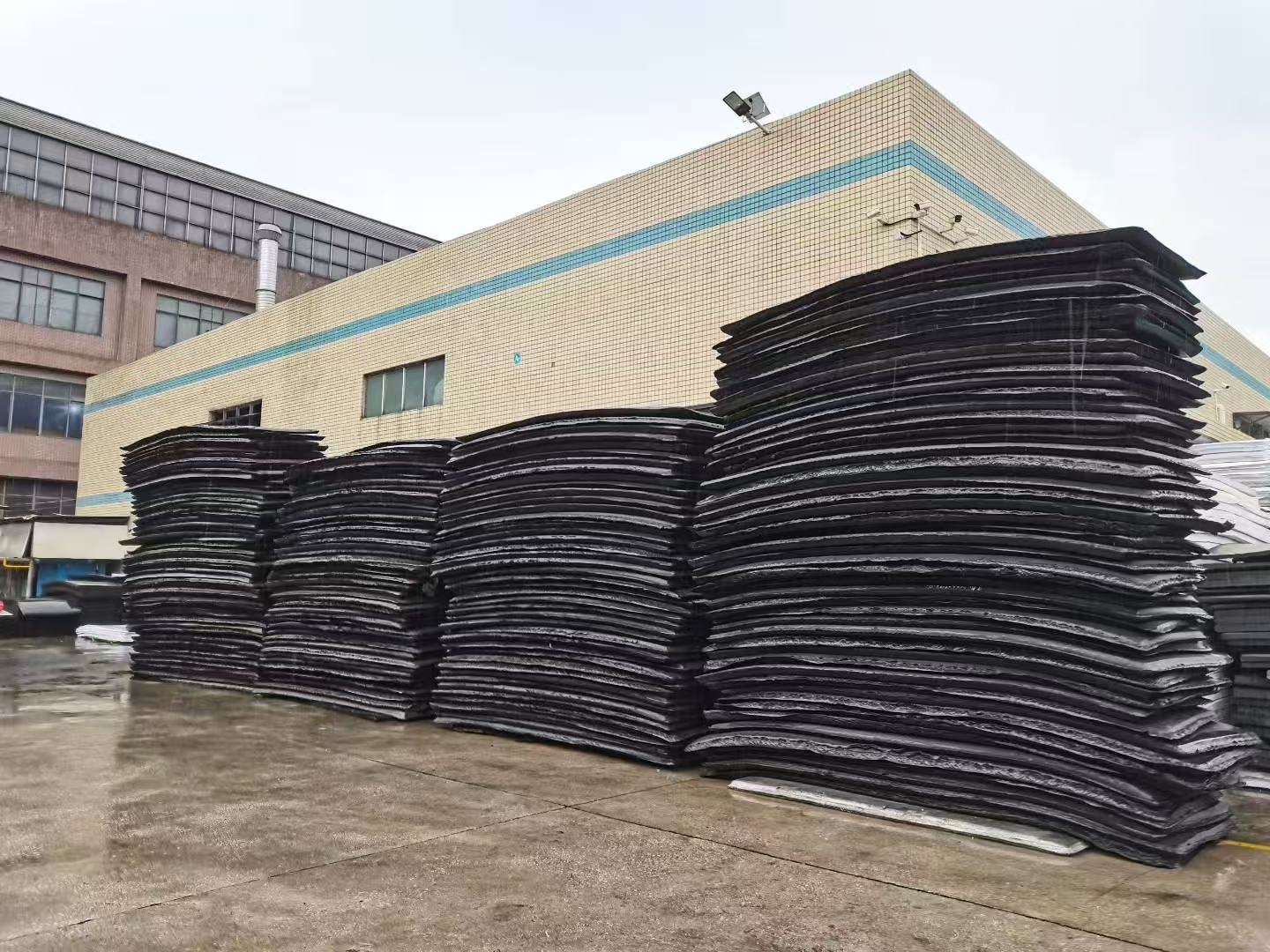
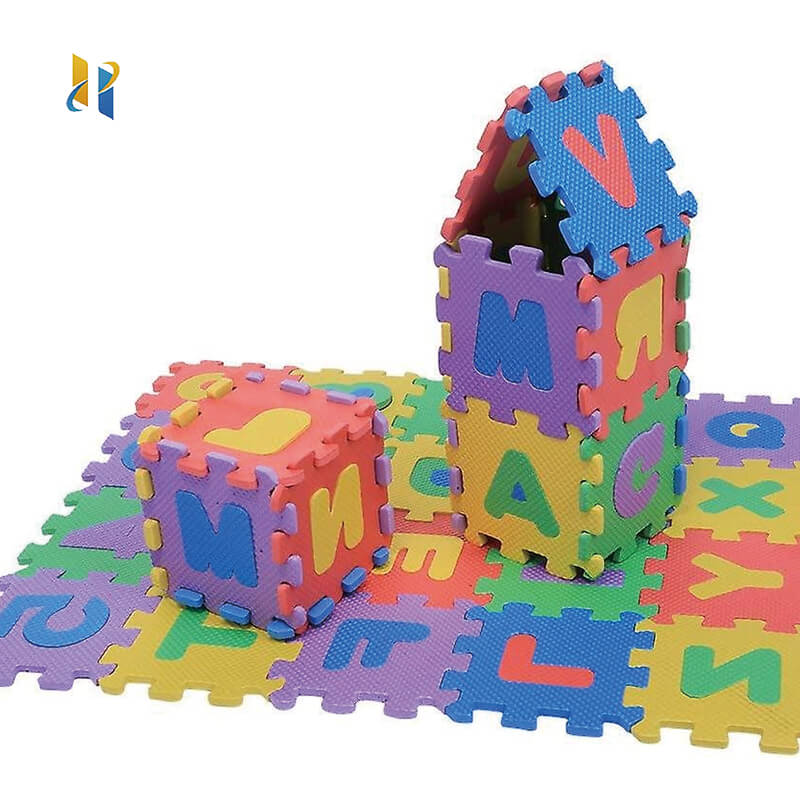
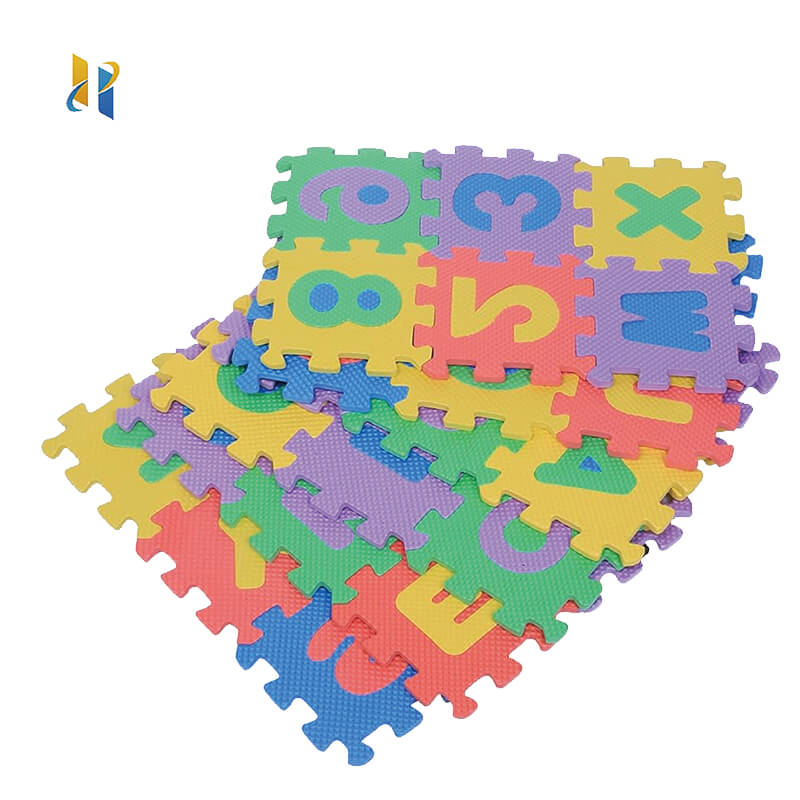
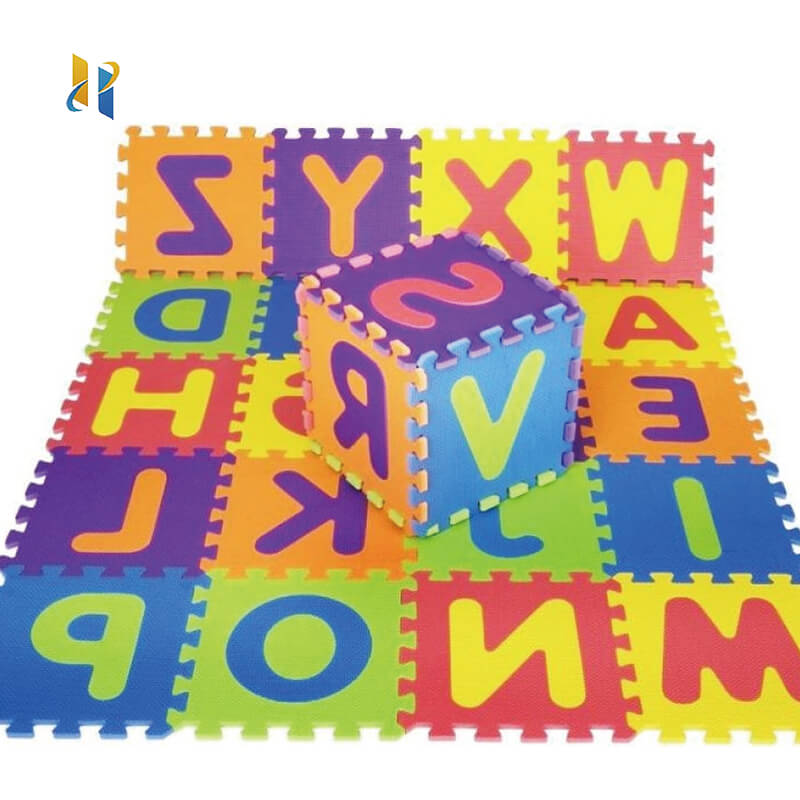
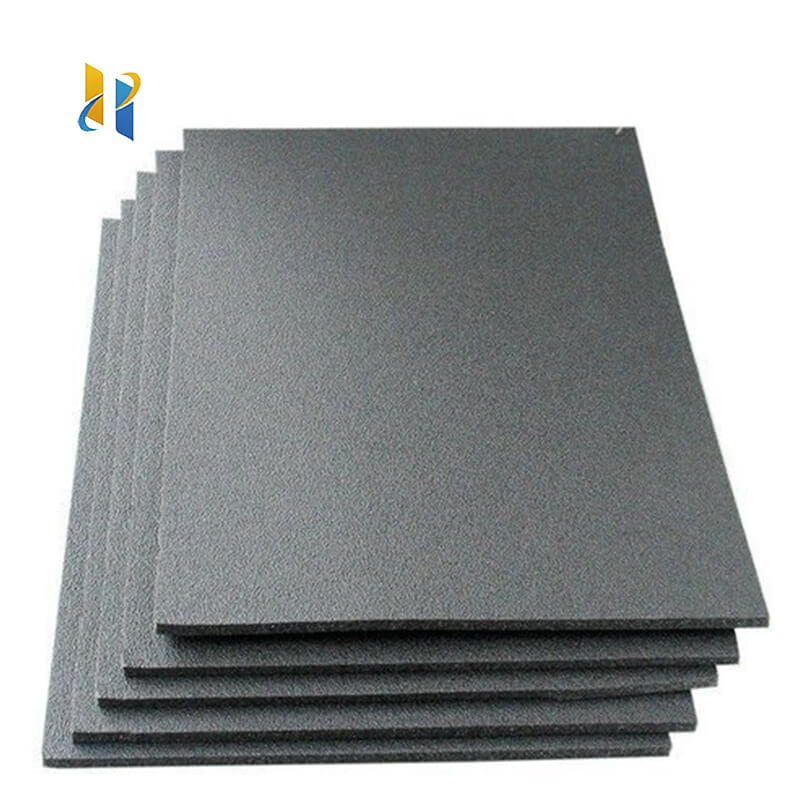
EVA foam, also known as ethylene-vinyl acetate foam, is a lightweight and flexible material that is widely used in a variety of applications. It is renowned for its excellent shock absorption properties, making it ideal for use in sports equipment, shoe inserts, and protective packaging. EVA foam is also known for its durability and resistance to water and moisture, ensuring it maintains its shape and performance over time.
On the other hand, PU foam, or polyurethane foam, is a dense and rigid material that offers excellent insulation and support. It is commonly used in furniture, mattresses, and automotive seating due to its ability to provide a comfortable and supportive surface. PU foam is also known for its resilience and ability to retain its shape even under heavy use.
When comparing EVA and PU foam, it's important to consider the specific requirements of your project. If you're looking for a lightweight and flexible material that can provide shock absorption, EVA foam is a great choice. However, if you need a denser and more rigid foam for insulation or seating applications, PU foam may be a better option.
In terms of durability, both EVA and PU foam are highly resilient and can withstand regular use. However, EVA foam tends to be more water-resistant, making it a better choice for outdoor or wet environments. PU foam, on the other hand, may be more susceptible to moisture damage in certain conditions.
Cost is also a consideration when choosing between EVA and PU foam. Generally speaking, EVA foam tends to be more affordable than PU foam, making it a cost-effective option for budget-conscious projects. However, the price can vary depending on the specific type, quality, and quantity of foam you require.
In conclusion, EVA and PU foam are both excellent materials with their own unique advantages. The choice between them ultimately depends on the specific requirements of your project. Whether you need a lightweight and flexible foam for shock absorption or a denser and more rigid foam for insulation or seating, there's a suitable option available. By understanding the key differences between EVA and PU foam, you can make an informed decision that meets your needs and budget.
eva foam vs pe foam keyboard
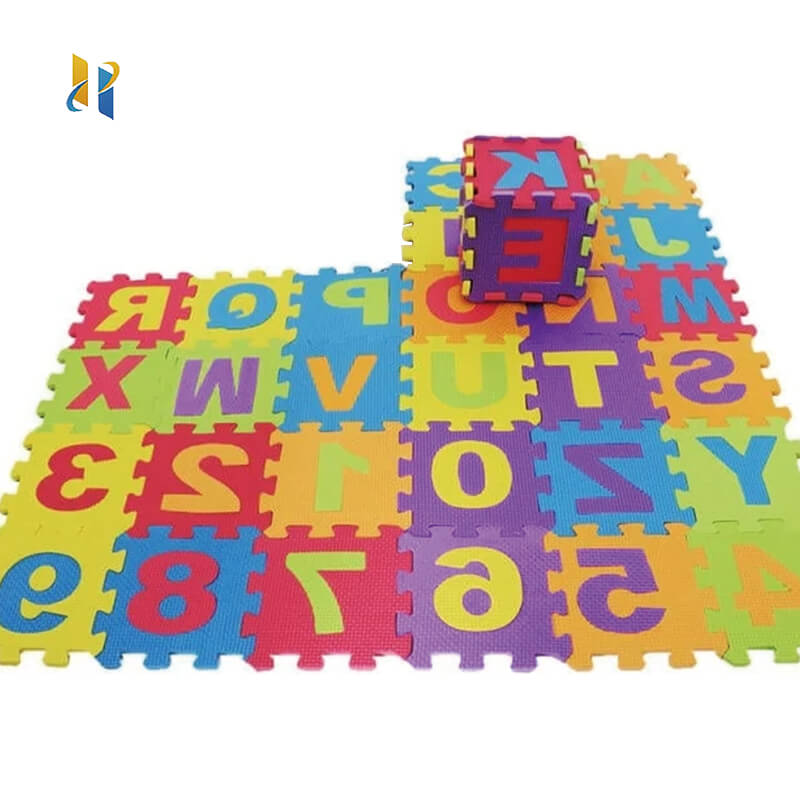
eva foam wall mats
Related Article

20 Years of Manufacturing Excellence Delivering Superior EVA Foam for Diverse Industries
Excellent Black & White EVA Materials Now in Production – Visit Our Factory for Unbeatable Quality & Value!