heat treating eva foam
2024-04-13
Exploring the World of Heat Treating EVA Foam: Enhancing Properties for Diverse Applications
In the realm of materials science, the heat treating of EVA foam has emerged as a transformative process that significantly enhances its properties for a wide range of applications. EVA, or ethylene-vinyl acetate, foam is already known for its excellent durability, flexibility, and shock absorption, but heat treating takes these characteristics to new heights.
Heat treating EVA foam involves exposing it to controlled temperatures to alter its internal structure and physical properties. This process can lead to improved density, hardness, and resilience, making the foam more suitable for specific uses. Whether it's for use in sports equipment, automotive components, or even as a material for construction and packaging, heat treating EVA foam offers numerous benefits.
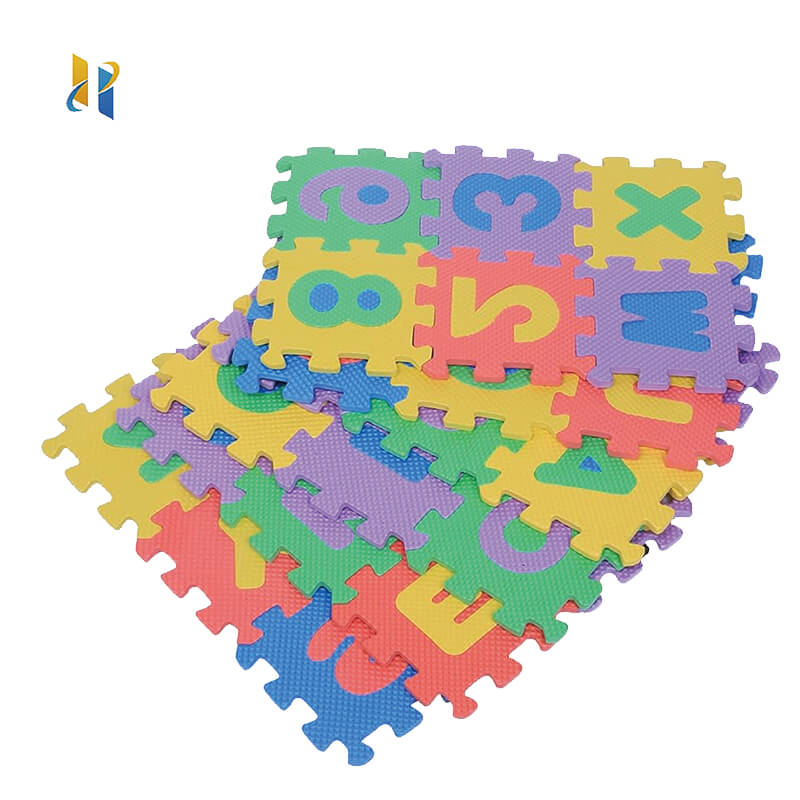
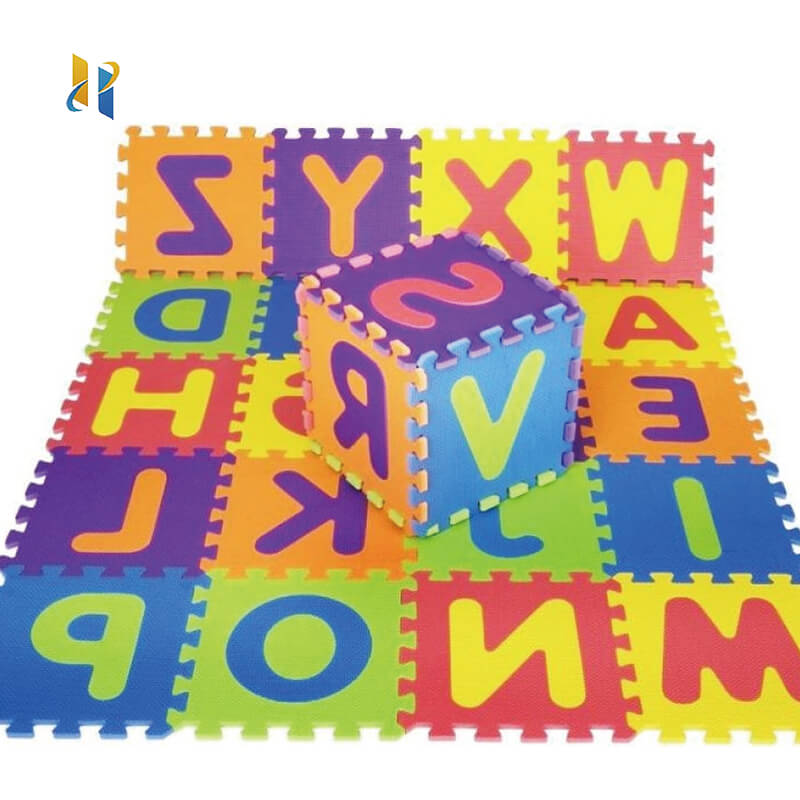
One of the primary advantages of heat treating EVA foam is the increase in its hardness and rigidity. By exposing the foam to higher temperatures, its cells become more compacted, resulting in a denser and firmer material. This makes it ideal for applications that require a stiffer or more supportive surface, such as gym mats or industrial flooring.
Another significant benefit is the enhancement of shock absorption capabilities. Heat treating EVA foam can improve its ability to distribute and dissipate impact forces, providing better protection against shocks and vibrations. This is particularly beneficial in sports equipment like helmets and knee pads, where reducing the risk of injury is paramount.
Moreover, heat treating EVA foam can also enhance its resistance to wear and tear. The process can strengthen the foam's internal structure, making it more durable and long-lasting. This is crucial in applications that are exposed to frequent use or harsh environments, such as automotive interiors or outdoor furniture.
In addition to these functional benefits, heat treating EVA foam can also allow for more customization in terms of appearance and texture. By adjusting the heat treatment process, manufacturers can achieve different levels of porosity, color, and surface finish, catering to the specific needs of their customers.
It's worth noting that heat treating EVA foam requires precision and expertise. The temperature and duration of the process must be carefully controlled to achieve the desired results. Manufacturers who specialize in this field often employ advanced equipment and techniques to ensure consistent quality and performance.
In conclusion, heat treating EVA foam is a powerful process that transforms the properties of this versatile material, making it more suitable for diverse applications. Whether you're looking for enhanced hardness, improved shock absorption, or increased durability, heat treating EVA foam can be a valuable tool in your toolbox. As the demand for high-performance materials continues to grow, the role of heat treating in enhancing the properties of EVA foam will become increasingly significant.
heat gun eva foam
heavy duty eva foam
Related Article

20 Years of Manufacturing Excellence Delivering Superior EVA Foam for Diverse Industries
Excellent Black & White EVA Materials Now in Production – Visit Our Factory for Unbeatable Quality & Value!