how is eva foam made
2024-05-27
Understanding the Process of How Eva Foam is Made: A Comprehensive Guide
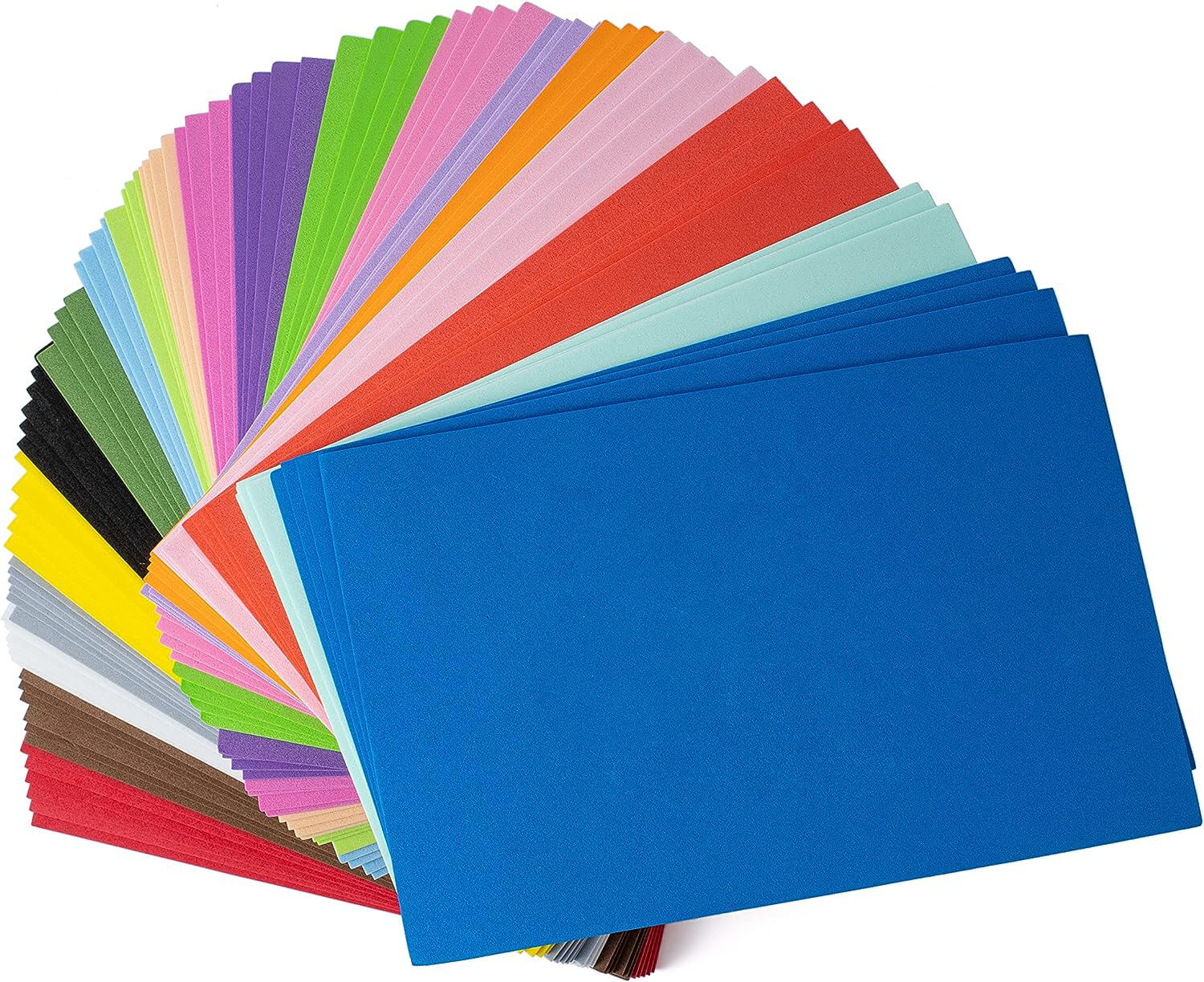
EVA foam, known for its versatility and durability, is a popular material used in various industries, including sports, footwear, and packaging. But have you ever wondered how this remarkable material is made? In this article, we will delve into the intricate process of EVA foam production, providing you with a detailed understanding of its manufacturing journey.
EVA foam, or Ethylene-Vinyl Acetate foam, is created through a process that involves the polymerization of ethylene and vinyl acetate. Here’s a step-by-step breakdown of how EVA foam is made:
1. **Polymerization**: The process begins with the polymerization of ethylene and vinyl acetate monomers. These monomers are mixed in specific ratios to achieve the desired properties of the EVA foam. The mixture is then subjected to high temperatures and pressures in a reactor, where polymerization occurs.
2. **Extrusion**: Once the polymer is formed, it is extruded through a die to create sheets or blocks of EVA. The extrusion process involves melting the polymer and forcing it through a shaped opening to achieve the desired thickness and density.
3. **Cross-Linking**: To enhance the physical properties of the EVA foam, it undergoes a cross-linking process. This can be achieved through various methods such as chemical, radiation, or electron beam cross-linking. Cross-linking improves the foam’s resistance to heat, chemicals, and compression.
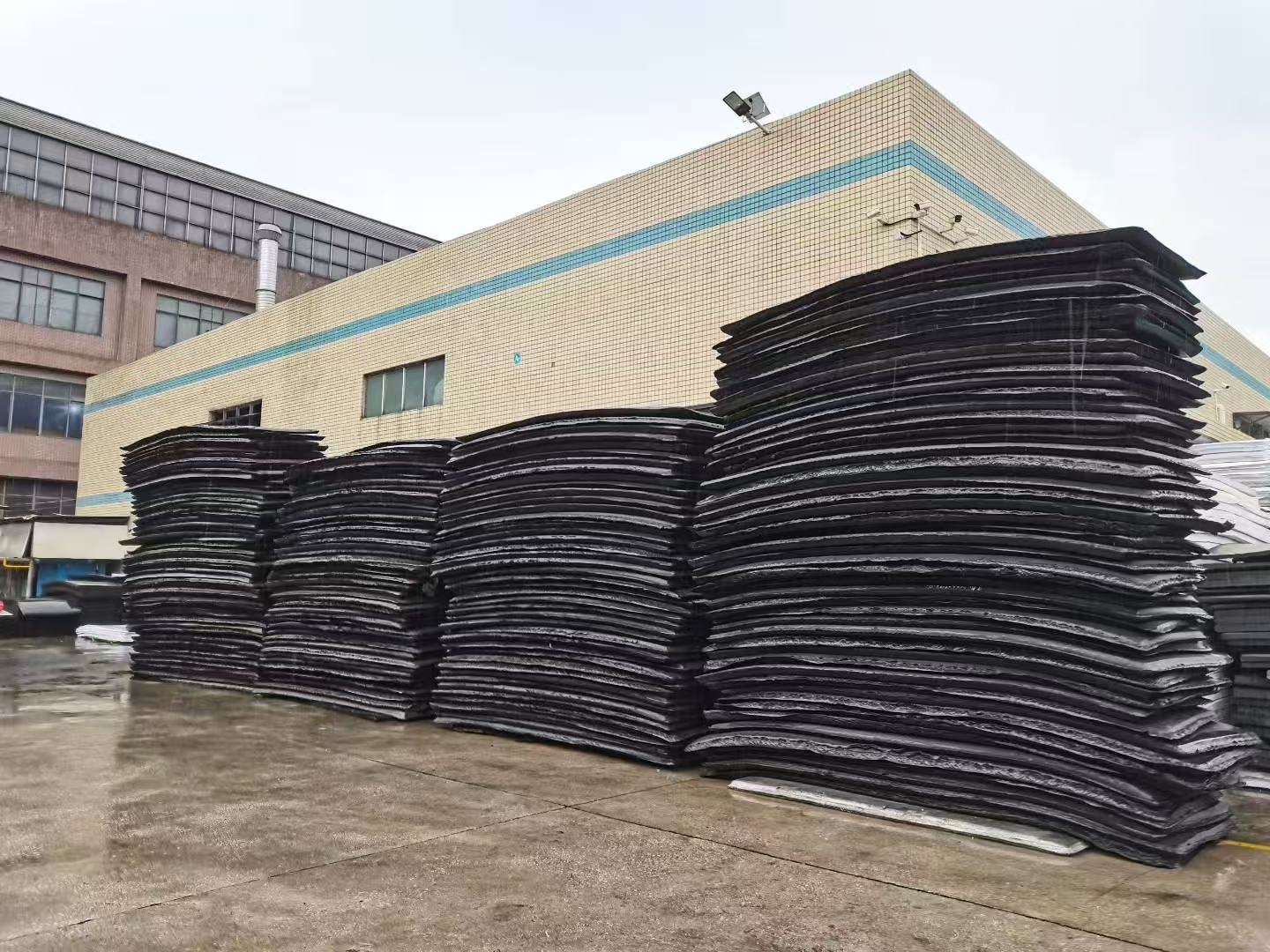
4. **Expansion and Curing**: The EVA sheets or blocks are then expanded using a blowing agent, which causes the material to foam up. This is followed by a curing process where the foam is heated to set its structure and properties.
5. **Finishing**: The final step involves cutting and shaping the EVA foam into the required sizes and shapes. This can be done using various cutting techniques such as die-cutting, CNC cutting, or laser cutting.
Understanding how EVA foam is made not only sheds light on the complexity of its production but also highlights its unique properties that make it an ideal choice for a wide range of applications. Whether you are a manufacturer, a designer, or simply a curious consumer, knowing the process behind EVA foam production can enhance your appreciation for this versatile material.
hot glue eva foam
how much is eva foam
Related Article

20 Years of Manufacturing Excellence Delivering Superior EVA Foam for Diverse Industries
Excellent Black & White EVA Materials Now in Production – Visit Our Factory for Unbeatable Quality & Value!