how to use eva foam for cosplay
2024-05-25
How to Use EVA Foam for Cosplay: A Comprehensive Guide
EVA (Ethylene-Vinyl Acetate) foam has become a go-to material for cosplayers around the globe, thanks to its lightweight nature, durability, and ease of manipulation. Whether you're a seasoned cosplayer or just starting out, understanding how to use EVA foam effectively can elevate your costume creations to new heights. This guide will walk you through the essential steps and techniques for incorporating EVA foam into your cosplay projects.
1. **Choosing the Right EVA Foam**:
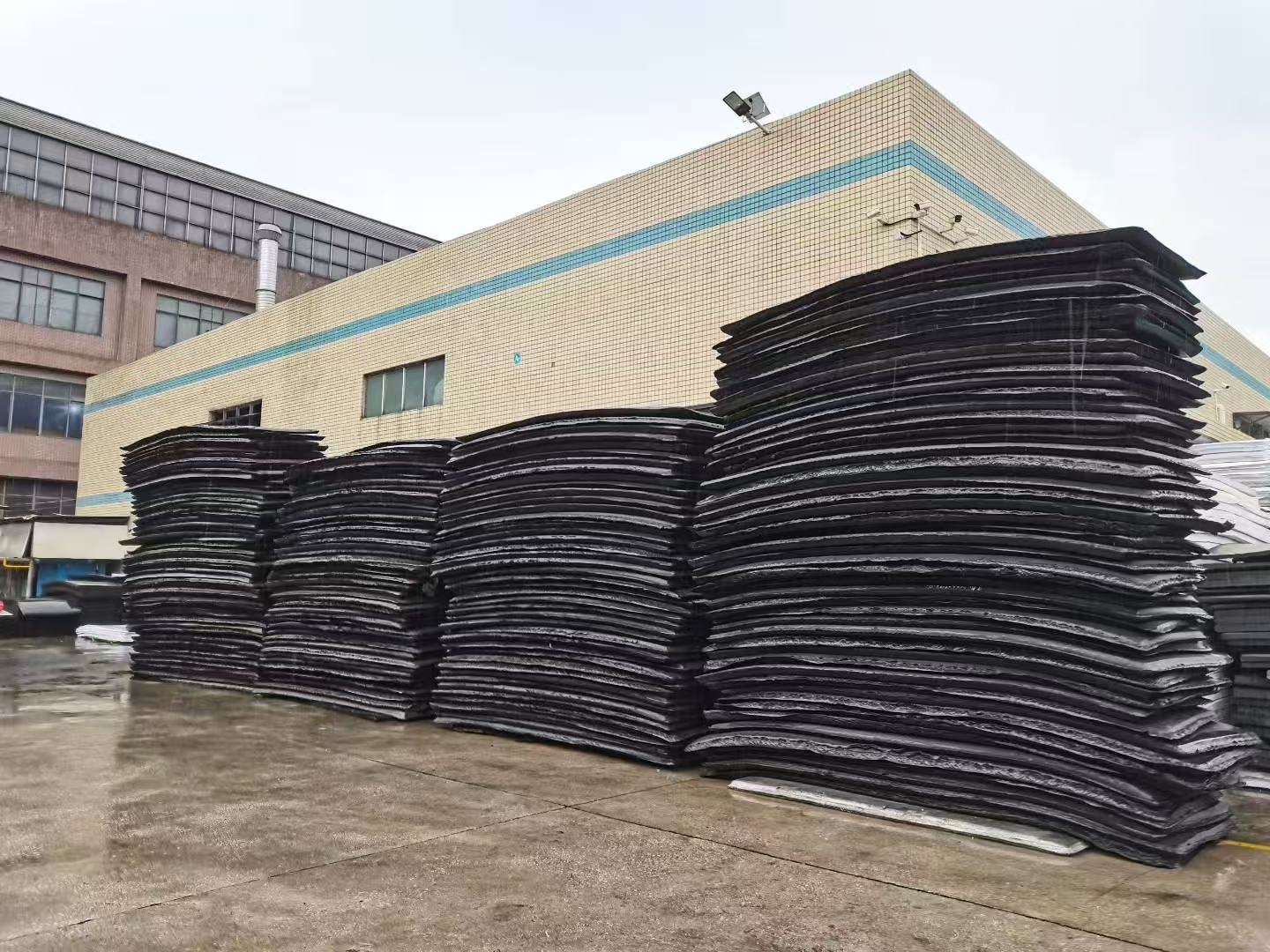
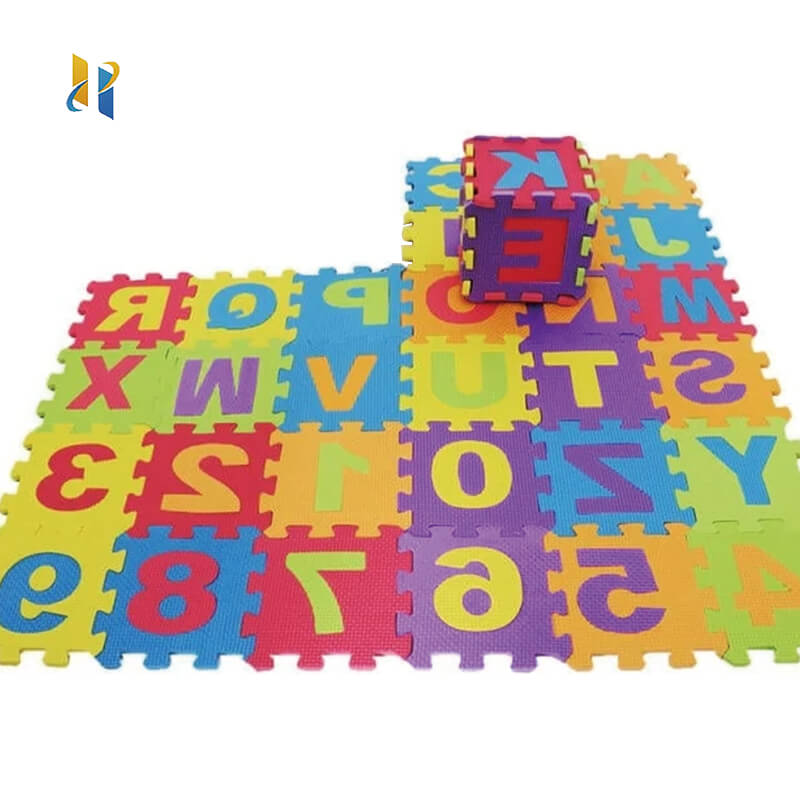
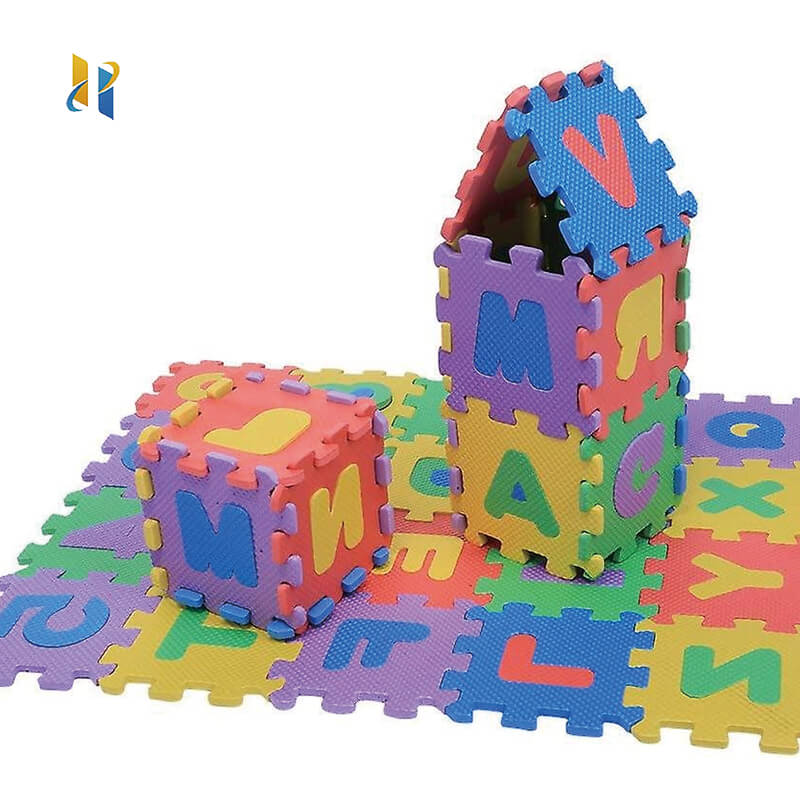
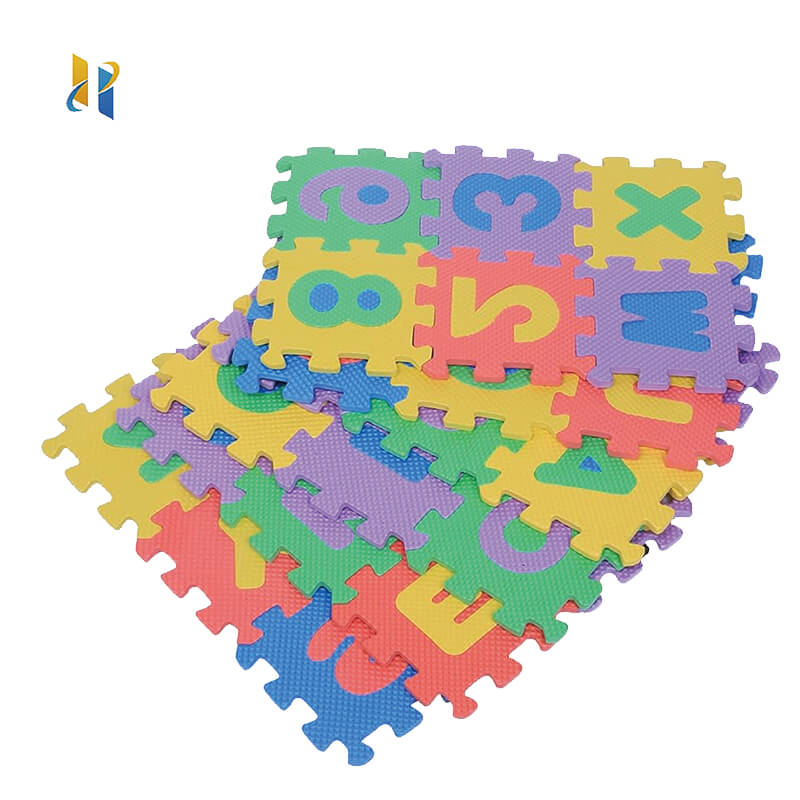
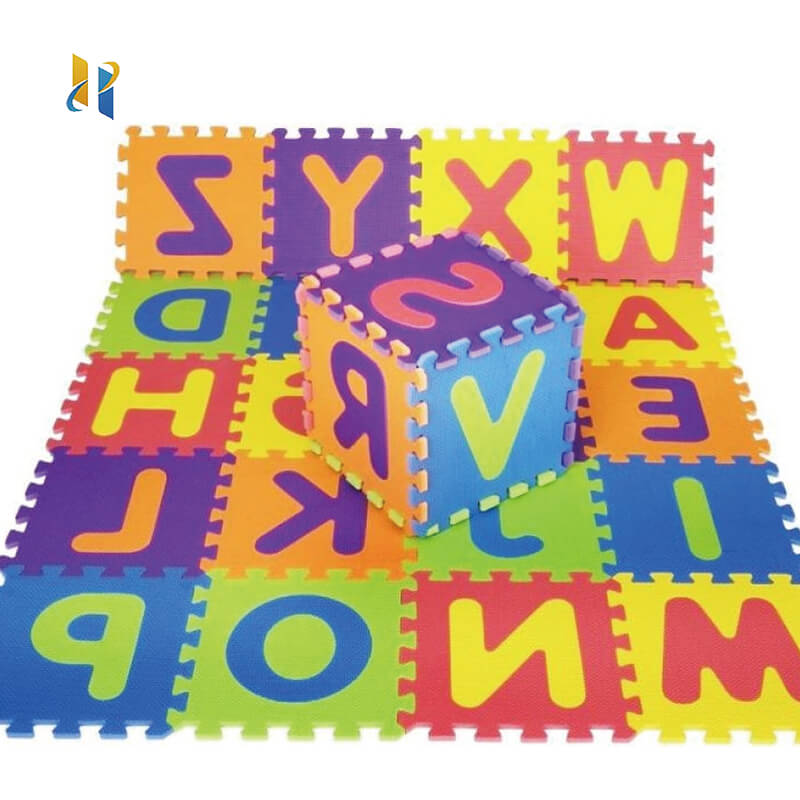
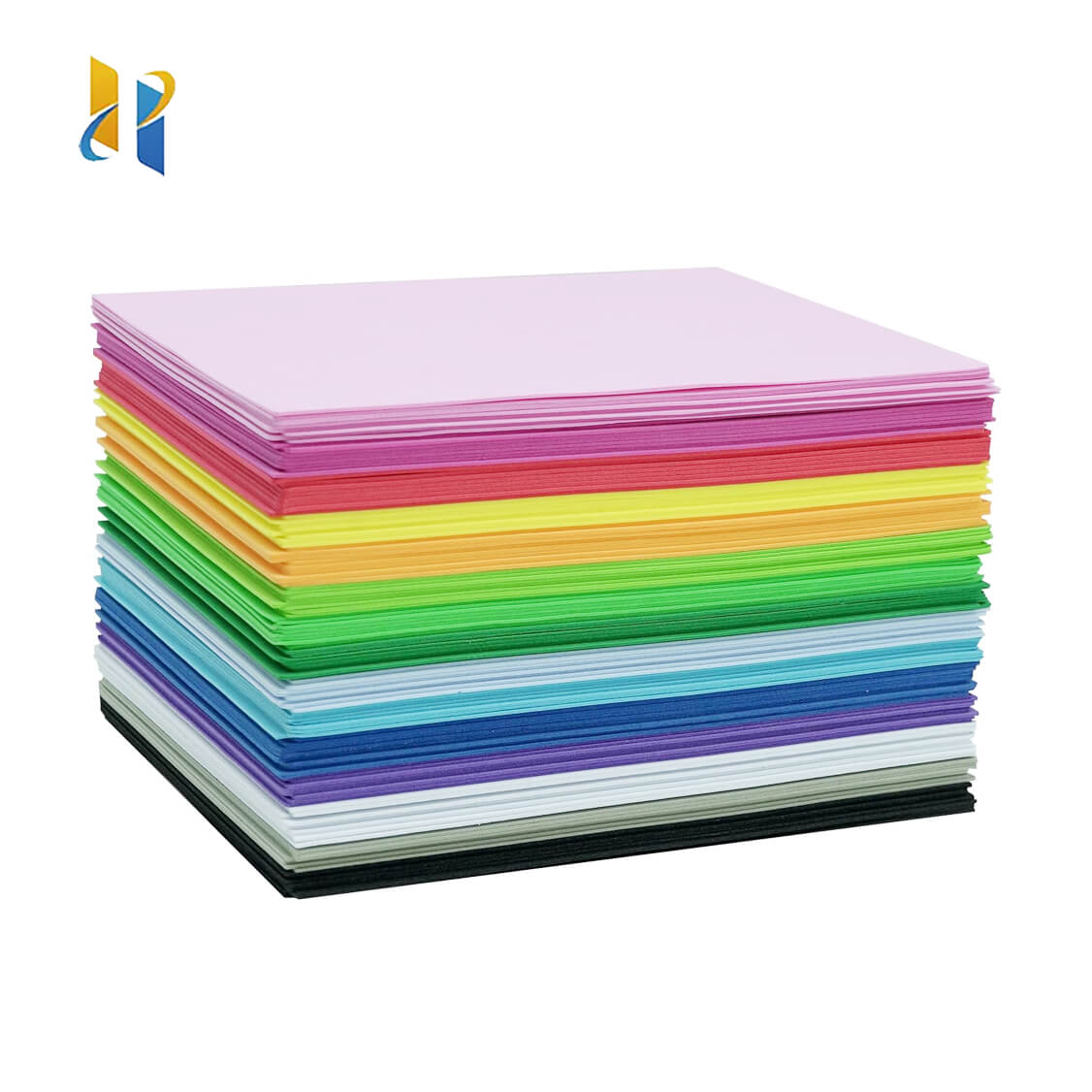
Start by selecting the appropriate type of EVA foam for your cosplay. Common options include thin craft foam, puzzle mats, and high-density foam sheets. Each type offers different levels of thickness and durability, so choose based on the complexity and requirements of your costume.
2. **Designing Your Costume**:
Before cutting into your foam, sketch out your design or use a reference image. This will help you visualize the pieces you need to create and plan the construction process. Consider the functionality and movement required for each part of the costume.
Before cutting into your foam, sketch out your design or use a reference image. This will help you visualize the pieces you need to create and plan the construction process. Consider the functionality and movement required for each part of the costume.
3. **Cutting and Tracing**:
Use a sharp hobby knife to cut the foam cleanly. For complex shapes, trace templates onto the foam using a marker or carbon paper. This ensures accuracy and minimizes waste. Always cut on a safe, stable surface to prevent accidents.
Use a sharp hobby knife to cut the foam cleanly. For complex shapes, trace templates onto the foam using a marker or carbon paper. This ensures accuracy and minimizes waste. Always cut on a safe, stable surface to prevent accidents.
4. **Shaping and Molding**:
EVA foam can be heated and molded to create curves and three-dimensional shapes. Use a heat gun or an iron to soften the foam, then shape it using your hands or molds. Be cautious not to overheat, as this can damage the foam.
EVA foam can be heated and molded to create curves and three-dimensional shapes. Use a heat gun or an iron to soften the foam, then shape it using your hands or molds. Be cautious not to overheat, as this can damage the foam.
5. **Joining and Reinforcing**:
To assemble your costume pieces, use contact cement or hot glue to bond the foam together. For added strength, reinforce the joints with additional layers of foam or by using fiberglass mesh and resin.
To assemble your costume pieces, use contact cement or hot glue to bond the foam together. For added strength, reinforce the joints with additional layers of foam or by using fiberglass mesh and resin.
6. **Smoothing and Finishing**:
Sand the foam surfaces to remove any imperfections and create a smooth finish. Apply a filler primer to fill in the pores of the foam, which will help the paint adhere better and provide a more even surface.
Sand the foam surfaces to remove any imperfections and create a smooth finish. Apply a filler primer to fill in the pores of the foam, which will help the paint adhere better and provide a more even surface.
7. **Painting and Detailing**:
Once the primer is dry, paint your foam pieces using acrylic paints or spray paint. For a professional look, consider using a sealant to protect the paint job. Add details such as weathering, decals, or other textures to enhance the realism of your costume.
Once the primer is dry, paint your foam pieces using acrylic paints or spray paint. For a professional look, consider using a sealant to protect the paint job. Add details such as weathering, decals, or other textures to enhance the realism of your costume.
Using EVA foam for cosplay opens up a world of creative possibilities. By following these steps and experimenting with different techniques, you can craft costumes that are not only faithful to the source material but also comfortable and durable enough for long hours of wear. Remember to practice safety when working with cutting and heating tools, and most importantly, have fun bringing your cosplay visions to life.
how to seal eva foam
shape eva foam
Related Article

20 Years of Manufacturing Excellence Delivering Superior EVA Foam for Diverse Industries
Excellent Black & White EVA Materials Now in Production – Visit Our Factory for Unbeatable Quality & Value!