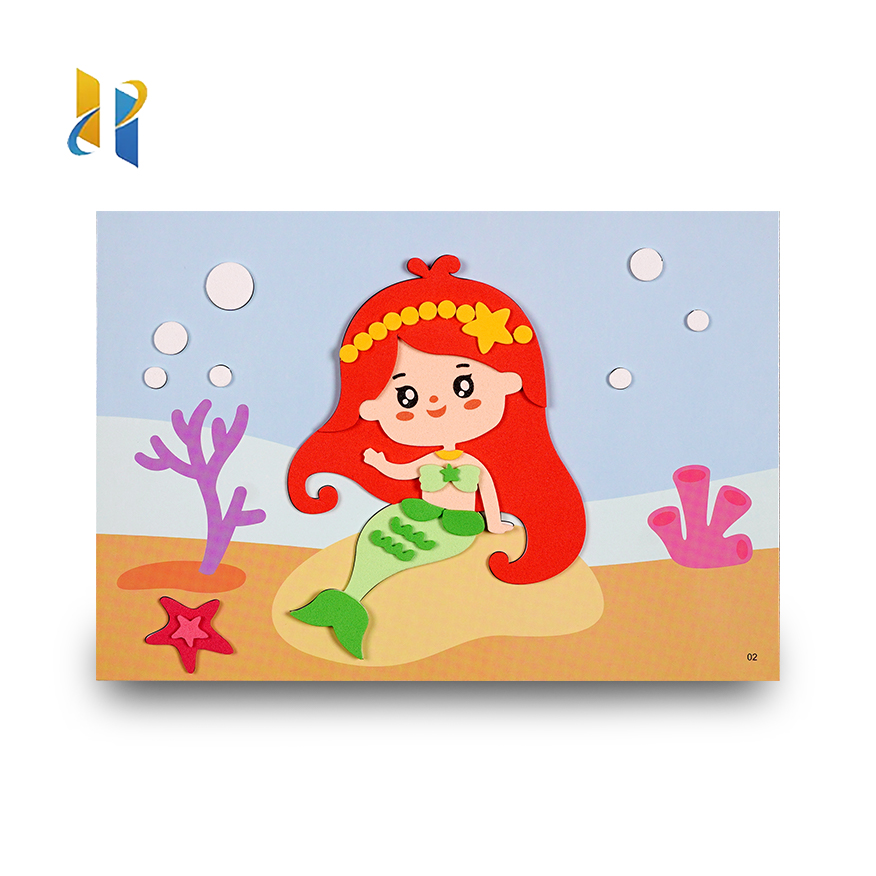
can eva foam get wet
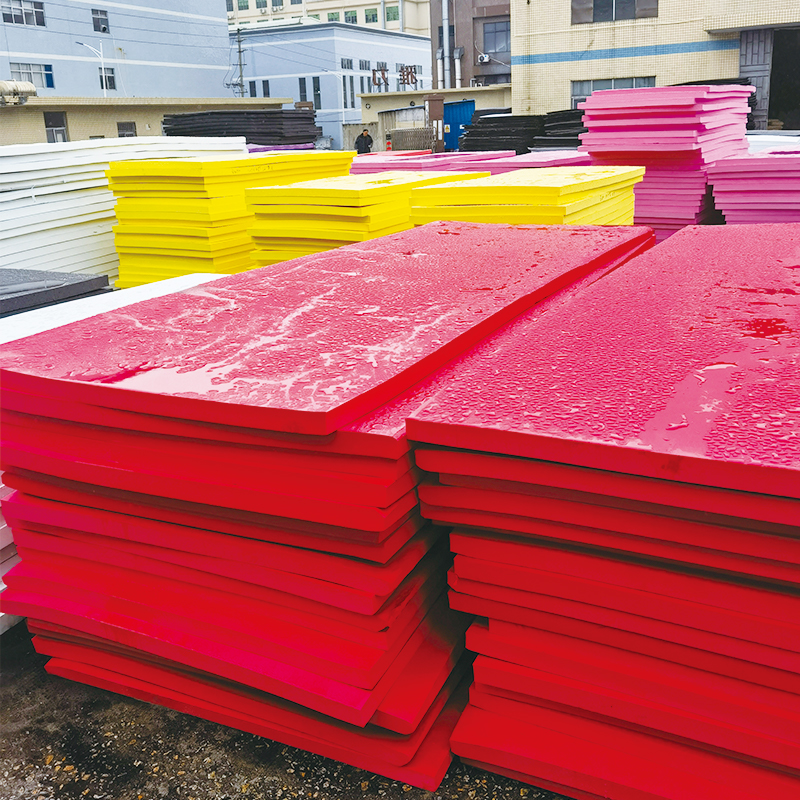
Can EVA Foam Get Wet? The Ultimate Guide to Understanding Its Water Resistance
Introduction:
In the world of materials used for various applications ranging from sports equipment to home furnishings, EVA foam stands out as a versatile and popular choice. Known for its lightweight, durability, and shock-absorbing properties, EVA (Ethylene Vinyl Acetate) foam has become an essential component in many industries. However, when it comes to water exposure, questions arise about its resilience and whether it can withstand getting wet. This comprehensive guide delves into the water resistance of EVA foam, helping you make informed decisions for your next project or purchase.
Understanding the Nature of EVA Foam
EVA foam is a type of synthetic polymer foam created by blending ethylene and vinyl acetate. This unique blend gives EVA foam its exceptional properties, including its ability to maintain its shape and structure under various conditions. While not inherently waterproof, EVA foam is designed to be water-resistant to varying degrees, depending on its density, additives, and intended use.
Water Resistance vs. Waterproofness
It's essential to differentiate between water resistance and waterproofness when discussing EVA foam. Water-resistant materials can withstand some exposure to water without immediate damage, but they are not impervious to it. On the other hand, waterproof materials are designed to prevent water penetration altogether. EVA foam, in most cases, falls under the water-resistant category, meaning it can tolerate limited exposure to moisture but may not hold up indefinitely under continuous soaking.
Factors Affecting EVA Foam's Water Resistance
-
Density: Higher-density EVA foam tends to be more water-resistant than lower-density varieties. This is because denser foam has a tighter cellular structure that makes it harder for water to penetrate.
-
Additives: Manufacturers often incorporate special additives into EVA foam to enhance its water resistance. These additives can help repel water or slow down the absorption process.
-
Surface Treatment: Some EVA foam products undergo a surface treatment, such as coating or lamination, to further improve their water resistance.
-
End-Use Application: The intended use of the EVA foam also plays a role. For example, EVA foam used in water sports equipment is often designed with enhanced water resistance to withstand splashes and brief submersions.
Handling EVA Foam in Wet Conditions
While EVA foam may be water-resistant, it's still best to avoid prolonged exposure to water whenever possible. If your EVA foam product does get wet, allow it to air dry thoroughly before storing or reusing it. Avoid using heat sources to speed up the drying process, as this could damage the foam's structure.
Conclusion
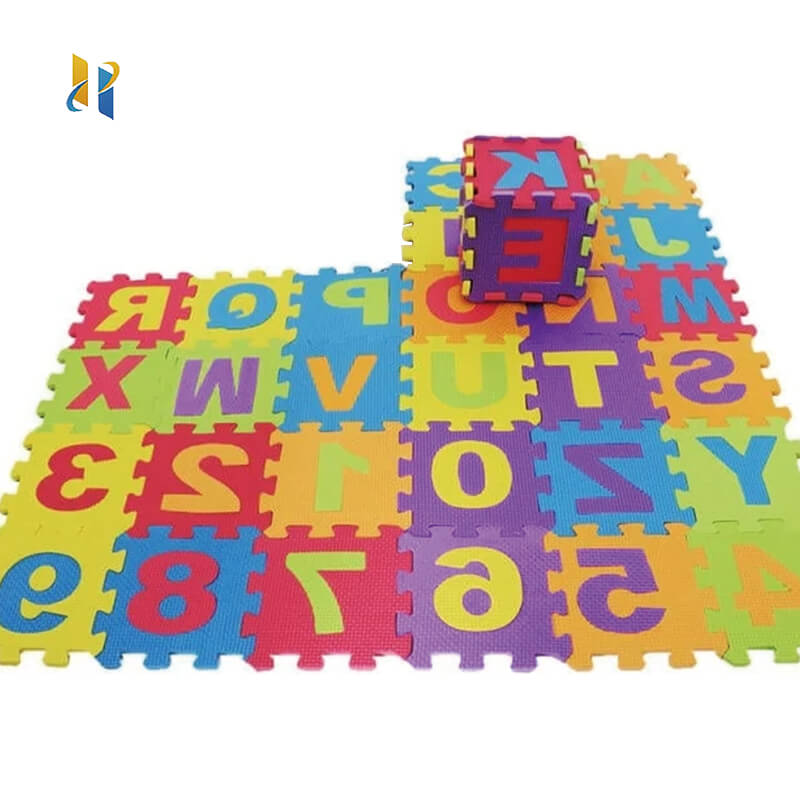
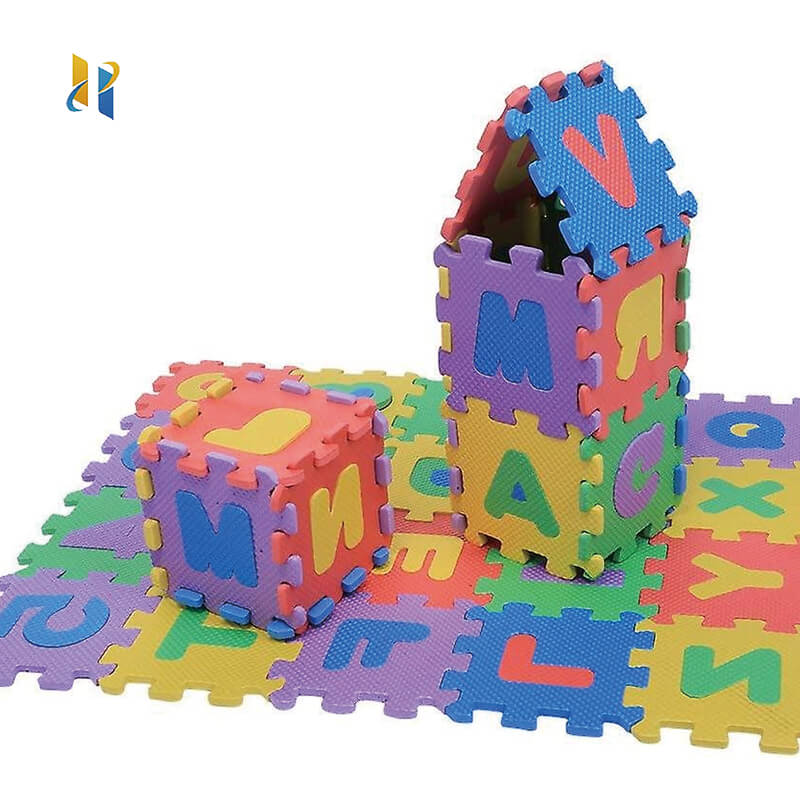
In summary, EVA foam is a versatile and durable material with varying levels of water resistance. While it may not be completely waterproof, its ability to withstand limited water exposure makes it a suitable choice for many applications. Understanding the factors that influence EVA foam's water resistance can help you select the right product for your needs and maintain it properly. Whether you're shopping for a yoga mat, a child's play mat, or a piece of protective gear, knowing the water resistance of your EVA foam product will ensure you make the most informed decision.
can you cut eva foam with a laser
can eva foam be laser cut
Related Article