can you cut eva foam with a laser
Unlocking the Potential: Can You Efficiently Cut EVA Foam with a Laser?
Introduction:
In the realm of crafting, design, and prototyping, EVA (Ethylene-Vinyl Acetate) foam has emerged as a versatile and popular material due to its lightweight, durability, and ease of shaping. From cosplay costumes and prop making to architectural models and packaging inserts, EVA foam offers endless creative possibilities. As technology advances, the question arises: can you harness the precision and speed of laser cutting to shape EVA foam, taking your projects to the next level?
The Power of Laser Cutting: Precision Meets Versatility
Laser cutting technology has revolutionized the way we work with materials, providing unparalleled precision and versatility. By focusing an intense beam of light onto a surface, lasers can swiftly and accurately cut through a wide range of materials, including metals, plastics, and even some forms of foam. This technology is particularly attractive for those seeking to achieve intricate designs and flawless edges with minimal waste.
Can EVA Foam Meet the Laser Challenge?
The short answer is: yes, EVA foam can indeed be cut with a laser. However, the success of the process depends on several factors, including the type and density of the EVA foam, the laser's power and wavelength, and the specific settings used during the cutting process.
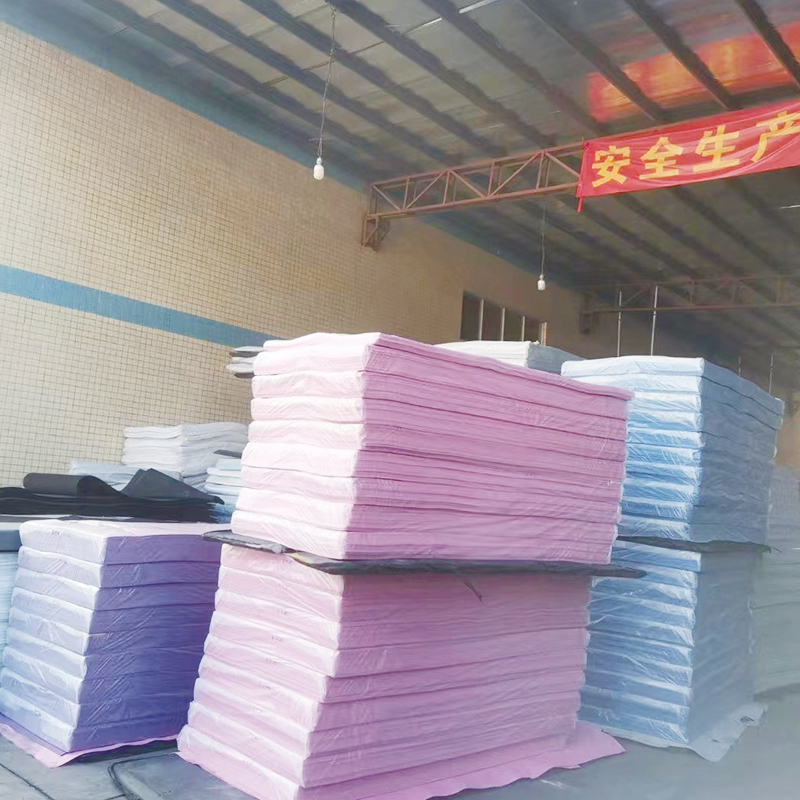
EVA foam comes in varying densities, ranging from soft and flexible to rigid and dense. For laser cutting, it's crucial to choose a foam with a suitable density that can withstand the heat generated by the laser without melting excessively or charring. Typically, medium to high-density EVA foams work best for laser cutting, as they offer a good balance between strength and manageability under the laser's influence.
Advantages of Laser Cutting EVA Foam
-
Precision Cutting: Lasers offer a level of precision that traditional cutting methods, such as knives or hot wires, can't match. This is especially important for intricate designs or when tight tolerances are required.
-
Reduced Waste: With laser cutting, you can precisely cut out your desired shapes, minimizing material waste and maximizing efficiency.
-
Faster Processing: Laser cutting is a rapid process, allowing you to quickly produce large quantities of custom-cut EVA foam pieces.
-
Clean Edges: The laser's precision ensures that edges are smooth and free from fraying or rough spots, enhancing the overall appearance and quality of your projects.
Considerations and Best Practices
-
Choose the Right Laser: Not all lasers are suitable for cutting EVA foam. CO2 lasers are commonly used for foam cutting, but it's important to ensure your laser's power and settings are optimized for the specific type of EVA foam you're working with.
-
Ventilation: Laser cutting generates fumes and particulates, so proper ventilation is essential to protect your health and maintain a safe work environment.
-
Test Before Production: Always test your settings on a small scrap piece of EVA foam before embarking on a larger project to ensure optimal results.
Conclusion:
In conclusion, laser cutting is an effective and efficient way to shape EVA foam, offering unparalleled precision, reduced waste, and faster processing times. By carefully selecting the right EVA foam, laser, and settings, you can unlock the full potential of this versatile material and elevate your creative projects to new heights. So, if you're looking to take your EVA foam creations to the next level, consider incorporating laser cutting into your workflow.
china eva foam
can eva foam get wet
Related Article