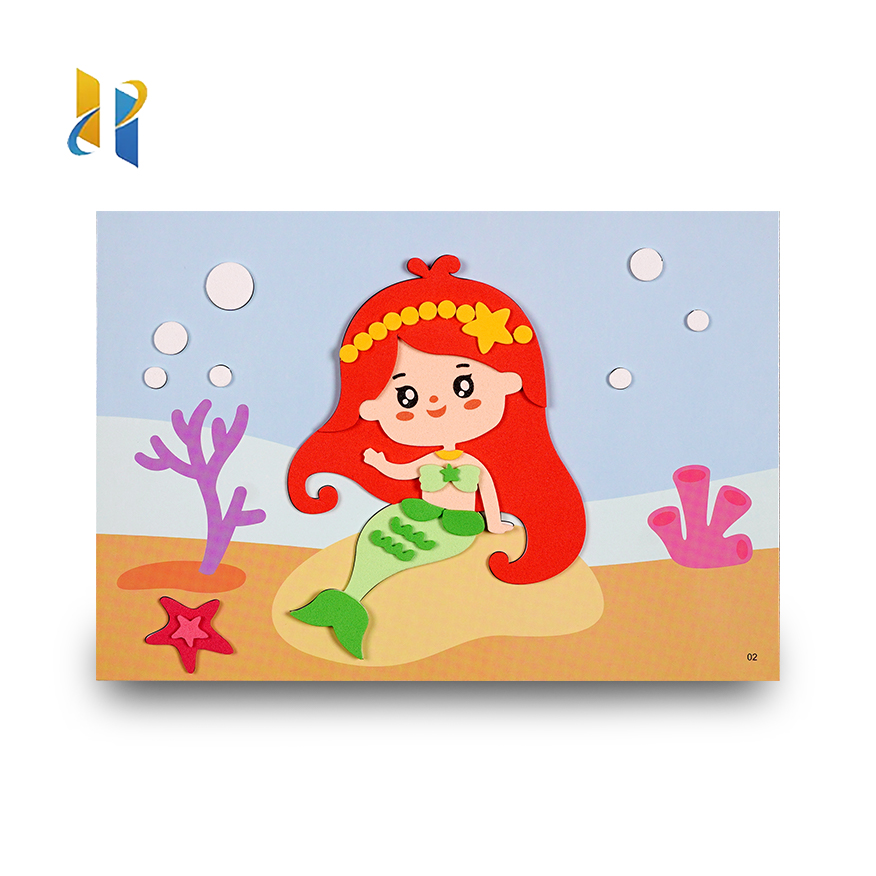
craft foam vs eva foam
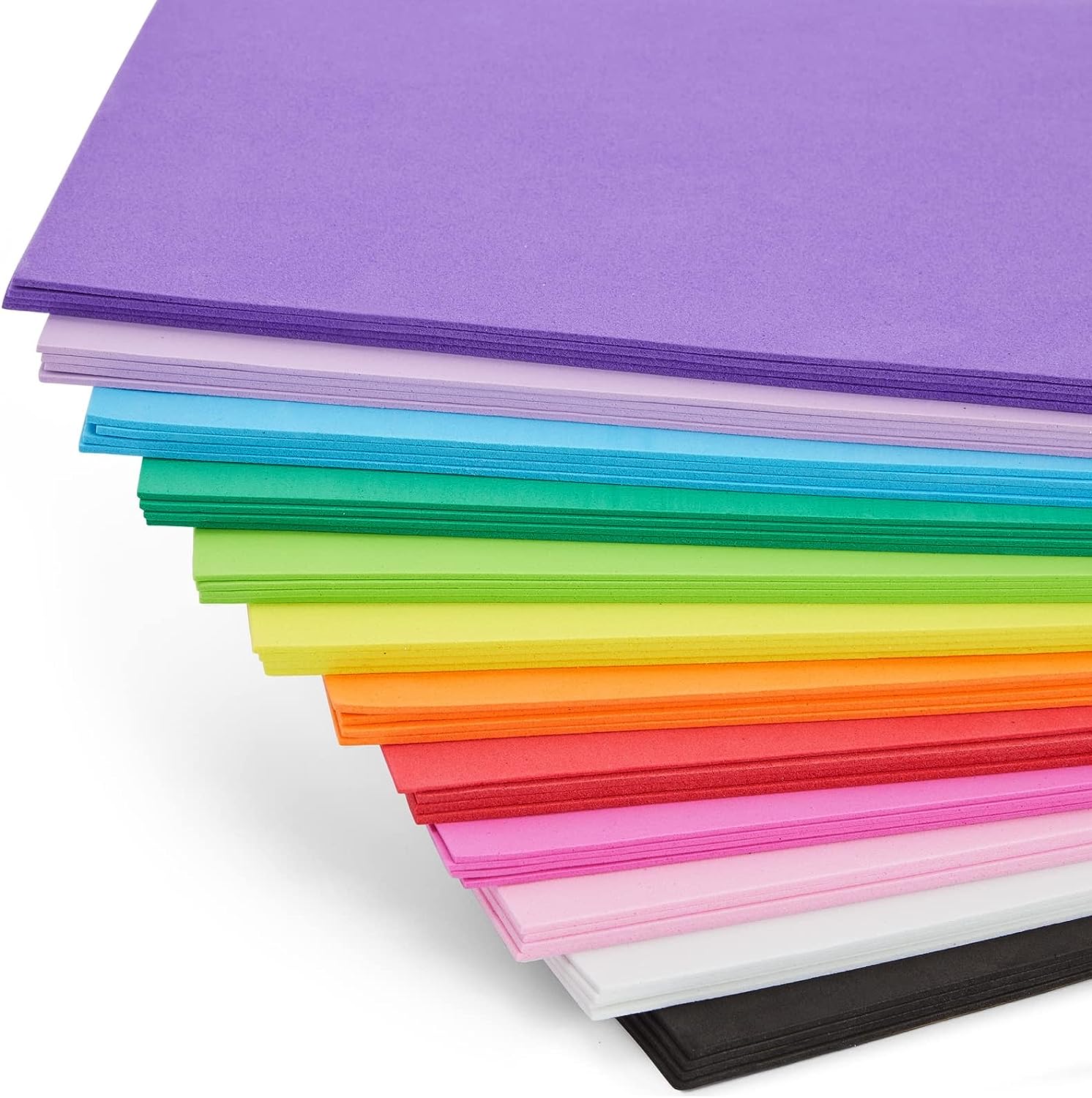
Craft Foam vs EVA Foam: A Comprehensive Guide to Choosing the Right Material for Your Creative Projects
Introduction:
In the vibrant world of crafting and DIY projects, selecting the perfect material is crucial to achieving stunning results. Two materials that frequently stand out for their versatility and ease of use are craft foam and EVA foam. Both offer a range of benefits tailored to different creative needs, but which one should you choose for your next project? In this comprehensive guide, we'll delve into the key differences between craft foam and EVA foam, helping you make an informed decision that aligns perfectly with your vision.
Craft Foam: The Lightweight Workhorse
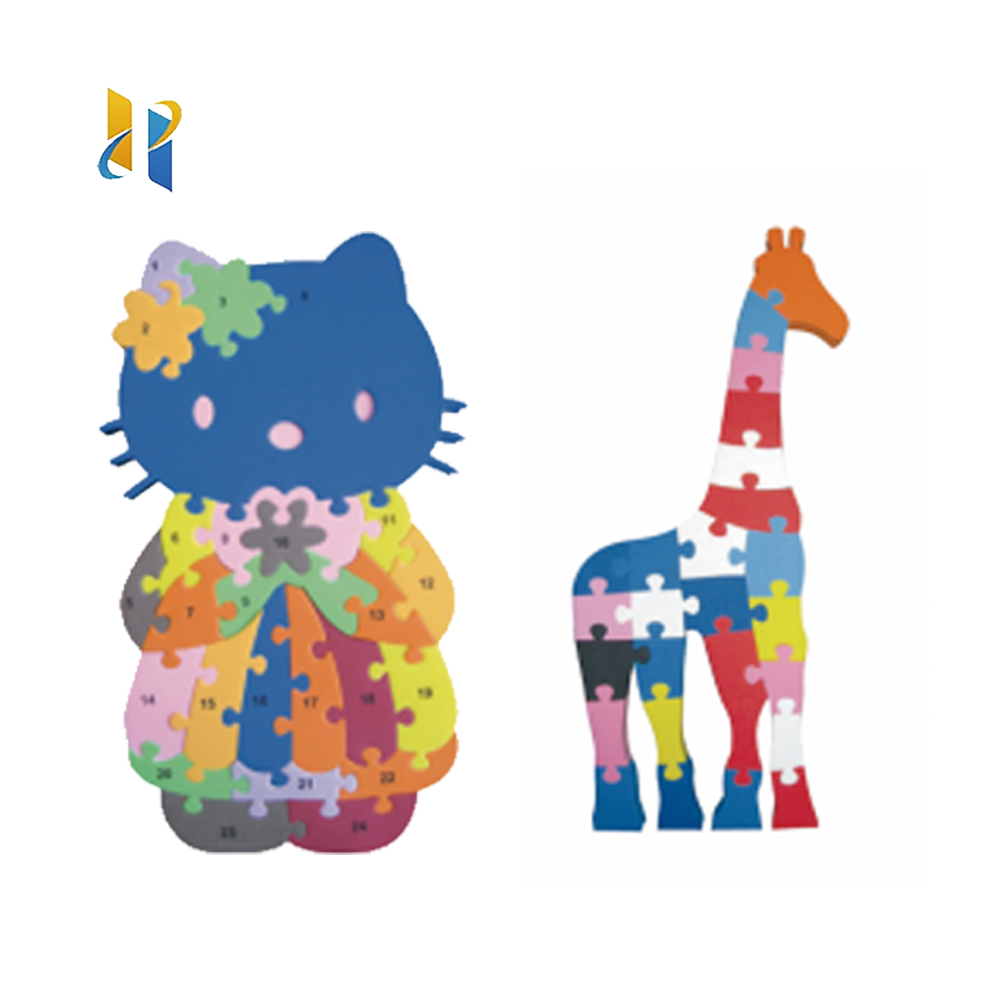
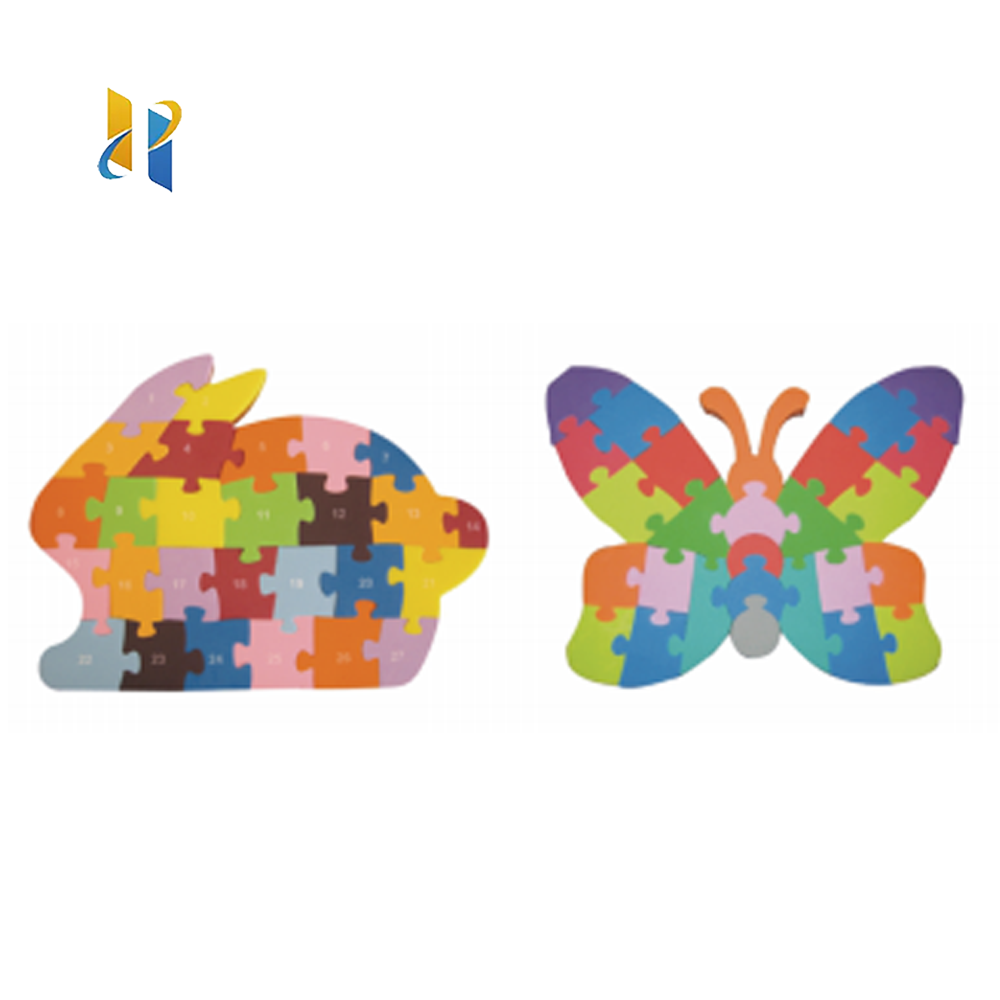
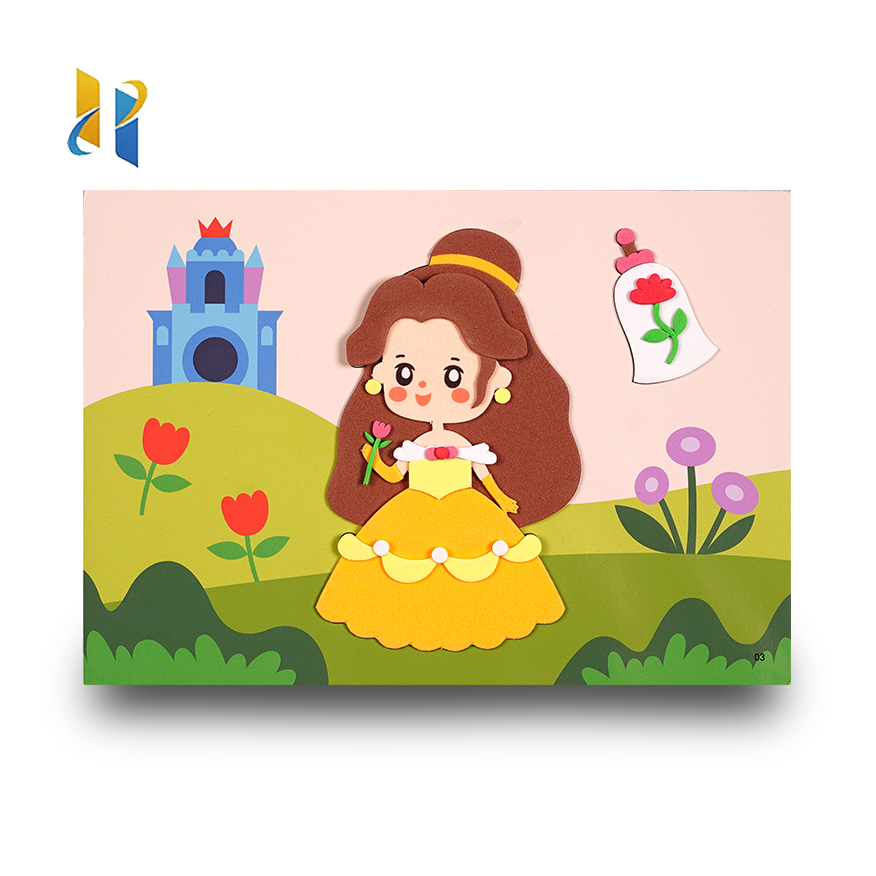
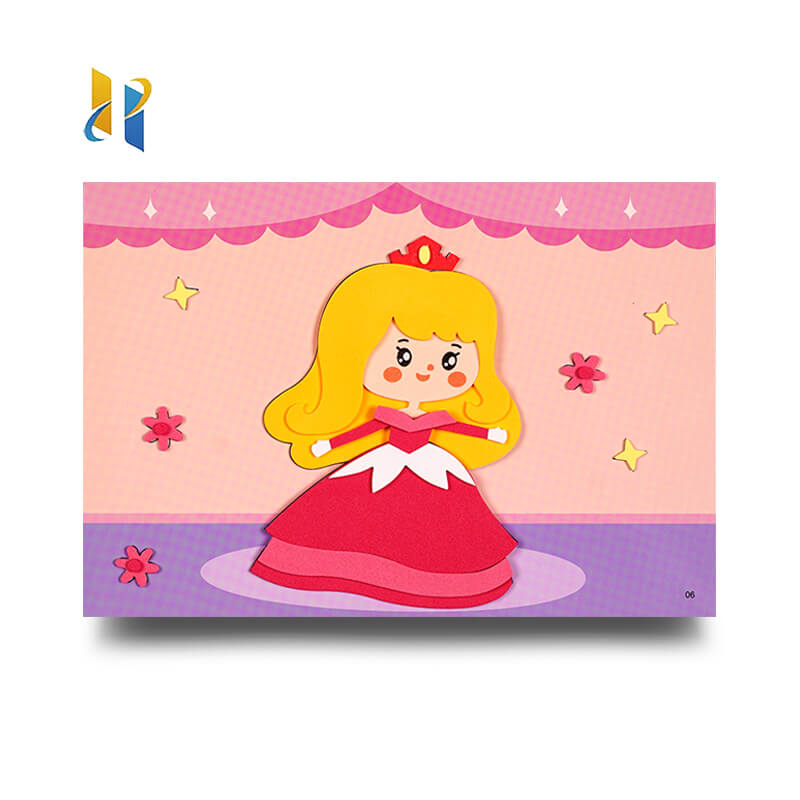
Craft foam, also known as craft board or foam board, is a popular choice among hobbyists and artists due to its lightweight nature and affordability. Made from layers of foam sandwiched between two sheets of paper or cardboard, craft foam is easy to cut, shape, and paint, making it ideal for a wide array of projects. From school presentations and wall decorations to cosplay accessories and model making, craft foam's versatility is unmatched. Its smooth surface lends itself well to both hand-painting and the application of adhesive vinyls or decals, adding a touch of professionalism to your creations.
EVA Foam: The Durable Alternative
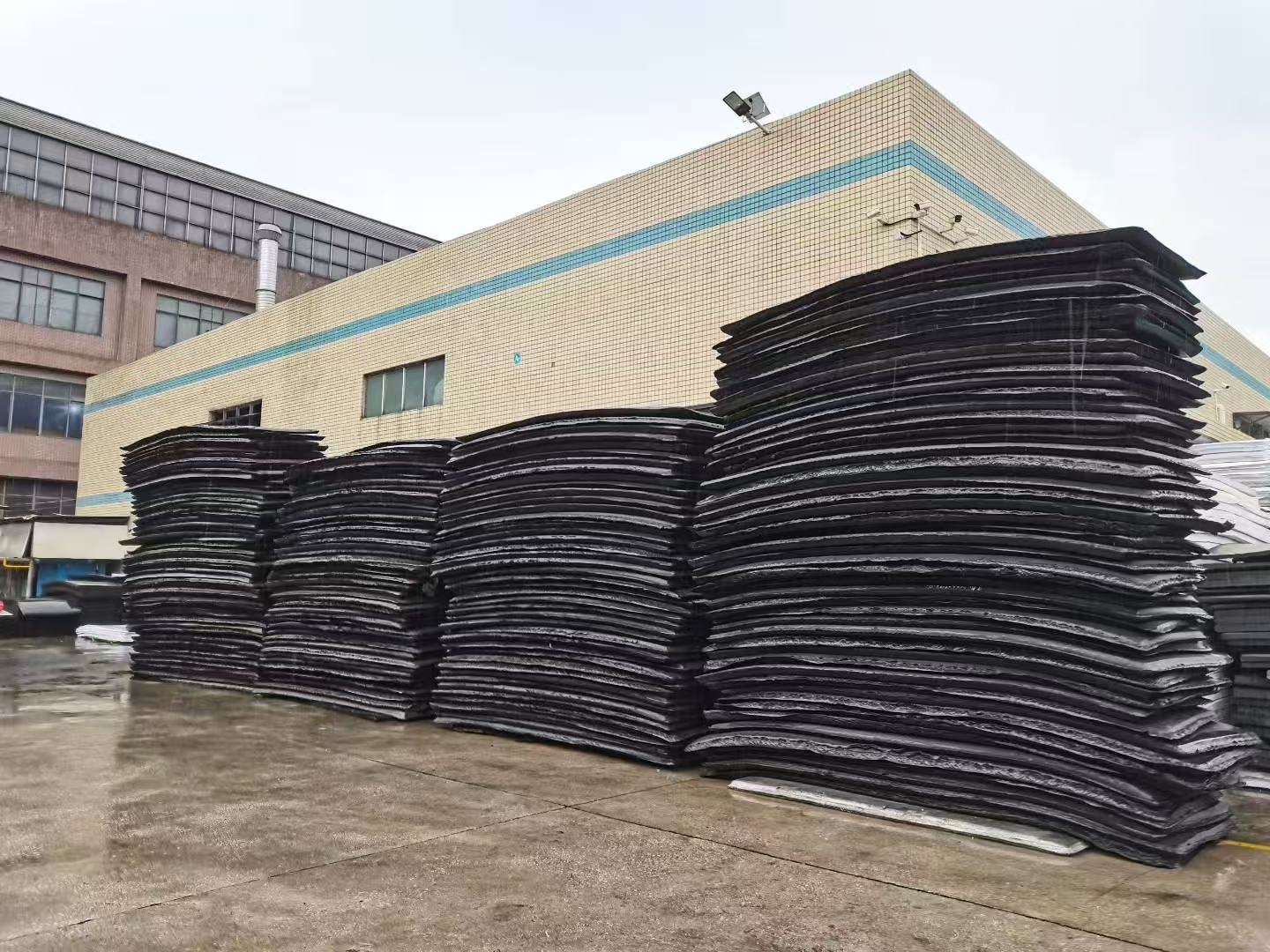
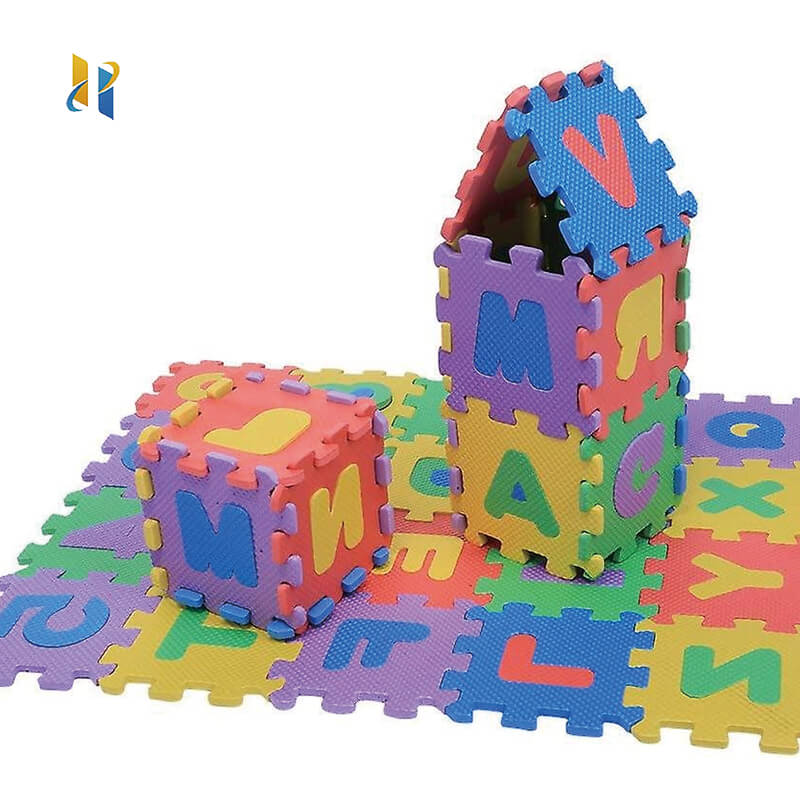
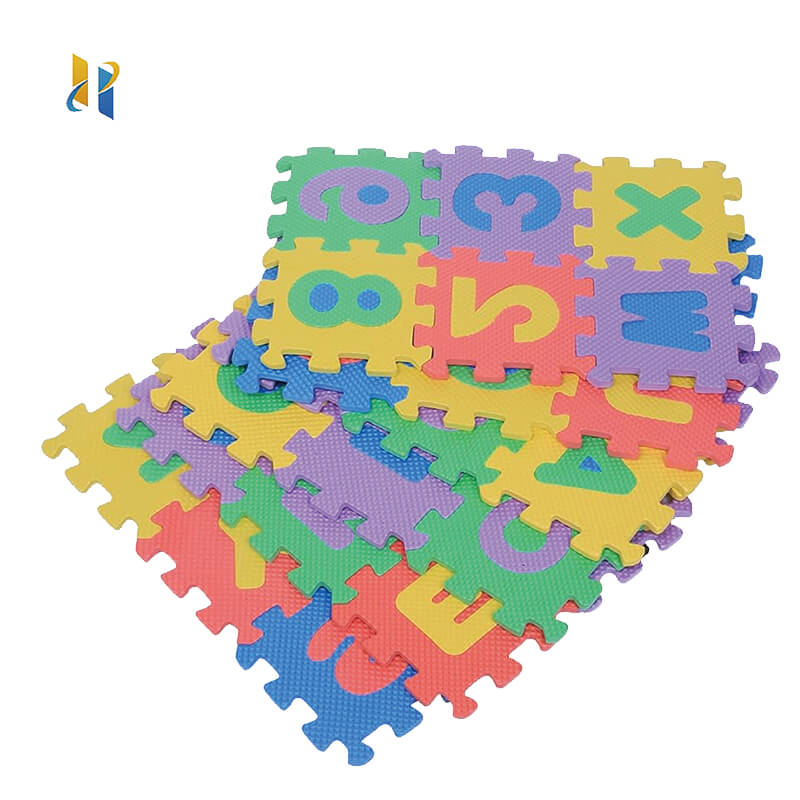
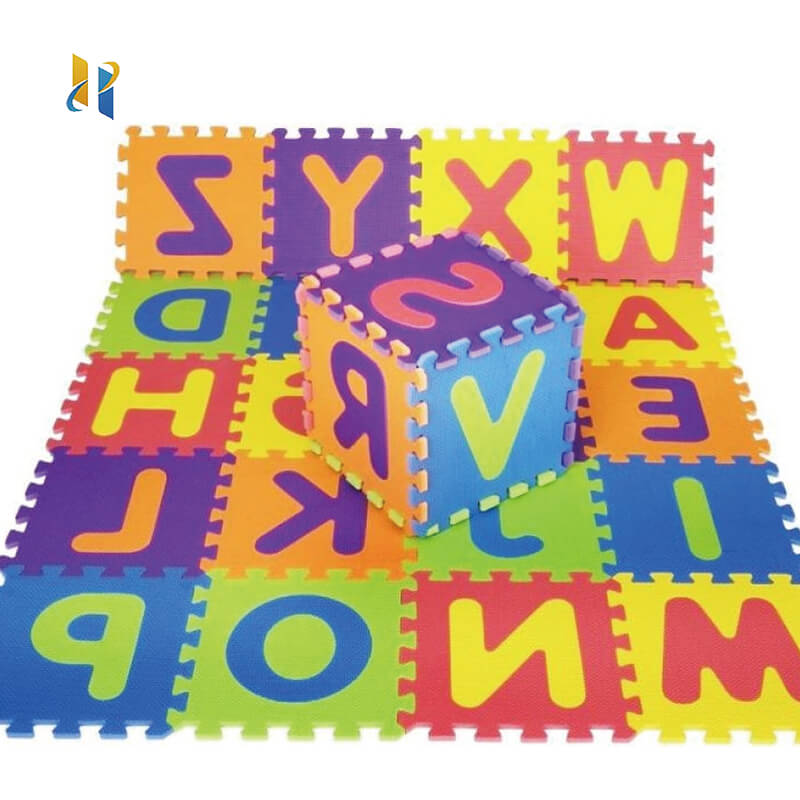
On the other hand, EVA foam (Ethylene-Vinyl Acetate foam) is known for its exceptional durability and resilience. This closed-cell foam material is often used in sports equipment, shoe insoles, and even insulation due to its ability to withstand repeated impacts and maintain its shape over time. In the crafting world, EVA foam is prized for its ability to hold intricate details when carved or cut, making it perfect for prop making, cosplay armor, and any project that requires a sturdy yet lightweight material. EVA foam also comes in a variety of densities, allowing you to choose the level of firmness that best suits your needs.
Key Differences:
-
Durability: EVA foam edges out craft foam in terms of durability, making it the go-to choice for projects that require heavy-duty materials. Craft foam, while still functional, may not withstand the same level of wear and tear.
-
Weight: Craft foam is significantly lighter than EVA foam, making it a better fit for projects where weight is a concern, such as large-scale wall art or hanging decorations.
-
Cost: Generally speaking, craft foam tends to be more affordable than EVA foam, making it a budget-friendly option for hobbyists and students.
-
Ease of Use: Both materials are relatively easy to work with, but craft foam may be slightly simpler to cut and shape due to its lighter weight and softer texture. EVA foam, especially high-density varieties, can require more effort to carve or cut.
-
Appearance: The final appearance of your project can also be a factor. Craft foam's smooth surface lends itself well to painting and decorating, while EVA foam's textured surface may require additional smoothing or sanding for a flawless finish.
Conclusion:
When it comes to craft foam vs EVA foam, the choice ultimately depends on your specific project requirements. If you're looking for a lightweight, affordable, and easy-to-use material for a variety of creative endeavors, craft foam is an excellent choice. However, if durability and the ability to withstand heavy use are top priorities, EVA foam is the way to go. By understanding the key differences between these two materials, you can confidently select the perfect one for your next crafting adventure.
custom cut eva foam
is eva foam waterproof
Related Article