does eva foam absorb sound
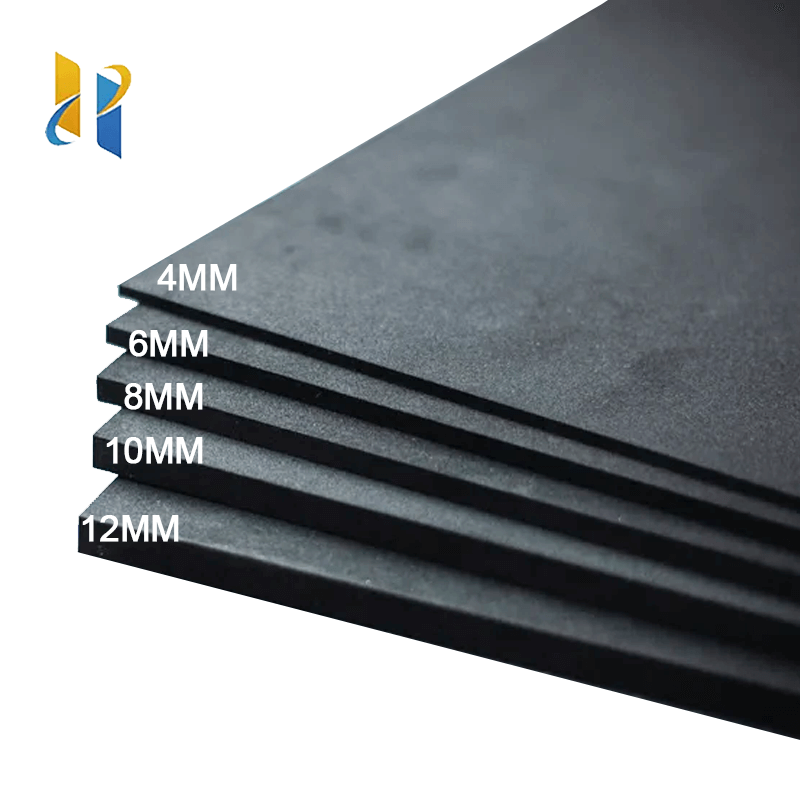
Unraveling the Mystery: Does EVA Foam Effectively Absorb Sound?
Introduction:
In the realm of soundproofing and acoustic enhancement, materials play a pivotal role in shaping our auditory experiences. From home theaters to recording studios, the quest for materials that can efficiently absorb sound and minimize echoes has never been more pressing. Among the various contenders, EVA foam (Ethylene-Vinyl Acetate foam) has emerged as a popular choice, touted for its versatility and potential sound-absorbing properties. But does EVA foam truly live up to its reputation as an effective sound absorber? Let's delve into the science and practical applications to find out.
Understanding EVA Foam:
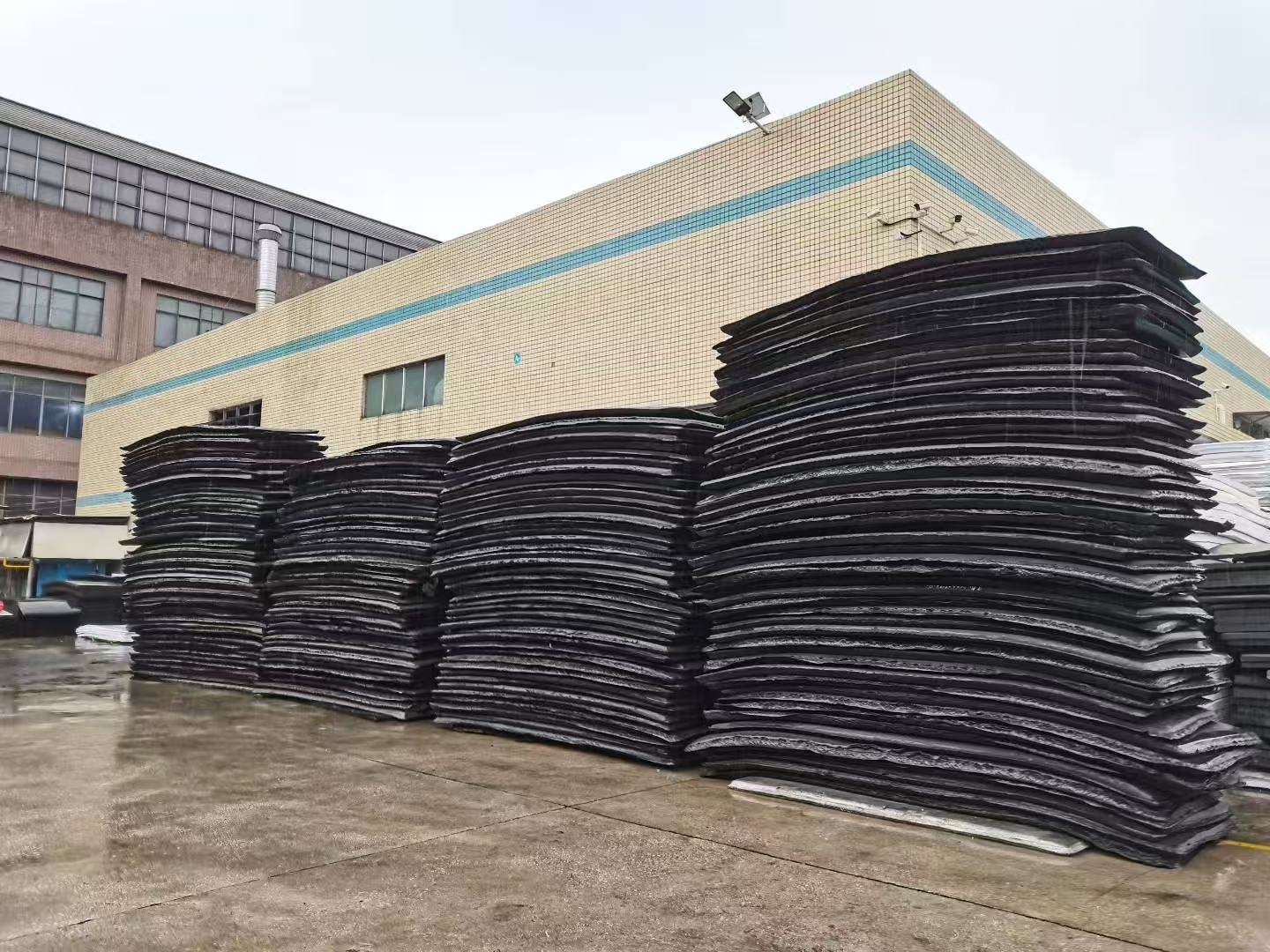
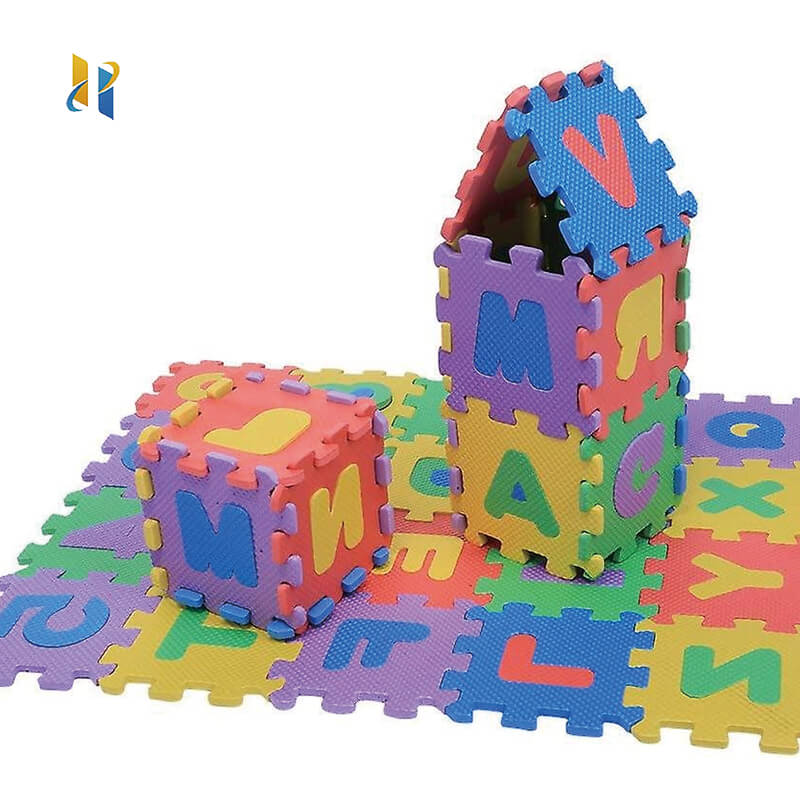
EVA foam is a lightweight, flexible, and closed-cell material renowned for its durability, water resistance, and shock-absorbing capabilities. Its unique structure, comprising numerous tiny air pockets, makes it an intriguing candidate for sound absorption. These air pockets can potentially trap and dissipate sound waves, reducing their intensity and limiting their ability to bounce around enclosed spaces.
How EVA Foam Absorbs Sound:
The key to EVA foam's sound-absorbing prowess lies in its porous structure. When sound waves encounter the surface of EVA foam, they interact with the material's air pockets, causing them to vibrate. This vibration converts the energy of the sound waves into heat, a process known as sound energy dissipation. As a result, the intensity of the reflected sound is reduced, leading to a more muted and controlled acoustic environment.
Practical Applications:
- Home Theaters & Media Rooms: EVA foam panels can be used to line walls and ceilings, significantly improving sound quality by reducing echoes and enhancing speech clarity.
- Recording Studios: Professionals rely on EVA foam for its ability to create a deadened acoustic space, essential for capturing clean, uncolored audio recordings.
- Noise Reduction in Offices & Workspaces: By absorbing ambient noise, EVA foam can help create a more focused and productive work environment.
- Automotive Soundproofing: In vehicles, EVA foam can be utilized to dampen road noise and engine vibrations, enhancing the overall driving experience.
Considerations & Limitations:
While EVA foam shows promise as a sound absorber, it's important to note that its effectiveness depends on several factors, including the density, thickness, and frequency of the sound waves. High-frequency sounds tend to be absorbed more effectively than low-frequency ones. Additionally, EVA foam may not be the sole solution for complex soundproofing needs, often requiring a combination of materials and techniques for optimal results.
Conclusion:
In conclusion, EVA foam does indeed possess sound-absorbing properties that can be harnessed to enhance acoustic environments across various settings. Its lightweight, durable nature, and relatively affordable cost make it an attractive option for those seeking to improve sound quality without breaking the bank. However, it's crucial to understand the limitations and carefully consider the specific application requirements when incorporating EVA foam into your soundproofing strategy. With a comprehensive approach, EVA foam can be a valuable addition to your arsenal of acoustic tools.
does eva foam conduct electricity
diy eva foam decking
Related Article