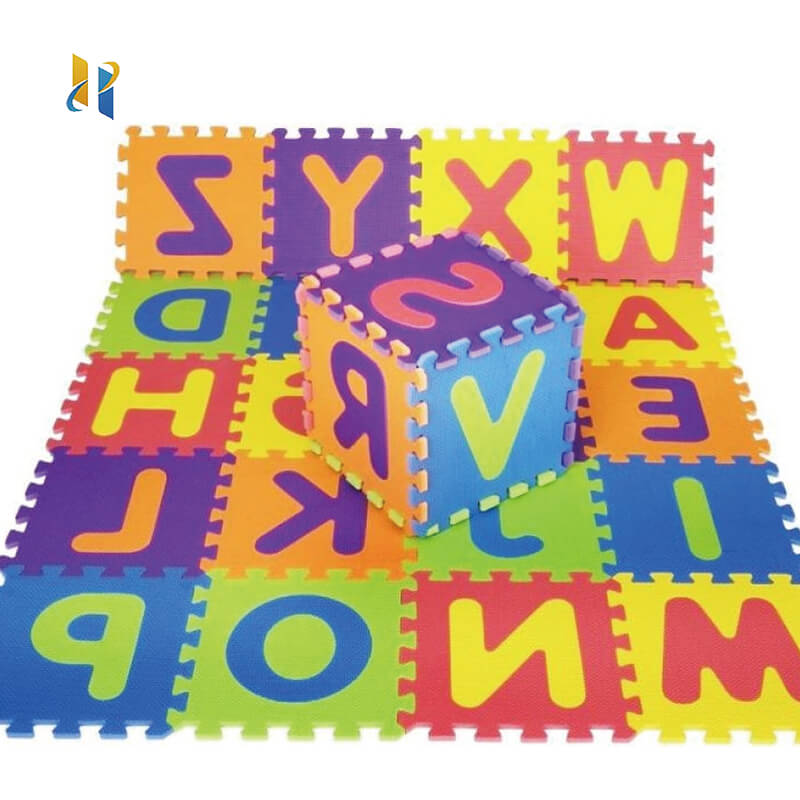
does eva foam conduct electricity
Unraveling the Mystery: Does EVA Foam Conduct Electricity?
Introduction:
In the vast world of materials science, each substance possesses its unique properties that define its applicability across various industries. Among these diverse materials, Ethylene Vinyl Acetate (EVA) foam stands out for its exceptional versatility, durability, and comfort, making it a staple in industries ranging from footwear to packaging to even construction. However, one question that often arises among professionals and enthusiasts alike is: Does EVA foam conduct electricity? Let's delve into this inquiry and unravel the truth behind this intriguing material's electrical conductivity.
Body:
Understanding EVA Foam Basics
EVA foam, a copolymer of ethylene and vinyl acetate, is renowned for its lightweight, flexibility, and closed-cell structure. This closed-cell design not only provides excellent insulation against temperature fluctuations but also contributes to its water-resistance properties. These characteristics make EVA foam an ideal choice for numerous applications where durability and protection are paramount.
Electrical Conductivity: The Basics
Electrical conductivity refers to a material's ability to allow the flow of electric current through it. Metals, such as copper and aluminum, are excellent conductors due to their high concentration of free electrons. On the other hand, insulators, like rubber, plastic, and glass, resist the flow of electric current, making them safe to handle electrical equipment.
EVA Foam's Electrical Properties
When it comes to EVA foam, the answer to the question "Does it conduct electricity?" is a resounding no. EVA foam belongs to the category of electrical insulators. Its closed-cell structure, combined with the non-conductive nature of its primary components (ethylene and vinyl acetate), ensures that it does not efficiently transmit electrical current. This property is crucial in many applications where electrical isolation or protection is necessary, such as in electronics packaging, electrical insulation, and even within medical devices that require strict electrical safety standards.
Benefits of EVA Foam's Insulating Properties
- Safety: In environments where electrical equipment is present, EVA foam's insulating properties minimize the risk of accidental electric shocks, ensuring worker safety.
- Durability: Its resistance to electrical currents also protects against potential damage caused by electrical arcing or short circuits, extending the lifespan of the products it encapsulates or surrounds.
- Versatility: This non-conductive feature, combined with EVA foam's other advantages like lightweight and water resistance, opens up a wide range of potential uses, making it a versatile material in various industries.
Conclusion:
In conclusion, EVA foam does not conduct electricity, positioning it as a reliable electrical insulator in various applications. Its unique combination of properties, including lightweight, flexibility, durability, and electrical insulation, makes it a highly sought-after material in diverse industries. Whether you're looking for a protective barrier in electronics packaging, an insulating layer in construction, or a comfortable yet safe material for footwear, EVA foam is an excellent choice that ticks all the right boxes.
does eva foam float
does eva foam absorb sound
Related Article