does eva foam float
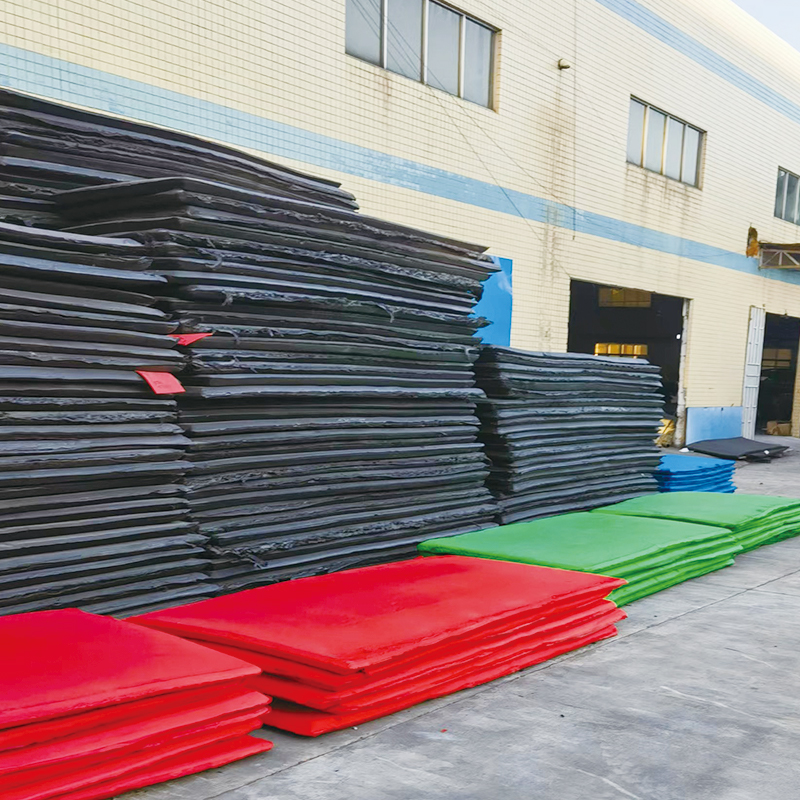
Unraveling the Mystery: Does EVA Foam Float? A Comprehensive Guide
Introduction:
In the vast world of materials science and innovative product design, EVA foam stands out as a versatile and lightweight material that has found its way into countless applications, from athletic shoes and yoga mats to boat cushions and even floatation devices. With its unique blend of durability, flexibility, and affordability, EVA (Ethylene-Vinyl Acetate) foam has sparked curiosity among DIY enthusiasts, outdoor adventurers, and product developers alike. One of the most frequently asked questions surrounding this material is: Does EVA foam float? Let's dive into the depths of this inquiry and unravel the truth behind EVA foam's buoyancy.
Understanding EVA Foam's Composition:
EVA foam is a copolymer made by combining ethylene and vinyl acetate monomers in varying proportions. This blend results in a material that is both soft and resilient, with the exact properties depending on the percentage of vinyl acetate. Lower vinyl acetate content makes for a harder, more durable foam, while higher percentages yield a softer, more flexible product. However, the key factor influencing EVA foam's buoyancy lies not solely in its composition but also in its density.
Does Density Determine EVA Foam's Floating Ability?
The answer to whether EVA foam floats is intricately tied to its density. Density, simply put, is the mass of a substance per unit volume. For a material to float, it must have a lower density than the liquid it's immersed in. In the case of water, which has a density of approximately 1 gram per cubic centimeter (g/cm³), EVA foam with a density lower than this threshold will indeed float.
EVA foam comes in a range of densities, from lightweight, highly buoyant options ideal for floatation devices and pool toys, to denser variants used in shoe soles and other applications where support and durability are paramount. Therefore, it's crucial to select the appropriate density based on your intended use.
Practical Applications of Floating EVA Foam:
- Floatation Devices: EVA foam's buoyancy makes it an excellent choice for pool noodles, floaties, and even life jackets, providing safe and enjoyable aquatic experiences.
- Water Sports Equipment: Lightweight EVA foam paddles, boards, and accessories reduce fatigue and increase maneuverability, enhancing the overall water sports experience.
- Outdoor Cushioning: In camping and outdoor settings, EVA foam cushions and mats offer both comfort and the ability to float on still waters, making them ideal for relaxation and recreation.
Conclusion:
In conclusion, the question "Does EVA foam float?" is not a simple yes or no answer. It depends on the specific density of the EVA foam in question. Lightweight, low-density EVA foam is indeed buoyant and will float in water, making it an excellent choice for a wide array of applications that require flotation capabilities. When selecting EVA foam for your project, be mindful of its density to ensure it meets your specific needs and expectations. With its versatility and buoyancy, EVA foam continues to be a popular and innovative material in the world of product design and beyond.
does eva foam shrink when heated
does eva foam conduct electricity
Related Article