epe vs eva foam
Understanding the Difference Between EPE and EVA Foam: A Comprehensive Guide for Your Next Project
Introduction:
In the world of foam materials, two names frequently stand out as versatile and widely used options: Expanded Polyethylene (EPE) and Ethylene Vinyl Acetate (EVA) foam. Both of these materials offer unique properties that make them ideal for a range of applications, from packaging and insulation to sports equipment and footwear. However, understanding the key differences between EPE and EVA foam is crucial to selecting the right material for your specific needs. In this comprehensive guide, we'll delve into the characteristics, advantages, and use cases of each, helping you make an informed decision for your next project.
EPE Foam: The Lightweight Champion
EPE foam, also known as expanded bead foam or EPE beads, is renowned for its exceptional lightweight properties. Its closed-cell structure provides excellent buoyancy and shock absorption, making it a favorite among manufacturers of protective packaging and floatation devices. Its durability and resistance to water absorption make EPE foam an ideal choice for outdoor applications, ensuring that your products stay protected from the elements. Additionally, its recyclability contributes to a more sustainable future, making it a green alternative in the foam industry.
EVA Foam: The Versatile Performer
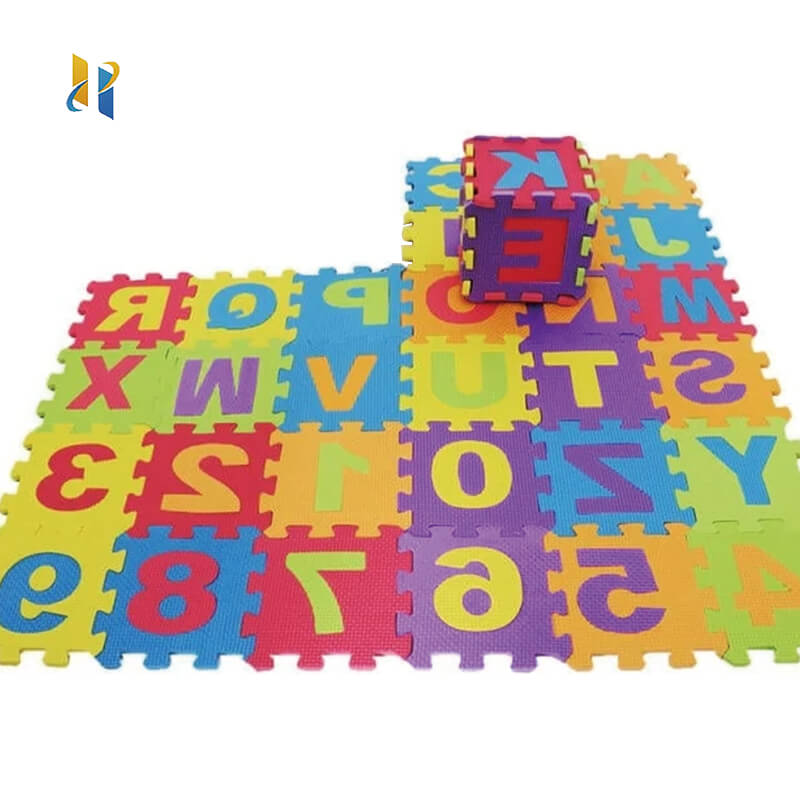
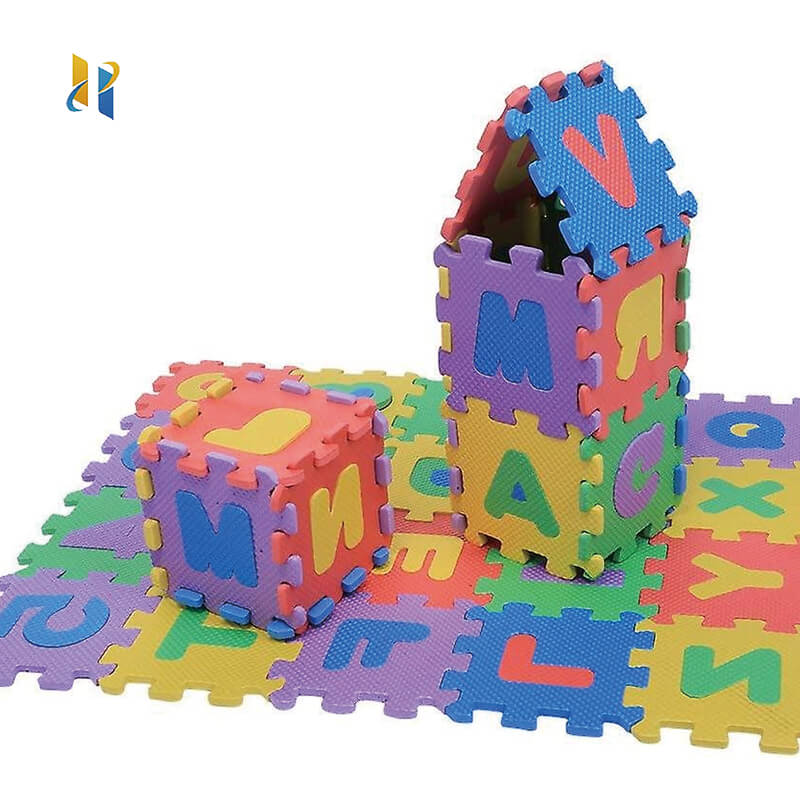
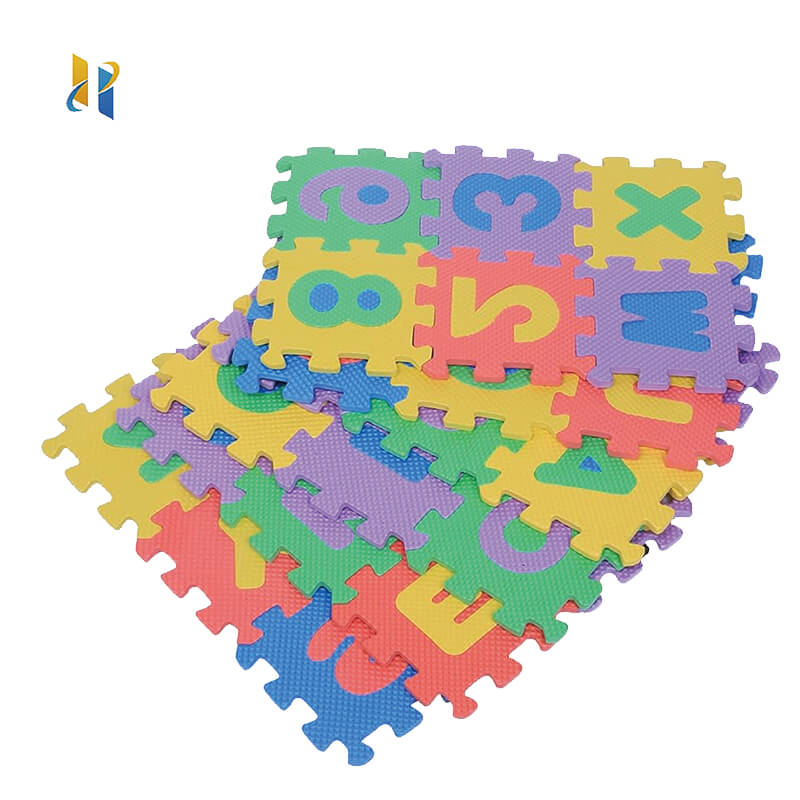
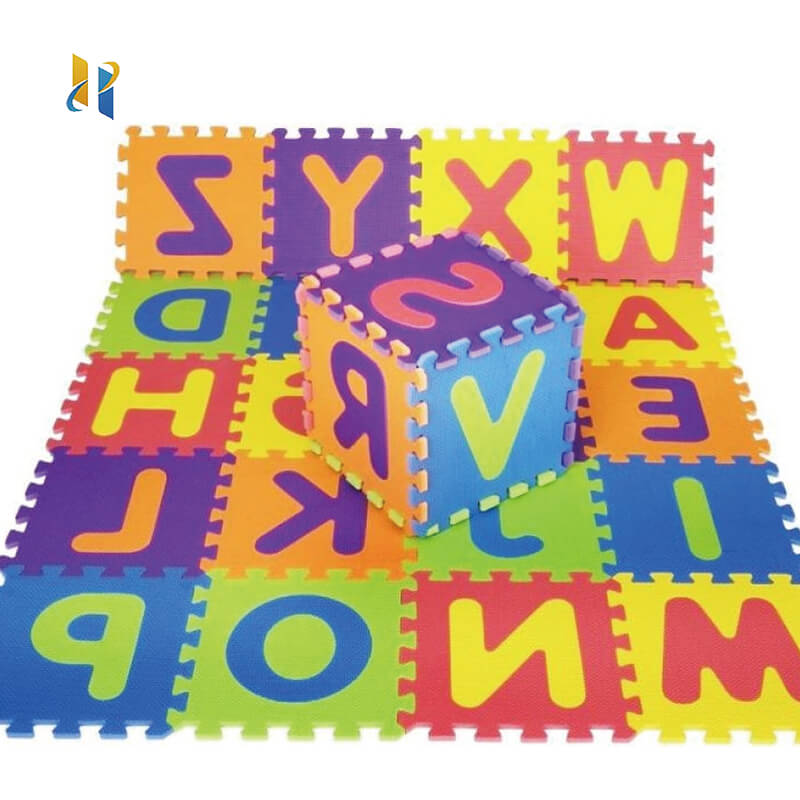
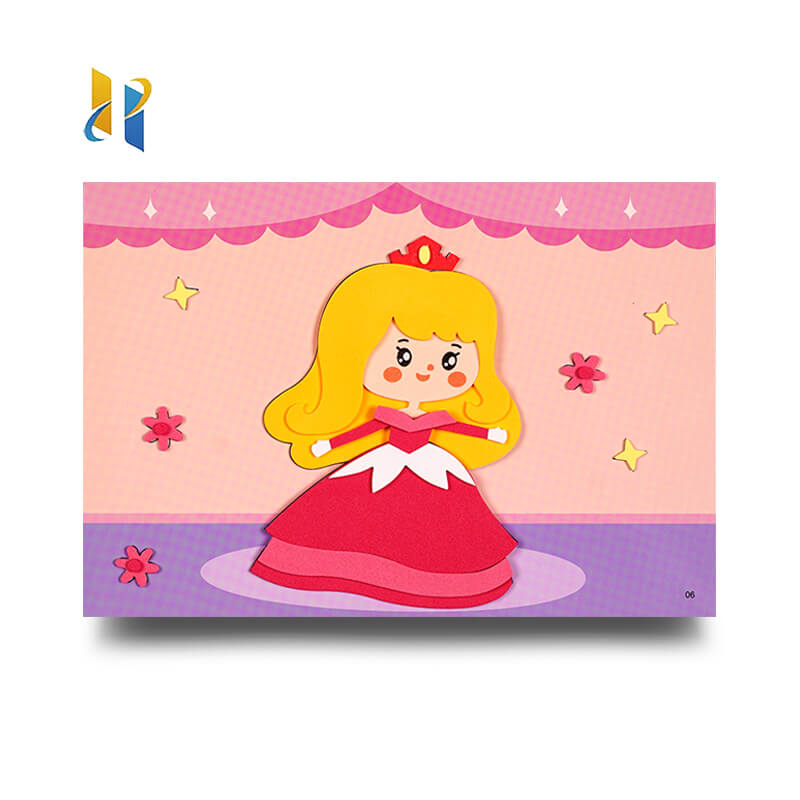
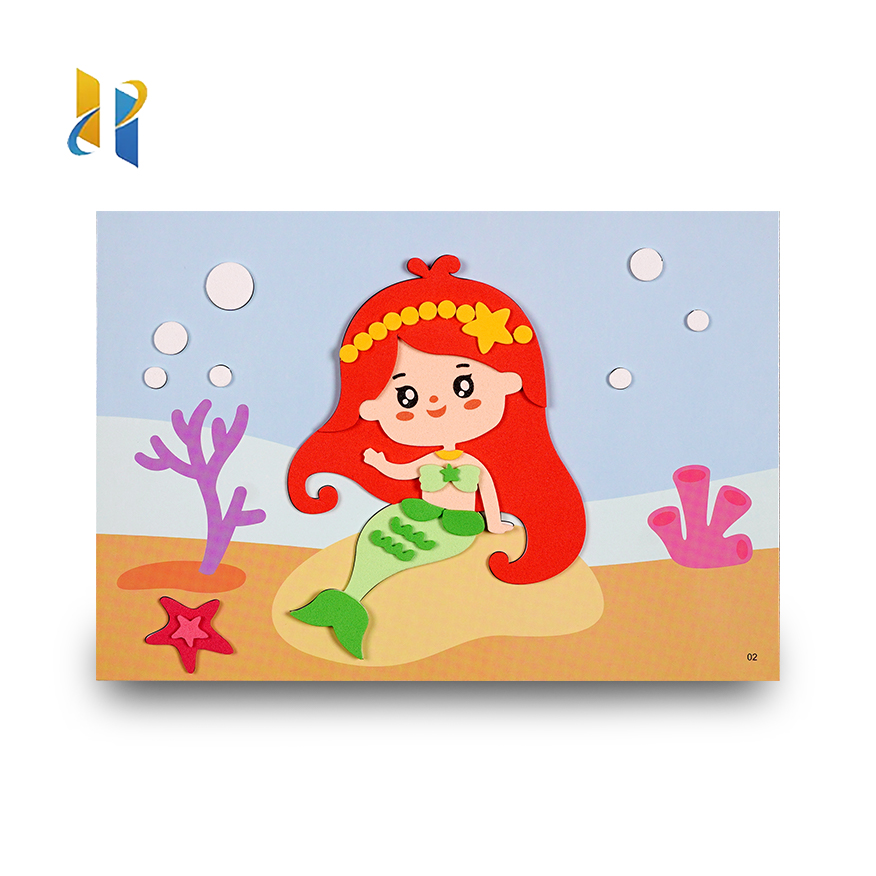
On the other hand, EVA foam boasts a unique blend of flexibility, durability, and resilience. Its open-cell structure allows for better shock absorption and energy return, making it a favorite in the sports and athletic equipment industry. From yoga mats and gym flooring to inline skates and skateboards, EVA foam provides the perfect balance of cushioning and support. Its resistance to moisture and odor retention, coupled with its ease of cleaning, make it a hygienic choice for healthcare and childcare products as well. Moreover, EVA foam can be easily molded and colored, offering endless design possibilities for creative projects.
Comparing the Two: Key Differences
- Density & Weight: EPE foam is typically lighter than EVA foam, making it ideal for applications where weight reduction is a priority.
- Shock Absorption: While both materials excel in shock absorption, EVA foam's open-cell structure offers slightly better energy return, making it preferred for sports equipment.
- Water Resistance: Both are water-resistant, but EPE foam's closed-cell structure provides enhanced protection against water absorption.
- Durability: EVA foam tends to be more durable and resistant to tearing, making it suitable for rough handling or high-impact situations.
- Environmental Impact: Both materials are recyclable, but the ease of recycling EPE foam and its widespread acceptance in recycling programs may give it an edge in terms of sustainability.
Conclusion
Choosing between EPE and EVA foam ultimately depends on your specific requirements and project goals. If lightweight, buoyancy, and eco-friendliness are top priorities, EPE foam is an excellent choice. On the other hand, if you're looking for superior shock absorption, durability, and design versatility, EVA foam may be the way to go. By understanding the key differences between these two materials, you can confidently select the one that best fits your needs, ensuring success for your next project.
eva 2mm foam
embossed eva foam
Related Article