eva foam advantages and disadvantages
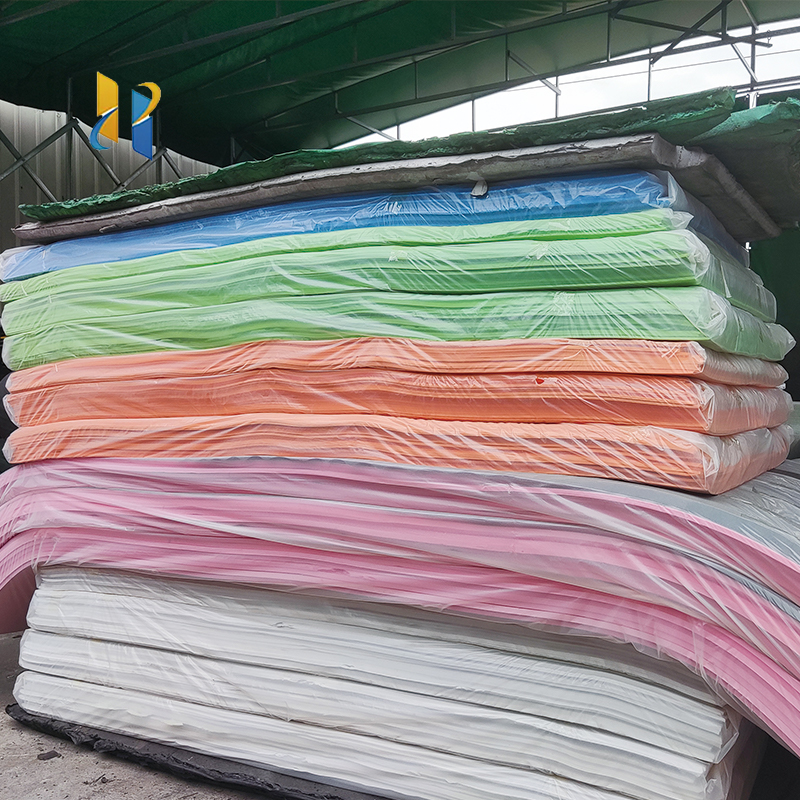
Unraveling the Versatility of EVA Foam: Advantages & Disadvantages for Your Next Project
Introduction:
In the realm of materials engineering, Ethylene Vinyl Acetate (EVA) foam has emerged as a versatile and popular choice for a wide spectrum of applications. Known for its lightweight yet durable nature, EVA foam boasts an impressive array of benefits that make it an ideal candidate for everything from sports equipment to packaging solutions. However, like any material, it's crucial to weigh both its advantages and disadvantages before incorporating it into your next project. Let's delve into the intricacies of EVA foam, exploring its compelling features and potential drawbacks.
Advantages of EVA Foam:
-
Lightweight Durability: A standout feature of EVA foam is its exceptional balance between light weight and durability. This makes it an excellent choice for products that require portability without compromising on strength, such as camping mats, sports protective gear, and even some types of footwear.
-
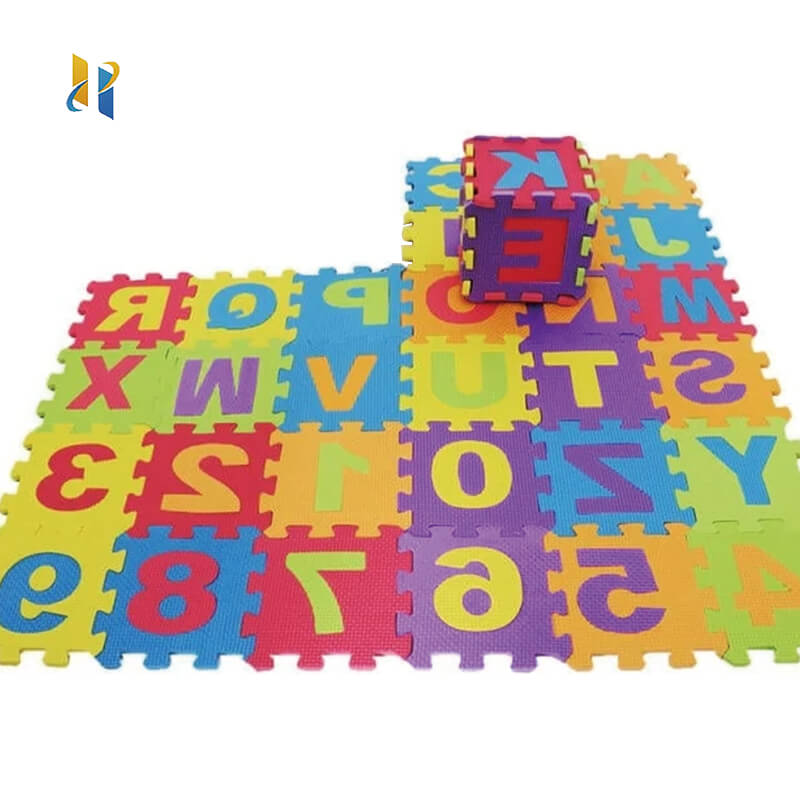
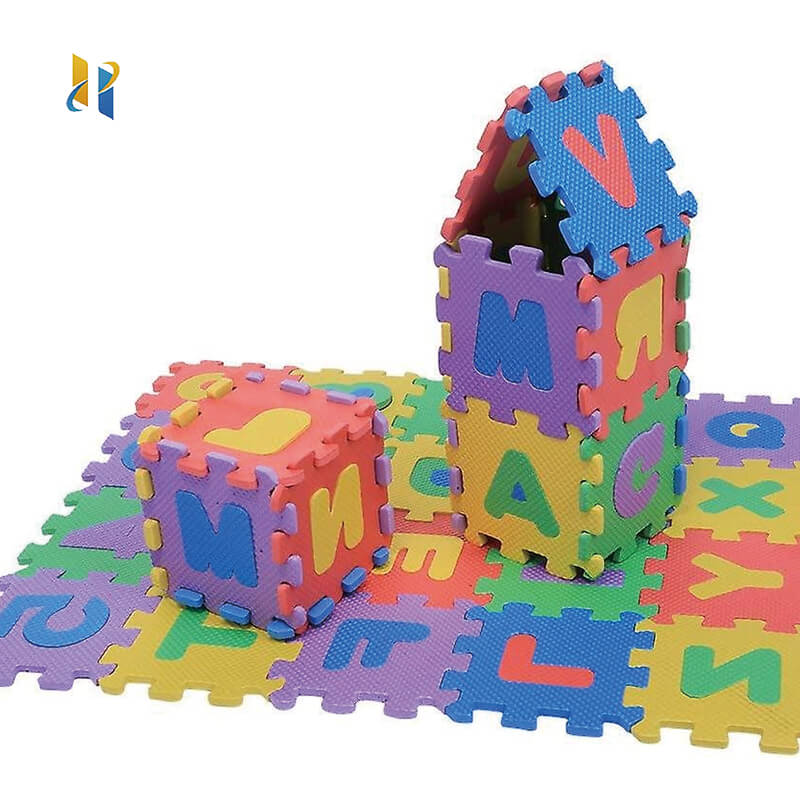
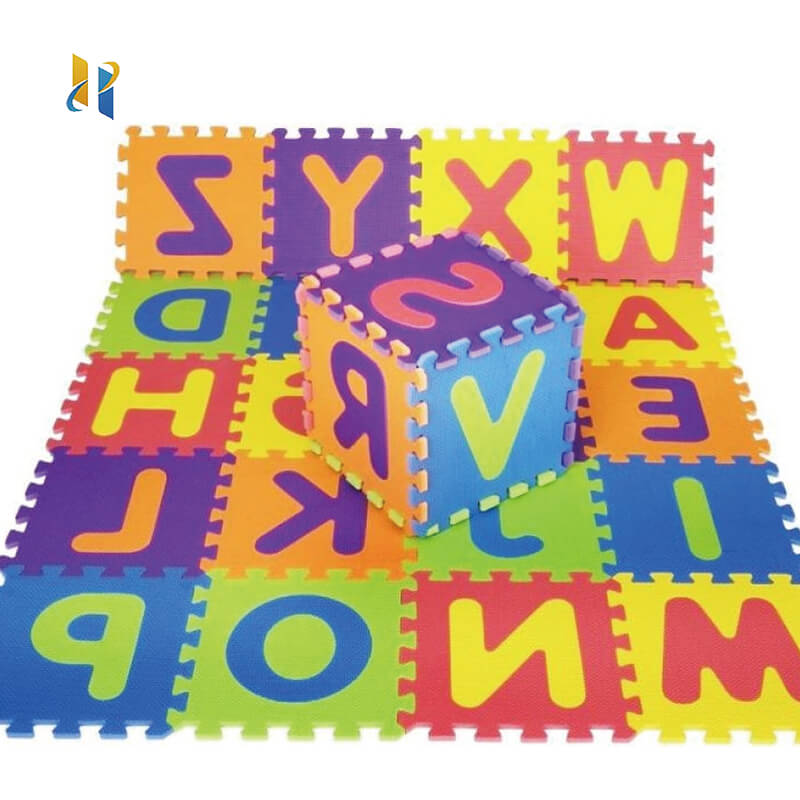
Excellent Shock Absorption: The foam's closed-cell structure effectively absorbs and distributes impact, making it a go-to material for shock-absorbing applications. From gym mats that cushion falls to car interior padding, EVA foam ensures user comfort and safety.
-
Water Resistance: With good moisture resistance, EVA foam retains its shape and properties even when exposed to water or humidity. This characteristic enhances its suitability for outdoor gear, pool toys, and waterproof packaging.
-
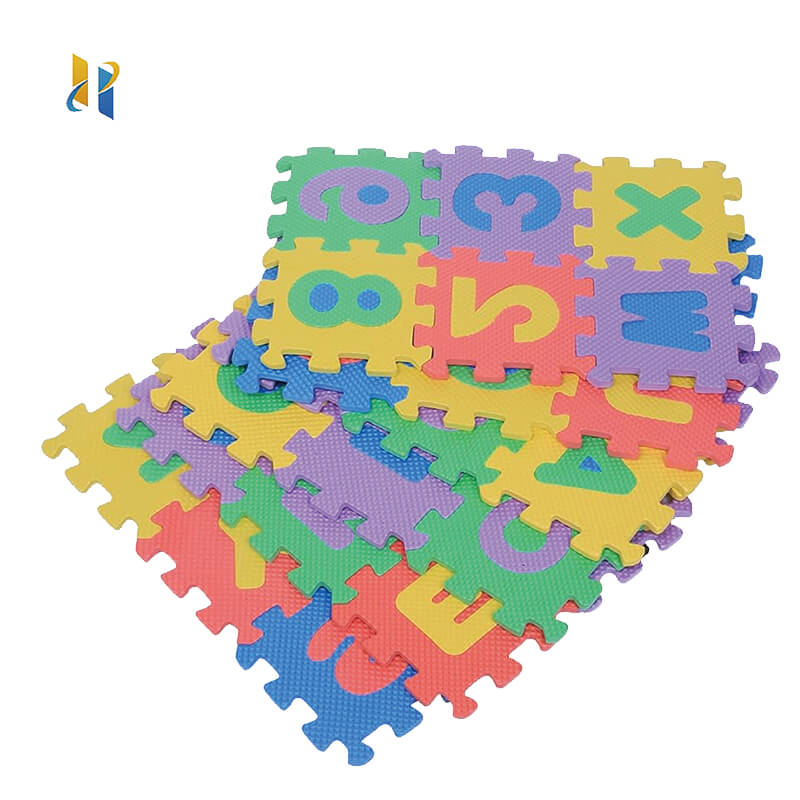
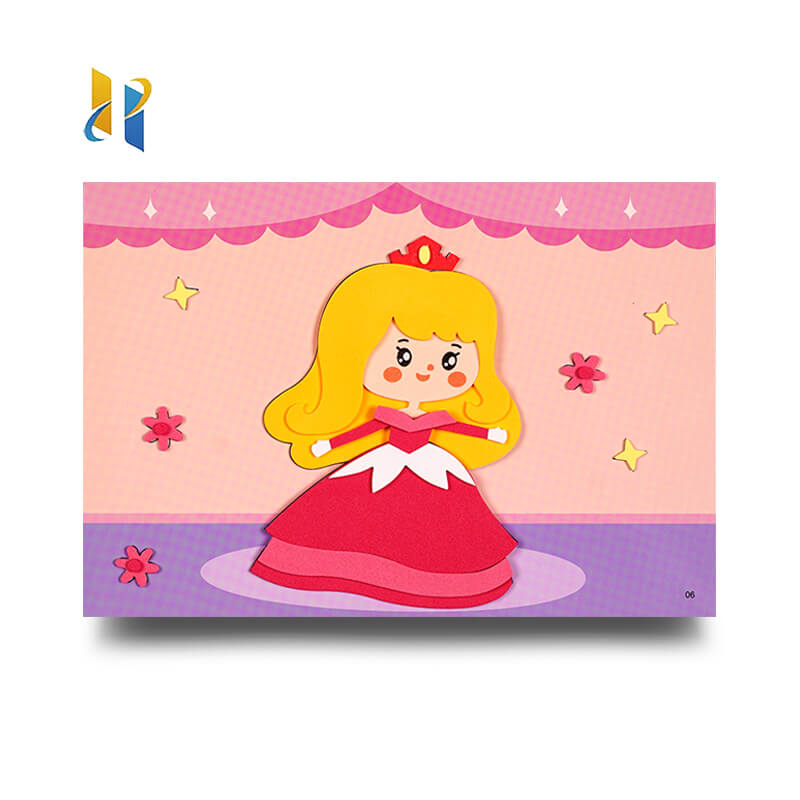
Easy to Customize: EVA foam is highly moldable, allowing for a wide range of shapes, sizes, and colors. This versatility makes it a favorite among product designers looking to create unique, customized products.
-
Eco-Friendly: Many EVA foam products are made from recycled materials, and the foam itself is recyclable, making it a more sustainable choice compared to some other plastics. Additionally, it doesn't release harmful chemicals during production or use.
Disadvantages of EVA Foam:
-
Temperature Sensitivity: While durable, EVA foam can become softer and less resilient at higher temperatures, limiting its use in extreme heat environments. Conversely, it may become more brittle in cold conditions, affecting its shock-absorbing capabilities.
-
Cost Considerations: Depending on the quality and customization level, EVA foam can be more expensive than some alternative materials. This factor should be taken into account, especially for budget-conscious projects.
-
Limited Tensile Strength: Although strong for its weight, EVA foam may not offer the same level of tensile strength as some heavier-duty materials. This could be a concern for applications requiring high levels of structural integrity.
-
Durability Over Time: Prolonged exposure to sunlight or UV rays can degrade the material, causing discoloration and a reduction in physical properties. Proper storage and handling are essential to maintain EVA foam's longevity.
-
Flammability: Like many plastics, EVA foam is flammable. Special fire-retardant treatments may be necessary for certain applications, adding to the overall cost and complexity of the material.
Conclusion:
EVA foam stands as a testament to the ingenuity of modern materials science, offering a unique blend of properties that cater to diverse needs. Its lightweight durability, shock-absorbing capabilities, and eco-friendliness make it a compelling choice for numerous projects. However, it's important to carefully consider its limitations, particularly temperature sensitivity, cost, and durability concerns, to ensure it's the right fit for your specific requirements. By weighing both the advantages and disadvantages of EVA foam, you can make an informed decision that aligns with your project's goals and expectations.
Welcome to the exhibition in Melbourne, Australia.. Time: August 3rd - August 6th
eva foam 5mm cosplay
Related Article