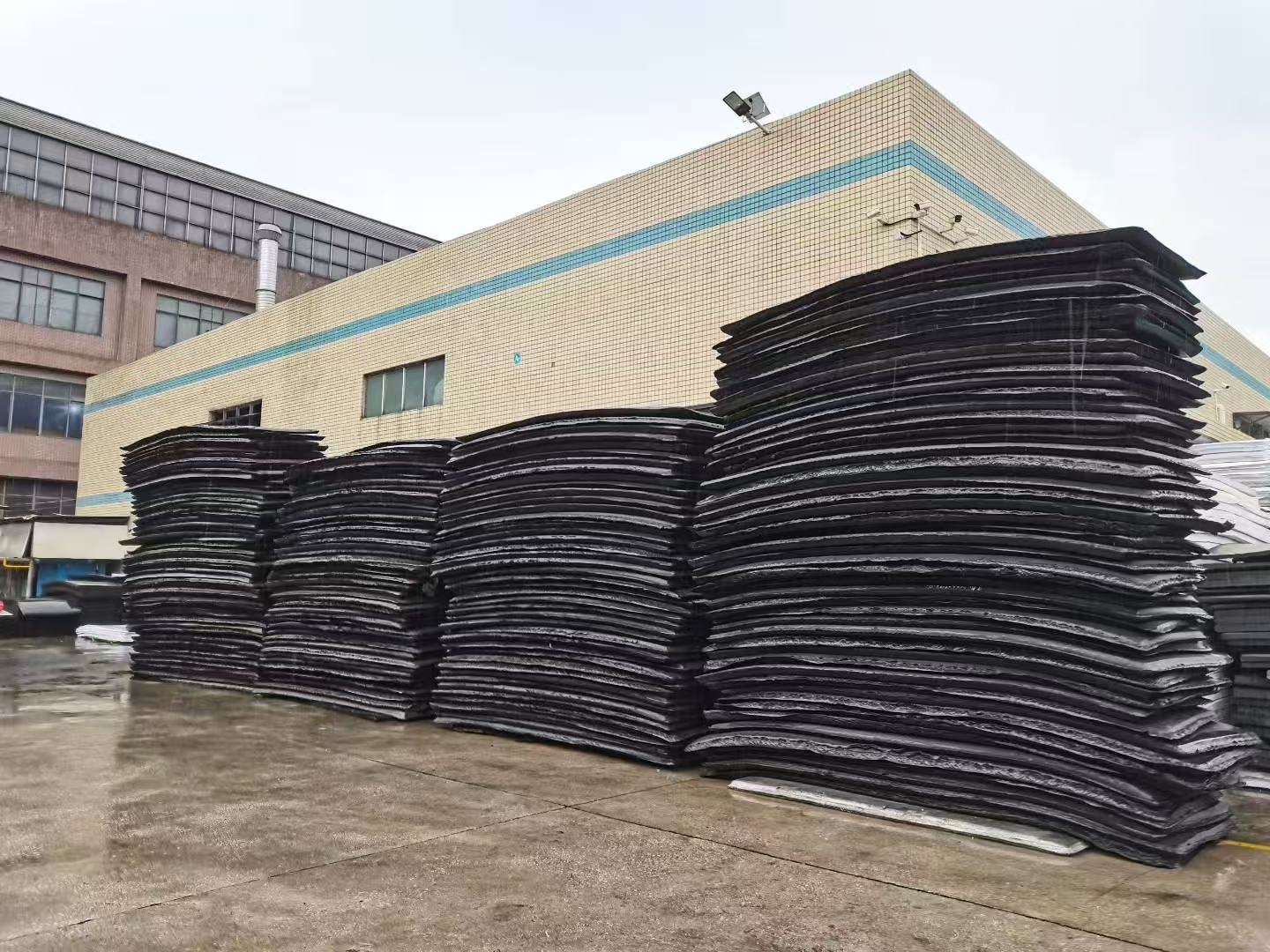
eva foam allergy

Understanding EVA Foam Allergies: Safety, Precautions, and Alternatives
Introduction:
As the versatility and popularity of Ethylene Vinyl Acetate (EVA) foam continue to soar across various industries, from sports equipment to home furnishings, concerns about potential allergies to this material have surfaced. While EVA foam is generally considered safe and hypoallergenic, individual sensitivities and specific manufacturing processes can sometimes lead to adverse reactions. In this article, we delve into the realm of EVA foam allergies, exploring the factors that may trigger them, the precautions to take, and the available alternatives for those seeking a more allergy-friendly option.
Understanding EVA Foam Allergies:
EVA foam, renowned for its lightweight durability and shock-absorbing properties, is a polymer blend that is inherently non-toxic and designed to be skin-friendly. However, some individuals may experience allergic reactions when exposed to EVA foam products, especially if they are sensitive to certain chemicals used in the manufacturing process or if the foam is not adequately processed to remove potential allergens.
Common Triggers:
-
Chemical Residues: During production, EVA foam may come into contact with various chemicals, including additives, dyes, and adhesives. Some individuals may be allergic to these substances, causing skin irritation, respiratory issues, or other allergic reactions.
-
Off-Gassing: New EVA foam products may emit volatile organic compounds (VOCs) during the initial period after manufacturing. While these emissions typically dissipate over time, they can trigger allergic reactions or discomfort in sensitive individuals.
-
Skin Contact: Prolonged or direct skin contact with EVA foam, especially in poorly ventilated areas, can increase the risk of irritation or allergic reactions for some people.
Precautions to Take:
-
Ventilation: Ensure proper ventilation when using or storing EVA foam products, particularly during the initial stages when VOC emissions may be higher.
-
Skin Protection: For those with sensitive skin, consider wearing gloves or protective clothing when handling EVA foam to minimize direct skin contact.
-
Choose Quality Products: Opt for EVA foam products from reputable manufacturers that use high-quality materials and adhere to strict safety standards. Look for products labeled as hypoallergenic or free from harmful additives.
-
Test Patch: Before using EVA foam products extensively, perform a small skin test patch to check for any adverse reactions.
Alternatives for Allergy-Sensitive Individuals:
-
Natural Materials: Consider using natural materials like cork, bamboo, or organic cotton as alternatives to EVA foam. These materials are often hypoallergenic and eco-friendly.
-
Memory Foam: Memory foam, while not entirely allergen-free, is often treated to reduce potential allergens and may be a suitable option for those seeking similar comfort and support properties.
-
Customized Solutions: For specific applications, consult with a professional to explore customized solutions that cater to your individual needs and allergies.
Conclusion:
While EVA foam allergies are relatively uncommon, it's essential to be aware of the potential risks and take appropriate precautions when using this material. By understanding the triggers, taking necessary steps to minimize exposure, and exploring alternative options, you can ensure a safe and comfortable experience with EVA foam products. Remember, always prioritize your health and well-being when making decisions about the materials you use in your daily life.
small swimming kickboard
Welcome to the exhibition in Melbourne, Australia.. Time: August 3rd - August 6th
Related Article