eva foam density chart
Mastering EVA Foam Density: A Comprehensive Guide to Unlocking Its Full Potential
Introduction:
In the vast world of foam materials, EVA (Ethylene-Vinyl Acetate) foam stands out as a versatile and highly sought-after option. Understanding the intricacies of EVA foam density is crucial for anyone seeking to harness its full potential, be it for athletic equipment, protective gear, or even home decor. Today, we delve into the depths of the EVA foam density chart, providing a comprehensive guide that will empower you to make informed decisions and maximize the benefits of this remarkable material.
What is EVA Foam Density, and Why Does It Matter?
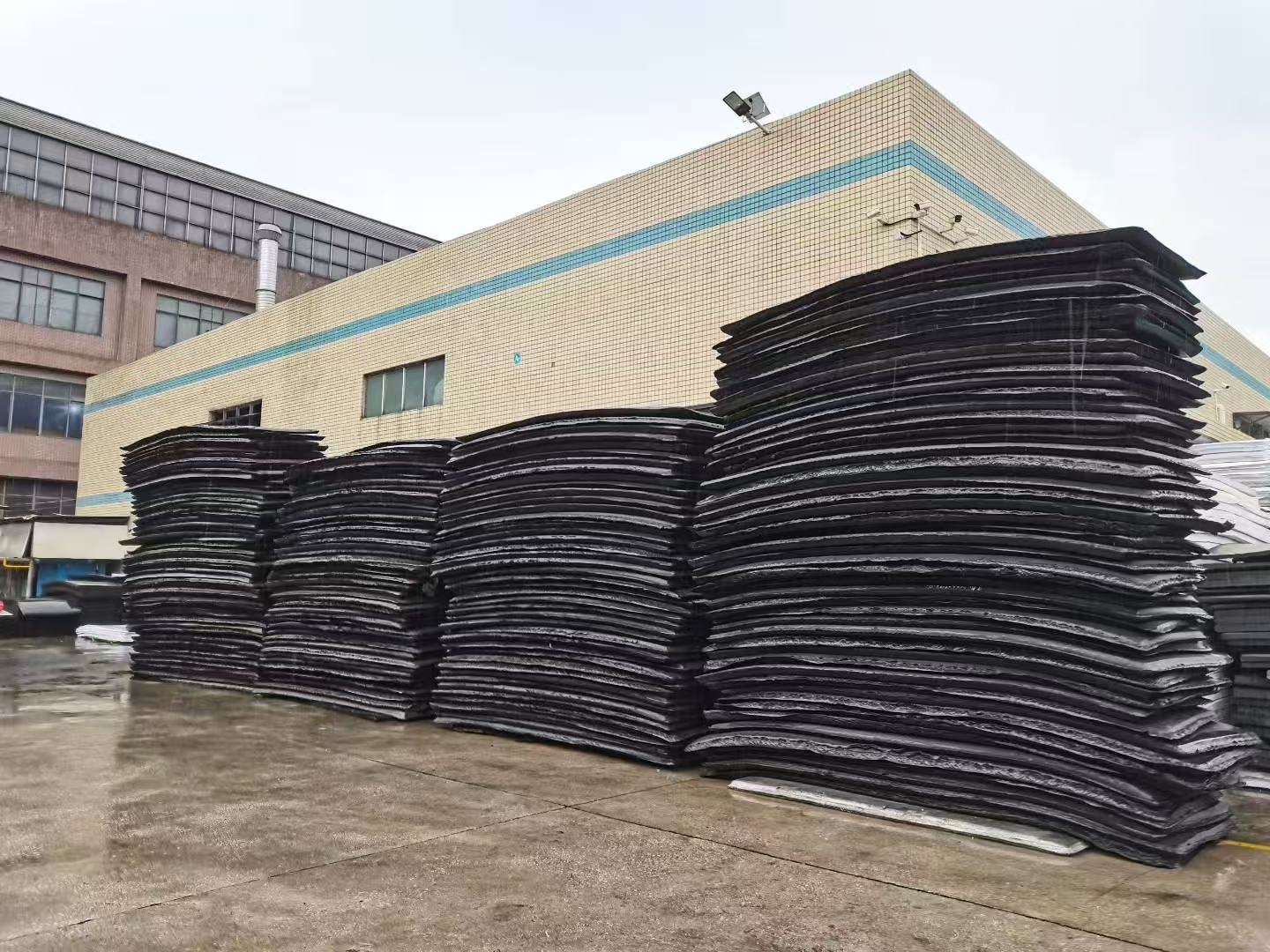
EVA foam density refers to the weight per unit volume of the foam, typically measured in pounds per cubic foot (PCF) or kilograms per cubic meter (kg/m³). This metric directly influences the foam's physical properties, including its firmness, durability, and weight-to-volume ratio. By selecting the right density, you can tailor EVA foam to suit a wide range of applications, from lightweight, flexible padding to heavy-duty, shock-absorbing materials.
Benefits of Understanding EVA Foam Density
-
Optimized Performance: Choosing the ideal density ensures that your EVA foam performs exactly as intended, whether it's providing cushioning for athletic shoes or ensuring impact resistance in protective gear.
-
Cost-Effectiveness: Understanding density allows you to balance cost and performance, selecting the most economical option that still meets your requirements.
-
Increased Durability: Higher-density EVA foams tend to be more durable, withstanding wear and tear better than lower-density variants.
-
Versatility: The wide range of densities available opens up a universe of possibilities, allowing you to create products tailored to specific needs and environments.
EVA Foam Density Chart: A Closer Look
The EVA foam density chart typically spans a broad spectrum, from lightweight, soft foams ideal for cushioning and comfort applications to denser, more rigid foams suitable for structural support and impact protection. Here's a simplified overview:
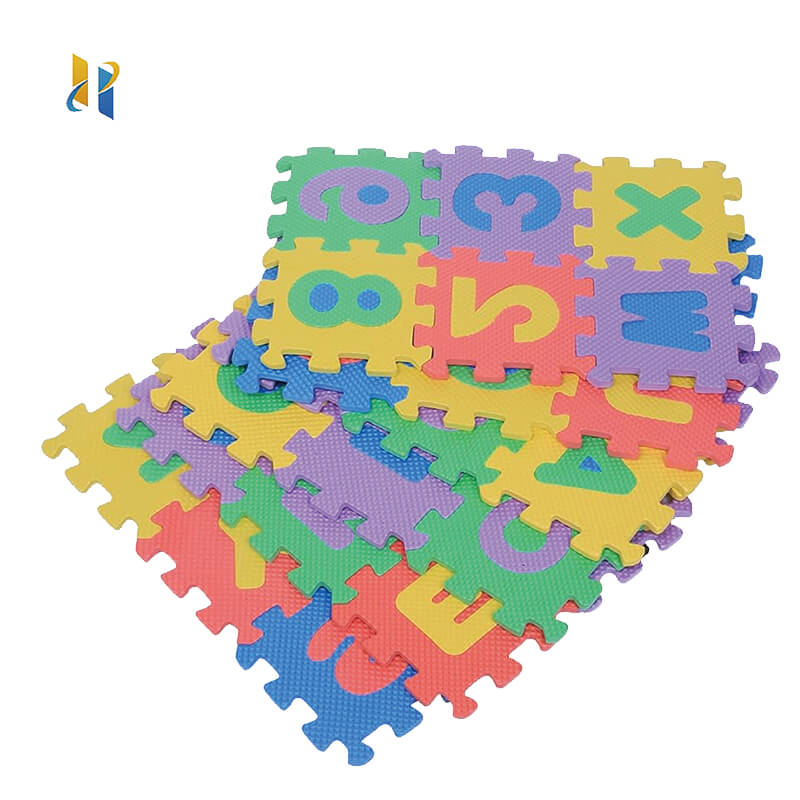
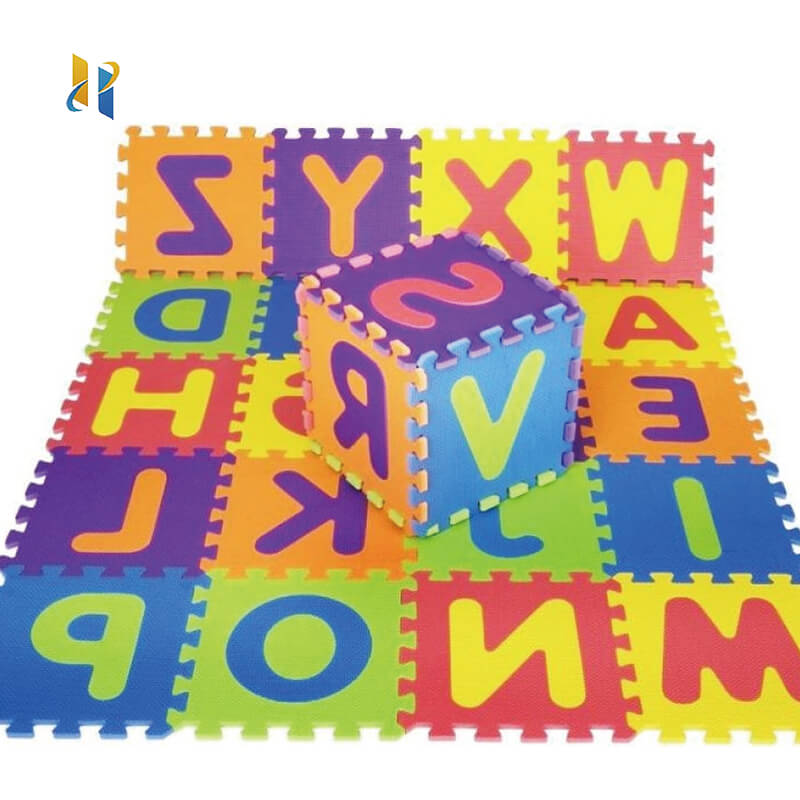
- Low Density (e.g., 2-5 PCF): Perfect for lightweight padding, such as yoga mats and sleeping pads, offering softness and comfort without excessive weight.
- Medium Density (e.g., 6-12 PCF): A versatile range, commonly used in athletic shoes, orthotics, and some protective gear, providing a balance of cushioning and support.
- High Density (e.g., 13+ PCF): Ideal for heavy-duty applications like shock-absorbing mats, industrial insulation, and structural components, offering exceptional durability and impact resistance.
Choosing the Right Density for Your Project
When selecting an EVA foam density, consider factors such as the intended use, weight limitations, and desired physical properties. Consult with a knowledgeable supplier or manufacturer to discuss your specific requirements and explore the options available within the EVA foam density chart.
Conclusion
In conclusion, EVA foam density is a crucial factor that determines the performance, durability, and cost-effectiveness of this versatile material. By understanding the intricacies of the EVA foam density chart and selecting the right density for your project, you can unlock its full potential and create products that exceed expectations. Whether you're designing athletic gear, protective padding, or simply seeking a high-quality cushioning material, EVA foam offers a solution tailored to your needs. Embrace its versatility and let your creativity soar!
eva foam design
eva foam decking sheet
Related Article