eva foam density
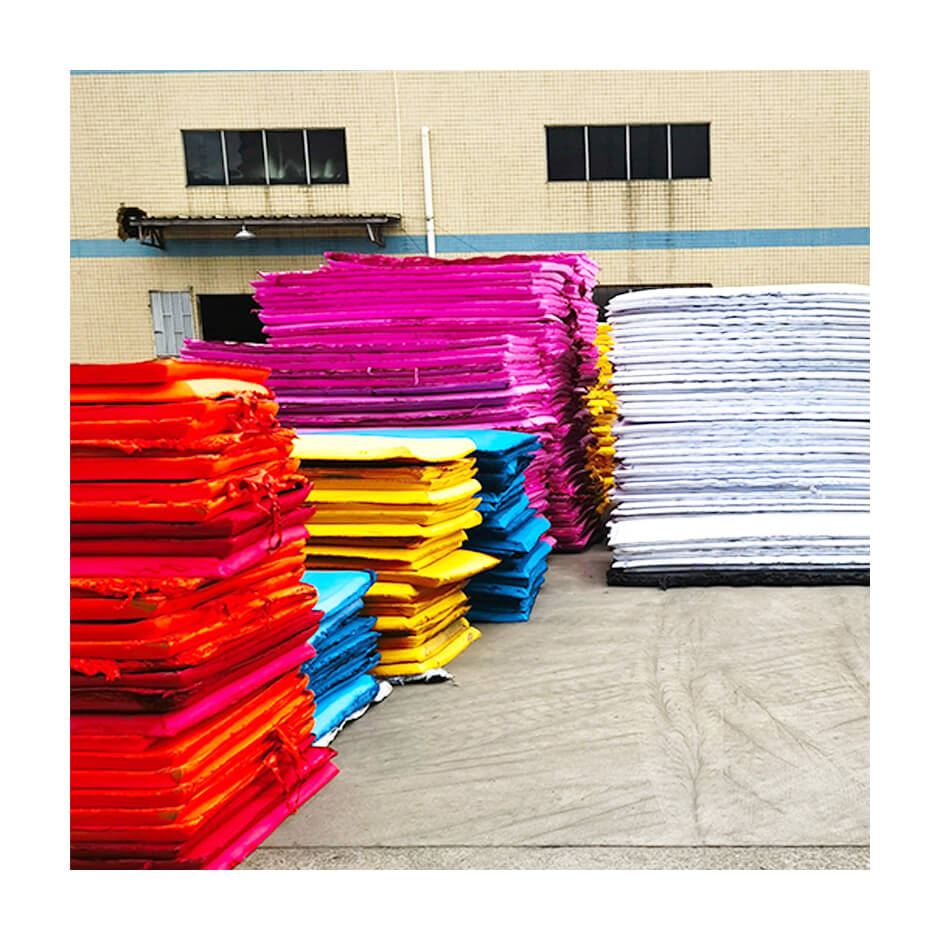
Unlocking the Mystery of EVA Foam Density: The Key to Optimal Comfort and Durability
In the world of foam materials, EVA foam stands out for its unique combination of properties that make it ideal for a wide range of applications. However, one aspect that is often overlooked yet crucial in determining the performance of EVA foam is its density. Understanding EVA foam density is essential to choosing the right material for your specific needs.
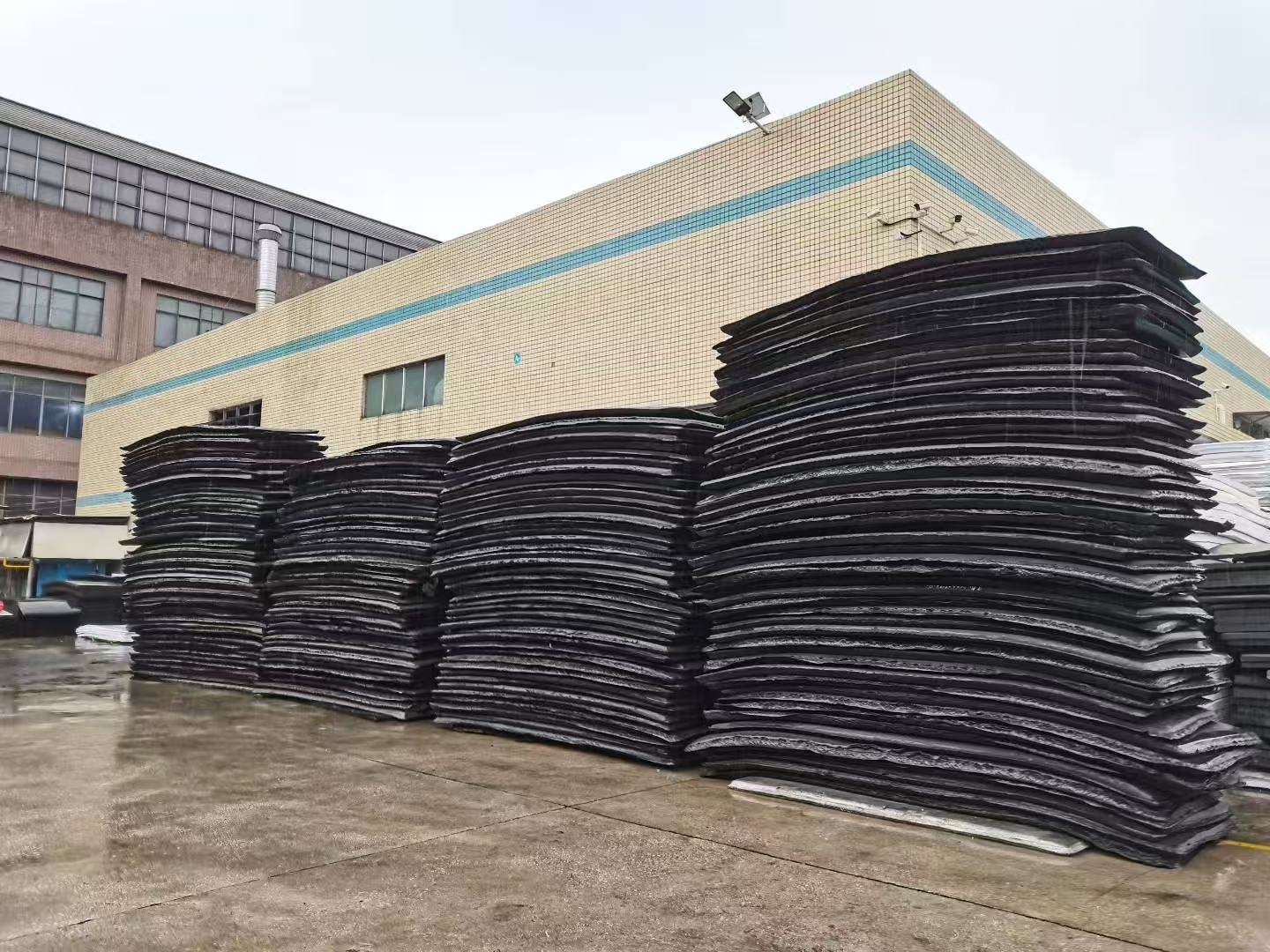
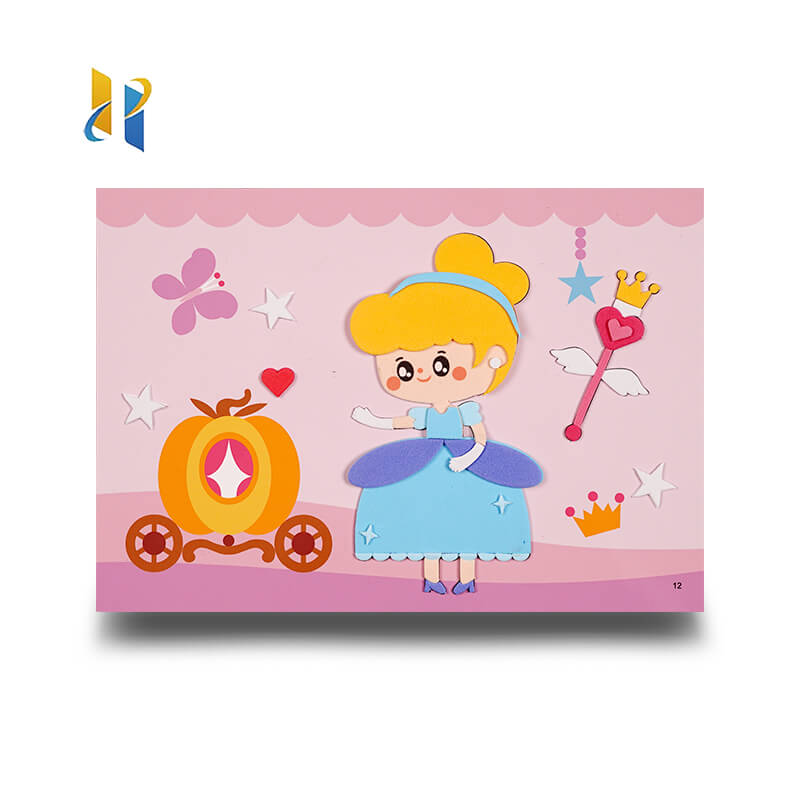
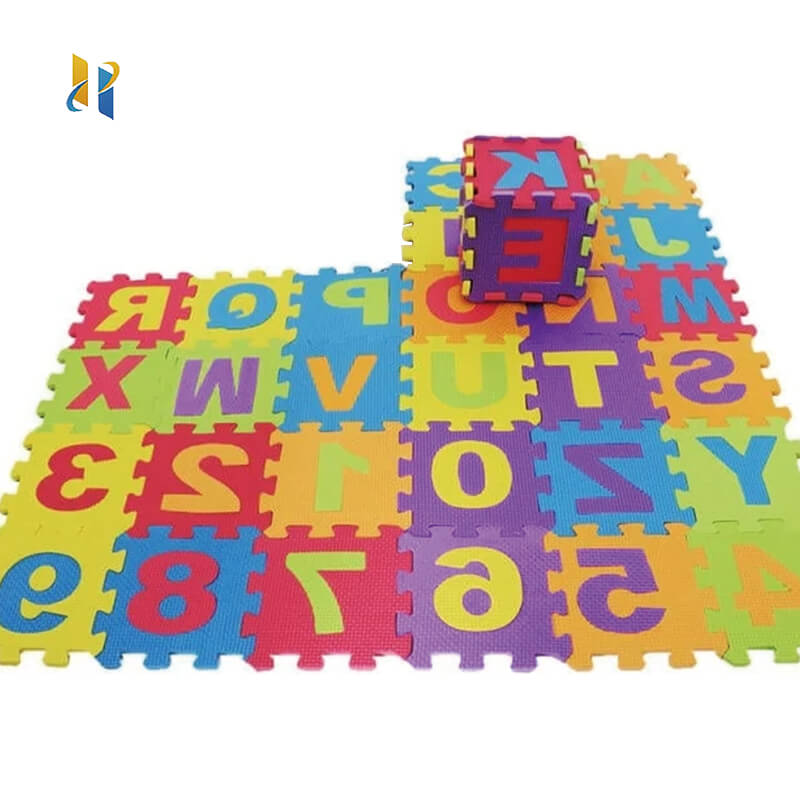
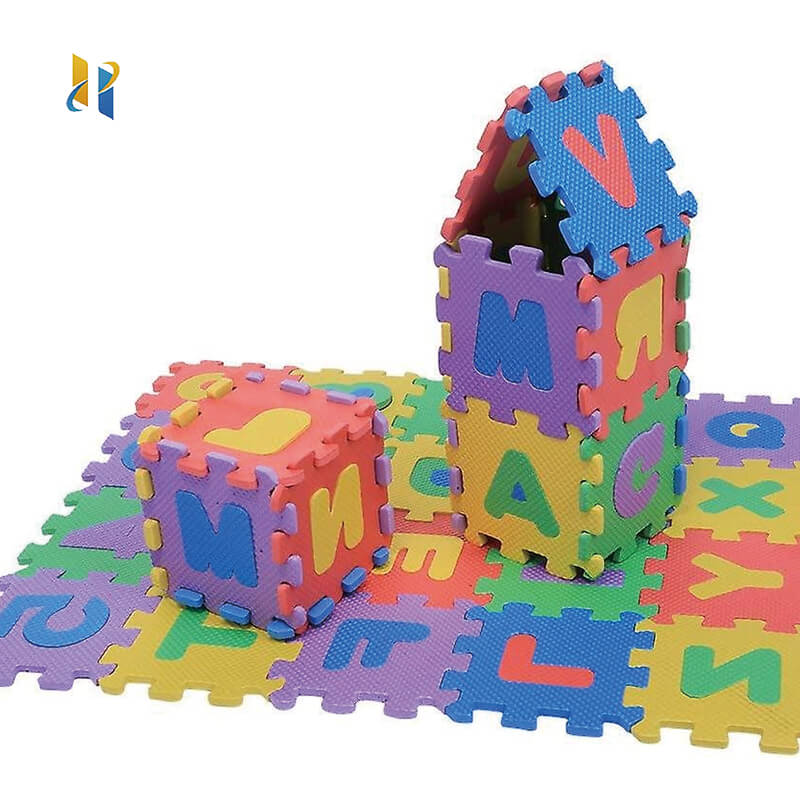
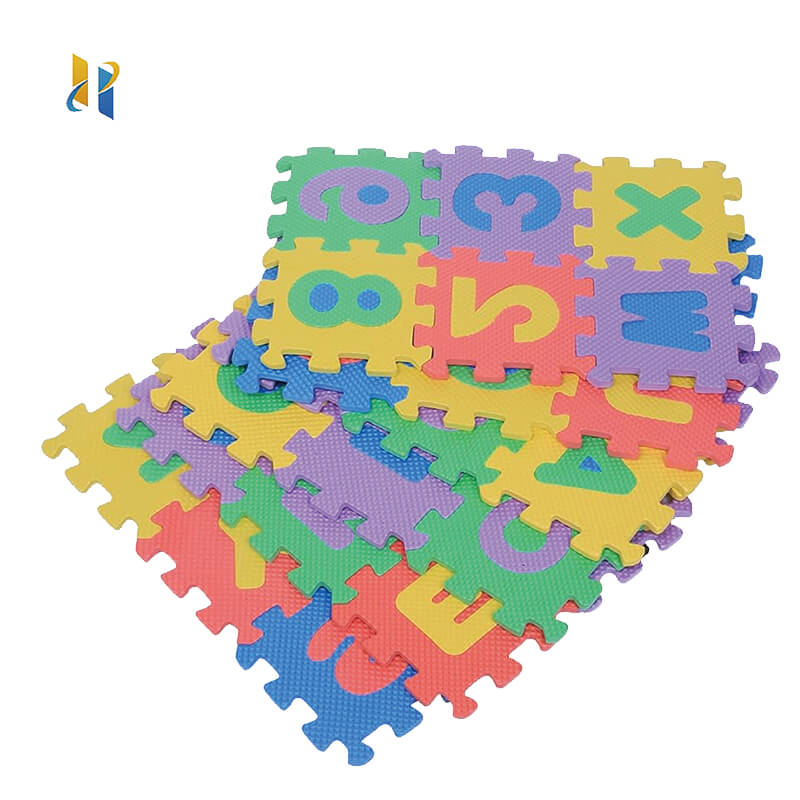
EVA foam, also known as ethylene-vinyl acetate foam, is a popular choice for a variety of uses, including sports mats, shoe inserts, and even packaging materials. Its soft yet resilient nature and ability to resist moisture and chemicals make it a versatile material. However, it's the density of EVA foam that truly sets it apart and allows it to be tailored for specific applications.
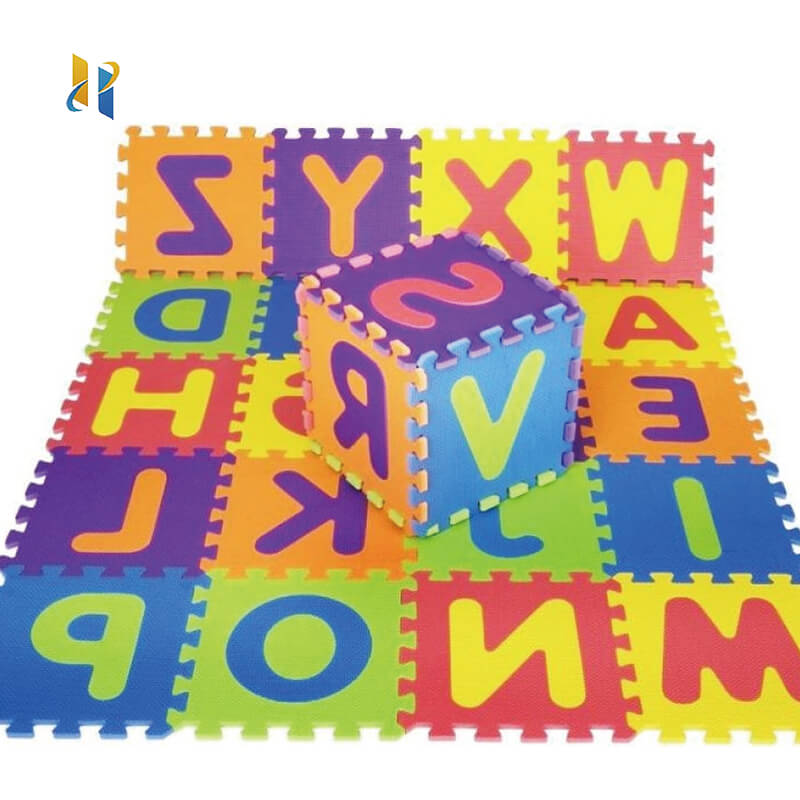
Density, measured in pounds per cubic foot (lb/ft³), is a crucial factor in determining the physical properties of EVA foam. Lower-density EVA foam is lighter and more compressible, making it ideal for applications where flexibility and cushioning are paramount, such as sports mats or yoga blocks. On the other hand, higher-density EVA foam is firmer and more durable, suitable for applications that require stability and resistance to wear and tear, such as shoe inserts or industrial packaging.
The choice of EVA foam density depends on the intended use. For example, if you're looking for a comfortable cushioning material for your home gym, a lower-density EVA foam may be the best choice. It will provide ample cushioning and comfort while remaining lightweight and easy to maneuver. However, if you're looking for a durable material for industrial use, a higher-density EVA foam may be more suitable, as it can withstand heavier loads and provide longer-lasting performance.
In addition to considering the intended use, it's also important to factor in the cost when choosing EVA foam density. Lower-density EVA foam is typically more affordable, while higher-density foam may come with a higher price tag. However, it's crucial to remember that the initial cost of the material is just one factor to consider. A higher-density EVA foam may last longer and require less frequent replacement, ultimately saving you money in the long run.
In conclusion, understanding EVA foam density is essential to choosing the right material for your specific needs. Whether you're looking for a comfortable cushioning material or a durable industrial solution, selecting the appropriate EVA foam density can ensure optimal comfort, durability, and performance. Don't overlook this crucial aspect of EVA foam—let density be your guide to finding the perfect material for your application.
back float swimming
kneeling pad with handles for gardening
Related Article