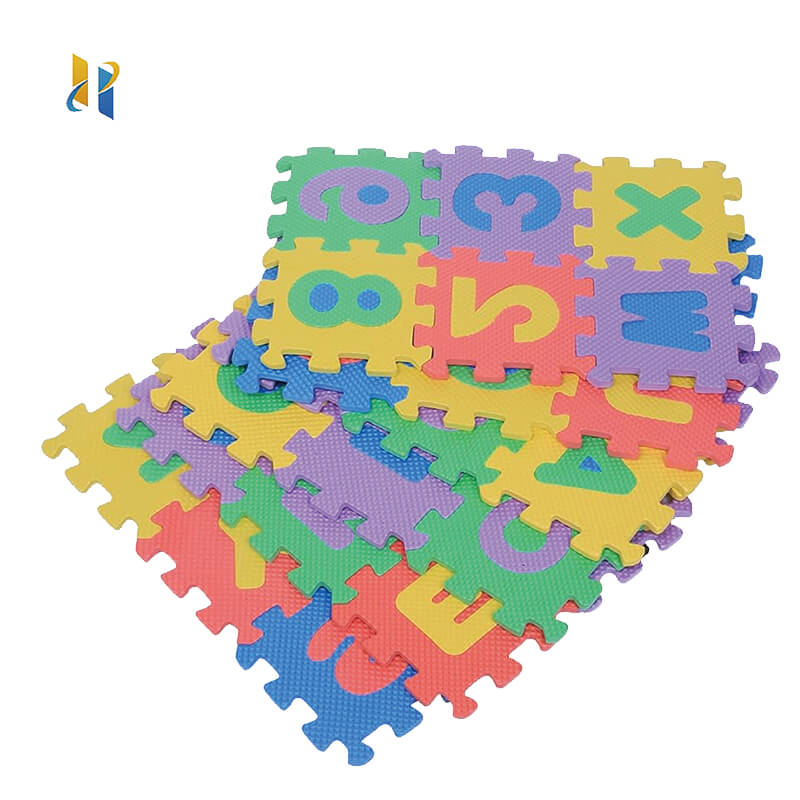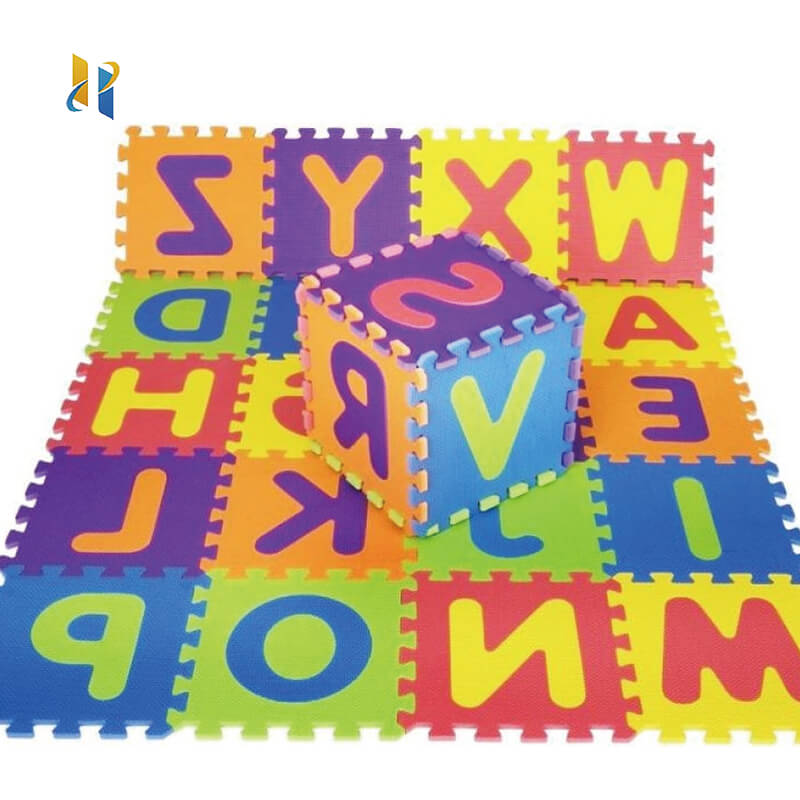
eva foam environmental impact
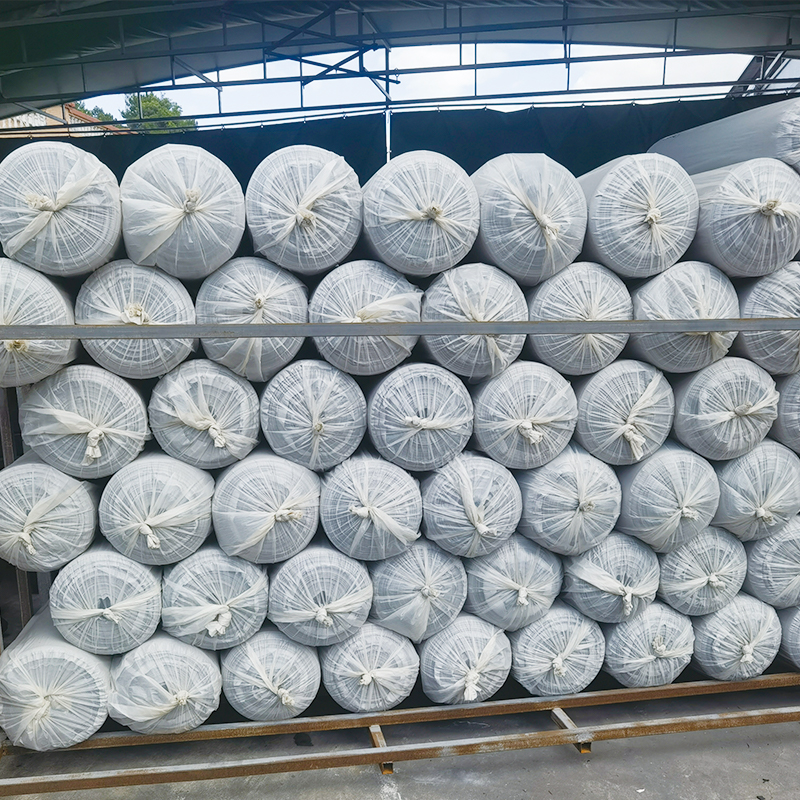
Understanding the Minimal Environmental Impact of EVA Foam: A Green Alternative for Modern Living
Introduction:
As we delve deeper into the realm of sustainable materials, it's essential to assess the environmental impact of every product we use. Among the myriad of eco-conscious options available, EVA foam stands out as a material with a notably minimal footprint. This versatile copolymer, renowned for its lightweight, durability, and safety, is quickly gaining popularity as a green alternative across various industries. By exploring the environmental implications of EVA foam, we can better understand why it's a smart choice for those seeking to reduce their carbon footprint.
The Low Environmental Impact of EVA Foam
-
Reduced Resource Consumption: Compared to traditional materials, EVA foam requires fewer raw materials to produce, thanks to its high yield during the manufacturing process. This translates into less energy usage and reduced demand for natural resources, making it a more sustainable option.
-
Low-Toxic Production: Modern EVA foam manufacturing processes are designed to minimize the use of harmful chemicals, ensuring that the end product is safe for both humans and the environment. This reduced toxicity during production significantly lessens the material's negative environmental impact.
-
Recyclability & Reusability: EVA foam is highly recyclable, with many manufacturers incorporating recycled materials into their production cycles. Furthermore, the durability of EVA foam means that products made from it often have a longer lifespan, reducing the need for frequent replacements and minimizing waste generation.
-
End-of-Life Disposal: When EVA foam products reach the end of their useful lives, they can be easily recycled into new products or safely disposed of without causing significant harm to the environment. This closed-loop system promotes circular economy principles and minimizes waste accumulation.
-
Reduced Carbon Footprint: By choosing EVA foam over materials with a higher environmental impact, consumers and businesses alike contribute to reducing their overall carbon footprint. The reduced energy consumption, low toxicity, and recyclability of EVA foam all contribute to this positive environmental outcome.
Addressing Misconceptions About EVA Foam's Environmental Impact
It's important to note that while EVA foam is generally considered environmentally friendly, some misconceptions may exist. For instance, concerns about the material's biodegradability are often raised. However, it's essential to understand that while EVA foam may not biodegrade naturally, its recyclability and low toxicity during production and disposal make it a preferable choice over non-recyclable or toxic materials.
Conclusion:
In conclusion, EVA foam emerges as a compelling eco-friendly alternative with a minimal environmental impact. Its reduced resource consumption, low toxicity, recyclability, and durability make it an ideal choice for modern living. As we strive to create a more sustainable future, incorporating EVA foam into our daily lives is a step towards achieving that goal. By embracing this green material, we can reduce our carbon footprint, support circular economy practices, and contribute to a healthier planet for all.
eva foam floor mat roll
eva foam eco friendly
Related Article