eva foam manufacturing process
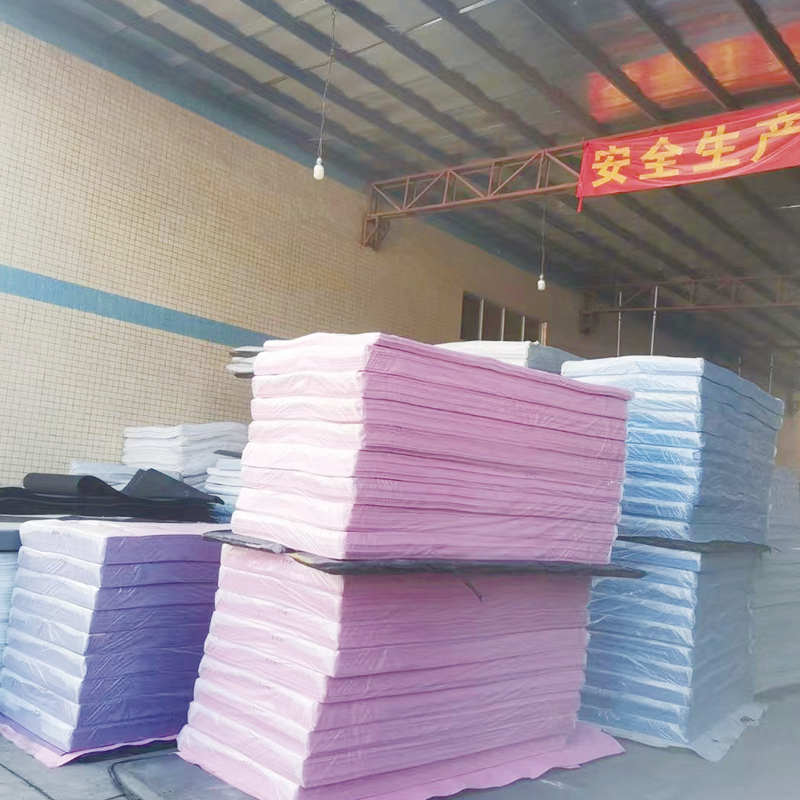
Unraveling the Intricacies of EVA Foam Manufacturing Process: Crafting Versatile Solutions for a Sustainable Future
Introduction:
In the vast landscape of materials engineering, EVA foam (Ethylene-Vinyl Acetate Foam) stands out as a versatile and eco-friendly material that has revolutionized industries ranging from sports equipment to packaging and beyond. Its unique blend of durability, flexibility, and lightweight properties make it an ideal choice for countless applications. Understanding the intricate EVA foam manufacturing process is crucial to appreciating its potential and ensuring that these benefits are harnessed efficiently. This article delves into the steps involved in crafting this remarkable material, highlighting its eco-conscious approach and the innovations driving its production forward.
Step 1: Raw Material Selection
The EVA foam manufacturing journey begins with meticulous selection of raw materials. Ethylene and Vinyl Acetate monomers are carefully sourced, ensuring they meet stringent quality standards. The ratio of these monomers is precisely controlled to achieve the desired properties in the final product, such as firmness, elasticity, and density.
Step 2: Polymerization Process
Once the raw materials are ready, they undergo a polymerization process where they are combined under controlled conditions of temperature and pressure. This chemical reaction results in the formation of a long-chain polymer, the backbone of EVA foam. The degree of polymerization determines the foam's molecular structure, which in turn influences its physical properties.
Step 3: Foam Formation
The polymerized EVA resin is then mixed with blowing agents, typically chemical compounds that release gas when heated. This mixture is poured into a mold or extruded through a die, where it is subjected to heat. As the blowing agents expand, tiny bubbles form within the resin, creating the characteristic foam structure. The size and distribution of these bubbles are carefully controlled to achieve the desired texture and density.
Step 4: Curing & Cooling
After the foam is formed, it undergoes a curing process to stabilize its structure and ensure consistent quality. This is followed by cooling, where the foam is gradually brought down to room temperature. This step is crucial for maintaining the foam's dimensional stability and preventing warping or deformation.
Step 5: Cutting & Finishing
Once cooled, the EVA foam block is cut into the desired shapes and sizes using precision machinery. This could involve simple cuts for packaging materials or intricate designs for sports equipment or footwear. The final step involves trimming, sanding, and possibly coating the foam with protective layers to enhance durability and appearance.
Eco-Conscious Manufacturing
Throughout the EVA foam manufacturing process, sustainability is a top priority. Manufacturers are increasingly adopting eco-friendly practices, such as using biodegradable blowing agents and recycling scrap materials. Additionally, the lightweight nature of EVA foam reduces transportation costs and carbon emissions, making it a more environmentally responsible choice.
Conclusion
The EVA foam manufacturing process is a testament to the ingenuity of modern materials science, blending cutting-edge technology with a commitment to sustainability. From raw material selection to final finishing, each step is carefully orchestrated to produce a versatile and durable material that meets the diverse needs of various industries. As we continue to explore new frontiers in material innovation, EVA foam remains a shining example of how to create solutions that are both functional and environmentally conscious.
eva foam marine flooring
what is kickboard in swimming
Related Article