how to use eva foam
2024-03-26
How to Use EVA Foam: A Guide to Maximizing Its Potential
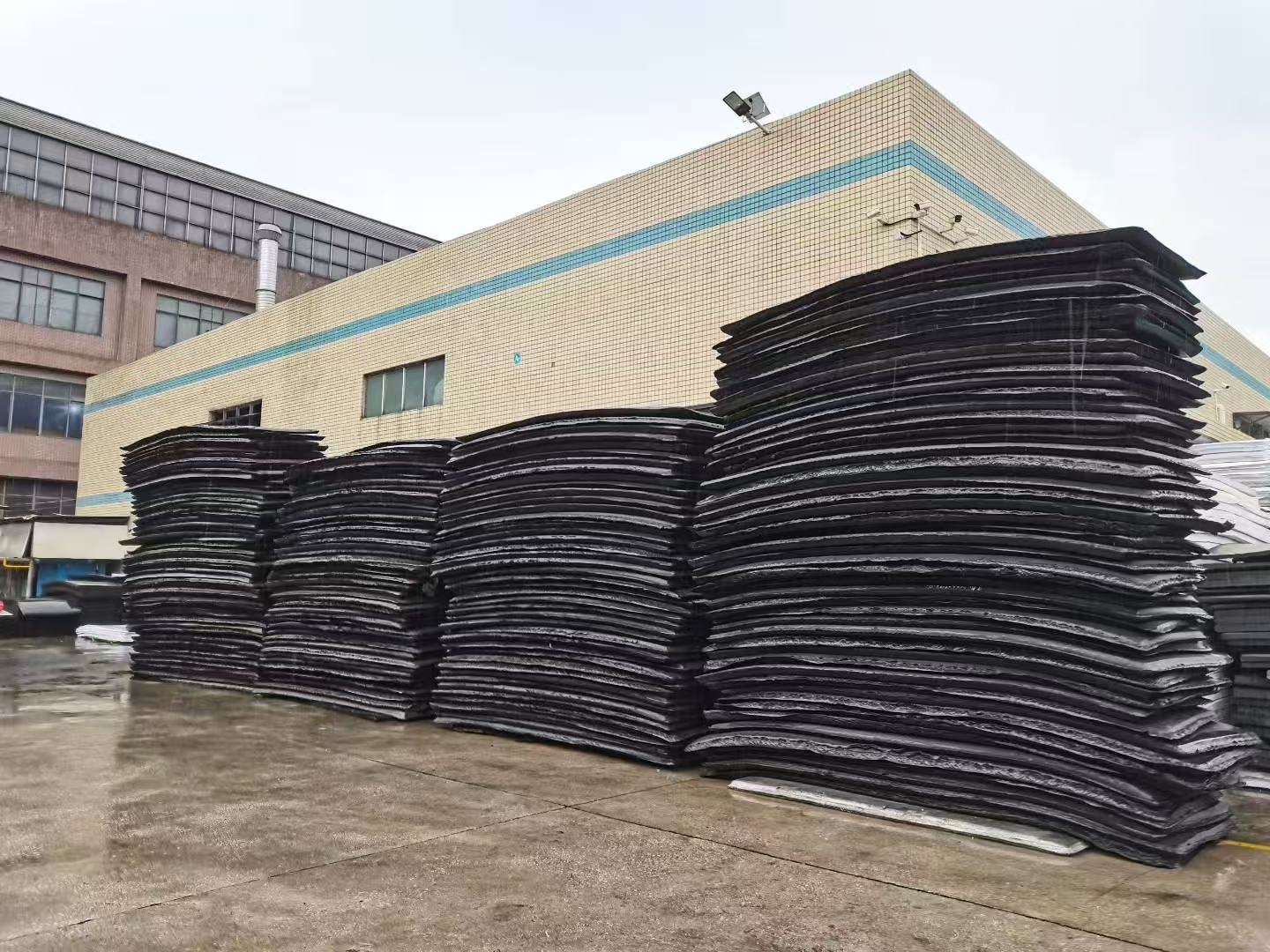
EVA foam, a lightweight yet durable material, has gained popularity in various applications due to its versatility and ease of use. Whether you're looking to create a custom cushion, enhance the comfort of your footwear, or even construct a boat, EVA foam can be a great choice. In this article, we'll guide you through how to use EVA foam effectively and maximize its potential.
Step 1: Understanding the Types and Properties of EVA Foam
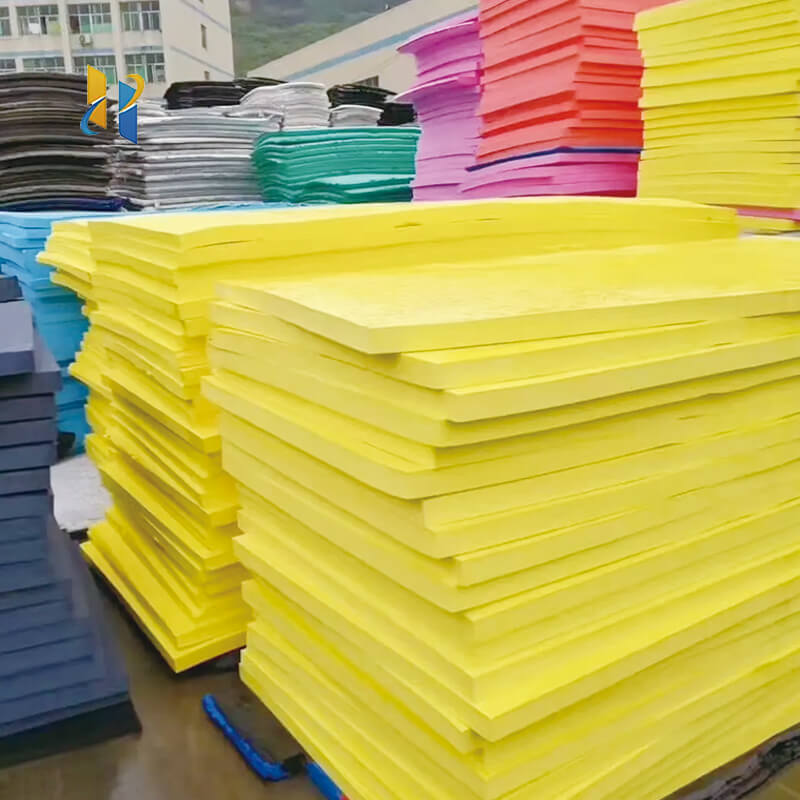
Before getting started, it's important to familiarize yourself with the different types and properties of EVA foam. EVA foam is available in various densities, thicknesses, and colors, each offering unique characteristics. Understanding these properties will help you choose the right type of EVA foam for your project.
Step 2: Measuring and Cutting the Foam
Once you've selected the appropriate EVA foam, the next step is to measure and cut it to size. Use a tape measure to determine the dimensions you need and mark them clearly on the foam. Then, use a sharp utility knife or a foam cutter to slice through the material. Remember to use a straight edge for more precise cuts.
Step 3: Shaping and Molding the Foam
EVA foam is easy to shape and mold, making it suitable for creating custom designs. You can use a heat gun or oven to gently warm the foam and make it more pliable. Once softened, you can shape it into the desired form using your hands or a mold. Be careful not to overheat the foam, as this can damage its structure.
Step 4: Adhering and Assembling the Foam
If your project requires multiple pieces of EVA foam, you'll need to adhere them together. There are various adhesives available that are compatible with EVA foam, such as contact cement or hot glue. Apply the adhesive evenly to the surfaces you want to join and press them together firmly. Allow the adhesive to dry completely before using the assembled piece.
Step 5: Finishing and Customizing the Foam
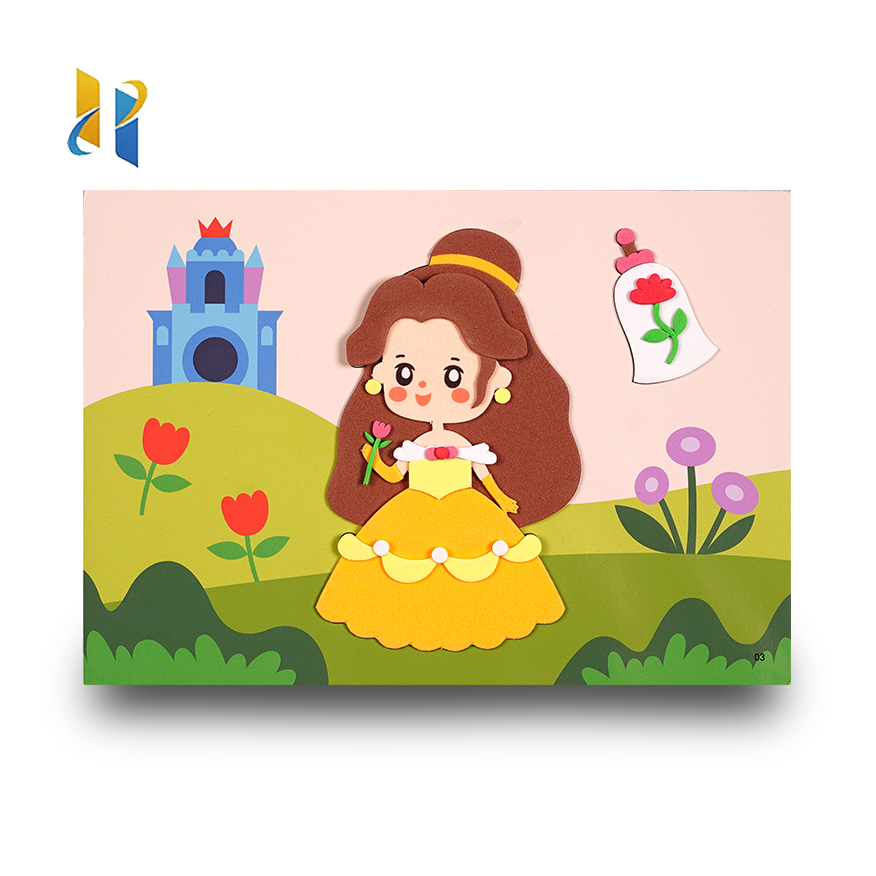
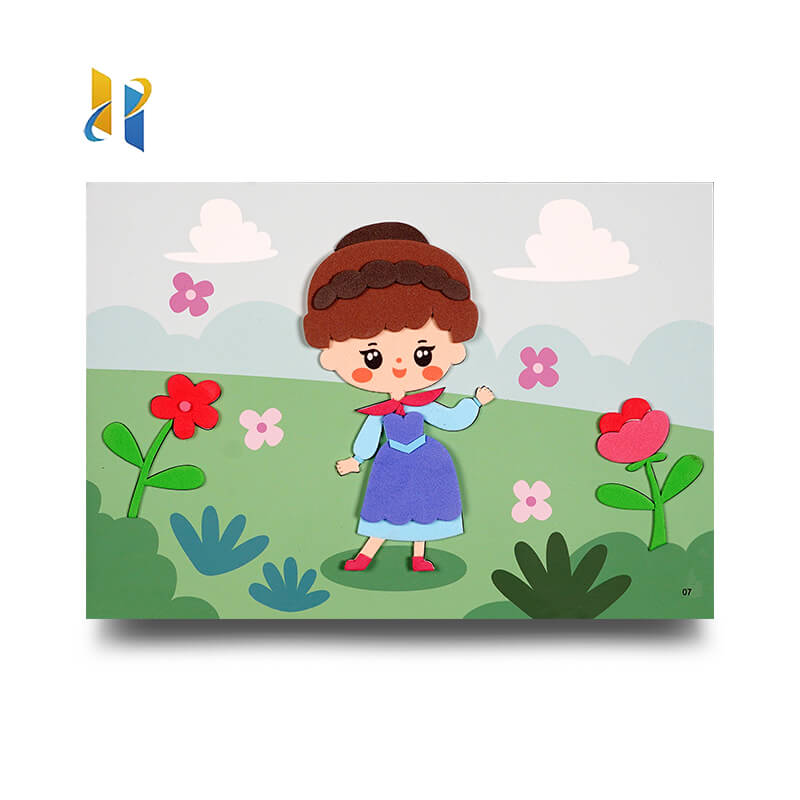
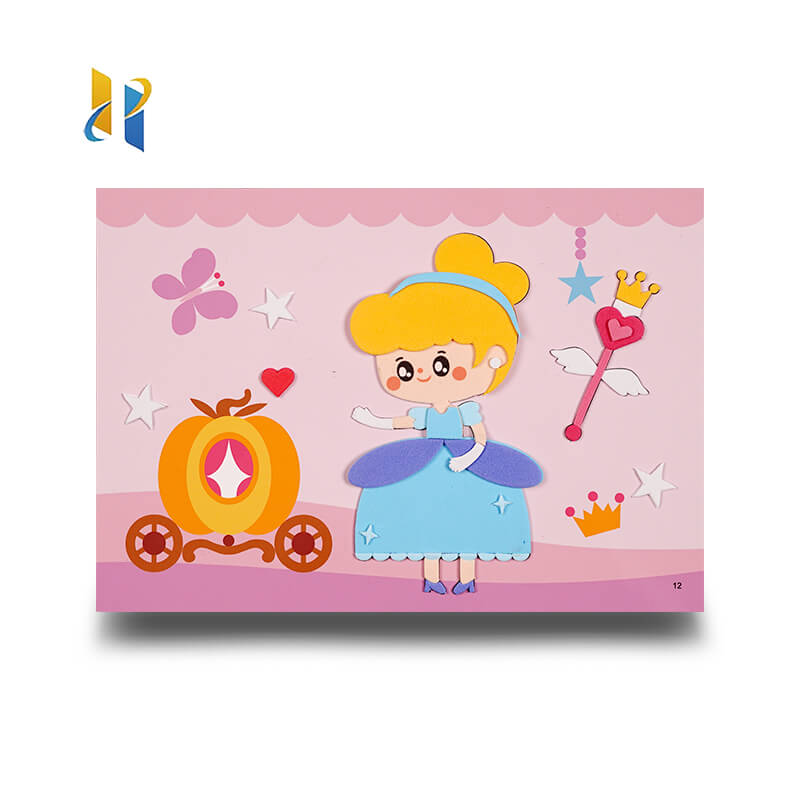
Once your EVA foam is cut, shaped, and assembled, you can add the finishing touches to make it look its best. This could include painting or dying the foam to match your desired color scheme, or adding additional details like fabric covers or embellishments. Remember to use materials and techniques that are compatible with EVA foam to ensure a seamless finish.
In conclusion, EVA foam is a versatile material that can be used in a wide range of applications. By following these steps and tips, you can easily maximize its potential and create beautiful, functional, and durable projects. Whether you're a DIY enthusiast or a professional craftsman, EVA foam is a great choice for adding comfort, protection, and style to your creations.
how to glue eva foam
is eva foam waterproof
Related Article

20 Years of Manufacturing Excellence Delivering Superior EVA Foam for Diverse Industries
Excellent Black & White EVA Materials Now in Production – Visit Our Factory for Unbeatable Quality & Value!