what is a kickboard in swimming
Unlocking the Versatility of Kickboards in Swimming: A Comprehensive Guide
Introduction:
In the realm of aquatic fitness and competitive swimming, the kickboard is a versatile tool that often goes unnoticed yet plays a pivotal role in enhancing performance and technique. For those who are new to the sport or seeking to refine their skills, understanding "what is a kickboard in swimming" can unlock a world of benefits, from strengthening your legs to mastering proper body positioning. This comprehensive guide delves into the fundamentals of kickboards, their myriad uses, and how they can transform your swimming experience.
What Exactly is a Kickboard in Swimming?
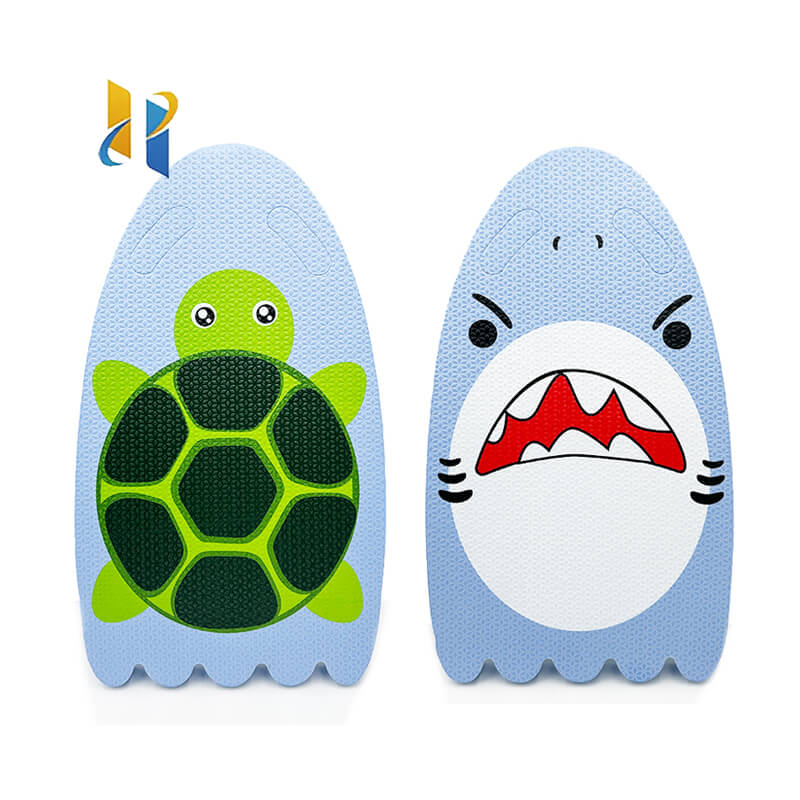
A kickboard, simply put, is a rectangular floatation device designed specifically for swimming. Typically made of foam or another buoyant material, it allows swimmers to maintain an upright, face-forward position while focusing solely on their kicking motion. By eliminating the need to simultaneously paddle and kick, the kickboard becomes an invaluable tool for isolating and strengthening the lower body, essential for both endurance and speed in the water.
Why Use a Kickboard in Swimming?
-
Leg Strengthening: Regular use of a kickboard can significantly improve the strength and endurance of your legs, which are crucial for maintaining momentum and propulsion in the water.
-
Technique Refinement: Without the distraction of arm movements, swimmers can focus intently on perfecting their kicking technique, from the angle of their feet to the rhythm of their strokes.
-
Injury Prevention: For those recovering from shoulder or arm injuries, the kickboard offers a low-impact way to stay in shape and maintain cardiovascular fitness without aggravating existing injuries.
-
Endurance Building: Long sets using a kickboard can help build endurance, enabling swimmers to swim farther and faster with less fatigue.
-
Warm-up and Cool-down: Incorporating kickboard drills into your pre- and post-swim routines can help elevate your heart rate, warm up your muscles, and facilitate recovery.
Types of Kickboard Exercises
- Basic Kicking: Start with simple, straight-line kicking to build endurance and stamina.
- Kickboard Drills: Try different kicking patterns, such as flutter kicks, scissor kicks, or dolphin kicks, to diversify your workout and target different muscle groups.
- Interval Training: Alternate between intense kicking intervals and active recovery periods to push your limits and boost cardiovascular fitness.
- Lateral Kicking: Using the kickboard for side-to-side or circular movements can improve agility and core stability.
Choosing the Right Kickboard
When selecting a kickboard, consider factors such as size, buoyancy, and durability. A kickboard that's too small may not provide adequate support, while one that's too large can be cumbersome and affect your balance. Look for materials that are lightweight yet sturdy, ensuring a comfortable and secure grip during use.
Conclusion
In conclusion, the kickboard is a vital piece of equipment for swimmers of all levels. From enhancing leg strength and technique to providing a safe and effective means of injury recovery, its versatility cannot be overstated. By incorporating kickboard exercises into your training routine, you'll not only improve your overall swimming performance but also discover a newfound appreciation for the importance of a strong kick in the water. So, the next time you hit the pool, grab your kickboard and unleash the power of your legs!
eva foam decking sheet
using kickboard swimming
Related Article