eva foam toxicity
Debunking the Myths: Eva Foam Toxicity – A Comprehensive Look at Its Safety
Introduction:
In the vast landscape of materials used in our daily lives, safety is a top priority. Eva Foam, a highly versatile and popular material known for its lightweight, durability, and cushioning properties, has unfortunately been the subject of misconceptions regarding its toxicity. However, upon closer examination, it becomes clear that Eva Foam, when produced and used according to industry standards, is a non-toxic and safe option. This article aims to set the record straight by exploring the truth behind Eva Foam's safety profile and addressing the myths surrounding its toxicity.
The Science Behind Eva Foam's Non-Toxicity
Eva Foam, or Ethylene-Vinyl Acetate Foam, is a copolymer foam made from a combination of ethylene and vinyl acetate. This unique blend creates a material that is inherently non-toxic and does not contain harmful chemicals commonly associated with toxicity concerns, such as phthalates, BPA, or formaldehyde. Eva Foam is designed to be safe for both human contact and the environment, ensuring peace of mind for consumers.
Rigorous Testing and Compliance with Safety Standards
To ensure Eva Foam's safety, manufacturers undergo rigorous testing to comply with strict safety standards set by regulatory bodies worldwide. These standards dictate the use of non-toxic raw materials, the absence of harmful additives during production, and thorough evaluations to verify the material's safety for intended uses. As a result, Eva Foam products available on the market are certified to be safe for consumers.
Widespread Applications Demonstrate Safety
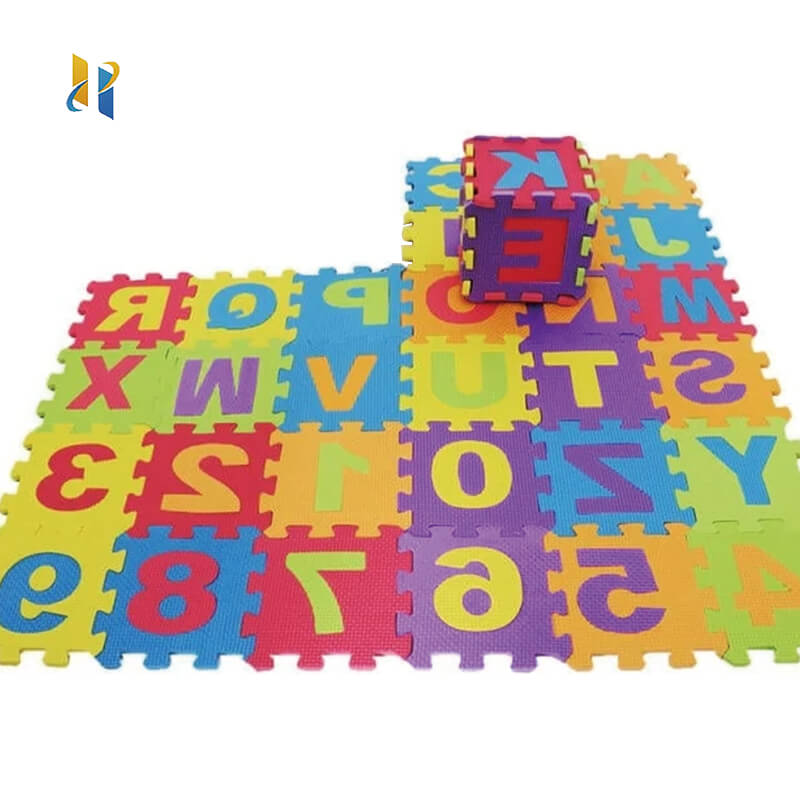
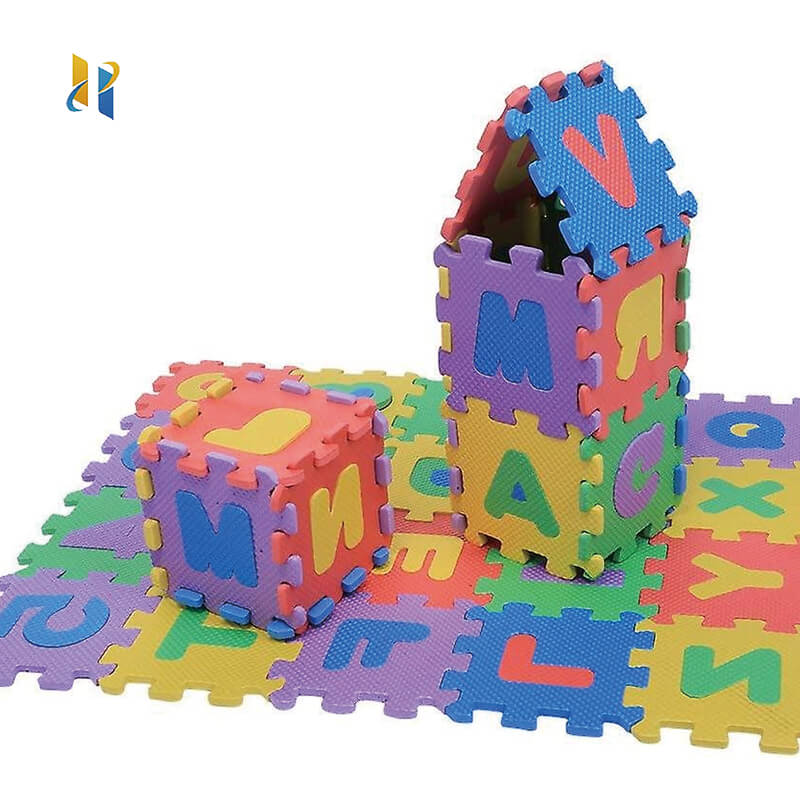
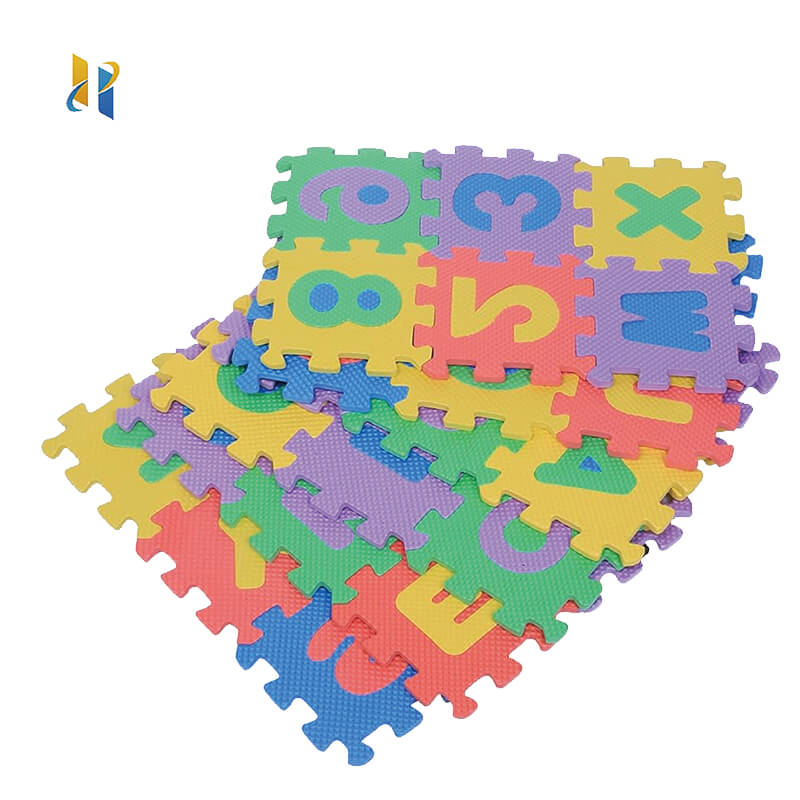
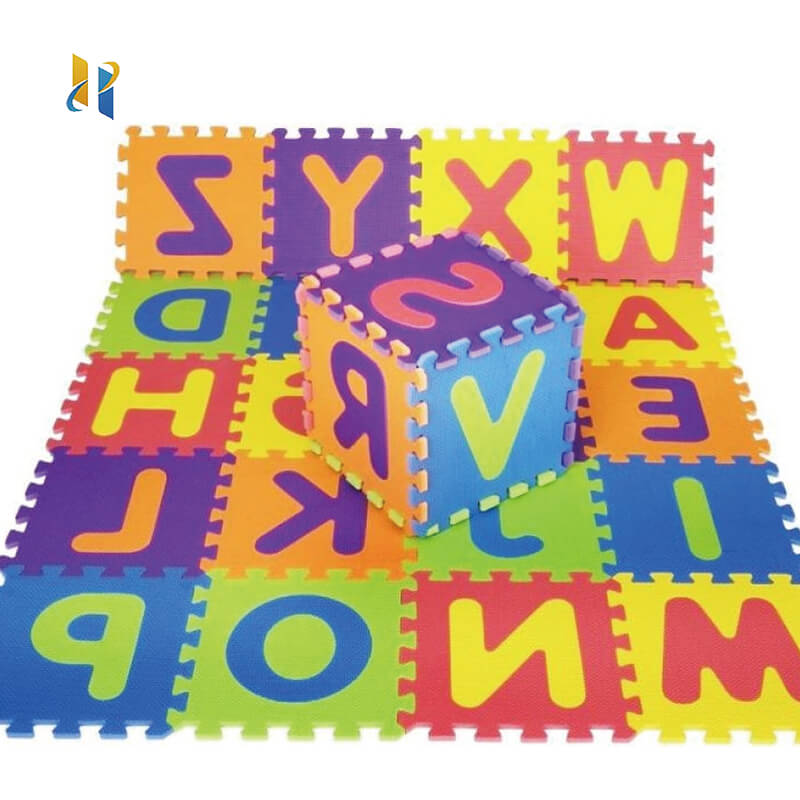
Eva Foam's non-toxic nature makes it a go-to material for a myriad of applications where safety is paramount. From children's playmats and toys to gym equipment, packaging materials, and even automotive components, Eva Foam is trusted for its safety and reliability. Its soft, cushioned texture provides comfort and protection, making it an ideal choice for products that come into direct contact with the skin.
Eco-Friendly and Sustainable
Beyond its safety profile, Eva Foam is also an environmentally responsible material. It is recyclable, helping to reduce waste and minimize the impact on the environment. Furthermore, Eva Foam's production process often involves fewer emissions and less energy consumption compared to other plastic-making methods, contributing to a more sustainable manufacturing process.
Conclusion:
Eva Foam's reputation as a non-toxic and safe material is well-deserved. Through a thorough understanding of its chemistry, compliance with safety standards, and widespread applications, we can confidently conclude that Eva Foam is a suitable choice for a variety of uses. It's time to debunk the myths surrounding Eva Foam's toxicity and embrace this versatile, safe, and eco-friendly material. Whether you're looking for a comfortable playmat for your child or a durable solution for your business needs, Eva Foam is a smart and safe option.
swim bubble belt
eva foam toxicity?
Related Article